How to Use Thinning Shears on Your Dog’s Coat is an essential guide for pet owners seeking to enhance their dog’s grooming routine. Thinning shears are specialized tools designed to thin out and blend the coat, making them particularly useful for achieving a polished look while maintaining the dog’s natural beauty.
By understanding the various types of thinning shears, preparing your dog for grooming, and mastering the right techniques, you can ensure a smooth experience that benefits both you and your furry companion. Let’s explore how to effectively and safely use these valuable grooming tools.
Understanding Thinning Shears
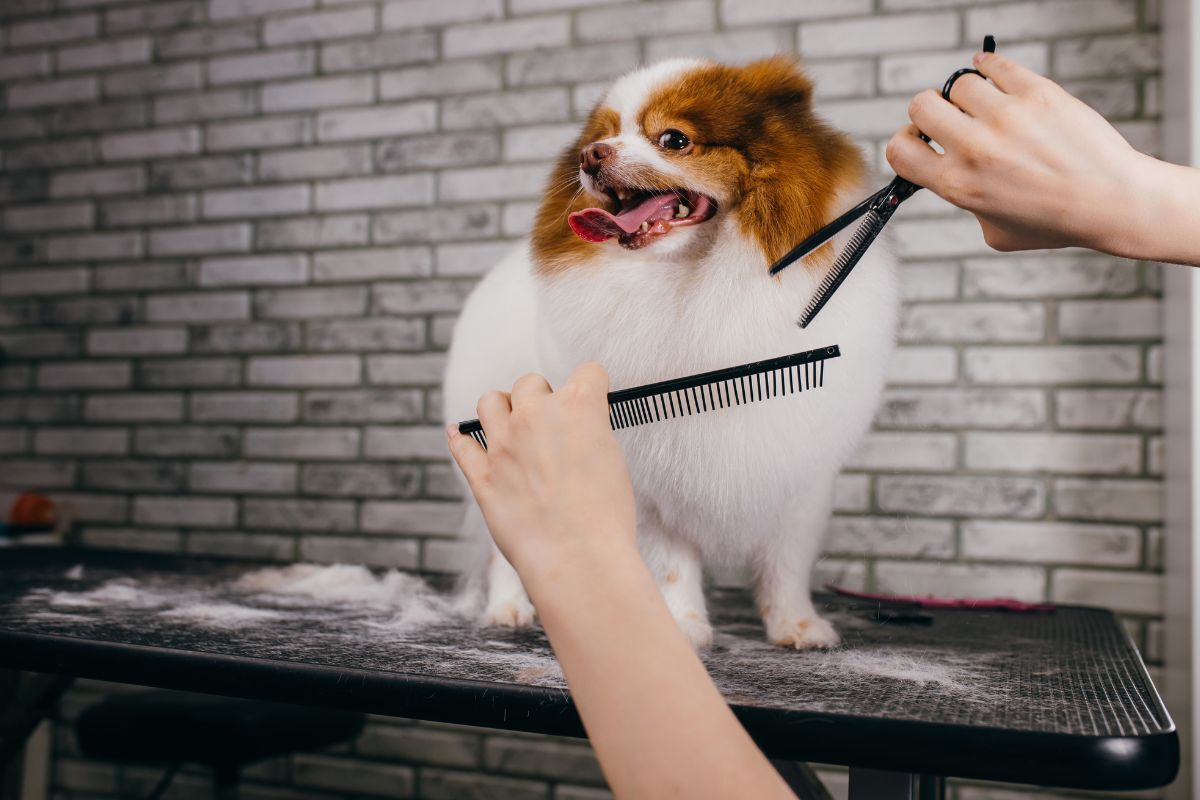
Thinning shears are an essential tool in dog grooming, designed specifically to help manage and shape a dog’s coat. Unlike regular scissors that cut hair straight across, thinning shears feature a unique blade structure that allows for blending and texturizing the coat, resulting in a more natural appearance.Thinning shears come in various styles, each tailored for specific grooming needs. They typically have one straight blade and one serrated blade, which works together to remove bulk from the coat without shortening it too much.
Types of thinning shears include:
Types of Thinning Shears
Different types of thinning shears are available, each offering unique advantages for various grooming techniques:
- Chunking Shears: Ideal for removing large amounts of bulk quickly. They are particularly useful for thick or double-coated breeds.
- Blending Shears: Used to create a smooth transition between cut and uncut hair. These are perfect for finishing touches and detailing.
- Curved Thinning Shears: Designed for shaping and contouring areas such as the legs and tail, these shears provide a more natural look.
- Straight Thinning Shears: Versatile and effective for most grooming tasks; they are suitable for general coat thinning.
Using thinning shears offers several advantages over regular scissors.
Advantages of Using Thinning Shears
Incorporating thinning shears into grooming routines can significantly enhance the overall appearance and health of a dog’s coat. The following advantages highlight the importance of using thinning shears:
- Natural Appearance: Thinning shears allow for a more textured look, which is particularly beneficial for breeds that require movement and flow in their coats.
- Reduced Bulk: They effectively decrease the volume and weight of a coat, making it more manageable for both the groomer and the dog.
- Blending Capabilities: Thinning shears seamlessly blend layers of hair, preventing harsh lines and ensuring a polished finish.
- Less Stress on the Dog: The gentle action of thinning shears reduces tugging and pulling, leading to a more comfortable grooming experience.
Thinning shears are not just tools; they are essential for achieving professional-quality grooming results.
Preparing Your Dog for Grooming
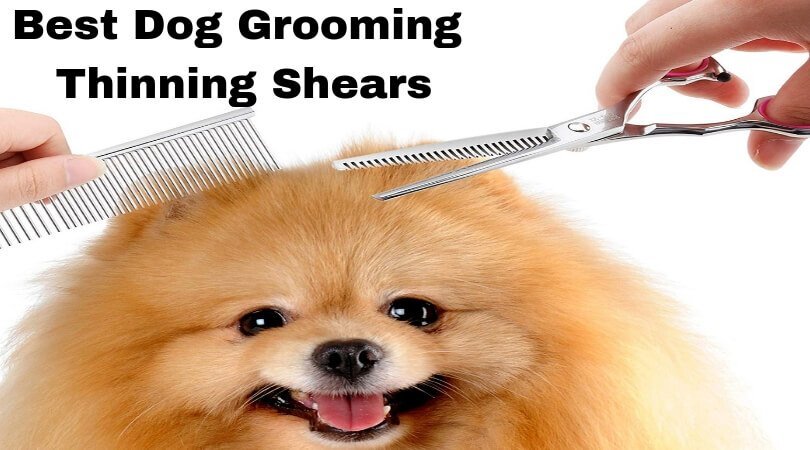
Grooming your dog with thinning shears can be a rewarding experience for both you and your pet. However, preparation is key to ensuring a smooth grooming session. This process not only helps your dog feel comfortable but also maximizes the benefits of grooming, leading to a healthier coat. Creating a calm and reassuring atmosphere can significantly enhance your dog’s grooming experience.
To prepare your dog effectively, follow these essential steps that will help in minimizing stress and ensuring a successful grooming session.
Steps to Prepare Your Dog for Grooming
A calm and organized preparation routine can make a notable difference in how your dog reacts during grooming. Here are the steps to ensure your dog is ready for the grooming process:
1. Choose a Familiar Location
Select a quiet area in your home that your dog is familiar with. This can help reduce anxiety and create a safe space for grooming.
2. Gather Your Tools
Ensure that all necessary tools, including thinning shears, brushes, and combs, are within reach. This minimizes interruptions and keeps your dog focused.
3. Leash Your Dog
If your dog tends to wander, use a leash to keep them in place. This can help in maintaining control during the grooming session.
4. Brush First
Before using thinning shears, thoroughly brush your dog’s coat. This removes any tangles or mats, making the use of shears more effective and comfortable.
5. Use Positive Reinforcement
Reward your dog with treats or praise during the preparation phase. This encourages positive associations with grooming.
Creating a Calm Environment for Your Dog
A serene environment can help alleviate your dog’s anxiety and ensure a more pleasant grooming experience. Consider the following strategies to foster a calm atmosphere:
Soft Music
Playing soft, calming music can help soothe your dog during grooming. Studies show that certain types of music can lower stress levels in pets.
Comfortable Surface
Use a non-slip mat or grooming table that allows your dog to feel secure while being groomed. An unstable surface can lead to discomfort and anxiety.
Gentle Handling
Approach your dog in a gentle manner, using slow and reassuring movements. Speak softly to keep your dog relaxed.
Short Sessions
If your dog is particularly anxious, keep grooming sessions short and positive. Gradually increase the duration as your dog becomes more accustomed to the process.
Importance of Regular Grooming and Its Effects on Coat Health
Regular grooming is essential not only for aesthetic purposes but also for maintaining your dog’s coat health. Here are key points highlighting its significance:
Prevention of Mats and Tangles
Frequent grooming helps prevent the formation of mats and tangles, which can be painful and uncomfortable for your dog.
Skin Health
Grooming promotes better skin health by allowing you to check for irritations, parasites, or any abnormalities that may require veterinary attention.
Reduced Shedding
Regular grooming significantly reduces shedding around the house. This is especially beneficial for homes with allergies, as it helps control dander.
Bonding Opportunity
Grooming is an excellent opportunity to bond with your dog, enhancing trust and affection between you and your pet.
“Regular grooming not only keeps your dog looking their best but also plays a vital role in their overall health and wellbeing.”
Techniques for Using Thinning Shears
Utilizing thinning shears effectively on your dog’s coat requires practice and knowledge of proper techniques. Mastering the grip, angle, and motion will ensure a smooth grooming experience, resulting in a well-maintained coat that enhances your dog’s appearance. Thinning shears are designed to selectively reduce bulk while maintaining length, making them essential for various coat types and styles.
Grip and Technique for Holding Thinning Shears
Proper grip is fundamental when using thinning shears. Hold the shears with your dominant hand, ensuring your fingers fit comfortably into the finger holes. Your thumb should be placed in the smaller hole, allowing you to control the shears effectively. The index finger should rest on the outside for added control, while the remaining fingers can wrap around the handle.
Maintaining a relaxed grip helps to prevent tension, allowing for fluid movements.
To achieve the best results, keep the shears angled slightly away from the dog’s skin when cutting. This reduces the risk of accidental cuts and allows for a more natural blending of the coat. An optimal angle of approximately 30 degrees to 45 degrees from the surface of the coat enables precise thinning without compromising the coat’s integrity.
Cutting Motion and Technique
The cutting motion when using thinning shears should be gentle and deliberate. Instead of using a chopping motion, which can lead to uneven results, employ a sliding or scissor-like motion. Open and close the shears slowly, allowing the teeth to catch the hair gradually. This technique helps remove bulk while preserving the length and texture of the coat.
When thinning specific areas, focus on the following steps to achieve a natural look:
Step-by-step Guide to Thinning Specific Areas
Before beginning, assess the areas that require thinning, such as the neck, ears, or legs. Each area may require different techniques based on coat density and length. Below is a detailed guide to thinning certain areas effectively:
1. Neck Area
Start by gently combing through the fur to remove any tangles. Hold the shears parallel to the neck and cut in small sections, using a sliding motion from the base towards the tip of the hair. This technique will help to blend the fur and create a natural transition.
2. Ears
For ears, lift the hair and position the shears at a slight angle. Thinning should be done in the direction of hair growth to avoid creating sharp lines. Work slowly, making small cuts to achieve a balanced look.
3. Legs
When thinning the legs, hold the shears horizontally for a more even cut. Make small snips, moving from the top of the leg downwards. This will help to reduce bulk while maintaining the overall silhouette of the leg.
4. Body
For the body coat, section the hair into manageable parts. Thinning shears work best when used in the direction of hair growth. Start from the back and work towards the chest, applying consistent pressure and motion to create a seamless blend throughout the body.
“Mastering the technique of using thinning shears can transform your dog’s grooming experience, making it both enjoyable and effective.”
Safety Precautions
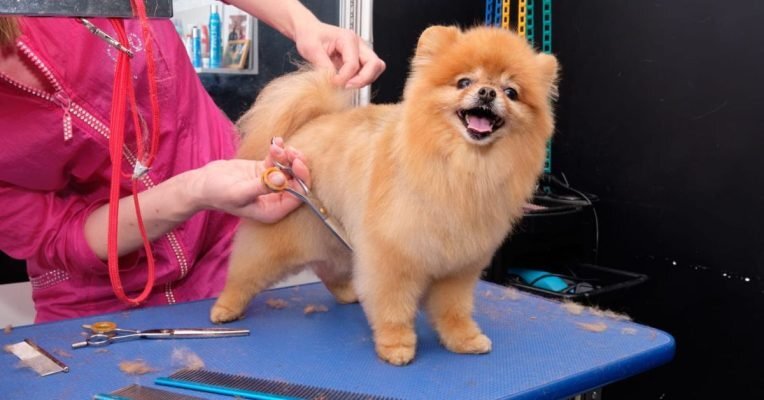
Grooming your dog with thinning shears requires attention to safety to ensure the well-being of both you and your pet. Implementing safety measures can help prevent accidents and minimize stress during the grooming process. It is crucial to recognize signs of discomfort or anxiety in dogs, as this can affect their behavior and response to grooming tools.
Safety Measures During Grooming
While grooming, it is essential to follow specific safety precautions to protect your dog and yourself. Ensuring a safe environment can mitigate the risk of injuries caused by the shears or the grooming process itself.
- Always use high-quality, dog-specific thinning shears to avoid accidents.
- Keep a firm and gentle grip on your dog to prevent sudden movements.
- Ensure your grooming area is well-lit to see the coat clearly and avoid mishaps.
- Be aware of your dog’s body language; maintain a calm demeanor to help soothe them.
- Use a non-slip surface or grooming table to provide stability while grooming.
Signs of Stress or Discomfort in Dogs
Recognizing the signs of stress or discomfort in dogs during grooming is vital to ensure their emotional well-being. Observing your dog’s behavior can help you gauge their comfort level.
- Excessive panting or drooling can indicate anxiety.
- Whining, barking, or growling may suggest discomfort or fear.
- Try to watch for body language, such as tensing up, turning their head away, or attempting to escape.
- Yawning or licking their lips frequently can signify stress.
- Tail position can also be a cue; a tucked tail often indicates insecurity.
First-Aid Tips for Minor Cuts or Nicks
Even with the utmost care, minor cuts or nicks may occur while using thinning shears on your dog’s coat. Being prepared with first-aid knowledge can help you manage such incidents effectively.
- Clean the affected area with warm water and mild soap to remove any dirt.
- Apply a pet-safe antiseptic solution to prevent infection.
- Use sterile gauze to apply gentle pressure if bleeding occurs.
- Monitor the injury for signs of infection, such as redness, swelling, or pus.
- Consult your veterinarian if you notice any unusual symptoms or if the cut does not heal properly.
“A calm and patient approach during grooming can significantly impact your dog’s comfort and cooperation.”
Grooming Different Coat Types
Grooming your dog requires an understanding of their specific coat type, as each presents unique challenges and opportunities. Thinning shears can be a versatile tool to achieve a well-maintained look, provided you adapt your techniques accordingly. Knowing how to use thinning shears correctly on various coat types ensures that your dog remains comfortable while looking its best.When grooming different coat types, it is essential to consider the texture, length, and volume of the hair.
Each coat type demands specific techniques and approaches to ensure that the results are both flattering and functional. Adapting your thinning shear techniques based on your dog’s coat type, such as long, short, or curly, can enhance the overall grooming experience.
Techniques for Various Coat Types
Understanding the requirements of different coat types will help you tailor your use of thinning shears accordingly. The following points illustrate how to address the grooming needs of specific breeds and coat types:
- Long Coats: Breeds like the Afghan Hound and Golden Retriever have long, flowing coats that require careful thinning to prevent matting. Use thinning shears on the undercoat, working from the base of the coat outward to maintain volume while removing excess bulk.
- Short Coats: Breeds such as Beagles and Boxers have short, dense coats that may require minimal thinning. Employ thinning shears sparingly and mainly for touch-ups around the ears and paws to create a neat appearance without compromising the coat’s natural texture.
- Curly Coats: Breeds like Poodles and Bichon Frises have curly coats that can benefit significantly from thinning shears. Use them to break up heavy curls and reduce bulk while maintaining the coat’s shape and definition. Thinning the coat can enhance the natural curl pattern, making it easier to manage.
- Thick Coats: Breeds such as the Alaskan Malamute and Newfoundland have thick, double coats that may require extensive thinning. Focus on the undercoat with thinning shears to reduce volume while ensuring that the outer coat retains its protective qualities. Be cautious not to cut too deeply into the top layer.
- Thin Coats: Breeds like the Greyhound or Whippet have thin, fine coats that typically do not require much thinning. If necessary, use thinning shears lightly along areas prone to tangling or matting, such as behind the ears or under the legs.
Utilizing the appropriate technique based on your dog’s specific coat type is vital for achieving the desired grooming results. It’s important to remember that each breed’s unique characteristics should guide your approach, ensuring that your dog not only looks good but also feels comfortable throughout the grooming process.
Maintenance and Care of Thinning Shears
Maintaining thinning shears is essential for ensuring they perform effectively and last for many years. Just as a well-groomed dog requires proper care, so too do the tools used in the grooming process. Keeping thinning shears clean and well-maintained not only contributes to their longevity but also enhances the overall grooming experience for both the groomer and the dog.Thinning shears should be treated with care, as they are precision instruments designed for delicate tasks.
Regular maintenance ensures that the blades remain sharp and effective, allowing for smooth and even cutting. Neglecting these tools can lead to dull blades, which require more effort to use and can result in uneven cuts or even damage to the dog’s coat. Therefore, a consistent maintenance routine is paramount for optimal grooming results.
Importance of Keeping Thinning Shears Clean
Regular cleaning of thinning shears is vital to remove hair, debris, and oils that can accumulate during grooming sessions. These substances can hinder the shears’ performance and lead to dullness or rust.To maintain cleanliness:
- Wipe the blades with a soft cloth after each grooming session to remove hair and dirt.
- Use a mild disinfectant or blade cleaner to sanitize the blades and prevent bacterial growth.
- Ensure the tension of the blades is correct; too tight can cause wear, while too loose can allow debris to enter.
Proper Sharpening Techniques
Sharpening thinning shears is a critical aspect of maintenance that contributes significantly to their performance. Dull blades not only make grooming more challenging but can also result in uneven cuts, pulling on the dog’s fur, and discomfort for the pet.For effective sharpening:
- Utilize a professional sharpening service specialized in grooming tools for the best results.
- If sharpening at home, use a whetstone or honing tool designed for shears, ensuring to follow the manufacturer’s guidelines.
- Regularly inspect the blades for nicks or chips, as these can affect cutting precision and should be addressed promptly.
Storage of Thinning Shears
How thinning shears are stored can significantly impact their longevity and functionality. Proper storage prevents damage and maintains the sharpness of the blades.Consider these storage practices:
- Always store thinning shears in a dedicated sheath or case to protect the blades from accidental nicks.
- Avoid placing them in damp areas to prevent rust; a dry, cool environment is ideal.
- Keep them out of reach from pets and children to prevent accidents or damage.
Impact of Tool Maintenance on Grooming Results
The maintenance of grooming tools, particularly thinning shears, directly influences the quality of grooming results. Well-maintained tools lead to cleaner cuts, more professional-looking results, and a more pleasant experience for the dog.The following points highlight the relationship between maintenance and grooming outcomes:
- Sharp blades create smoother cuts, reducing the risk of coat damage and ensuring a polished appearance.
- Clean tools minimize the risk of spreading infections or skin irritations between dogs.
- Regularly maintained shears require less force, making the grooming experience more comfortable for both the groomer and the dog.
“Investing time in the maintenance of your thinning shears can significantly enhance the quality of your grooming sessions and contribute to a happier, healthier pet.”
Common Mistakes to Avoid
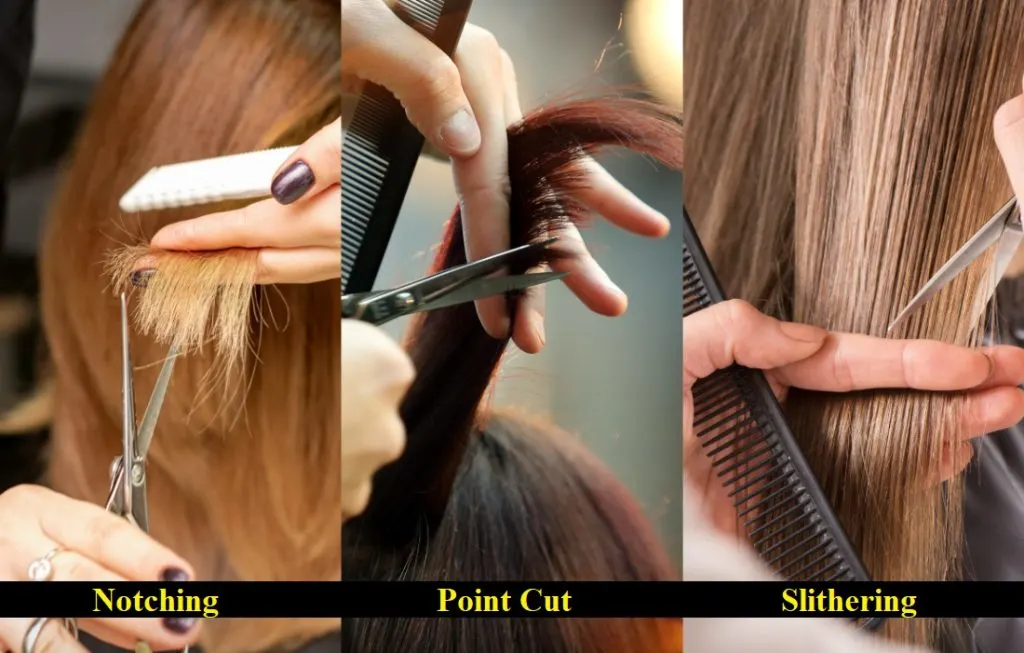
When it comes to grooming your dog with thinning shears, there are several common pitfalls that pet owners often encounter. Understanding these mistakes can significantly improve the quality of your dog’s grooming and ensure a safe and enjoyable experience for both you and your pet. Avoiding these errors will help maintain the integrity of your dog’s coat and prevent unnecessary stress during the grooming process.One frequent mistake is over-thinning the coat, which can lead to an unattractive, uneven appearance.
Additionally, a lack of preparation before starting the grooming session can result in difficulties and mishaps. It is essential to approach the grooming process with care and attention. Below are critical points to consider that will help ensure a successful grooming experience.
Frequent Mistakes in Grooming
Understanding and avoiding common mistakes can enhance the overall grooming experience. Here are several mistakes to be aware of:
- Over-Thinning: Excessive use of thinning shears can lead to bald patches and uneven fur length, detracting from your dog’s appearance.
- Neglecting to Brush First: Failing to detangle and brush your dog’s coat prior to using thinning shears can result in snagging, pulling, and discomfort for your dog.
- Using Dull Shears: Dull thinning shears can cause more harm than good, leading to uneven cuts and potential injury to your dog’s skin.
- Improper Technique: Incorrect angles or movements while using shears can create uneven patches or alter the natural flow of the coat.
- Ignoring Coat Type: Not considering your dog’s specific coat type may lead to unsuitable grooming practices that can damage the fur.
To avoid these common mistakes, it is essential to approach grooming with a plan. Implementing a checklist can assist in maintaining quality and safety throughout the grooming process.
Grooming Quality and Safety Checklist
This checklist serves as a guide to ensure that you are prepared and mindful during grooming sessions:
- Prepare Your Environment: Ensure the grooming area is clean, well-lit, and free from distractions.
- Inspect Your Tools: Check that your thinning shears are sharp and in proper working condition before starting.
- Brush Thoroughly: Prior to using thinning shears, fully brush and detangle your dog’s coat to prevent discomfort.
- Understand Your Dog’s Coat: Familiarize yourself with your dog’s specific coat type and adjust your techniques accordingly.
- Test on a Small Area: Before making significant changes, test your techniques on a small, inconspicuous area of the coat.
- Monitor Your Dog’s Comfort: Continuously observe your pet for signs of stress or discomfort, and take breaks as needed.
“Grooming is an essential aspect of pet care that requires patience, skill, and the right tools. Avoiding common mistakes can lead to a more pleasant experience for both the pet and the owner.”
By adhering to these guidelines, you can enhance the quality of your dog’s grooming and ensure their safety. Understanding the common mistakes and implementing the checklist will prepare you for a successful grooming session with thinning shears.
Post-Grooming Care
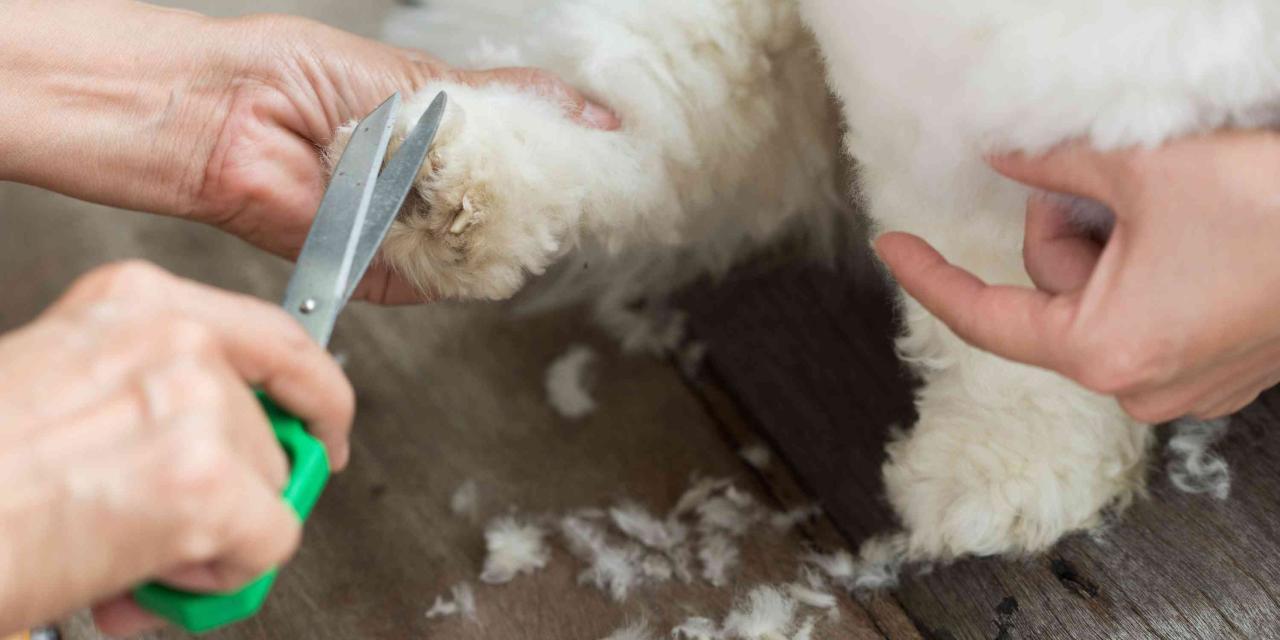
After completing the grooming process with thinning shears, it is essential to ensure your dog’s comfort and well-being. Proper post-grooming care not only helps in soothing your dog but also enhances the results of your grooming efforts. Taking a few moments to assess the outcome and provide suitable aftercare can lead to a happier dog and a healthier coat.
Steps for Immediate Aftercare
Once the grooming session is over, there are several steps to take to ensure your dog’s comfort and to properly assess the results of the grooming. These steps help to calm your dog and promote a positive experience.
- Check for Irritation: Immediately inspect your dog’s skin for any signs of irritation or discomfort. Look for redness, rashes, or any unusual reactions that may have occurred during grooming.
- Provide Comfort: Offer your dog a comfortable resting spot and ensure they have access to fresh water. Allow them some time to relax and adjust after the grooming session.
- Brush the Coat: Gently brush your dog’s coat post-grooming to remove any loose hair and ensure an even finish. This step helps in preventing matting and keeps the coat looking tidy.
- Assess the Grooming Results: Take a moment to closely inspect your dog’s coat after thinning. Look for areas that may need further thinning or adjustments. It is important to ensure a balanced and even look.
Assessment of Grooming Results
Evaluating the effects of thinning shears on your dog’s coat is crucial for achieving a polished appearance. This includes checking the length and volume of hair and ensuring a uniform look.
- Evaluate Length: Determine if there are still areas that appear too long or uneven. Take your thinning shears and delicately go over these sections for further adjustments.
- Check Volume: Assess the overall volume of your dog’s coat. If certain areas appear overly bulky, selectively thin them out to enhance texture and flow.
- Final Touches: Use your hands to gently fluff the coat and observe how it falls naturally. This can help you identify any final areas that might require attention.
Aftercare Products for Coat Health
Incorporating aftercare products into your grooming routine can significantly benefit your dog’s coat. These products not only help to maintain the health and shine of the fur but also soothe the skin after grooming.
- Dog Conditioner: A quality dog conditioner can help to hydrate the coat and make it easier to brush. Look for products that are specifically formulated for your dog’s coat type.
- Leave-in Spray: Consider using a leave-in conditioner spray to provide additional moisture and manageability. This can be especially helpful for longer or thicker coats.
- Skin Soothing Balm: If any irritation is observed, apply a soothing balm made for pets, which can help to relieve discomfort and promote healing.
- Flea and Tick Prevention: After grooming, it is the ideal time to apply flea and tick prevention products. Keeping your dog’s coat healthy also means protecting them from pests.
Closing Notes
In conclusion, utilizing thinning shears on your dog’s coat can greatly improve the overall appearance and health of their fur. By adhering to proper techniques, ensuring safety precautions, and maintaining your tools, you can achieve professional-quality results at home. Remember, regular grooming not only keeps your dog looking fabulous but also contributes to their well-being.