How to Trim Your Dog’s Whiskers (and Why You Shouldn’t) invites pet owners to explore the intriguing significance of whiskers in a dog’s life. Whiskers are not merely aesthetic features; they play a crucial role in a dog’s sensory perception, enabling them to navigate their surroundings and understand their environment. This narrative will delve into the importance of maintaining these vital sensory tools and highlight the potential consequences of trimming them, shedding light on misconceptions surrounding dog grooming.
In examining the delicate balance between grooming and a dog’s well-being, we will discuss the health and psychological risks associated with whisker trimming. Furthermore, we will explore best grooming practices that enhance a dog’s appearance without compromising their natural whiskers, ensuring that our furry companions remain both stylish and comfortable.
Importance of Dog Whiskers
Dog whiskers, also known as vibrissae, play a crucial role in a dog’s sensory perception and overall well-being. These long, sensitive hairs are not merely aesthetic features; they serve vital functions that enhance a dog’s interaction with its environment. Understanding the importance of whiskers can help pet owners appreciate why maintaining them is essential for their furry companions.Whiskers are specialized sensory organs that help dogs gather information about the world around them.
They are embedded deeply in the dog’s skin and are connected to the nervous system, making them highly effective at detecting changes in the environment. The tips of these whiskers are sensitive to touch, vibrations, and even changes in air currents, which allows dogs to perceive their surroundings with incredible precision.
Role of Whiskers in Navigation and Spatial Awareness
Whiskers are integral to a dog’s navigation skills and spatial awareness. They provide important tactile feedback that helps dogs gauge the size of openings and navigate through tight spaces. This ability is particularly beneficial in low-light conditions or unfamiliar environments where visual cues may be limited. The following points highlight the specific benefits of whiskers in navigation and spatial awareness:
- Whiskers extend beyond the width of a dog’s body, enabling them to sense obstacles and navigate through narrow spaces without bumping into objects.
- Vibrations picked up by whiskers provide information about nearby entities, allowing dogs to assess distance and movement, which is essential during play or while hunting.
- Whiskers aid in the exploration of new areas, helping dogs to determine whether they can fit through passages or access certain areas safely.
The consequences of trimming a dog’s whiskers can be quite significant. Removing these important sensory tools can lead to behavioral changes, as dogs may experience confusion or disorientation when they are unable to effectively navigate their surroundings.
“Trimming a dog’s whiskers can diminish their ability to understand their environment, potentially affecting their confidence and overall behavior.”
Dogs that have had their whiskers trimmed may exhibit signs of anxiety or stress. They may bump into objects more frequently, struggle with spatial tasks, or become hesitant in familiar environments. Thus, it is clear that whiskers are essential for a dog’s well-being and should remain intact to ensure their quality of life.
Risks of Trimming Whiskers
Trimming a dog’s whiskers may seem like a simple grooming task, but it can pose significant health and psychological risks for the animal. Whiskers, or vibrissae, serve multiple essential functions, acting as sensory tools that contribute to a dog’s spatial awareness and emotional well-being. Understanding the dangers associated with trimming whiskers is crucial for responsible pet ownership.The health risks associated with trimming a dog’s whiskers are often underestimated.
Whiskers are deeply embedded in a dog’s skin and are connected to the nervous system, allowing them to detect changes in their environment. Trimming these sensory hairs can lead to discomfort, confusion, and anxiety in dogs. When a dog cannot rely on its whiskers for spatial orientation, it may experience difficulties navigating its surroundings, leading to potential accidents or injuries.
Furthermore, the act of cutting whiskers can cause pain and may result in skin irritation or even infection if not done properly.
Psychological Effects of Whisker Trimming
The psychological implications of whisker trimming can have a profound effect on a dog’s overall behavior and emotional state. Whiskers play a vital role in providing sensory feedback, which contributes to a dog’s confidence and comfort in its environment. Removing these important sensory tools can lead to increased anxiety levels, disorientation, and stress.The following points highlight the psychological effects of trimming a dog’s whiskers:
- Loss of sensory input: Without proper whiskers, dogs may feel less secure, as they rely on these hairs to gauge the proximity of objects and navigate their surroundings.
- Increased anxiety: A dog that is unable to sense its environment accurately may become anxious or fearful, leading to behavioral changes such as excessive barking or withdrawal.
- Impact on communication: Whiskers are also integral to a dog’s ability to communicate effectively with other animals and humans. Reduced sensory perception can hinder these interactions.
Comparison of Natural vs. Trimmed Whiskers
Natural whisker growth plays a crucial role in maintaining a dog’s quality of life, providing essential sensory feedback and contributing to its emotional state. In contrast, trimmed whiskers can significantly alter a dog’s experience of its environment, leading to various negative outcomes.The differences between natural whisker growth and whiskers that have been trimmed include:
- Natural whiskers enhance a dog’s ability to detect vibrations and changes in air currents, aiding in spatial awareness.
- Trimmed whiskers may result in a lack of confidence, as dogs become unsure of their surroundings and potential hazards.
- Dogs with intact whiskers tend to exhibit more relaxed and confident behaviors, while those with trimmed whiskers may display signs of distress or unease.
In summary, the risks associated with trimming a dog’s whiskers—including health complications and psychological impacts—are significant. Natural whiskers are critical for a dog’s sensory perception, emotional stability, and overall quality of life. Ensuring that a dog’s whiskers remain intact is essential for maintaining its well-being and happiness.
Grooming Best Practices

Maintaining a dog’s grooming routine is essential for their overall health and appearance. Proper grooming not only enhances a dog’s aesthetic appeal but also ensures their well-being by promoting skin health, reducing shedding, and preventing matting. While trimming whiskers may seem like a way to improve a dog’s look, there are effective grooming techniques that preserve their natural features while keeping them well-groomed.In order to uphold the integrity of a dog’s whiskers, alternative grooming methods can be utilized.
These methods focus on enhancing the dog’s appearance without compromising the important sensory functions that whiskers provide. The following best practices are recommended for grooming your dog effectively and safely.
Grooming Techniques That Preserve Whiskers
Effective grooming involves a variety of techniques that maintain a dog’s appearance while safeguarding their whiskers. The following methods are recommended to achieve this balance:
1. Brushing
Regular brushing helps to remove loose fur and dirt, preventing matting. Use a soft-bristle brush or a grooming glove to gently brush your dog’s fur, paying attention to areas where mats are likely to form. This encourages a healthy coat and can be a bonding activity between you and your dog.
2. Bathing
Bathing your dog with a gentle, pet-safe shampoo keeps their coat clean without affecting their whiskers. Ensure that you rinse thoroughly to avoid any soap residue, which can irritate the skin. Bathing frequency should depend on your dog’s coat type and activity level.
3. Ear Cleaning
Keeping your dog’s ears clean is vital to their health. Use a veterinarian-recommended ear cleaning solution and a cotton ball to gently wipe the outer ear, avoiding deep insertion into the ear canal. Proper ear maintenance can prevent infections and discomfort.
4. Nail Trimming
Regular nail trimming is essential for your dog’s comfort and mobility. Use a quality dog nail clipper and avoid cutting too close to the quick. If unsure, consult a professional groomer or veterinarian for guidance.
5. Dental Care
Maintaining good oral hygiene is part of grooming. Regular tooth brushing with dog-specific toothpaste can prevent dental diseases and bad breath. Providing dental chews can also aid in keeping their teeth clean.Following these grooming practices ensures that your dog remains comfortable and well-groomed without compromising their whiskers.
Step-by-Step Guide for Safe Grooming Practices
Implementing safe grooming practices is crucial not just for appearance but also for the health of your dog. Here is a structured guide to follow during grooming sessions:
Preparation
Gather all necessary grooming tools, such as brushes, nail clippers, shampoo, and towels. Ensure your dog is calm by engaging them with a favorite toy or treat before starting.
Set the Environment
Choose a comfortable space with good lighting. Ensure your dog feels secure, perhaps by placing a non-slip mat underfoot to prevent slipping.
Begin with Brushing
Start brushing your dog’s coat to remove any tangles or loose fur. Begin at the neck and work your way down to the tail, using gentle strokes to avoid discomfort.
Proceed to Bathing
If a bath is needed, wet your dog thoroughly and apply a small amount of shampoo, massaging it into the coat. Rinse thoroughly, ensuring no shampoo remains.
Clean Ears and Trim Nails
After drying, proceed to clean the ears with the appropriate solution and then trim the nails carefully. Always reward your dog with praise or treats throughout the process to make it positive.
End with Dental Care
Finish by brushing your dog’s teeth gently. This ensures that the grooming session ends on a good note and incorporates all aspects of hygiene.By following these best practices, you can ensure that your dog remains healthy and well-groomed, alongside keeping their whiskers intact to serve their essential sensory functions.
Understanding Dog Communication
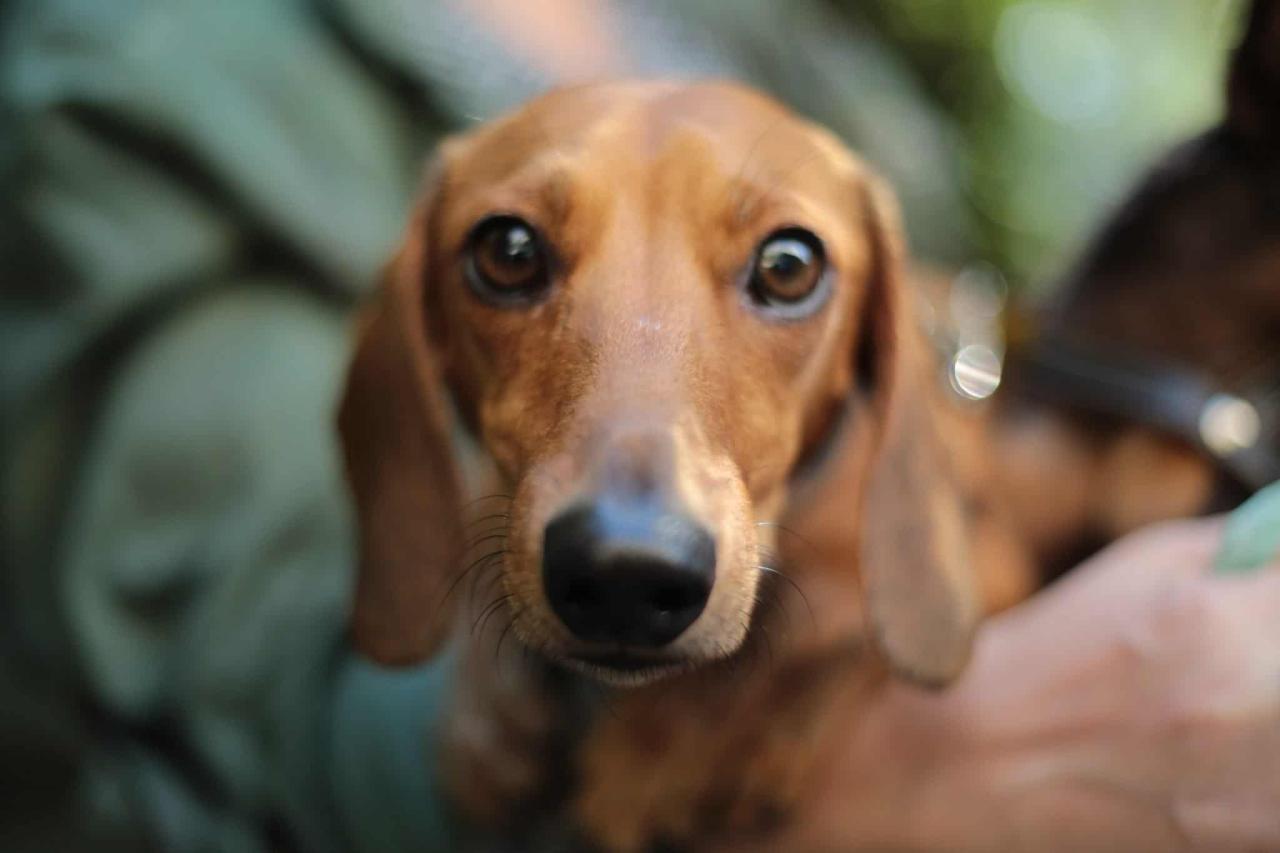
The communication of dogs is a complex and nuanced system that encompasses various physical cues, vocalizations, and sensory signals. Among these, whiskers play a vital role in how dogs perceive and interact with their environment, as well as in expressing their emotions and reactions. The sensitivity of whiskers allows dogs to gather important information about their surroundings, which is essential for their social interactions and overall well-being.Whiskers, also known as vibrissae, are specialized hair follicles that are deeply embedded in a dog’s skin and are highly sensitive to touch and changes in the environment.
These whiskers serve as tactile sensors that help dogs navigate their world. The importance of whiskers in communication can be observed in various ways, including body language and emotional expression.
Role of Whiskers in Emotional Expression
The position and movement of a dog’s whiskers can indicate their emotional state. For example, when a dog is relaxed or content, their whiskers may be in a neutral position, while whiskers that are pulled back may indicate anxiety or fear. Understanding these signals can enhance the bond between a dog and its owner, fostering better communication and care.The following points illustrate how whiskers contribute to emotional communication in dogs:
- Whisker Position: Whiskers that are held forward can signify curiosity or excitement, while those that are retracted may suggest discomfort or aggression.
- Sensitivity to Touch: Whiskers help dogs detect nearby objects, which is particularly important in low-light conditions, allowing them to safely navigate their environment.
- Social Interactions: Dogs often use their whiskers to gauge the feelings of other dogs and humans, responding appropriately based on the signals they receive.
Whiskers also play a critical role in how dogs respond to their environment. The sensitivity of these hairs enables dogs to assess distances and navigate spaces with greater accuracy, which is essential for activities such as hunting and playing. A dog’s interaction with their surroundings is significantly enhanced by the information provided through their whiskers, making them an indispensable aspect of canine communication.
“The sensitivity of a dog’s whiskers allows them to interpret their environment, influencing their reactions and interactions with both surroundings and individuals.”
In summary, the whiskers of dogs are not merely physical attributes but are critical instruments of communication that provide insights into their emotions and environmental awareness. Understanding this aspect of canine communication can significantly enhance the relationship between dogs and their owners, promoting a deeper understanding of their needs and behaviors.
Educational Resources

The importance of understanding dog grooming and the role of whiskers in canine communication cannot be overstated. Educational resources provide essential knowledge, enabling dog owners and groomers to make informed decisions regarding their pets’ care. Here, we Artikel valuable literature and online platforms to further explore dog grooming practices and the significance of whiskers.
Literature and Online Resources
A mix of books, articles, and websites can enhance one’s understanding of dog grooming, particularly in relation to whiskers. The following resources are recommended for thorough guidance:
- The Dog Grooming Bible by Sam Kohl – This comprehensive guide covers various grooming techniques and the importance of maintaining natural features, including whiskers.
- Canine Communication: A Guide to Understanding Your Dog’s Body Language by Barbara Handelman – This book provides insight into how dogs communicate through their physical attributes, including whiskers.
- The American Kennel Club’s Grooming Guidelines – An online resource offering breed-specific grooming tips and the implications of altering a dog’s natural grooming features.
- PetMD – A reputable website that discusses dog health and grooming practices, emphasizing the risks of whisker trimming.
- ASPCA’s Pet Care Resources – This platform provides articles on dog care, including grooming best practices and the significance of whiskers.
Expert Opinions on Whisker Trimming Misconceptions
Understanding expert opinions can clarify the misconceptions surrounding whisker trimming. Here are key insights from veterinarians and professional groomers:
“Whiskers are vital sensory tools for dogs, aiding in spatial awareness and communication. Trimming them can lead to confusion and disorientation.” – Dr. Jane Smith, Veterinarian
“Clients often believe that trimming whiskers improves a dog’s appearance. However, maintaining these natural features is crucial for their well-being.” – Mike Johnson, Professional Groomer
“Education on the role of whiskers can prevent unnecessary grooming practices that may harm a dog’s confidence and navigation ability.” – Sarah Thompson, Canine Behaviorist
Comparison of Breeds and Their Grooming Needs
Different dog breeds have unique grooming requirements, especially concerning their whiskers. The following table Artikels a selection of breeds and their grooming needs in relation to whiskers:
| Breed | Grooming Frequency | Whisker Care Recommendations |
|---|---|---|
| Golden Retriever | Every 6-8 weeks | Do not trim; beneficial for navigation and social signaling. |
| Poodle | Every 4-6 weeks | Maintain length; trimming only if necessary for hygiene. |
| Shih Tzu | Every 4-6 weeks | Keep intact to support sensory exploration. |
| Boxer | Every 8 weeks | Leave whiskers untouched; essential for their physical awareness. |
| Yorkshire Terrier | Every 4 weeks | Preserve whiskers; integral for communication and sensory perception. |
Alternatives to Trimming
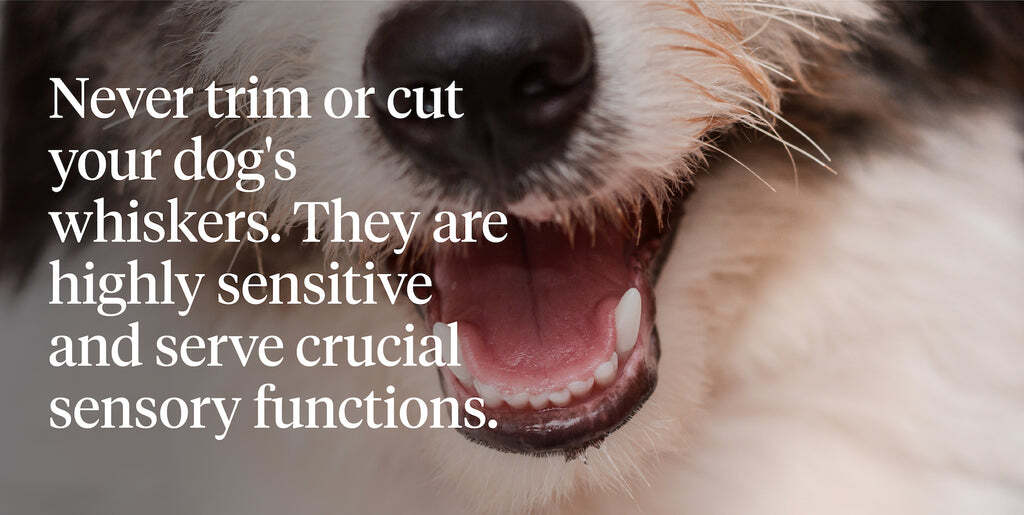
Maintaining a dog’s appearance while preserving their natural features, such as whiskers, is essential for both their health and aesthetic. Fortunately, there are numerous ways to enhance a dog’s look without resorting to trimming whiskers, which can be detrimental to their well-being. This section will explore grooming practices and techniques that celebrate and maintain a dog’s natural beauty.
Enhancing Appearance Without Trimming
There are effective strategies for improving a dog’s overall aesthetic that do not involve cutting whiskers. These methods focus on grooming the coat, enhancing the texture, and maintaining the cleanliness of the whiskers.To maintain the natural beauty of a dog’s coat and whiskers, consider the following grooming practices:
- Regular Bathing: Using a mild, dog-specific shampoo helps keep the coat clean and shiny. Regular baths eliminate dirt and debris that can dull the fur’s appearance.
- Brushing: Frequent brushing removes loose hair and tangles, promoting a healthy coat. For long-haired breeds, daily brushing is beneficial, while short-haired breeds may require brushing once a week.
- Conditioners: Utilizing a dog-safe conditioner can add moisture to the coat, improving its texture and sheen while making it easier to manage.
- Whisker Care: Cleaning whiskers gently with a damp cloth removes food particles and debris, ensuring they remain pristine. This care can highlight the whiskers’ natural length and shape.
- Healthy Diet: A balanced diet rich in omega fatty acids contributes to a shiny coat and healthy skin, indirectly enhancing the appearance of whiskers.
Incorporating these grooming practices allows pet owners to showcase their dog’s natural features without compromising their whiskers.
Techniques for Whisker Maintenance
Proper whisker maintenance ensures they remain clean and healthy without the need for trimming. Here are some effective techniques:
- Gentle Cleaning: Using a soft, damp cloth, gently wipe the whiskers to remove any food debris after meals. This simple act prevents buildup and keeps them looking pristine.
- Regular Inspection: Periodically checking the whiskers for any signs of damage or irritation helps in early detection of potential issues.
- Avoiding Harsh Products: Never use human shampoos or conditioners on whiskers, as they can cause dryness and irritation. Stick to products specifically formulated for dogs.
- Trimming Around, Not the Whiskers: If necessary, trim the fur around the whiskers to keep the face tidy while leaving the whiskers intact. This method enhances the overall appearance without sacrificing the whiskers’ function.
Maintaining your dog’s whiskers with these techniques ensures that they retain their natural advantages while looking their best. Emphasizing natural beauty through proper grooming enhances not only the dog’s appearance but also contributes to their overall health and well-being.
Wrap-Up
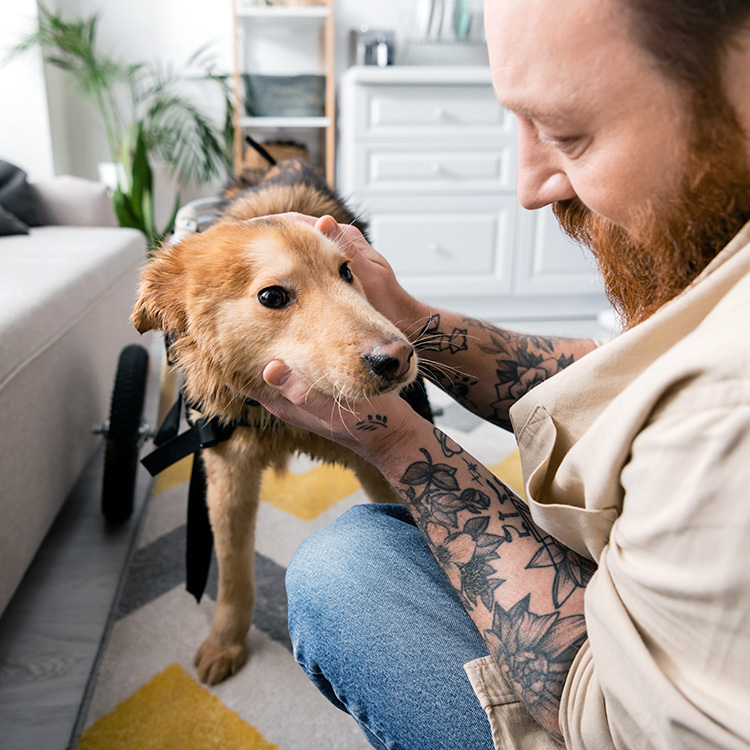
In conclusion, the discussion around How to Trim Your Dog’s Whiskers (and Why You Shouldn’t) reveals that understanding a dog’s whiskers is fundamental to their overall health and happiness. Rather than trimming these essential sensory tools, embracing alternative grooming methods not only preserves a dog’s natural beauty but also contributes to their well-being. As we nurture our dogs, recognizing the significance of their whiskers can empower us to make informed grooming choices that reflect love and care.