How to Trim Your Dog’s Nails Without Causing Fear serves as an essential guide for dog owners seeking to maintain their pets’ nail health while ensuring a stress-free experience. Understanding the anatomy of dog nails and the importance of the quick is crucial to effectively trimming without causing any pain or anxiety. This comprehensive approach offers practical tips and techniques that not only safeguard your dog’s well-being but also foster a trusting relationship between you and your furry companion.
Throughout this guide, you will discover various methods to prepare your dog for nail trimming, including creating a calm environment and utilizing positive reinforcement strategies. Additionally, we will delve into recognizing signs of fear in dogs and provide helpful post-trimming care tips to ensure that your pet feels comfortable and secure after the procedure.
Understanding Dog Nail Anatomy
Dog nails are more than just a protective layer for their paws; they play an essential role in their overall health and mobility. Understanding the anatomy of a dog’s nail is crucial for effective trimming and ensuring the comfort of your pet. This knowledge not only helps in preventing injuries but also alleviates fear associated with nail trimming.The structure of a dog’s nail consists of several key components, primarily the hard outer shell known as the claw, the main body of the nail, and the quick.
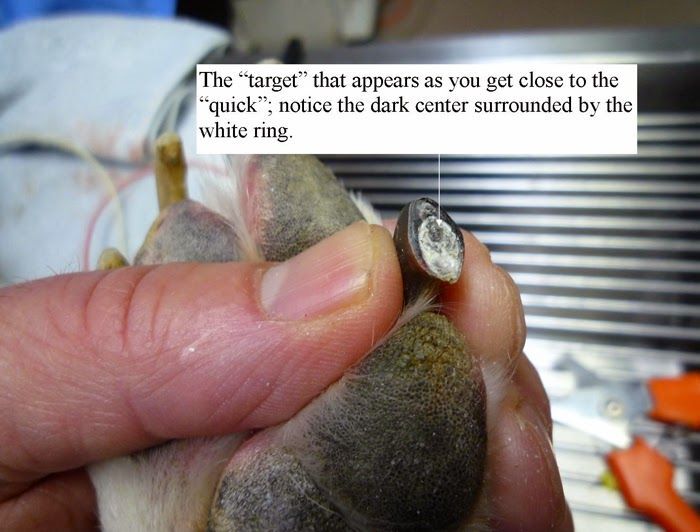
The claw is composed of keratin, a strong protein that provides durability. Beneath the claw lies the quick, a sensitive area containing blood vessels and nerves. Trimming a nail too short and cutting into the quick can cause pain and bleeding, making it critical to understand its location during the grooming process. Furthermore, different breeds may exhibit varying nail types, affecting their trimming needs.
Components of a Dog’s Nail
The anatomy of a dog’s nail can be broken down into the following components, each serving an important function:
- Claw: The visible, hard outer layer that protects the sensitive quick and aids in digging, gripping, and traction.
- Quick: The inner part of the nail, rich in blood vessels and nerves, which is vital for nail health. It extends from the nail bed into the claw and can be painful if cut.
- Nail Bed: The skin under the nail that supports the nail and provides nutrients; damaged nail beds can lead to infections.
Understanding the significance of the quick is paramount for safe nail trimming. The quick is not only sensitive but also varies in length depending on the dog’s age, breed, and nail type. For dogs with dark nails, the quick may be challenging to locate, making it essential to trim gradually to avoid causing distress.
Common Nail Types Among Different Dog Breeds
Dog breeds exhibit a variety of nail types, which can influence how often they need trimming and the techniques used during the process. Here are some common nail types categorized by breed:
- Short, Hard Nails: Breeds like Boxers and German Shepherds typically have strong, short nails that require less frequent trimming.
- Longer, Softer Nails: Breeds such as Dachshunds and Bulldogs often have softer nails that may require more regular maintenance to prevent splitting.
- Color Variations: Breeds like Labrador Retrievers may have nails that are lighter in color, making it easier to see the quick compared to those with darker nails, such as Rottweilers.
Understanding the specific nail types of your dog breed can aid in establishing an effective nail care routine, thereby preventing pain and fear during trimming sessions. Regular observation and maintenance are key factors in promoting healthy nails.
Preparing Your Dog for Nail Trimming
Preparing your dog for nail trimming is a crucial step that can significantly reduce anxiety and fear associated with the process. By taking the time to acclimate your dog to the sounds and sensations of nail trimming, you can create a more positive experience for both you and your furry friend. This preparation not only fosters trust but also makes the entire procedure smoother and less stressful.Creating a calm environment is essential when preparing your dog for nail trimming.
A serene atmosphere helps to soothe your pet and allows them to feel secure. It is important to choose a quiet space free from distractions, where your dog can relax prior to the trimming session. Engaging in light, calming activities such as gentle petting or soft spoken words will further enhance their comfort level.
Methods to Acclimate Your Dog to Nail Trimming
Acclimating your dog to nail trimming involves gradually introducing them to the tools and sensations associated with the process. Start by allowing your dog to sniff and explore the nail clippers or grinder in a non-threatening manner. Gradually introduce the sound of the clippers or grinder by gently squeezing them near your dog without actually using them on the nails initially.
Here are some effective methods to help your dog adjust:
- Positive Reinforcement: Use treats and praise during the process to create a positive association with nail trimming. Reward your dog each time they remain calm during the introduction of tools.
- Desensitization: Gradually desensitize your dog to having their paws handled. Begin by gently touching their paws and gradually increasing the duration as they become more comfortable.
- Practice Sessions: Conduct brief practice sessions where you imitate the nail trimming process without actually trimming the nails. This helps them get used to the routine.
Creating a Calm Environment
A calm environment plays an integral role in reducing your dog’s anxiety levels during nail trimming. Here are some strategies to establish a soothing atmosphere:
- Choose a Quiet Location: Select a familiar spot where your dog feels secure, away from loud noises or interruptions.
- Soft Music: Playing soft, soothing music can help relax your dog and mask any jarring sounds associated with the nail trimming process.
- Comfort Items: Providing your dog with a favorite blanket or toy can create a sense of comfort and familiarity, helping them to feel more at ease.
Checklist of Tools Needed for Successful Nail Trimming
Having the right tools at your disposal is essential for an effective nail trimming session. Proper equipment not only enhances the safety and accuracy of the trimming process but also contributes to a smoother experience. Here is a checklist of necessary tools:
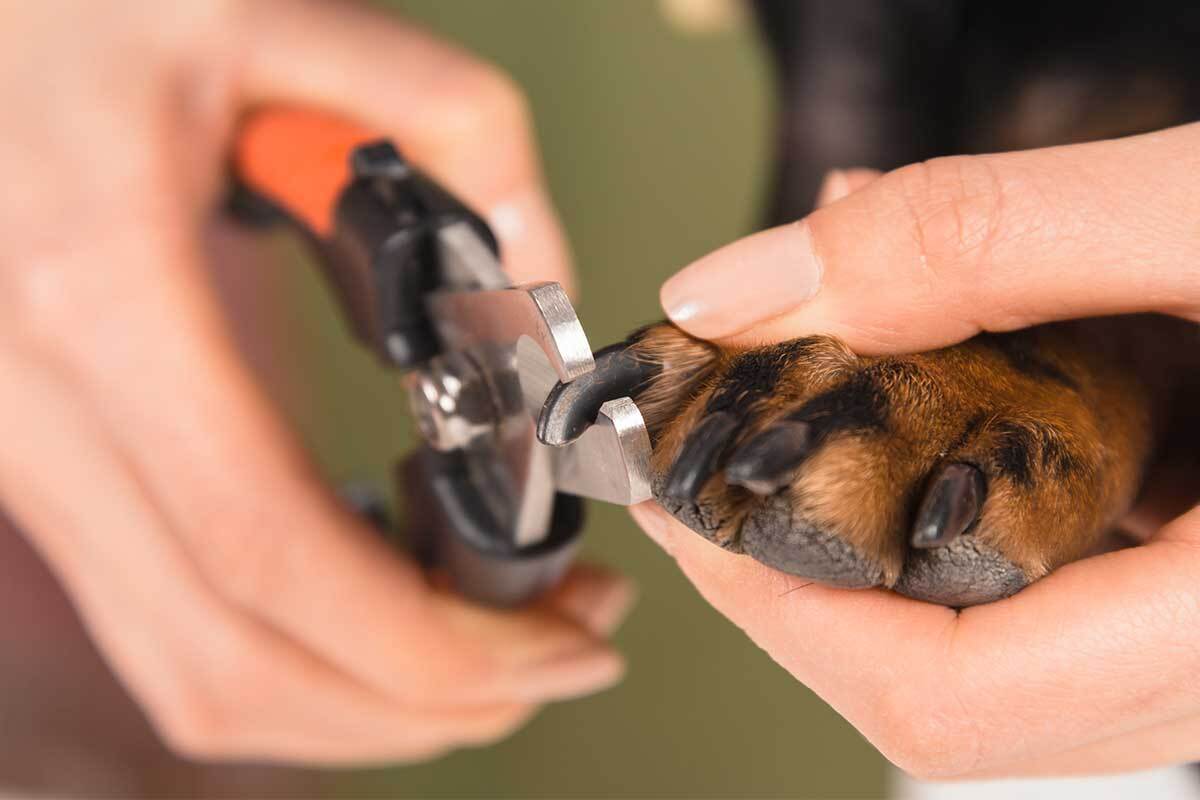
- Nail Clippers: Choose between guillotine-style or electric clippers based on what feels comfortable for you and your dog.
- Nail File or Grinder: For smoothing out any sharp edges post-trimming, a nail file or grinder is beneficial.
- Styptic Powder: In case of minor bleeding, styptic powder can help stop the bleeding quickly.
- Treats: Have plenty of treats on hand to reward your dog throughout the process.
- Leash and Collar: A comfortable leash and collar will help to keep your dog secure during the trimming session.
“Preparation is key to ensure that your dog has a positive experience during nail trimming.”
Techniques for Fear-Free Nail Trimming
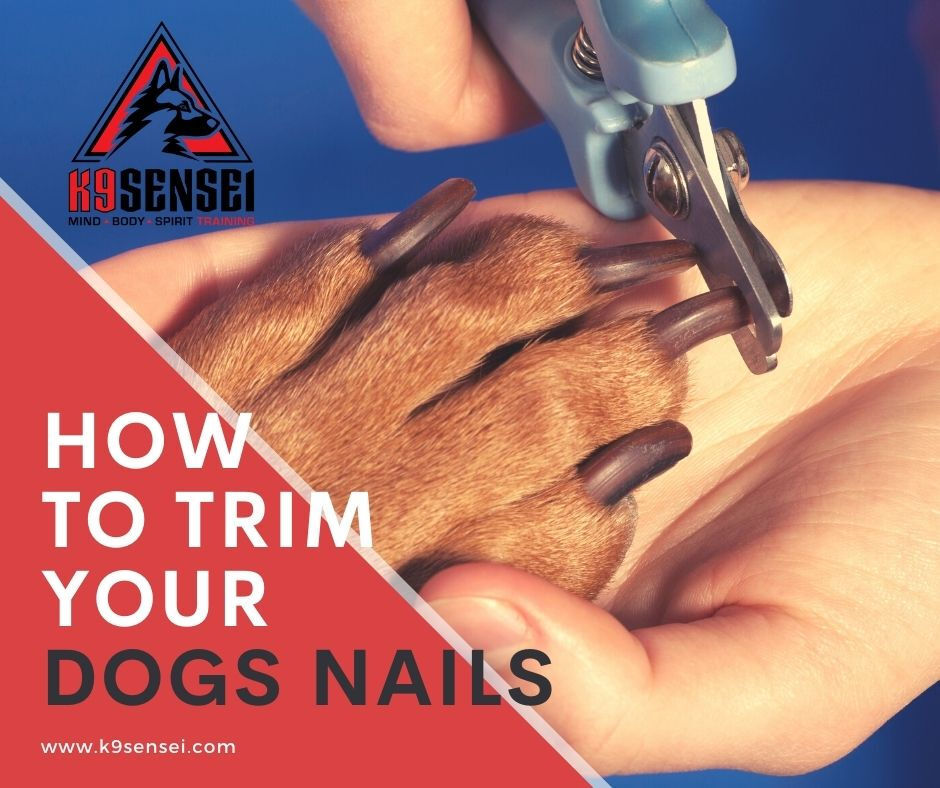
Nail trimming can often be a source of anxiety for both dogs and their owners. Implementing techniques that promote a calm and positive environment during the process is essential for achieving a successful trim without causing fear. Utilizing fear-free strategies not only helps dogs feel more comfortable but can also strengthen the bond between pet and owner.Positive reinforcement plays a crucial role in creating a stress-free nail trimming experience.
By rewarding your dog with praise, treats, or gentle petting during and after the trimming process, you can create a positive association with the activity. This encourages your dog to remain calm and cooperative, as they learn to anticipate rewards rather than fear the process.
Positive Reinforcement during Nail Trimming
Establishing a routine that includes positive reinforcement can dramatically reduce a dog’s fear of nail trimming. Consider the following methods to effectively implement this approach:
- Start by introducing your dog to the nail clippers or grinder without trimming. Allow your dog to sniff and explore the tools while offering treats and praise.
- Once your dog is comfortable with the tools, gently handle their paws and reward them for remaining calm. This can be done several times over a few days to build confidence.
- During the actual trimming, reward your dog after each nail is trimmed, gradually increasing the number of nails trimmed with each session as your dog becomes more accustomed to the process.
Building a positive routine not only alleviates anxiety but also encourages your dog to trust you during the nail trimming process.
Trimming in Stages to Reduce Anxiety
Breaking down the nail trimming process into manageable stages can significantly reduce a dog’s anxiety. This method allows dogs to acclimate to each step without feeling overwhelmed. Here are the recommended stages:
- Step 1: Familiarization – Allow your dog to get used to being handled, focusing on their paws and nails. This may take a few sessions to ensure comfort.
- Step 2: Tool Introduction – Present the nail clippers or grinder while offering treats. Make sure your dog associates the tools with positive experiences.
- Step 3: Partial Trimming – Start by trimming just one or two nails per session, rewarding your dog after each successful trim.
- Step 4: Gradual Increase – As your dog adjusts, gradually increase the number of nails trimmed in each session, always providing ample positive reinforcement.
This staged approach minimizes stress and helps your dog become accustomed to the nail trimming process.
Comparison of Nail Trimming Techniques
Choosing between clippers and grinders for nail trimming can influence the comfort level of both the dog and the owner. Each tool has its unique advantages and disadvantages that can affect the experience.
| Tool Type | Advantages | Disadvantages |
|---|---|---|
| Clippers |
|
|
| Grinders |
|
|
In summary, selecting the right tool and technique for nail trimming can significantly impact the experience for your dog. The key is to prioritize their comfort and employ fear-free methods throughout the trimming process.
Recognizing Signs of Fear in Dogs
Understanding the signs of fear in dogs is crucial for a successful and compassionate nail trimming experience. Recognizing both behavioral and physiological responses can help pet owners and groomers respond appropriately to a fearful dog. This awareness can significantly reduce anxiety for both the dog and the handler, fostering a more positive interaction during nail trimming sessions.
Behavioral Signs of Fear
Identifying behavioral signs is the first step in recognizing a dog’s fear. Dogs communicate their feelings through various actions and postures, which often indicate discomfort or anxiety. Some common signs to watch for include:
- Tucked Tail: A tail that is tucked between the legs often signifies fear or submission.
- Whining or Whimpering: Vocalizations can indicate distress, especially if the dog is usually quiet.
- Avoidance Behavior: Dogs may try to escape or move away when they sense that nail trimming is about to occur.
- Body Freezing: A dog that suddenly becomes stiff may be experiencing fear, as they may feel threatened.
- Excessive Licking or Chewing: Repetitive actions such as licking their lips or chewing on their paws can indicate anxiety.
Understanding these signs allows owners to reassess the situation and employ techniques to comfort the dog, thereby creating a calmer environment.
Physiological Responses to Distress
In addition to behavioral signs, dogs exhibit various physiological responses when they are fearful. These responses can be subtle or pronounced and include:
- Increased Heart Rate: A rapid heartbeat can occur when a dog is scared, which can be felt if you place your hand on their chest.
- Panting: Dogs may pant even when they are not hot, indicating stress or fear.
- Dilated Pupils: Enlarged pupils can signify that a dog is in a heightened state of arousal or fear.
- Excessive Salivation: Fear can lead to increased saliva production, which may be noticed as drooling.
Being aware of these physiological changes provides a clearer insight into a dog’s emotional state, allowing for timely interventions.
Strategies to Mitigate Fear-Based Reactions
To effectively address fear-based reactions during nail trimming, several strategies can be implemented to create a more positive experience for the dog:
- Gradual Desensitization: Slowly introducing the dog to the nail trimming process can help them become accustomed to the tools and sounds involved.
- Positive Reinforcement: Rewarding the dog with treats or praise for calm behavior can help them associate nail trimming with positive outcomes.
- Creating a Safe Space: Ensuring that the dog feels secure in their environment can reduce anxiety. This may include using mats or blankets that are familiar to the dog.
- Frequent Breaks: Allowing the dog to take breaks during the trimming process can help alleviate stress and prevent overwhelming feelings.
Implementing these strategies not only aids in minimizing fear but also enhances the overall experience for both the dog and the handler, leading to a more successful nail trimming session.
Post-Trimming Care and Comfort

After successfully trimming your dog’s nails, it is crucial to provide appropriate post-trimming care to ensure your pet feels secure and comfortable. This phase not only reinforces positive behavior but also helps in monitoring their well-being following the procedure. Taking the right steps during this period can enhance your dog’s overall experience and make future nail trimming less stressful.
Rewarding Your Dog After a Successful Nail Trim
Rewarding your dog after a nail trim is essential for fostering a positive association with the experience. This can encourage good behavior during future trims. Consider the following ways to reward your dog:
- Treats: Offer high-value treats immediately after the trimming session. This could be their favorite snack or a specially formulated reward treat.
- Praise: Use verbal praise and affectionate petting to convey your approval. A happy tone can enhance their sense of achievement.
- Playtime: Engage in a fun play session with your dog after the trim. This not only rewards them but also helps dissipate any lingering anxiety.
Monitoring for Nail-Related Issues Post-Trimming
It is important to monitor your dog’s nails and paws after trimming to ensure there are no adverse effects or complications. Keeping an eye out for any signs of discomfort or issues can help address problems early on. Key points to consider include:
- Check for Bleeding: If you accidentally cut the nail too short and it bleeds, apply a styptic powder or cornstarch.
- Observe for Limping: Watch for limping or favoring a paw, which may indicate discomfort from improper trimming.
- Inspect for Cracks or Splits: Regularly check the nails for any signs of cracking, splitting, or abnormal growth.
Calming Techniques for Anxious Dogs
If your dog appears anxious after a nail trimming session, employing calming techniques can help ease their nerves. These methods can promote relaxation and reduce stress:
- Quiet Environment: Create a calm space with minimal noise and distractions, allowing your dog to settle down.
- Gentle Massage: A gentle paw or body massage can help soothe anxiety and promote relaxation.
- Aromatherapy: Use calming scents such as lavender in the environment, which may help reduce anxiety levels.
“Creating a safe and positive post-trimming experience is key to helping your dog feel secure and comfortable.”
Seeking Professional Help
When it comes to trimming your dog’s nails, there may be instances where seeking professional help is the best option. Whether your dog is particularly fearful or you feel uncomfortable performing the task, professional groomers and veterinarians can provide an alternative that ensures your pet’s safety and comfort. Understanding when to consider these services and how to choose the right professional can make a significant difference in your dog’s grooming experience.In certain situations, it may be beneficial to utilize professional grooming services for nail trimming.
Dogs that exhibit severe fear or anxiety during the nail trimming process may require the skills of a trained professional who can handle them with care and expertise. Additionally, if your dog has had negative experiences with nail trimming in the past, a professional can help rebuild their trust.
Benefits of Seeking Veterinary Assistance for Fearful Dogs
For dogs that are particularly anxious or fearful, veterinary assistance can provide a safe environment with trained staff who understand how to address these issues. The benefits include:
- Trained Staff: Veterinary staff are knowledgeable about canine behavior and can easily recognize and address signs of anxiety.
- Calm Environment: The clinic setting is often less distracting than a home environment, allowing for a more focused approach.
- Access to Sedation: In extreme cases, veterinarians can offer sedation to ensure that the nail trimming process is stress-free for both the dog and the groomer.
- Comprehensive Care: A veterinarian can check for any underlying health issues that may be causing discomfort during nail trimming.
Choosing a Professional Groomer That Prioritizes a Fear-Free Approach
Selecting the right professional groomer is essential for a positive nail trimming experience. Look for groomers who emphasize a fear-free philosophy in their practice. Here are some suggestions for finding such a groomer:
- Research Credentials: Ensure that the groomer is certified and has received training in fear-free handling techniques.
- Visit the Facility: A clean, well-organized grooming salon that prioritizes animal welfare is a good indicator of a professional and caring environment.
- Ask for Recommendations: Seek out reviews or testimonials from other pet owners regarding their experiences with local groomers.
- Inquire About Techniques: Ask potential groomers about their methods for calming fearful dogs and what strategies they employ to make the process less stressful.
“Choosing a groomer who understands canine behavior is crucial in fostering a positive grooming experience for your dog.”
By considering these factors when seeking professional help, you can ensure that your dog’s nail trimming process is as comfortable and stress-free as possible, improving their overall grooming experience.
Concluding Remarks
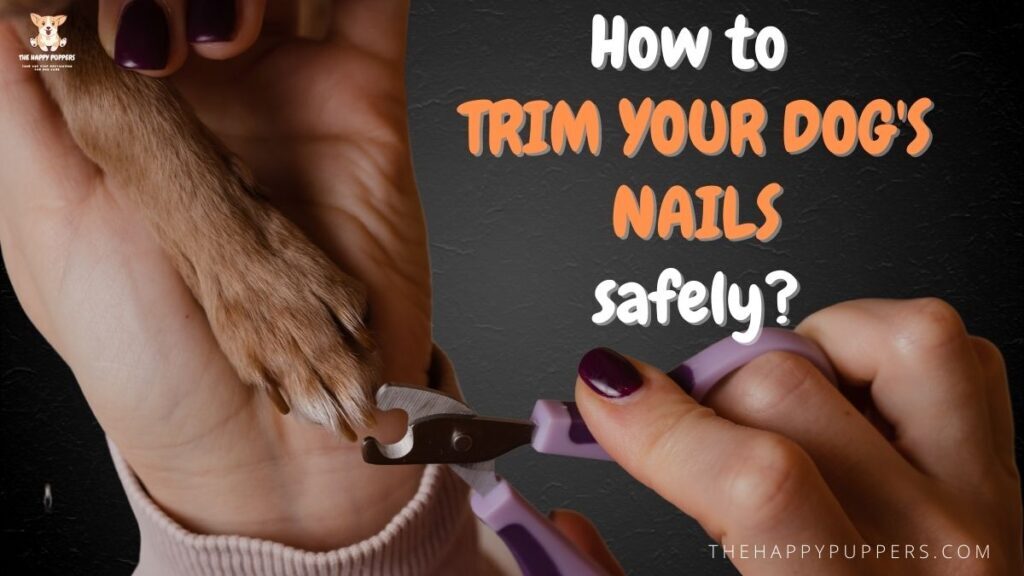
In summary, trimming your dog’s nails does not have to be a daunting task for either you or your pet. With the right tools, techniques, and a gentle approach, you can make this necessary grooming chore a positive experience. Remember, if the process becomes overwhelming, seeking professional help is always a viable option. By prioritizing your dog’s comfort and well-being, you foster a trusting bond that extends beyond nail trimming and into every aspect of your relationship.