How to Trim Black Dog Nails Confidently opens the door to a crucial aspect of pet care that many dog owners may overlook. Caring for your dog’s nails is not just about aesthetics; it plays a significant role in their overall health and well-being. Regular nail trimming prevents painful overgrowth, protects your home, and enhances your dog’s comfort during activities.
In this guide, we will delve into the importance of nail trimming, essential tools, and effective techniques to ensure a positive experience for both you and your pet. By understanding these elements, you will gain confidence and expertise in maintaining your black dog’s nails with ease.
Understanding the Importance of Nail Trimming
Regular nail trimming is an essential aspect of dog grooming that often goes overlooked by many pet owners. Maintaining appropriate nail length contributes significantly to a dog’s overall health and well-being. Neglecting this routine can lead to serious health issues, affecting not only the dog’s feet but also their posture and mobility.Overgrown nails can cause a multitude of problems for dogs.
They can lead to painful conditions such as nail bed infections, difficulty walking, and even joint issues due to improper weight distribution. Regular trimming helps to avoid these issues and promotes a healthy lifestyle for your pet. The frequency of nail trimming should be adapted based on a dog’s activity levels, as more active dogs often wear down their nails naturally, while less active dogs may require more frequent trims.
Health Benefits of Regular Nail Trimming
Maintaining your dog’s nails at an appropriate length provides several health benefits that contribute to their overall quality of life. These benefits include:
- Prevention of Painful Conditions: Regular trimming prevents nails from becoming too long, which can cause discomfort or pain while walking.
- Reduction of Nail Breakage: Shorter nails are less likely to break or split, reducing the risk of injury to the dog and infection.
- Enhanced Mobility: Properly trimmed nails promote better movement and stability, allowing dogs to walk, run, and play without discomfort.
- Improved Foot Health: Regular trimming prevents the accumulation of dirt and bacteria in the nail bed, lowering the risk of infections and other complications.
Risks Associated with Overgrown Nails
Overgrown nails can lead to various complications that may severely impact a dog’s health. The primary risks include:
- Injury to the Nail Bed: Long nails can become snagged on surfaces, leading to painful injuries that may require veterinary intervention.
- Joint and Bone Problems: When nails are too long, they can alter a dog’s natural gait, resulting in joint stress and long-term orthopedic issues.
- Infections: Overgrown nails are more susceptible to cracking and breaking, which can expose the nail bed to bacteria and result in infections.
- Behavioral Changes: Pain from long nails may lead to changes in behavior, including reluctance to walk or play, impacting a dog’s quality of life.
Trimming Frequency Based on Activity Levels
Determining the appropriate frequency for nail trimming can depend on a dog’s activity level. Active dogs often have shorter nails due to natural wear, while sedentary dogs may require more regular attention. Recommendations for trimming frequency include:
- Highly Active Dogs: For dogs that engage in frequent outdoor activities, trims every 4-6 weeks are typically sufficient.
- Moderately Active Dogs: Dogs with a balanced mix of indoor and outdoor time may need trimming every 6-8 weeks.
- Less Active Dogs: For dogs that primarily stay indoors or have limited exercise, trimming every 3-4 weeks may be necessary to prevent overgrowth.
By understanding the importance of regular nail trimming, dog owners can significantly enhance their pet’s health and comfort, ensuring they lead happy, active lives.
Tools Required for Nail Trimming
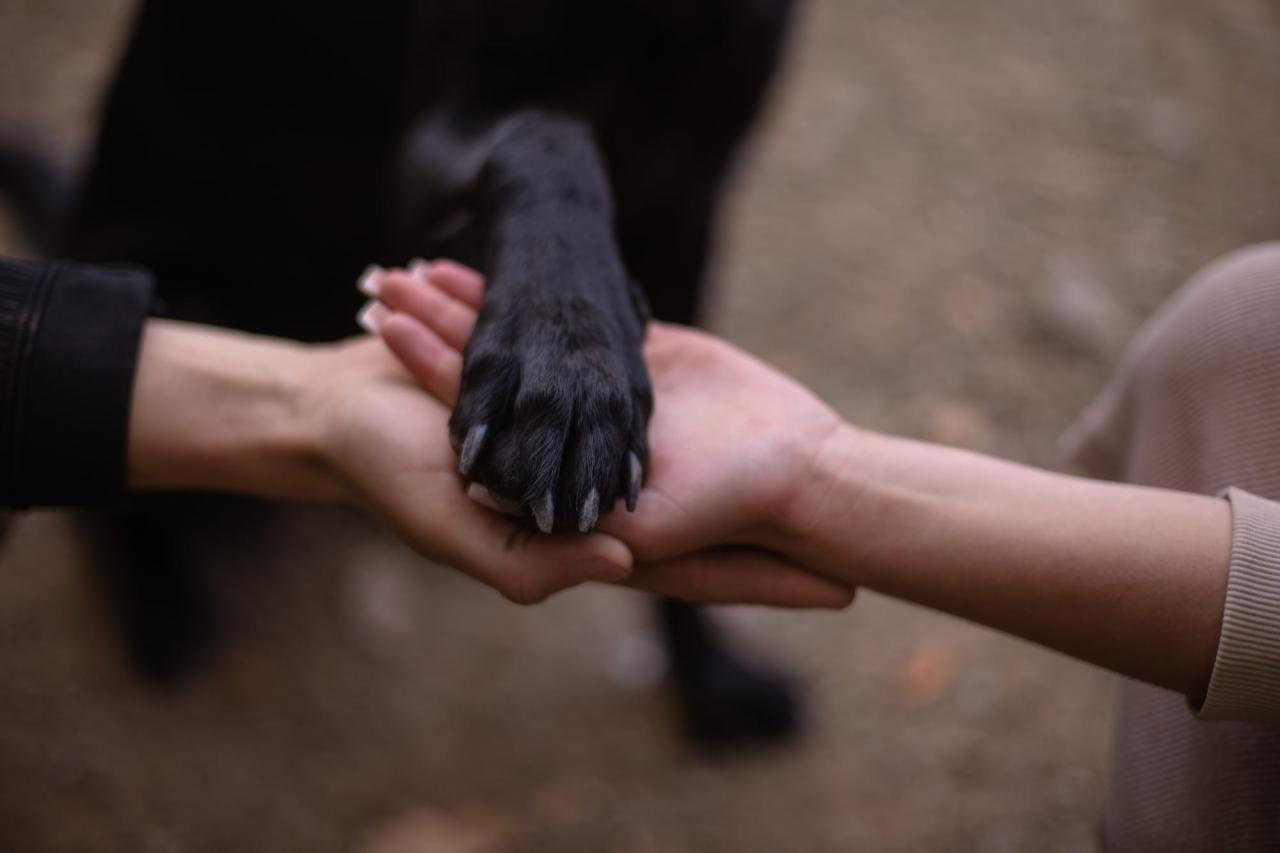
Trimming your black dog’s nails is an essential part of grooming that requires the right tools to ensure safety and effectiveness. Using the correct equipment can make the process smoother and more comfortable for both you and your pet. Below are the essential tools needed for nail trimming, along with a detailed comparison of the various types of nail clippers available.
Essential Tools for Nail Trimming
To achieve the best results while trimming your dog’s nails, the following tools are indispensable:
- Nail Clippers: These are the primary tools used for cutting nails. They come in various designs, including scissor-type, guillotine-type, and electric nail clippers.
- Nail File or Grinder: After clipping, a nail file or grinder is important for smoothing the edges of the nails to prevent snags and discomfort.
- Styptic Powder: This is used to stop bleeding if you accidentally cut into the quick of the nail.
- Dog Treats: While not a trimming tool, treats are useful for rewarding your dog and making the experience more positive.
- Digital Nail File (optional): This tool offers a gentle grinding method that can be less stressful for some dogs compared to traditional clippers.
Comparison of Different Types of Nail Clippers
Understanding the differences between nail clippers can help you select the best option for your black dog’s grooming needs. Each type offers unique benefits and considerations:
| Type of Nail Clipper | Description | Benefits | Considerations |
|---|---|---|---|
| Scissor-Type Clippers | Resembling a pair of scissors, these clippers offer precise cutting. | Ideal for larger breeds; offers control and versatility. | Can be intimidating for some dogs; requires a steady hand. |
| Guillotine-Type Clippers | This type features a circular blade that cuts the nail when the handle is squeezed. | Great for small to medium-sized dogs; easy to use. | May require more force; not suitable for very thick nails. |
| Electric Nail Grinders | These battery-operated tools gently grind the nail down. | Less risk of cutting into the quick; the smooth finish is comfortable for dogs. | Noise and vibration may scare some dogs; requires charging. |
Importance of Having a Nail File or Grinder
A nail file or grinder is an essential finishing tool in the nail trimming process. After clipping, it helps to smooth out any rough edges, reducing the risk of snagging or injury to your dog.
“Finishing touches with a nail file or grinder can prevent discomfort for your pet and promote healthier nails.”
Using these tools effectively not only contributes to your dog’s comfort but also enhances the overall appearance of their nails. Regular trimming and filing can prevent issues such as painful splitting, cracking, or overgrowth, which are common problems in black dogs with thick nails. Ensuring you have the right tools can lead to a more enjoyable grooming experience for both you and your furry companion.
Preparing Your Dog for Nail Trimming
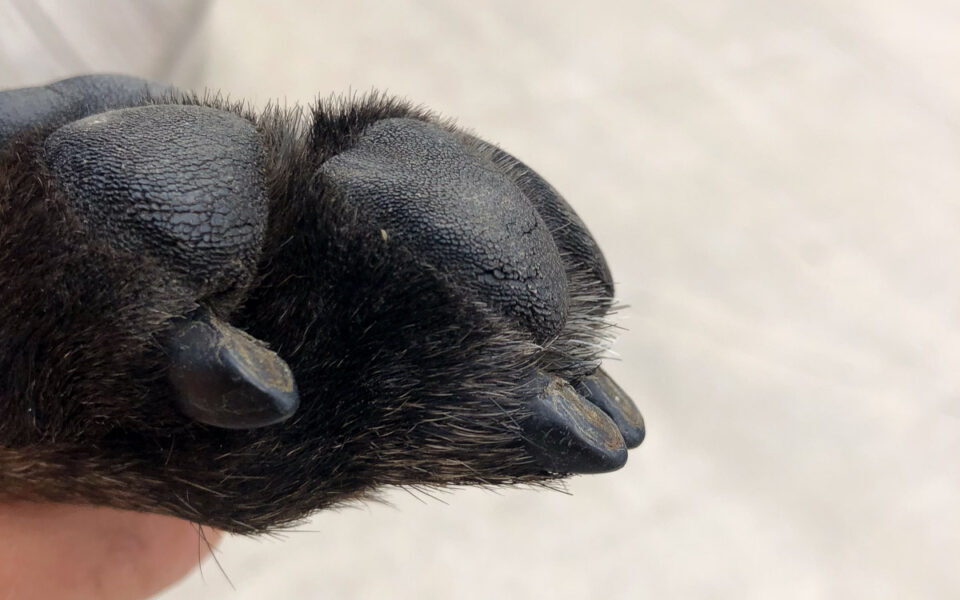
To ensure a smooth and stress-free nail trimming experience for your black dog, it is essential to prepare them adequately. This preparation involves gradually acclimating your dog to the process, creating a calm environment, and incorporating positive reinforcement strategies. By following these steps, you can help your dog feel more comfortable and confident during nail trimming sessions.Creating a calm environment is crucial for the nail trimming process.
Choose a quiet space in your home where distractions are minimal. It is advisable to trim your dog’s nails during a time when they are relaxed, such as after a walk or play session. This timing helps them associate nail trimming with relaxation rather than stress. Additionally, consider using a non-slip surface, like a mat or towel, to provide stability while trimming.
Steps to Acclimate Your Dog to Nail Trimming
Acclimating your dog to nail trimming requires patience and consistency. The following steps can help ease your dog into the process:
- Familiarization: Begin by gently touching and holding your dog’s paws regularly. This practice helps them get used to having their feet handled.
- Introduce the Tools: Let your dog sniff and investigate the nail clippers or grinder before using them. This exposure demystifies the tools and reduces anxiety.
- Short Sessions: Start with brief sessions, just a few minutes long. Gradually increase the duration as your dog becomes more comfortable with the process.
- Practice without Trimming: Pretend to trim the nails without actually cutting them. This simulation helps your dog associate the action with a non-threatening experience.
- Positive Association: After each successful session, reward your dog with treats or praise. This positive reinforcement encourages good behavior and helps to build their confidence.
The significance of positive reinforcement cannot be overstated. By rewarding your dog with treats, verbal praise, or affection during and after the nail trimming process, you create a positive association with the experience. This strategy not only alleviates anxiety but also fosters a trusting bond between you and your pet. Over time, your dog will likely look forward to the nail trimming process, making it a more enjoyable experience for both of you.
“A calm dog leads to a successful nail trimming experience.”
Step-by-Step Nail Trimming Procedure
Nail trimming is an essential aspect of dog care, contributing to your pet’s overall health and comfort. Understanding the correct procedure can make this task easier and less stressful for both you and your dog.Demonstrating the correct way to hold your dog during the nail trimming process is crucial for ensuring a safe and effective experience. The key is to create a calm environment and to use the appropriate techniques to keep your dog stable and secure.
Begin by positioning your dog in a comfortable space, preferably where they feel at ease.
Holding Your Dog for Nail Trimming
To successfully hold your dog for nail trimming, follow these guidelines:
1. Choose the Right Position
For smaller dogs, it may be easiest to hold them in your lap or on a sturdy surface. Larger dogs can be best managed on the floor with you kneeling beside them.
2. Use a Gentle Grip
Hold the dog’s paw firmly but gently. Avoid squeezing as this can cause stress or discomfort.
3. Calm Your Dog
Speak softly to your dog during the process, reassuring them with a soothing tone. Offering treats can also help create a positive association with the activity.
Step-by-Step Guide to Nail Trimming
The following steps Artikel a safe and effective method for trimming your dog’s nails:
1. Gather Your Tools
Ensure you have the appropriate nail clippers, a file or grinder, and styptic powder on hand for emergencies.
2. Familiarize Your Dog with the Tools
Before starting, let your dog sniff the clippers. This helps reduce anxiety.
3. Inspect the Nails
Look for any dirt or debris around the nail area.
4. Position the Paw
Hold the paw securely, extending the nail for visibility.
5. Identify the Quick
The quick is the pink area inside the nail that contains blood vessels and nerves. Avoid cutting this area to prevent pain and bleeding.
6. Trim with Care
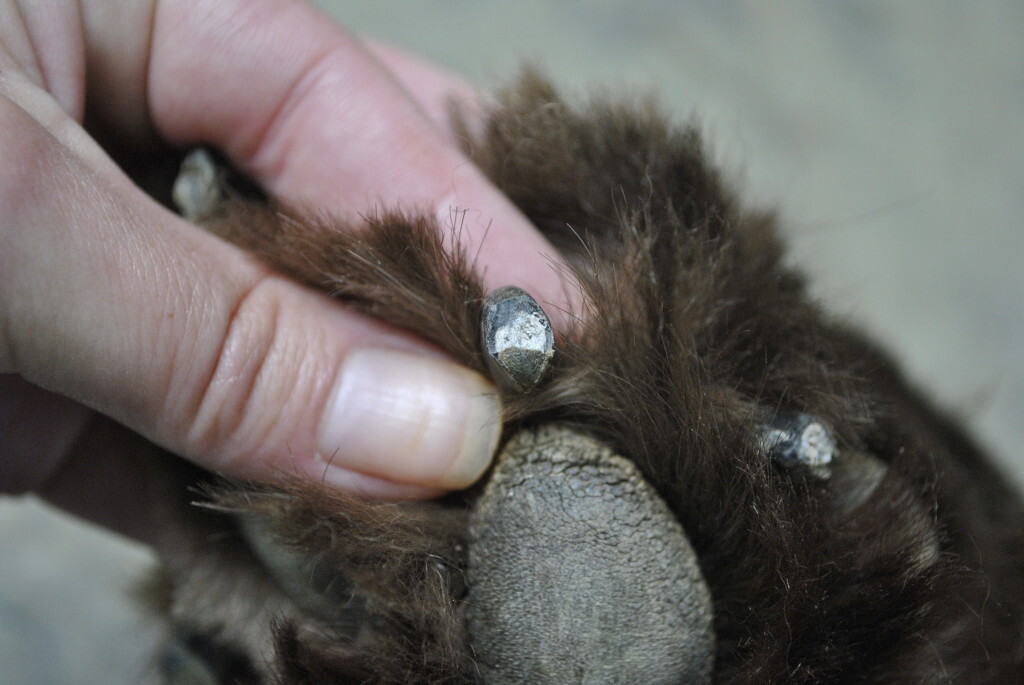
Cut small sections of the nail at a time, starting with the tips. If your dog has dark nails, be cautious and cut only a small portion, checking for any signs of the quick.
7. Smooth the Edges
After trimming, use a nail file or grinder to smooth any sharp edges, ensuring comfort for your dog.
8. Reward Your Dog
After completing the trimming, provide praise and treats to reinforce positive behavior.
Identifying the Quick and Avoiding Cuts
Recognizing the quick is essential to avoid painful accidents during nail trimming. Here are techniques to assist in this process:
Observe Nail Color
In light-colored nails, the pink quick is visible, making it easier to avoid. For dark nails, be especially cautious.
Know the Nail Structure
The quick extends to a certain point on the nail. Trim gradually to observe if the nail turns a lighter color, indicating the proximity of the quick.
Use Proper Lighting
Ensure you have good lighting to see the nail clearly, especially when working with darker nails.By following these steps and techniques, you can confidently trim your black dog’s nails safely and efficiently.
Dealing with Resistance and Fear
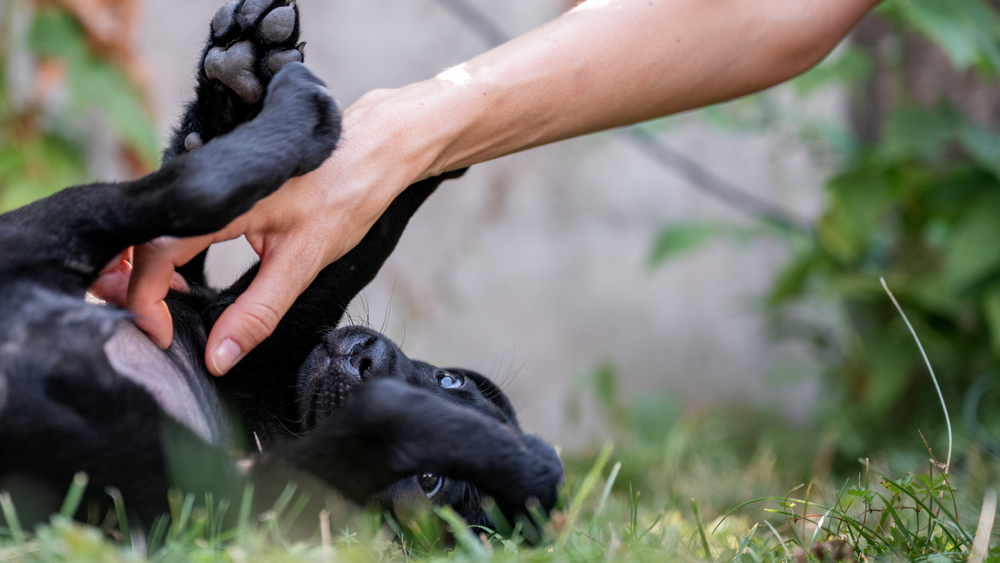
Nail trimming can be a source of anxiety for many dogs, particularly for those with previous negative experiences. Understanding and addressing the signs of fear and resistance is crucial for ensuring a safe and stress-free grooming process. Recognizing these signs allows owners to implement effective strategies to calm their pets and foster a more positive environment during nail trimming sessions.Common signs of fear or resistance in dogs during nail trimming include panting, trembling, growling, or attempting to escape.
These behaviors indicate that the dog is uncomfortable and may require reassurance. To help calm an anxious dog before and during the trim, certain strategies can be beneficial.
Signs of Fear and Resistance
Identifying the subtle indicators of discomfort in dogs is essential for a successful nail trimming experience. The following behaviors are commonly exhibited by fearful or resistant dogs:
- Vocalizations such as whining or barking
- Physical withdrawal, such as backing away or tucking the tail
- Excessive licking of the lips or yawning
- Attempting to escape or hide
- Stiff body posture or raised hackles
Recognizing these signs early allows owners to take appropriate measures to alleviate their dog’s anxiety.
Calming Strategies for Anxious Dogs
Implementing calming strategies can significantly reduce a dog’s fear during nail trimming. Here are several effective methods:
- Establish a routine: Consistent grooming schedules help dogs become accustomed to the process.
- Use calming aids: Consider natural remedies such as pheromone sprays or calming collars to help soothe your dog.
- Engage in positive reinforcement: Reward your dog with treats or praise during and after the trim to create a positive association.
- Practice desensitization: Gradually expose your dog to the nail clippers without actually trimming their nails initially.
These strategies not only calm the dog but also build trust between the owner and pet.
Desensitization to Nail Trimming
Desensitization is an effective way to help dogs overcome their fear of nail trimming. This process involves gradually introducing the dog to the trimming experience in a controlled manner. The steps to desensitize a dog include:
- Familiarization: Allow the dog to sniff and investigate the nail clippers without any pressure to undergo trimming.
- Touch and handling: Gradually touch the dog’s paws and nails, rewarding them for remaining calm.
- Simulated trimming: Mimic the action of trimming with the clippers close to the nails without actually clipping.
- Partial trimming: Once the dog is comfortable, start by trimming just one nail and rewarding the dog afterward.
- Incremental progress: Gradually increase the number of nails trimmed in each session, ensuring plenty of praise and treats.
By following these steps, owners can help their dogs build confidence and reduce anxiety surrounding nail trimming.
Post-Trimming Care and Maintenance
After successfully trimming your dog’s nails, proper aftercare and maintenance are essential to ensure the health and comfort of your pet’s paws. Nail trimming is not just about aesthetics; it plays an integral role in your dog’s overall health, comfort, and well-being. Following the trimming process, there are specific steps that owners should take to promote healing, prevent issues, and maintain optimal nail health.
Aftercare Steps Following a Nail Trim
Immediately after trimming, it is important to check for any signs of discomfort or injury. Keeping your dog’s nails healthy is paramount to their mobility and comfort. Here are essential aftercare steps to follow:
- Inspect the nails: Ensure there are no jagged edges or bleeding. If there are any rough spots, gently smooth them with a nail file designed for dogs.
- Clean the paws: Wipe your dog’s paws with a damp cloth to remove any nail dust or debris. This prevents irritation and keeps the paw pads clean.
- Provide comfort: Offer a soft place for your dog to rest after trimming, as they may feel a bit rattled. A cozy blanket or bed can help them settle down.
- Monitor for signs of pain: Keep an eye on your dog for any limping or excessive licking of the paws, which may indicate discomfort.
Maintaining a Dog’s Nails Between Trims
Maintaining your dog’s nails between trims is crucial to prevent them from becoming overgrown or damaged. Regular maintenance can also help your dog become more accustomed to the trimming process. Consider the following practices:
- Regular walking on natural surfaces: Walking on concrete or rough surfaces can help naturally wear down your dog’s nails, reducing the frequency of trims needed.
- Use of nail grinders: In addition to trimming, using a nail grinder can help smooth out rough edges and keep the nails short. This can be less traumatic for dogs who fear clippers.
- Routine checks: Establish a routine to check your dog’s nails weekly. Consistent checks will help you catch any overgrowth before it becomes an issue.
- Healthy diet: Providing a balanced diet contributes to overall nail health. Ensure your dog receives the necessary vitamins and minerals that support strong nails.
Monitoring Nail Health and Signs of Medical Attention
Vigilance in monitoring your dog’s nails can prevent more serious health issues. Understanding what to look for will help you detect problems early:
- Regular observation: Look for changes in nail color, texture, or growth patterns. Healthy nails should be strong and resilient.
- Signs of pain or discomfort: If your dog is reluctant to walk or is favoring one leg, it may indicate a nail issue that requires attention.
- Unusual growth: If a nail appears to be growing abnormally or becoming too thick, consult your veterinarian.
- Bleeding or swelling: If you notice bleeding or swelling around the nail bed, immediate veterinary care is necessary to prevent infections.
Alternative Nail Care Options
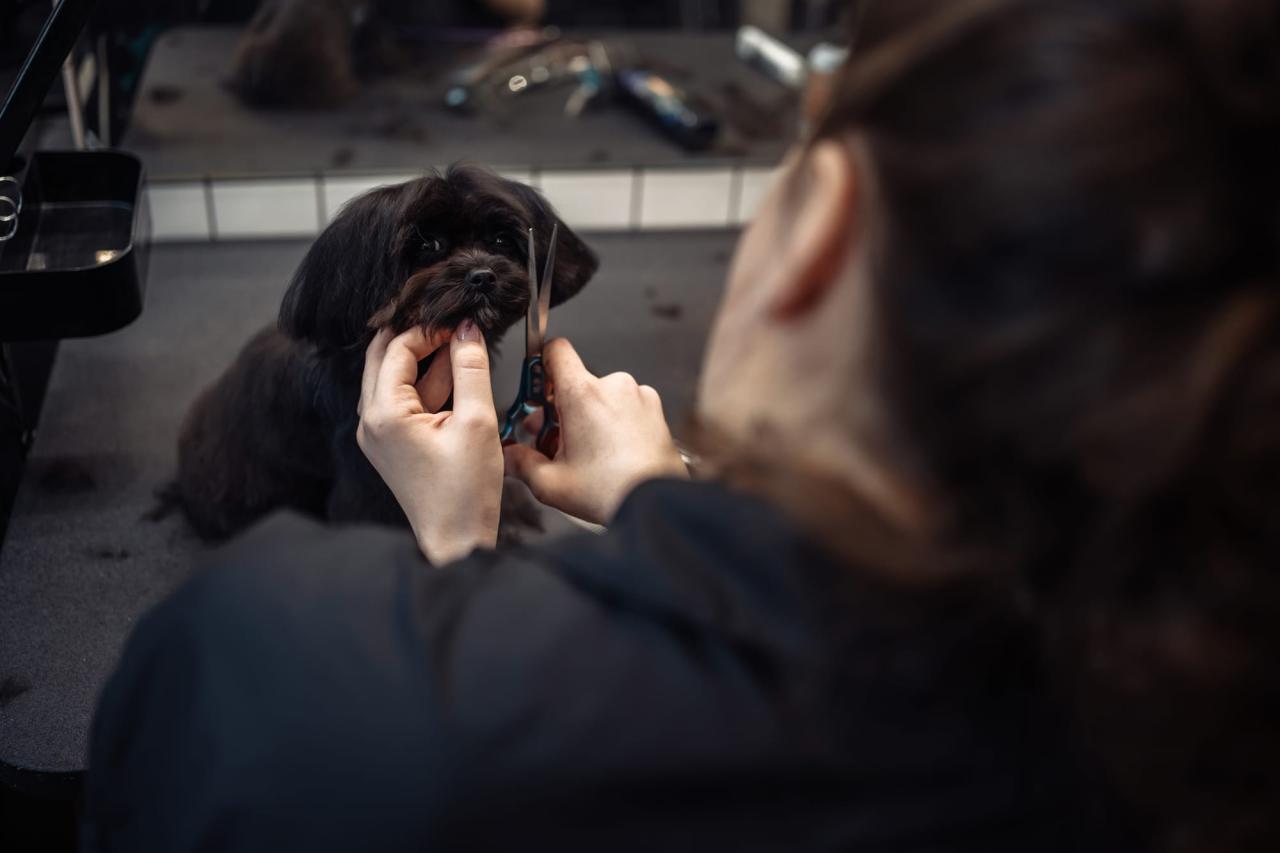
Nail trimming is an essential part of pet care that ensures your black dog remains healthy and comfortable. While traditional nail trimming methods are widely used, there are alternative options available that cater to different needs and preferences. This section will explore various methods, including nail grinders, professional grooming services, and natural alternatives that can support nail health.
Comparison of Traditional Nail Trimming Methods and Nail Grinders
Both traditional nail clippers and nail grinders serve the purpose of keeping your dog’s nails at an appropriate length, but they operate quite differently. Traditional clippers are typically used to cut the nail directly, while grinders file down the nail gradually.The following details highlight the differences between these two methods:
- Traditional Nail Trimming: Direct clipping can be quick and effective, but if done improperly, it risks cutting into the quick of the nail, leading to pain and bleeding.
- Nail Grinders: These tools gradually reduce nail length by sanding them down, which can be less stressful for some dogs and allows for more precision. However, they can be noisy and may require some acclimation.
Advantages and Disadvantages of Professional Grooming Services
Utilizing professional grooming services can be a convenient option for pet owners who may not feel comfortable trimming their dog’s nails themselves. However, there are both advantages and disadvantages to consider.Here are some key points regarding professional grooming services:
- Pros: Skilled groomers have experience working with a variety of dogs, which helps to alleviate anxiety and resistance during the process. They also have access to high-quality tools and products that ensure a thorough job.
- Cons: Regular grooming can be costly, and it requires scheduling and travel time. Additionally, not all groomers may have experience with black dogs, which could affect the quality of service.
Natural Alternatives for Nail Care
There are several natural alternatives that not only help regulate nail length but also promote overall nail health. Chew toys designed for dental care can serve as effective tools in this regard.The following natural alternatives can contribute positively to your dog’s nail care routine:
- Dental Chew Toys: These toys often incorporate textured surfaces that help file down nails as your dog chews, promoting a natural wear process.
- Raw Bones: Chewing on raw bones can help keep nails trimmed naturally while also providing mental stimulation and dental benefits.
- Nail File Products: Some products are specifically designed to be attached to chew toys, providing a safe method to help wear down nails over time.
“Choosing the right nail care method is crucial for maintaining your dog’s comfort and well-being.”
Common Mistakes to Avoid
Nail trimming can be a daunting task for many dog owners, particularly when it comes to black dogs, whose nails can be harder to see. Understanding common mistakes made during the process is crucial for ensuring a safe and effective trimming session. This section Artikels these frequent missteps, their potential consequences, and recovery strategies for when things go awry.
Frequent Mistakes in Nail Trimming
Many pet owners inadvertently make mistakes that can lead to a stressful experience for both themselves and their dogs. Recognizing these mistakes is essential to improve the trimming process. Below are common errors along with tips to avoid them:
- Trimming Too Short: Cutting nails too short can lead to cutting the quick, which is painful for the dog and causes bleeding. To avoid this, always trim just the tip of the nail.
- Improper Tools: Using the wrong type of nail clippers can cause jagged edges or even injury. Ensure you are using clippers designed specifically for dogs.
- Neglecting to Restrain the Dog: Failing to securely hold the dog or using a gentle harness can lead to unexpected movements. Always ensure your dog is properly restrained for safety.
- Skipping the Pre-Trimming Routine: Not acclimating your dog to the process can result in anxiety and resistance. Spend time familiarizing your pet with the clippers before starting.
- Rushing the Process: Being hurried can lead to mistakes. Dedicate enough time to the task to ensure thoroughness and care.
Consequences of Incorrect Trimming
Mistakes during nail trimming can have several negative effects, ranging from immediate discomfort for the dog to long-term behavioral issues.
“Incorrect nail trimming can lead to trauma and mistrust, making future grooming sessions increasingly difficult.”
Dogs that experience pain or fear during nail trimming may become resistant to any grooming activity, making it harder for owners to maintain their pet’s nails in the future. Additionally, if the quick is cut, it can result in excessive bleeding and complications if not managed properly.
Recovery from Mistakes
In the event that a mistake occurs during the nail trimming process, especially if the quick is accidentally cut, it is vital to handle the situation calmly and effectively.
- Stay Calm: Your dog can sense your emotions; staying calm will help reassure them.
- Apply a Styptic Powder: This can quickly stop the bleeding and promote clotting. Keep it on hand for emergencies.
- Comfort Your Dog: Provide gentle reassurance and treats to help your dog associate positive experiences with nail trimming.
- Give Time to Heal: If the quick is cut, allow time for healing before attempting to trim again, using this time to build your dog’s comfort with the process.
Final Wrap-Up
In conclusion, mastering the art of trimming your black dog’s nails is an essential skill that promotes their health and happiness. By following the steps Artikeld in this guide and using the right techniques and tools, you can perform this task with confidence and care. Remember, a well-groomed dog is a happy dog, and regular nail maintenance is a significant part of their overall grooming routine.