Understanding how to spot skin problems while grooming your dog is essential for every pet owner. Dogs, like humans, can suffer from various skin conditions that may not always be visible at first glance. By being vigilant during grooming sessions, you can identify potential issues early on, ensuring your furry friend maintains optimal skin health and comfort.
Common skin problems in dogs can range from allergies and irritations to infections and more serious conditions. Recognizing the symptoms of these issues and knowing the effective grooming techniques to use can make all the difference in your dog’s well-being. This guide will equip you with the knowledge needed to keep your dog’s skin healthy and to address any problems that may arise.
Understanding Common Skin Problems in Dogs
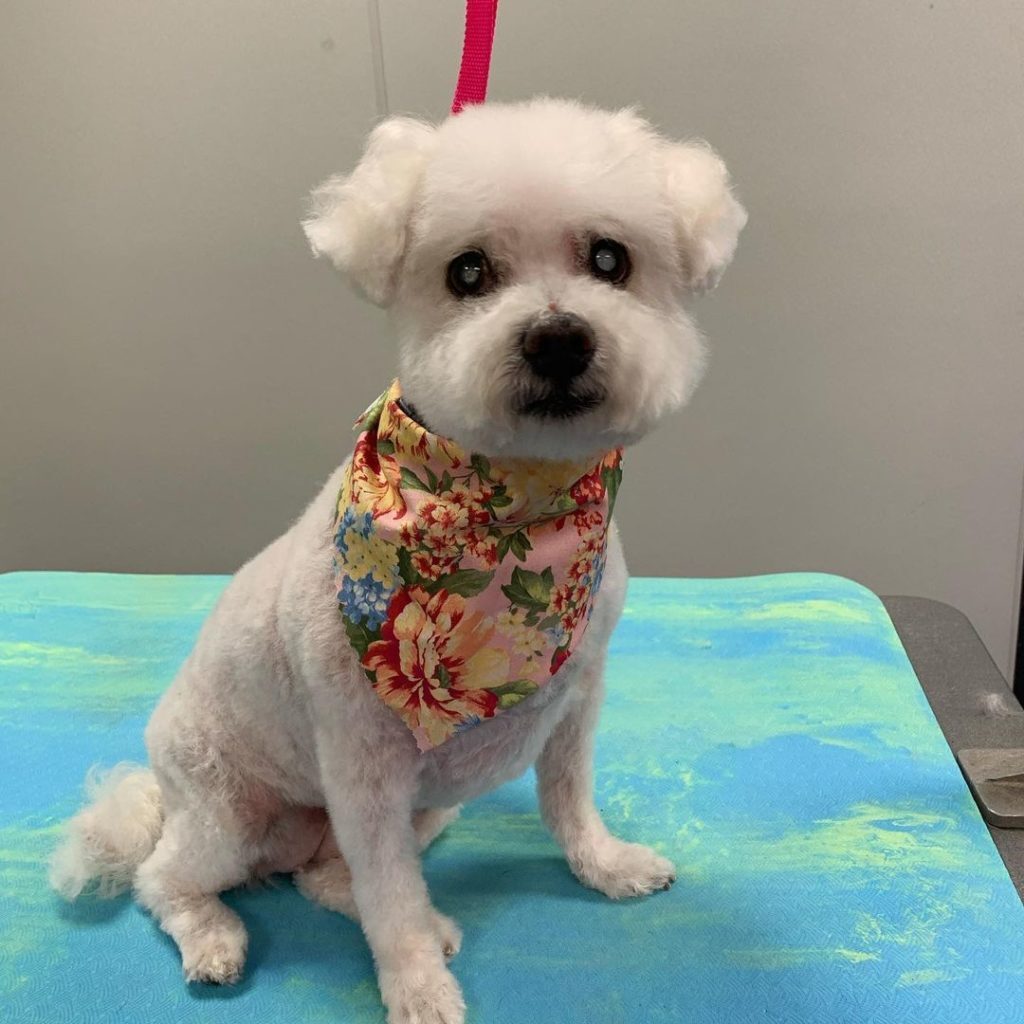
Skin problems in dogs are prevalent and can arise for various reasons, particularly during grooming sessions. As a pet owner, being able to identify these issues early is crucial for ensuring the health and comfort of your dog. Regular grooming not only maintains a dog’s appearance but also serves as an opportunity to check for any abnormalities that may signal underlying skin conditions.Several common skin issues can be encountered during dog grooming.
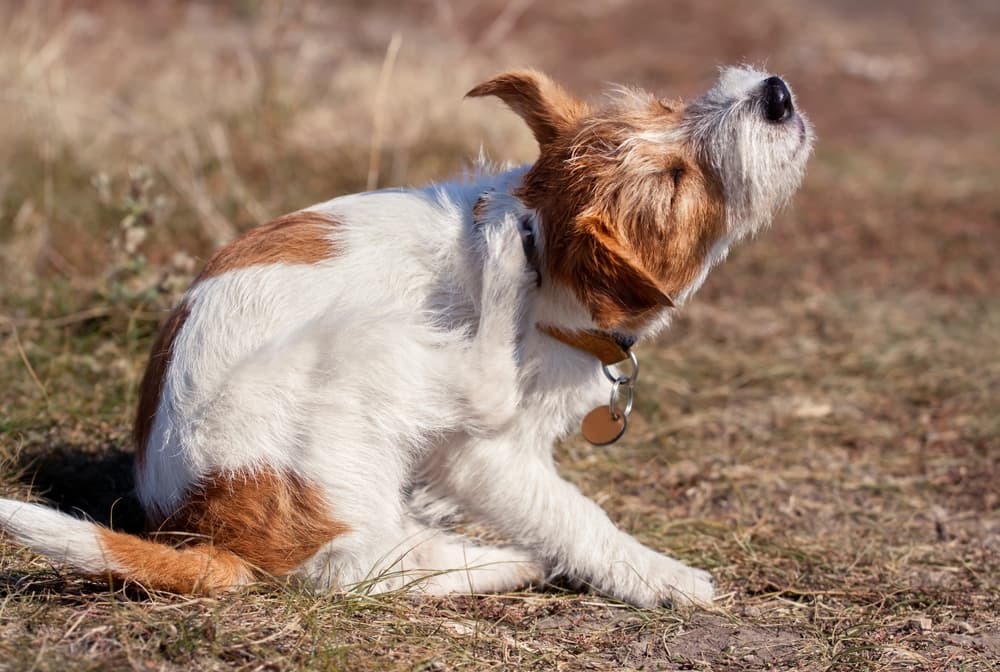
These issues can manifest in several ways and may lead to discomfort or more serious health concerns if left untreated. Key symptoms to watch for include excessive scratching, redness, swelling, and the presence of unusual bumps or lesions. Understanding these symptoms and their potential causes is essential for early detection and effective treatment.
Common Skin Issues Faced by Dogs
Skin problems in dogs can arise from a variety of sources, including allergies, parasites, infections, and environmental factors. The following are some of the most common skin issues encountered:
- Allergies: Dogs can suffer from allergies to food, pollen, dust mites, or flea bites. Symptoms include itching, redness, and hot spots.
- Flea Infestation: Fleas can lead to severe itching and skin irritation. Infestations are often noticeable through scratching and the presence of flea dirt in the coat.
- Dermatitis: This condition includes inflammation of the skin, often due to contact with irritants or allergens. Symptoms can vary from mild redness to severe irritation.
- Infections: Bacterial or fungal infections can develop on the skin, leading to symptoms such as discharge, odor, and excessive licking.
- Hot Spots: These are localized areas of skin inflammation and infection that can arise from itching or licking. They are characterized by red, moist, and painful patches.
Recognizing these common skin issues can aid in early intervention, thus preventing further complications.
Symptoms Indicating Skin Problems
Identifying symptoms linked to skin problems is crucial for timely action. Common symptoms include:
- Excessive scratching or biting at the skin.
- Redness or inflammation of the skin.
- Presence of bumps, rashes, or lesions.
- Foul odor emanating from the skin or coat.
- Hair loss or thinning fur in patches.
Awareness of these symptoms enables dog owners to seek veterinary advice promptly, which is vital for diagnosis and treatment.
Causes of Skin Problems in Dogs
The causes of skin problems in dogs are numerous and can often be interrelated. Key contributing factors include:
- Environmental Irritants: Dust, pollen, and chemicals in grooming products can exacerbate skin conditions. Always choose hypoallergenic products when grooming your dog.
- Dietary Factors: Certain food ingredients may trigger allergic reactions, resulting in skin issues. A balanced diet is essential for overall health.
- Parasites: Fleas, ticks, and mites can lead to severe skin irritation and must be managed to prevent infestations.
- Underlying Health Conditions: Conditions such as hypothyroidism, autoimmune diseases, or diabetes can manifest as skin problems. Regular veterinary check-ups are important for early detection.
- Weather Conditions: Extreme temperatures or humidity can impact skin health, leading to dryness or irritation.
By understanding these causes, dog owners can take proactive measures to mitigate risks and promote a healthier skin condition for their pets.
Grooming Techniques to Spot Skin Issues
Regular grooming is an essential aspect of pet care that not only keeps your dog looking its best but also serves as a vital check for skin health. By incorporating specific grooming techniques, you can effectively identify early signs of skin problems, ensuring your dog remains healthy and comfortable. This section Artikels best grooming practices that facilitate the detection of skin issues during routine grooming activities.Effective grooming practices can uncover various skin conditions, allowing for prompt intervention and treatment.
The following section provides a comprehensive step-by-step process for brushing and bathing your dog, along with key tips for inspecting their skin.
Step-by-Step Grooming Process
Brushing and bathing your dog are crucial grooming activities that can reveal underlying skin issues. Here is a detailed approach to performing these tasks effectively:
1. Gather Grooming Supplies
Before starting, assemble necessary supplies, including brushes suited for your dog’s coat type, pet-safe shampoo, a towel, and a comb.
2. Select a Comfortable Space
Choose a quiet and familiar area where your dog feels safe and relaxed. This will help reduce their anxiety during grooming.
3. Begin Brushing
Start by gently brushing your dog’s coat. Use long, smooth strokes for longer-haired breeds and shorter strokes for short-haired breeds. Pay close attention to areas prone to matting or tangling, as these can hide skin issues.
4. Inspect the Skin
While brushing, carefully examine your dog’s skin for any abnormalities. Look for:
Redness or inflammation
Scabs or sores
Excessive dryness or flakiness
Unusual lumps or bumps
5. Bathe Your Dog
Wet your dog’s coat thoroughly with lukewarm water, avoiding the face and ears.
Apply a small amount of pet-safe shampoo, lather gently, and rinse thoroughly. Ensure all shampoo is removed to prevent irritation.
6. Drying and Further Inspection
After bathing, wrap your dog in a towel to absorb excess water. For dogs that tolerate it, a hairdryer on a low setting can be used, keeping it at a safe distance. During drying, continue inspecting the skin for any signs of irritation or infection.
7. Post-Grooming Check
After grooming, give your dog a final inspection. Reward them with treats and praise to create a positive association with the grooming process.
Tips for Inspecting Skin During Grooming
Regular skin inspections during grooming can significantly enhance the early detection of potential skin issues. Here are some important tips to keep in mind:
Focus on Problem Areas
Areas such as the belly, paws, and behind the ears are often more prone to skin problems. Spend extra time examining these regions carefully.
Use a Comb for Detailed Inspection
A fine-toothed comb can help reveal hidden skin conditions, such as fleas or ticks, and allows for a more thorough search for any abnormalities.
Monitor Changes Over Time
Keep a log of any changes in your dog’s skin condition between grooming sessions. This can help track the progression of potential issues and assist your veterinarian in providing appropriate care.
Be Aware of Your Dog’s Normal Skin
Familiarize yourself with what is normal for your dog’s skin and coat. This knowledge will enable you to identify any deviations more easily.
Consult a Veterinarian If Needed
If you notice any persistent abnormalities during grooming, seek veterinary advice quickly, as early intervention often leads to better outcomes for skin conditions.With diligent grooming practices and careful observation, you can play a crucial role in maintaining your dog’s skin health and overall well-being.
Identifying Signs of Allergies or Irritation
Recognizing signs of allergies or irritation in dogs is crucial for their well-being and comfort. Allergies can manifest in various ways, and timely identification can prevent further complications. As a responsible pet owner or groomer, understanding these signs enables you to intervene early and seek appropriate treatment. Allergic reactions in dogs can present with several observable symptoms, which may vary in severity.
Common signs include excessive scratching, licking, or biting at specific areas of the body. You may also notice redness or inflammation of the skin, as well as the development of rashes or hot spots. In more severe cases, dogs may experience swelling, particularly around the face and ears. Other indications can include gastrointestinal disturbances like vomiting or diarrhea, which sometimes accompany allergies.
Distinguishing Allergies from Skin Infections
Differentiating between allergies and skin infections is essential for providing the right care for your dog. Allergies often lead to reactions that are characterized by itching and inflammation, while skin infections typically manifest through symptoms such as pus-filled lesions or a foul odor. Allergic reactions usually appear in response to external allergens, while infections arise from bacteria or fungi.To effectively recognize the nature of the issue, observe the following:
- Allergies are often triggered by environmental factors such as pollen, dust mites, or certain foods.
- Skin infections may occur following an injury or as a secondary complication from excessive scratching or biting.
- Allergies primarily lead to irritation without the presence of bacterial or fungal growth, while infections will show signs of infection like crusting or scabbing.
Checklist for Recognizing Skin Irritations During Grooming
Maintaining a checklist during grooming sessions can help identify any skin irritations promptly. This systematic approach ensures that no signs are overlooked and that necessary actions can be taken swiftly. The checklist should include the following key indicators to examine:
Skin Redness
Check for any areas of redness or discoloration, which may indicate irritation or allergic reactions.
Scabs or Sores
Look for any scabs or open sores that could suggest an ongoing infection or trauma.
Excessive Scratching or Biting
Pay attention to your dog’s behavior; frequent scratching or biting can signify discomfort or allergies.
Hair Loss
Inspect for patches of hair loss, which can be caused by persistent itching or reactions to allergens.
Odor
Be alert to any unusual smells, as foul odors may indicate infections requiring veterinary attention.
Swelling
Monitor for any swelling around the face, ears, or paws, which can signify allergic reactions.Keeping this checklist handy during grooming sessions enhances your ability to spot potential skin issues early, allowing for timely intervention and care.
The Role of Regular Grooming in Skin Health
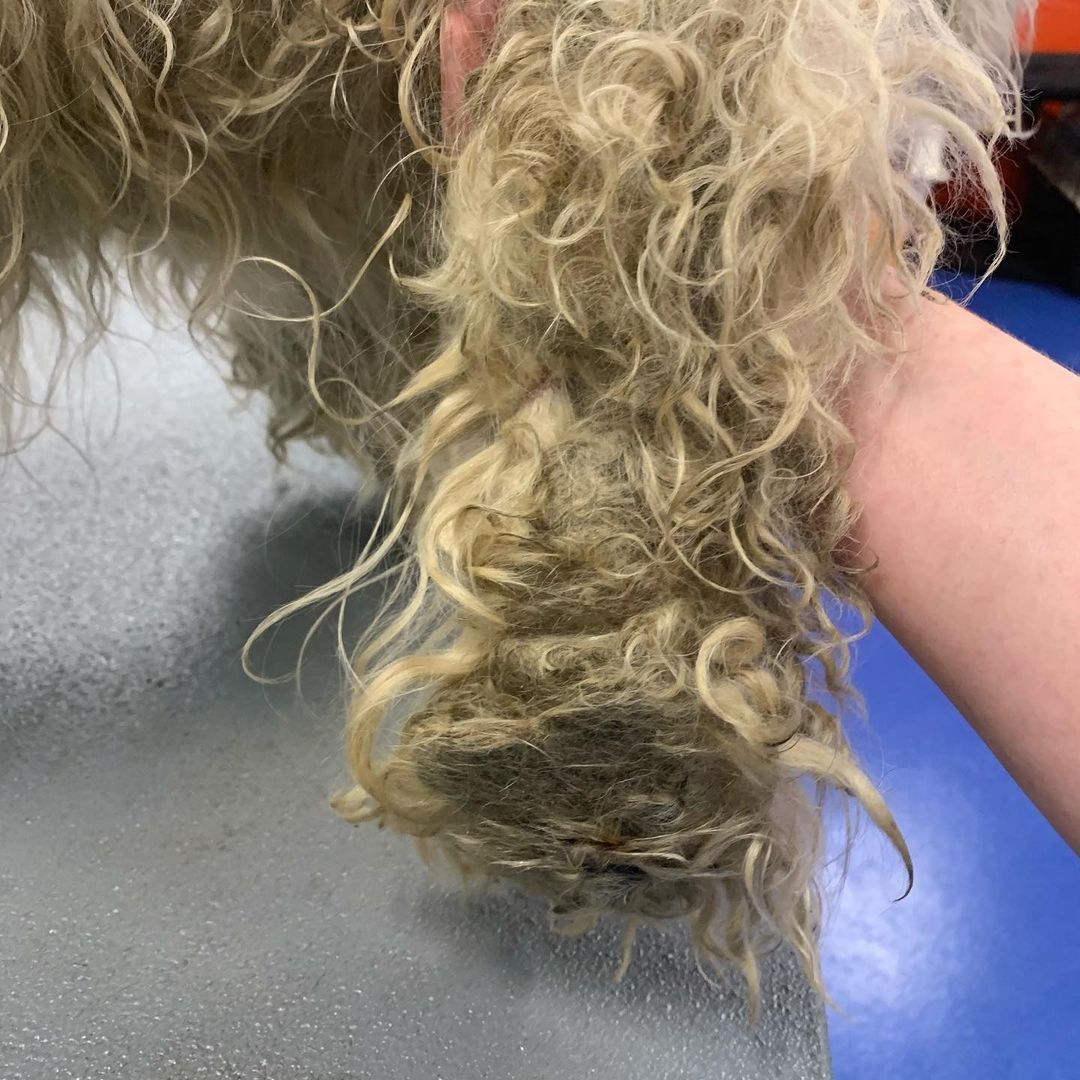
Regular grooming serves as a fundamental aspect of maintaining a dog’s overall skin health. It is not merely a cosmetic activity but a crucial practice that contributes to the prevention of skin problems, enhances the dog’s appearance, and strengthens the bond between the pet and owner. By incorporating grooming into your routine, you can effectively monitor changes in your dog’s skin and coat, allowing for early intervention if any issues arise.The impact of different grooming schedules on skin health is significant.
Frequent grooming helps to remove dead hair, dirt, and debris that can cause irritation and lead to infections. Conversely, infrequent grooming may allow allergens and parasites to accumulate, increasing the risk of skin conditions such as dermatitis or flea infestations. Establishing a grooming frequency tailored to your dog’s breed and coat type can help optimize skin health.
Designing a Grooming Routine for Skin Wellness
Creating a consistent grooming routine is essential for promoting skin wellness in dogs. Here are key components to consider when designing a grooming schedule:
- Frequency of Grooming: Aim for a schedule that suits your dog’s coat type. Long-haired breeds may require grooming every few days, while short-haired breeds can typically be groomed weekly.
- Brushing Techniques: Use appropriate brushes for your dog’s coat. For instance, slicker brushes are effective for removing tangles in long-haired dogs, while bristle brushes work well for short-haired breeds.
- Bathing Schedule: Bathe your dog as needed, generally every 4 to 6 weeks. This helps to remove excess oils and dirt while maintaining skin moisture. Always choose a mild, dog-specific shampoo to prevent skin irritation.
- Nail Trimming: Regular nail trimming (every 3-4 weeks) is vital as long nails can cause discomfort and lead to skin abrasions or infections.
- Ear and Eye Care: Inspect and clean your dog’s ears and eyes regularly to prevent infections. Use vet-recommended wipes or solutions.
Implementing this routine aids in maintaining healthy skin while allowing owners to detect any unusual signs, such as redness or irritation, promptly. Regular grooming also promotes healthy blood circulation, which is beneficial for skin vitality.
“An effective grooming routine is not just about aesthetics; it is a preventive measure to ensure your dog enjoys optimal skin health.”
By dedicating time to grooming, you can help ensure your dog remains healthy and happy, minimizing the risk of skin-related issues.
When to Seek Veterinary Help
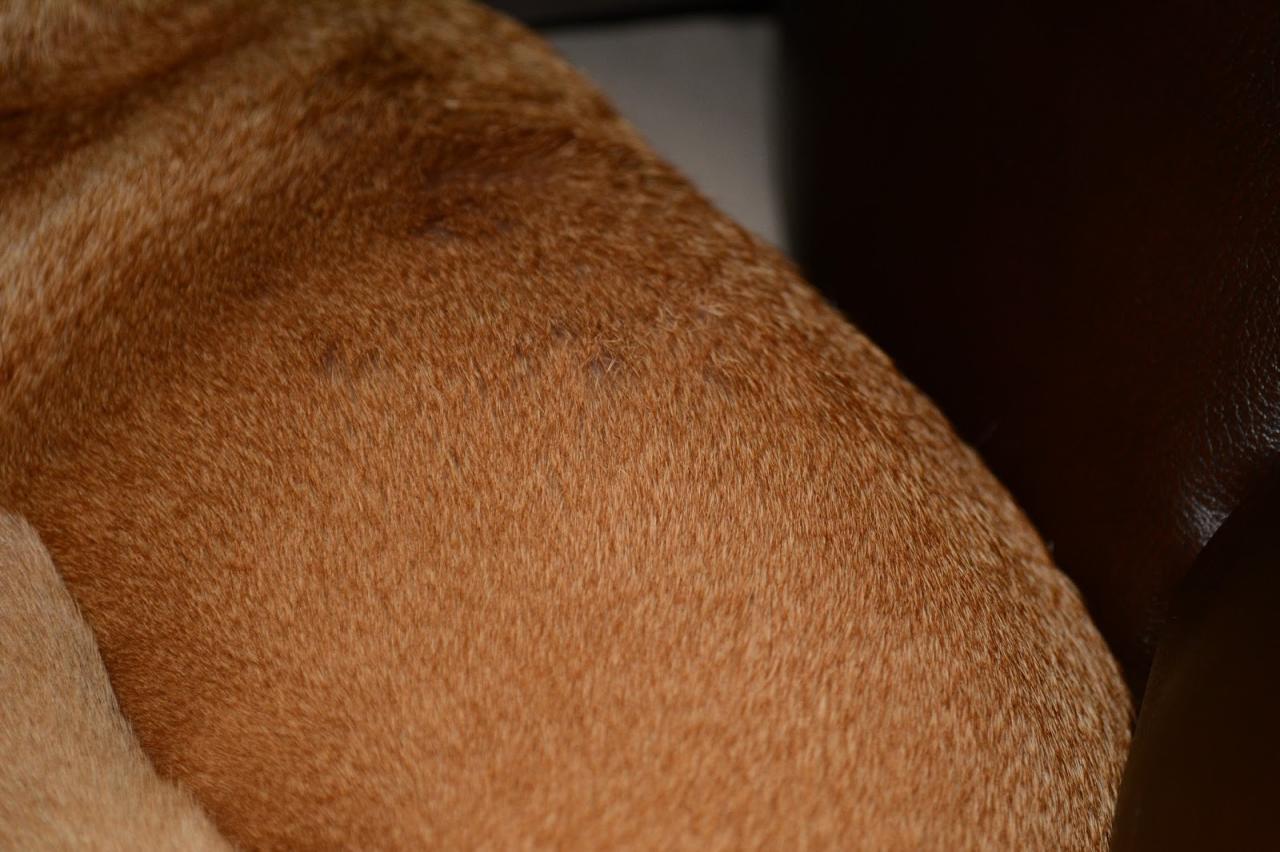
Recognizing when to seek veterinary assistance for your dog’s skin issues is essential for early intervention and effective treatment. Certain symptoms and changes in your dog’s skin condition can indicate underlying health problems that require professional attention. Timely veterinary care can greatly enhance your dog’s quality of life and prevent further complications.Critical warning signs that necessitate a visit to the veterinarian include persistent itching or scratching, significant redness or inflammation, the presence of bald patches, unusual odors emanating from the skin, and any discharge, whether clear, yellow, or bloody.
These symptoms may suggest infections, allergies, or other skin disorders that can worsen if left untreated.
Preparing for a Veterinary Visit
Understanding how to prepare for a veterinary visit regarding skin issues can facilitate a more efficient and productive consultation. Collecting relevant information about your dog’s symptoms and grooming history is crucial to providing your veterinarian with a comprehensive overview of the situation. Consider documenting the following:
- Duration of symptoms: Note when the skin issues began and any changes in severity over time.
- Behavior changes: Observe and record any alterations in temperament, such as increased irritability or lethargy, which may accompany skin problems.
- Dietary habits: Provide details on your dog’s diet, including any recent changes that may correlate with the onset of skin symptoms.
- Grooming products: List any shampoos, flea treatments, or grooming products used, as some may cause allergic reactions.
- Environmental changes: Mention any new household items, outdoor allergens, or recent travels that could have impacted your dog’s skin health.
Common Diagnostic Procedures for Skin Problems
Diagnostic procedures play a crucial role in identifying the underlying causes of skin issues in dogs. Your veterinarian may recommend several tests based on the examination findings and history provided. These procedures may include:
| Diagnostic Procedure | Description |
|---|---|
| Skin Scraping | A technique used to collect skin samples for microscopic evaluation, useful in diagnosing mites or fungal infections. |
| Allergy Testing | Tests that help identify specific allergens responsible for skin reactions, either through blood tests or intradermal skin tests. |
| Skin Biopsy | A small tissue sample taken from the skin to be examined histologically, often utilized when other diagnostics are inconclusive. |
| Fungal Culture | A test to grow and identify fungal organisms, important for diagnosing conditions like ringworm. |
| Blood Tests | Evaluations that may reveal underlying systemic conditions affecting the skin, such as hormonal imbalances or infections. |
Each of these procedures provides valuable insights that guide effective treatment plans and can help restore your dog’s skin health. Early identification and appropriate intervention are vital in managing skin issues and ensuring your pet remains comfortable and happy.
Preventive Measures for Healthy Skin
Maintaining healthy skin for your dog is vital not only for comfort but also for overall well-being. A proactive approach through preventive measures can significantly enhance the quality of your dog’s skin and coat. This section provides valuable insights into nutritional aspects, environmental factors, and supportive products that contribute to skin health.
Diet and Nutrition for Healthy Skin
The diet of your dog plays a crucial role in promoting healthy skin. A balanced diet rich in essential fatty acids, vitamins, and minerals can help maintain skin integrity and vitality. Omega-3 and Omega-6 fatty acids are particularly beneficial, as they support the skin barrier and reduce inflammation. It is important to choose high-quality dog food that lists meat as the first ingredient and contains a proper balance of nutrients.
“A dog’s skin health starts from the inside out.”
To ensure your dog is receiving the best nutrition, consider the following dietary tips:
- Incorporate fish oil or flaxseed oil to enhance Omega-3 intake.
- Include fruits and vegetables rich in antioxidants, such as blueberries and sweet potatoes.
- Choose dog food fortified with vitamins E and A to support skin health.
- Consult your veterinarian about supplementation if necessary to address specific skin issues.
Environmental Factors Impacting Skin Health
Environmental conditions can greatly affect the health of your dog’s skin. Factors such as temperature, humidity, exposure to allergens, and pollutants play significant roles in skin irritation and overall skin condition. High humidity may lead to fungal infections, while dry, cold weather can cause skin to become flaky and itchy.
“The environment influences the skin’s resilience against irritants and allergens.”
It is essential to create a skin-friendly environment for your dog. Here are some considerations to keep in mind:
- Regularly bathe your dog with appropriate shampoos that are gentle on the skin and free from harsh chemicals.
- Ensure your living space is clean and free of dust, mold, and other allergens.
- Provide ample hydration, as water intake is critical for skin elasticity.
- Limit exposure to extreme temperatures and provide shelter to protect against weather-related skin issues.
Products That Support Skin Health
There is a variety of products available that can help maintain and improve your dog’s skin health. When selecting products, it is important to choose those that are specifically designed for canine use, ensuring they are safe and effective.
“The right products can bolster skin health and prevent issues before they arise.”
Consider the following categories of products that can be beneficial:
- Moisturizing shampoos that contain natural ingredients like oatmeal or aloe vera to soothe and hydrate the skin.
- Conditioners that help detangle fur while providing extra moisture.
- Topical treatments or sprays containing soothing ingredients such as calendula or chamomile for occasional irritations.
- Flea and tick prevention products that are safe and effective to minimize irritation from infestations.
- Regularly used supplements that support skin health, particularly those containing Omega-3 fatty acids.
Myths and Facts about Dog Skin Care
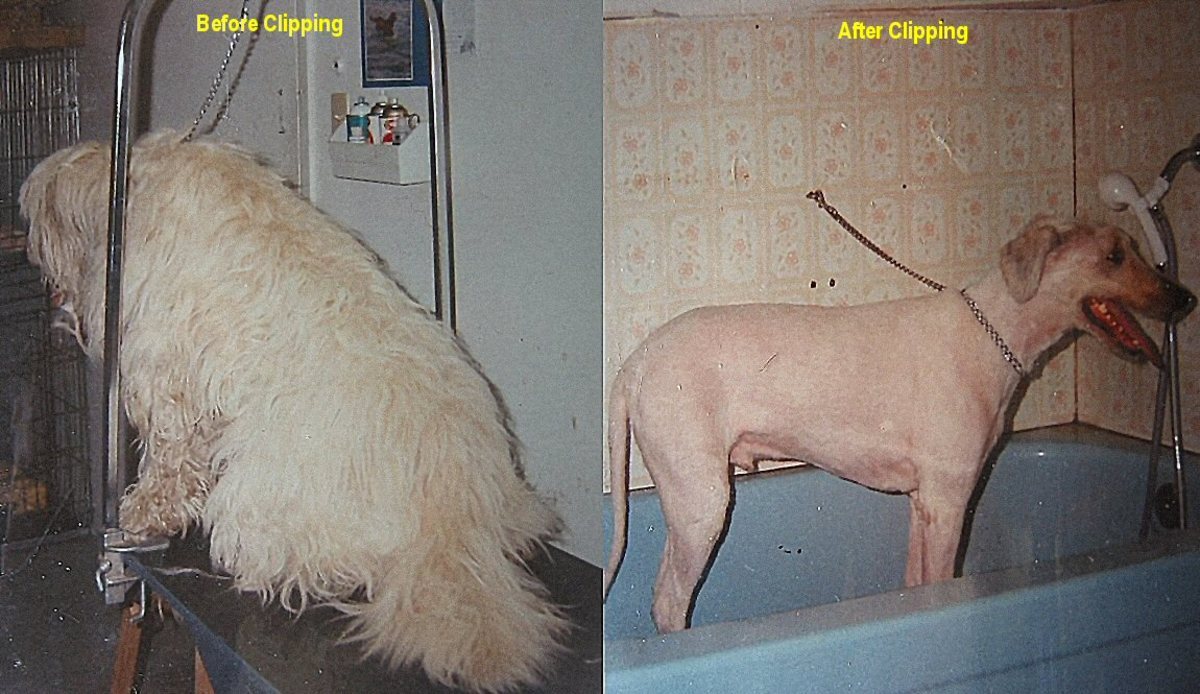
Understanding the distinction between myths and facts regarding dog skin care is essential for ensuring the health and well-being of our furry companions. Misconceptions can lead to improper grooming practices and neglect of necessary care, resulting in skin issues that affect a dog’s quality of life. By dispelling these myths, pet owners can adopt a more informed approach to grooming and skin care.Many dog owners may believe that all dogs have the same skin care needs.
This is not true, as various breeds have unique skin characteristics and requirements. Recognizing these differences is crucial in determining the appropriate grooming techniques and products to use.
Common Misconceptions about Dog Skin Problems
Several myths surround dog skin care, leading to confusion among pet owners. It is essential to clarify these misconceptions to promote better practices. The following points highlight prevalent myths and the corresponding facts that debunk them:
- Myth 1: Dogs don’t need regular baths.
Fact: Regular bathing is important to maintain a dog’s skin health and hygiene, though the frequency varies by breed and lifestyle.
- Myth 2: Dry skin is always caused by environmental factors.
Fact: Dry skin can also result from underlying health issues, such as allergies or metabolic disorders, necessitating veterinary assessment.
- Myth 3: All grooming products are safe for every dog.
Fact: Some grooming products may contain harmful ingredients for certain breeds or skin types; it is crucial to choose products tailored to your dog’s specific needs.
- Myth 4: Skin issues are solely a result of poor hygiene.
Fact: Skin problems can arise from genetic predispositions, allergies, parasites, or infections, not just from inadequate grooming.
- Myth 5: Fleas and ticks aren’t a concern in winter months.
Fact: Fleas and ticks can survive in homes during winter, making year-round preventive measures essential for skin health.
Understanding these myths and facts helps pet owners make informed decisions regarding their dog’s grooming routines. Proper knowledge not only aids in maintaining skin health but also enhances the overall well-being of dogs. By recognizing individual skin care requirements, dog owners can better address any concerns that may arise and ensure a healthy, happy life for their furry friends.
Closing Summary
In conclusion, regular grooming combined with awareness of skin health is crucial for your dog’s overall well-being. By implementing the techniques discussed and being proactive about potential skin issues, you can ensure a happy and healthy life for your pet. Remember, when in doubt, seeking veterinary advice is always a wise choice to safeguard your dog’s skin health and comfort.