How to Soothe Your Dog’s Dry, Itchy Skin is a vital topic for pet owners seeking to ensure the well-being of their furry companions. Understanding the various skin conditions that can affect dogs and the steps to alleviate discomfort is essential for maintaining their health and happiness. This guide encapsulates a comprehensive approach to identifying the causes of dry skin, exploring both home remedies and professional treatments, while also emphasizing the importance of nutrition and preventative measures.
From common allergens and skin conditions to effective home remedies like oatmeal baths and coconut oil treatments, you will discover practical solutions to keep your dog’s skin healthy. Additionally, we’ll delve into the significance of a balanced diet and regular veterinary care in promoting overall skin wellness.
Understanding Dog Skin Conditions
Many dog owners encounter issues related to their pets’ skin health, particularly in the form of dry and itchy skin. Understanding the underlying causes and symptoms of these conditions is essential for effective management and treatment. Dogs, like humans, can suffer from a variety of skin ailments that may require attention. Dry, itchy skin in dogs can be attributed to several common factors.
Allergies, whether environmental or food-related, are leading causes of skin issues in dogs. Other contributors include parasites such as fleas and mites, infections caused by bacteria or fungi, and underlying health conditions like hormonal imbalances. Seasonal changes can also exacerbate skin problems, leading to increased itchiness and discomfort.
Common Symptoms of Skin Issues in Dogs
Recognizing the signs of skin problems in dogs is crucial for timely intervention. Various symptoms indicate that a dog might be suffering from skin conditions:
- Frequent scratching or biting at the skin
- Red, inflamed areas on the skin
- Flaky or scaly patches
- Hair loss in localized areas or overall thinning
- Odor emanating from the skin
- Excessive licking, particularly of the paws or belly
- Hot spots, which are localized areas of irritation that can become infected
Being vigilant about these symptoms can help pet owners seek appropriate veterinary care before the condition worsens.
Breeds Prone to Skin Problems
Certain dog breeds exhibit a higher predisposition to skin issues due to genetic factors. Understanding these predispositions aids in proactive care and management. Breeds known for their vulnerability to skin conditions include:
- Bulldogs, which often suffer from allergies and skin fold dermatitis
- Boxers, prone to skin infections and allergies
- Labrador Retrievers, commonly affected by food allergies
- West Highland White Terriers, susceptible to atopic dermatitis
- Golden Retrievers, known for allergies leading to skin irritation
- Shar Peis, whose unique skin folds can trap moisture and bacteria
By understanding the specific needs of these breeds, pet owners can take preventive measures, such as regular grooming and appropriate dietary considerations, to help maintain their dogs’ skin health.
Proactive skin care is vital for breeds prone to dermatological issues, as early detection and treatment can significantly improve a dog’s quality of life.
Home Remedies for Itchy Skin Relief
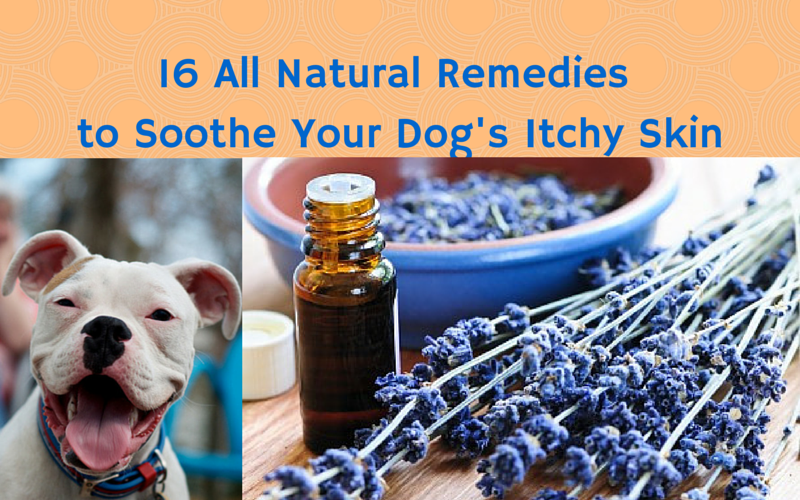
Natural remedies can provide effective relief for dogs suffering from dry, itchy skin. Many pet owners prefer to use these gentle alternatives to commercial products, as they often contain fewer irritants and chemicals. Understanding these remedies can empower you to help soothe your dog’s discomfort at home.
Natural Ingredients Known to Soothe Dog Skin
A variety of natural ingredients can be beneficial for alleviating itchy skin. These ingredients have soothing properties that can help to moisturize, heal, and protect your dog’s skin.
- Oatmeal: A well-known remedy that can relieve itching and moisturize the skin.
- Coconut Oil: Rich in fatty acids, coconut oil helps hydrate the skin and has antimicrobial properties.
- Aloe Vera: This plant is renowned for its healing properties and can soothe irritated skin.
- Chamomile: Known for its anti-inflammatory effects, chamomile can help to calm the skin and reduce irritation.
- Apple Cider Vinegar: A diluted solution can help restore the skin’s natural pH and combat fungal infections.
Using these natural ingredients can promote healing and provide comfort to your canine companion.
Making an Oatmeal Bath for Your Dog
An oatmeal bath is an excellent way to soothe a dog’s dry, itchy skin. Oatmeal contains avenanthramides, which have anti-inflammatory properties that can help to reduce irritation.To create an oatmeal bath, follow these steps:
- Start by grinding plain oats into a fine powder. A food processor or blender works well for this task.
- Fill your bathtub or a large basin with warm water, ensuring it is not too hot for your dog.
- Gradually add the ground oatmeal to the water while stirring to avoid clumping.
- Allow your dog to soak in the oatmeal bath for about 10 to 15 minutes, ensuring that the affected areas are submerged.
- Rinse your dog with clean, lukewarm water and gently pat them dry with a towel.
This treatment can be performed once or twice a week, depending on your dog’s needs, providing relief from itching while moisturizing the skin.
Creating a Coconut Oil Treatment for Dry Skin
Coconut oil is an effective natural moisturizer that has the ability to penetrate deeply into the skin, providing nourishment and relief from dryness.To prepare a coconut oil treatment, follow these instructions:
- Choose high-quality, organic coconut oil, which can be found at most grocery stores or health food shops.
- Scoop out a small amount of coconut oil and warm it in your hands until it melts into a liquid.
- Once melted, apply the coconut oil directly to the dry and itchy areas of your dog’s skin, gently massaging it in.
- Allow the oil to absorb into the skin; there is no need to rinse it off. Coconut oil can be left on the skin to provide ongoing moisture.
- This treatment can be used daily or as needed.
It is advisable to monitor your dog for any adverse reactions when introducing new treatments, ensuring that they are not allergic to the ingredients used.
Dietary Considerations
Nutrition plays a vital role in maintaining the overall health of dogs, particularly their skin. A well-balanced diet rich in essential nutrients can alleviate dry, itchy skin and bolster the skin’s natural barrier against irritants. Understanding the impact of what your dog consumes is crucial for promoting skin health and enhancing their quality of life.Certain nutrients have been identified as particularly beneficial for skin moisture and health.
An optimal diet should include a combination of proteins, fatty acids, vitamins, and minerals. Essential fatty acids, such as omega-3 and omega-6, help maintain skin hydration and reduce inflammation, while vitamins like A, E, and B-complex support cell regeneration and skin repair.
Supplements Supporting Skin Health
In addition to a balanced diet, various supplements can provide added support for your dog’s skin condition. These supplements can improve skin moisture and overall health. Incorporating them into your dog’s regimen can yield positive results, especially for dogs suffering from chronic skin issues. Some recommended supplements include:
- Omega-3 Fatty Acids: Found in fish oil, these fatty acids reduce inflammation and enhance skin moisture.
- Omega-6 Fatty Acids: Typically sourced from evening primrose oil or borage oil, they help in maintaining skin integrity.
- Biotin: A B-vitamin that promotes healthy skin and coat by supporting cellular functions.
- Zinc: An essential mineral that aids in skin healing and prevents dryness.
- Probiotics: Beneficial bacteria that improve gut health, which can indirectly enhance skin condition.
Homemade Dog Food Recipes for Healthy Skin
Creating homemade dog food can be a rewarding way to ensure your dog receives nutritious meals that promote healthy skin. Below are some simple recipes and ideas that incorporate skin-nourishing ingredients:
1. Salmon and Sweet Potato Mix
Ingredients
Cooked salmon, mashed sweet potatoes, carrots, and peas.
Benefits
Salmon provides omega-3 fatty acids, while sweet potatoes are rich in vitamins A and C.
2. Chicken and Quinoa Bowl
Ingredients
Cooked chicken breast, cooked quinoa, spinach, and blueberries.
Benefits
Chicken is a lean protein source, and quinoa offers essential amino acids along with antioxidants from blueberries.
3. Beef and Vegetable Stew
Ingredients
Lean ground beef, carrots, peas, and green beans simmered in low-sodium broth.
Benefits
Beef provides protein and zinc, while the assorted vegetables supply vital vitamins.
4. Egg and Oatmeal Breakfast
Ingredients
Scrambled eggs mixed with cooked oatmeal and a dash of flaxseed oil.
Benefits
Eggs supply protein and fatty acids, and oatmeal is gentle on sensitive digestive systems.Employing these recipes or ideas can significantly contribute to your dog’s skin health while also allowing for a variety of flavors that they will enjoy. Regular dietary adjustments can lead to noticeable improvements in your dog’s skin condition and overall well-being.
Professional Treatments and Care
For dogs suffering from dry, itchy skin, professional treatments and care are essential components of a comprehensive approach to managing skin health. Veterinarians can provide tailored solutions that address underlying issues and deliver relief from discomfort. These treatments may include medications, specialized therapies, and grooming practices that support skin condition improvement and overall wellness. Understanding these options is crucial for pet owners looking to enhance their dog’s quality of life.
Types of Medications for Skin Issues
Veterinary professionals may prescribe a range of medications to treat skin conditions in dogs. These medications can target various causes of itching, such as allergies, infections, or parasites. The most common types of medications include:
- Antihistamines: These help reduce allergic reactions and itchiness caused by seasonal allergies or food sensitivities.
- Steroids: Corticosteroids can effectively decrease inflammation and alleviate severe itching, but they require careful management due to potential side effects.
- Topical Treatments: Creams or sprays containing hydrocortisone or other soothing agents can provide localized relief for irritated areas.
- Antibiotics: If a secondary bacterial infection is present due to excessive scratching, antibiotics may be prescribed for treatment.
- Immunosuppressive drugs: These medications are often used for more severe allergies when other treatments fail to provide adequate relief.
Veterinary Treatments for Itchy Skin
In addition to medications, veterinarians may recommend various treatments designed to specifically address itchy skin conditions. These can include:
- Allergy Testing: Identifying specific allergens through skin or blood tests allows for targeted avoidance strategies and treatment plans.
- Medicated Baths: Special shampoos with ingredients such as oatmeal, chlorhexidine, or sulfur can relieve irritation and cleanse the skin.
- Specialized Diets: Veterinary-recommended dietary adjustments can reduce allergic reactions and improve skin health.
- Laser Therapy: This non-invasive treatment can promote healing and reduce inflammation in affected areas.
- Behavioral Modifications: Addressing underlying anxiety or stress that may contribute to scratching can improve overall comfort.
Benefits of Regular Grooming in Maintaining Skin Health
Regular grooming is a vital aspect of canine skin care that fosters overall skin health and enhances comfort. Grooming practices help in several significant ways:
- Removal of Debris: Regular brushing removes dirt, dead hair, and dander, which can contribute to skin irritation.
- Improved Circulation: Grooming stimulates blood flow to the skin, promoting healthier skin and coat conditions.
- Early Detection: Routine grooming allows pet owners to notice changes or abnormalities in the skin, facilitating prompt veterinary consultation.
- Reduction of Tangles and Mats: Preventing matting improves airflow to the skin and decreases the risk of skin infections.
- Bonding Time: Grooming sessions provide an opportunity for bonding between the dog and owner, reducing stress and promoting calmness.
Preventative Measures

Taking proactive steps to prevent dry skin in dogs is essential for their overall health and well-being. By implementing a few simple measures, you can help ensure that your canine companion maintains a healthy, hydrated coat and skin. Understanding the factors that contribute to dry skin can guide you in preventing these issues before they arise.
Checklist of Steps to Prevent Dry Skin in Dogs
Creating a checklist can be a practical approach to maintaining your dog’s skin health. Below is a comprehensive list of preventative measures that can be easily incorporated into your dog’s routine.
- Regularly brush your dog’s coat to remove dead hair and distribute natural oils.
- Provide a balanced diet rich in omega fatty acids, which support skin health.
- Ensure your dog has access to fresh water at all times, encouraging hydration.
- Limit baths to avoid stripping natural oils; use gentle, moisturizing shampoos when necessary.
- Keep your home environment humid, especially in dry seasons, to combat skin dryness.
- Protect your dog from extreme weather conditions, such as intense heat or cold.
Importance of Hydration
Hydration is critical for maintaining healthy skin and overall well-being in dogs. Adequate water intake helps keep the skin hydrated and the coat shiny. Dogs may not always drink enough water, particularly if they are not active or if the weather is cool. To ensure your dog stays properly hydrated, consider the following strategies:
- Provide multiple water bowls in different areas of your home, making it convenient for your dog to access water.
- Use a pet water fountain, as many dogs are more inclined to drink flowing water.
- Add water or broth to dry kibble to enhance palatability and encourage drinking.
- Monitor your dog’s water intake and consult a veterinarian if you notice significant changes.
Selecting Appropriate Grooming Products
Choosing the right grooming products is essential for maintaining your dog’s skin and coat health. The wrong products can lead to irritation and exacerbate dryness. When selecting grooming items, keep the following tips in mind:
- Opt for hypoallergenic and fragrance-free shampoos to minimize irritation.
- Look for shampoos containing natural moisturizing ingredients, such as aloe vera or oatmeal.
- Consider using conditioners specifically designed for dogs to add moisture and shine to the coat.
- Regularly evaluate and update grooming tools, such as brushes and combs, to ensure they are effective and safe for your dog’s skin.
“A well-hydrated dog with a balanced diet and appropriate grooming is less likely to suffer from dry, itchy skin.”
When to Seek Veterinary Help
Identifying when your dog’s skin condition has escalated to a point that requires veterinary intervention is crucial for their health and well-being. While many skin issues can be addressed at home, there are specific signs and symptoms that indicate a need for professional evaluation and treatment. Recognizing these signs early can lead to more effective management and relief for your furry companion.Symptoms that necessitate urgent veterinary attention include excessive scratching, gnawing, or biting at the skin, which can result in sores or infections.
Additionally, if your dog exhibits signs of discomfort such as whining or restlessness, or if you observe significant redness, swelling, or discharge, these require immediate assessment.
Diagnostic Tests for Skin Issues
Veterinarians utilize a variety of diagnostic tests to determine the underlying cause of skin problems in dogs. These tests are essential for tailoring an effective treatment plan. Common methodologies include:
- Skin Scraping: This procedure allows the vet to examine skin cells under a microscope, helping to identify parasites such as mites or fleas.
- Allergy Testing: Various tests, including blood tests or skin tests, can determine if allergies are the root cause of the skin condition.
- Culture Tests: If a bacterial or fungal infection is suspected, cultures can be taken to identify the specific pathogens involved.
- Biopsy: In some instances, a small sample of skin tissue may be collected for more detailed examination, particularly if tumors or more serious skin diseases are suspected.
The implementation of these tests not only assists in precise diagnosis but also aids in the development of a targeted treatment regimen.
Implications of Ignoring Persistent Skin Problems
Neglecting ongoing skin issues in dogs can lead to severe implications affecting their overall health. Chronic skin conditions can worsen without intervention, potentially resulting in secondary infections or the development of more serious complications. Untreated allergies may lead to persistent discomfort and diminished quality of life for your pet.Moreover, continual irritation may cause stress and behavioral changes, as dogs may become increasingly anxious or agitated due to their discomfort.
Timely veterinary attention can prevent these complications, ensuring the well-being and happiness of your dog.
Recognizing the signs and symptoms of serious skin conditions can significantly enhance your dog’s quality of life and overall health.
Building a Skincare Routine for Dogs

Establishing a consistent skincare routine for dogs is crucial for maintaining their skin health and preventing discomfort caused by dryness and itching. A well-structured regimen not only addresses immediate concerns but also promotes long-term skin vitality. By incorporating regular baths, treatments, and scheduled veterinary check-ups, pet owners can effectively manage their dog’s skin condition and enhance their overall well-being.Creating a weekly skincare routine involves several components, including timely baths, targeted treatments, and vigilant monitoring of skin changes.
This proactive approach aims to alleviate discomfort and prevent future skin issues, ensuring that your dog remains happy and healthy.
Weekly Skincare Routine Components
A comprehensive skincare routine should include the following elements to ensure optimal skin health for your dog:
- Bathing Schedule: Regular baths are essential to remove dirt, allergens, and excess oils from your dog’s skin and coat. Depending on your dog’s breed and skin type, a bathing schedule of every 2-4 weeks is typically recommended. Use a gentle, hypoallergenic shampoo to avoid irritation.
- Application of Treatments: Incorporate specialized treatments, such as medicated shampoos or topical creams, as advised by your veterinarian. These should be applied according to a predetermined schedule, often immediately following baths or as needed based on the dog’s condition.
- Grooming Sessions: Regular grooming helps distribute natural oils throughout the coat, promoting skin hydration. Brush your dog at least once a week, or more frequently depending on their coat type, to prevent matting and reduce shedding.
Veterinary Check-Ups for Skin Health
Regular veterinary visits are a cornerstone of maintaining your dog’s skin health. Establish a schedule for check-ups focused on skin assessments, which should typically occur at least once a year.
- Annual Exams: Routine examinations allow the veterinarian to evaluate any changes in your dog’s skin condition, recommend preventive measures, and address any emerging concerns promptly.
- Follow-Up Appointments: If your dog has existing skin issues, follow-up visits may be necessary to monitor progress and adjust treatments as needed. These should be scheduled based on your veterinarian’s recommendations.
Monitoring Skin Changes and Health Journals
Keeping a health journal for your dog is invaluable for tracking skin changes and overall wellness. Documenting observations allows pet owners to identify patterns and potential triggers related to skin irritation.
- Observation Log: Record any notable changes in your dog’s skin, such as redness, flakiness, or excessive scratching. Note the date and any associated factors, like dietary changes or environmental exposures.
- Treatment Efficacy: Track the effectiveness of treatments you implement. Document whether there are improvements or adverse reactions, which can inform discussions with your veterinarian.
- Routine Adjustments: Use insights from your health journal to adjust your skincare routine proactively. If specific treatments or bathing frequencies prove beneficial, incorporate them into your regular care.
Ultimate Conclusion

In conclusion, addressing your dog’s dry and itchy skin requires a multifaceted approach combining home remedies, dietary adjustments, and professional care. By staying vigilant and proactive, you can help your furry friend find relief and maintain healthy skin. Remember, consistent monitoring and a tailored skincare routine not only enhance your dog’s comfort but also contribute to their long-term health and happiness.