How to Sharpen Your Clipper Blades is an essential guide for pet groomers and enthusiasts alike, revealing the significance of maintaining sharp blades for effective grooming. Sharp clipper blades not only enhance cutting efficiency but also contribute to a smoother grooming experience, minimizing discomfort for pets and ensuring satisfaction for clients.
In this comprehensive guide, we will explore the tools necessary for sharpening clipper blades, provide a step-by-step process for achieving optimal sharpness, and share maintenance tips to prolong blade life. Additionally, we will address common mistakes to avoid, troubleshoot dull blades, and compare various sharpening methods, ensuring that you are well-equipped to keep your clipper blades in top condition.
Importance of Sharp Clipper Blades
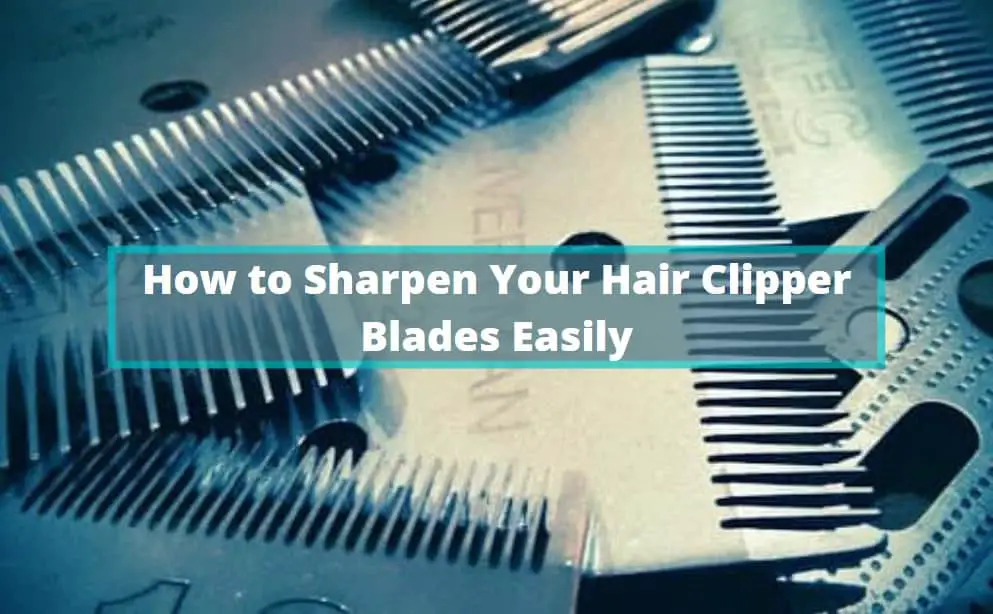
Maintaining sharp clipper blades is essential for effective grooming, whether for pets or professional clients. Regular sharpening not only enhances the performance of the clippers but also significantly improves the overall grooming experience. Understanding the importance of sharp blades can lead to better results and greater satisfaction.Sharp blades provide numerous benefits that directly impact the efficiency and effectiveness of grooming tasks.
When clippers are equipped with sharpened blades, they cut through hair with precision, ensuring a clean and smooth finish. This efficiency minimizes the risk of pulling or snagging hair, which can lead to discomfort for the pet or client. Additionally, utilizing sharp blades can reduce the time spent on grooming, allowing for a more streamlined process.
Benefits of Regular Blade Sharpening
Regularly sharpening clipper blades offers multiple advantages that contribute to superior grooming outcomes. These benefits include the following:
- Enhanced Cutting Efficiency: Sharp blades slice through hair effortlessly, making it easier to achieve desired styles and lengths.
- Reduced Hair Pulling: Blades that are sharp decrease the likelihood of tugging, which can cause pain and stress for both pets and clients.
- Improved Grooming Experience: A smooth cut promotes comfort, resulting in a more enjoyable grooming session for pets, which can lower anxiety levels.
- Longer Lifespan of Blades: Regular sharpening extends the life of clipper blades, ensuring they remain effective over time and reducing the need for frequent replacements.
- Cleaner Cuts: Sharp blades create crisp lines and shapes, enhancing the final appearance of the groomed animal or client.
In summary, ensuring that clipper blades are regularly sharpened not only improves their cutting performance but also enhances the overall grooming experience. A commitment to maintaining sharp blades is a crucial aspect of professional grooming practices that leads to satisfied customers and happier pets.
Tools Required for Sharpening
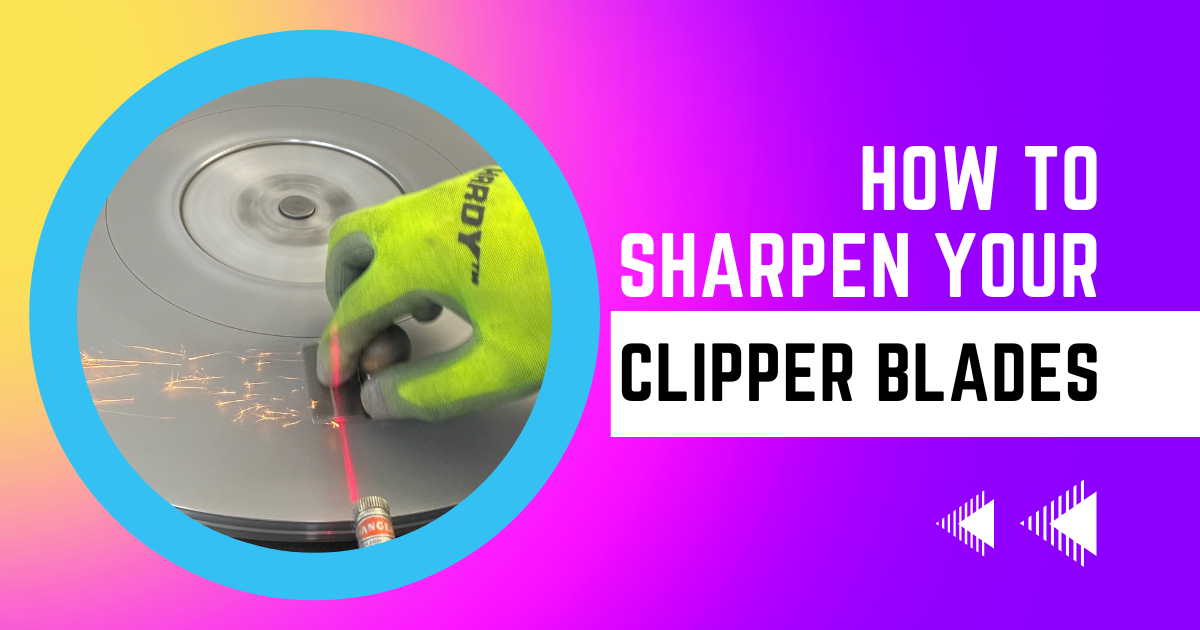
Sharpening clipper blades requires specific tools to ensure precision and efficiency. Utilizing the right equipment can significantly enhance the sharpening process, leading to longer-lasting blades and improved performance. Below is an overview of the essential tools necessary for effective clipper blade sharpening.
Essential Tools for Sharpening Clipper Blades
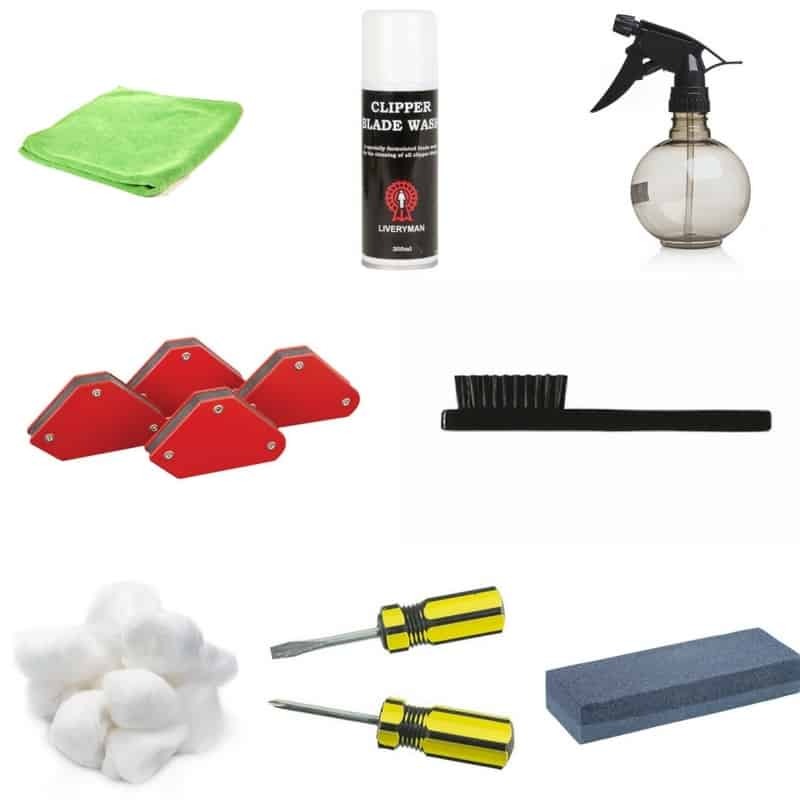
To achieve optimal results when sharpening clipper blades, it is crucial to have a well-equipped workspace with the following tools:
- Sharpening Stone: A high-quality sharpening stone, preferably diamond-coated, is vital for refining the blade edges. Diamond stones are preferred due to their durability and effectiveness in maintaining blade sharpness.
- Clipper Blade Sharpening Machine: This specialized machine can quickly and accurately sharpen various types of clipper blades. It automates the sharpening process, making it more efficient and consistent.
- Honing Oil: Using honing oil during the sharpening process can help reduce friction and prevent overheating, ensuring a smoother sharpening experience and prolonging the life of the blade.
- Brushes: A small brush is essential for cleaning the blades before and after sharpening. Removing hair and debris ensures that the blades are in prime condition for sharpening.
- Safety Goggles: Protective eyewear should always be worn during the sharpening process to safeguard against metal shavings and debris.
The selection of sharpening tools can vary based on the type of clipper blades being sharpened. Understanding the unique requirements of different blade types can help in choosing the appropriate sharpening tool.
Choosing the Right Sharpening Tool for Different Blade Types
Different clipper blades may require distinct sharpening techniques and tools. For instance, traditional steel blades may benefit from a whetstone, while ceramic blades can be effectively sharpened using a diamond plate. When selecting a sharpening tool, consider the following factors:
- Blade Material: The composition of the blade dictates the type of sharpening tool. Harder materials like ceramic require specialized equipment, whereas softer steel blades can be sharpened with conventional stones.
- Blade Design: Clipper blades come in various designs, such as straight or curved edges. Ensure the sharpening tool complements the specific contour of the blade for effective sharpening.
- Frequency of Use: For professionals who sharpen blades frequently, investing in a high-quality sharpening machine can save time and yield better results than manual sharpening methods.
The importance of using quality tools cannot be overstated. Quality tools facilitate a smoother sharpening process, reduce the risk of damaging the blades, and ultimately lead to superior cutting performance.
Importance of Using Quality Tools
Utilizing high-quality sharpening tools is imperative for achieving the best results. Quality tools ensure precision and longevity of the blades, leading to a better cutting experience.
“Investing in quality sharpening tools is an investment in the efficiency and effectiveness of your clipper blades.”
Using inferior tools may lead to uneven sharpening, blade damage, and increased wear and tear. Therefore, selecting robust and reliable tools is essential for maintaining the integrity of clipper blades while optimizing their performance.
Step-by-Step Guide to Sharpening Clipper Blades
Properly sharpening clipper blades is essential for maintaining optimal performance and prolonging the life of your clippers. This detailed guide will provide you with a structured approach to preparing clipper blades for sharpening and the methods of sharpening, ensuring a smooth and effective process.
Preparation of Clipper Blades for Sharpening
Before beginning the sharpening process, it is crucial to prepare the clipper blades correctly. Proper preparation helps avoid damage during sharpening and ensures a better result. Follow these steps to prepare your clipper blades:
- Begin by disconnecting the clipper from its power source to ensure safety.
- Remove the blades from the clipper body carefully using the appropriate screwdriver or tool, taking care not to strip any screws.
- Clean the blades thoroughly with a brush and a cleaning solution to remove hair, debris, and oil. This step prevents contaminants from interfering with the sharpening process.
- Inspect the blades for any visible damage or wear. If the blades are excessively dull or damaged, consider replacing them instead of sharpening.
Methods of Sharpening Clipper Blades
There are various methods for sharpening clipper blades, each with its advantages. Understanding these methods will help you choose the best approach for your needs.
Manual Sharpening
Manual sharpening allows for precision and control over the sharpening process. It typically involves using sharpening stones or files. Here are the steps to follow:
- Select a suitable sharpening stone or file, preferably one that is fine-grit for a smooth edge.
- Hold the blade at the correct angle, usually around 30 degrees, against the stone or file.
- Gently slide the blade along the stone in a consistent motion, applying light pressure. Ensure that you maintain the same angle throughout.
- Repeat this process on both the cutting edge and the flat side of the blade until a sharp edge is achieved.
- Check the sharpness by testing it on a piece of paper or hair. If it easily cuts through, the sharpening is complete.
Electric Sharpeners
Using an electric sharpener can save time and effort. Follow these steps when using an electric sharpener:
- Set up the electric sharpener according to the manufacturer’s instructions, including selecting the appropriate settings for your clipper blades.
- Insert the blades into the sharpener, ensuring they are aligned correctly to prevent any damage.
- Activate the sharpener and allow it to work on the blades for the recommended amount of time, often indicated in the user manual.
- Remove the blades and check the sharpness. If necessary, repeat the sharpening process for better results.
Ensuring Even Sharpening Across the Blade Surface
Achieving even sharpening across the blade surface is critical for optimal clipping performance. Here are some tips to ensure uniformity:
“The key to effective sharpening is maintaining consistent angles and pressure throughout the process.”
- Regularly check the blade angle while sharpening. Keeping the angle consistent ensures that the entire edge receives equal attention.
- Use a guide or template if available, as this can help maintain the proper angle and alignment during sharpening.
- Periodically test the blade sharpness throughout the process to identify any areas that may need additional attention.
- Be patient; rushing can lead to uneven sharpening, resulting in a subpar cutting performance.
Maintenance Tips for Clipper Blades
Routine maintenance of clipper blades is essential to ensure their longevity and performance. Proper care can significantly prolong the sharpness of the blades, reducing the frequency of sharpening and enhancing the efficiency of hair cutting. Implementing a few simple maintenance tasks can maintain the quality of your clipper blades over time.Cleaning clipper blades after each use is crucial for preventing buildup that can dull the edges and affect performance.
Regular cleaning helps to remove hair debris, oils, and other particles that accumulate during operation. To clean the blades effectively, follow these steps:
Cleaning Clip Blade After Use
Begin by turning off the clipper and disconnecting it from the power source. Use a soft brush, such as a toothbrush, to gently sweep away hair and debris from the blades. After removing visible debris, use a cleaning solution specifically designed for clipper blades or a mixture of warm water and mild soap. Dip a cloth or soft brush into the solution and carefully wipe the blades, ensuring that no moisture enters the motor housing.
After cleaning, rinse the blades with clean water if necessary and allow them to dry completely before storing.
“Proper cleaning not only extends the sharpness of clipper blades but also enhances the overall hygiene of the grooming process.”
Oiling and Storing Clipper Blades
Oiling clipper blades is another critical aspect of maintenance that prevents rusting and keeps the blades operating smoothly. Apply a few drops of clipper oil to the blades after cleaning and before storage. This practice reduces friction during use, thereby prolonging the sharpness of the blades. When it comes to storing clipper blades, ensure that they are kept in a dry environment away from moisture to prevent rust.
Using a protective case or blade guard can also help to keep the blades safe from physical damage when not in use. It is advisable to check the clipper blades regularly for signs of wear or damage, and to replace them if necessary. This proactive approach not only ensures optimal performance but also guarantees a better grooming experience.
“Regular maintenance of clipper blades is an investment in effective grooming and a prolongation of the lifespan of your clippers.”
Common Mistakes to Avoid
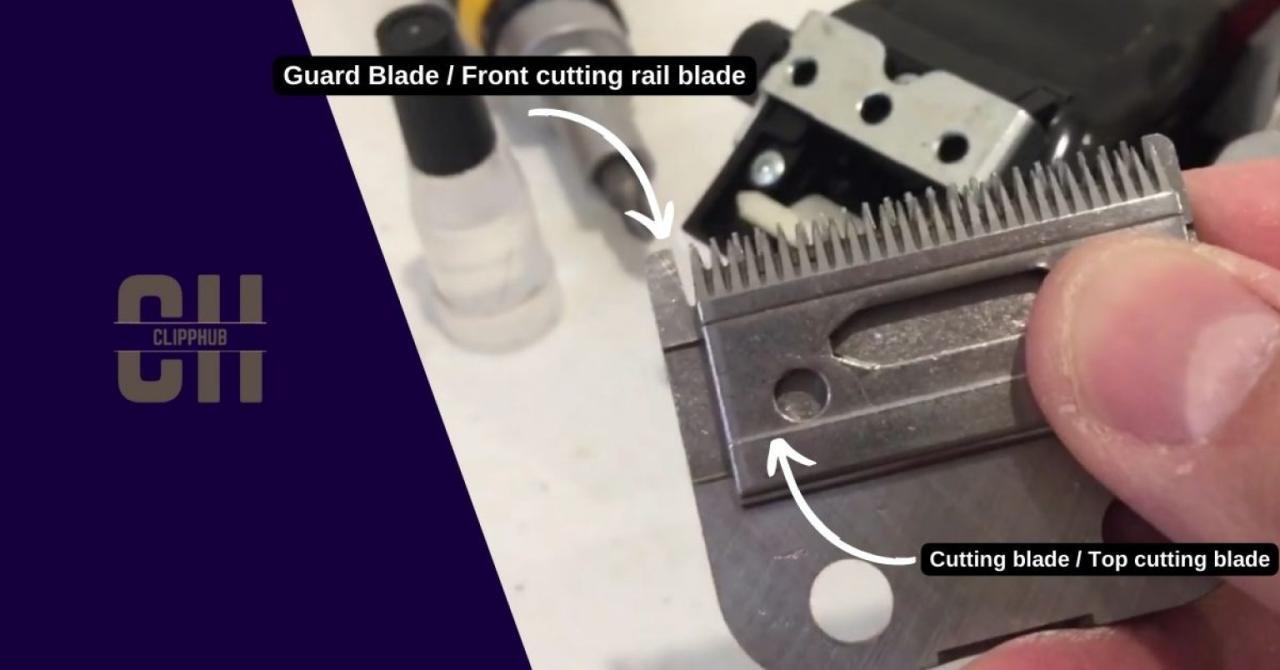
Sharpening clipper blades can be a straightforward task, but many individuals make common mistakes that can hinder the effectiveness of the blades or even cause damage. Understanding what these errors are and how to avoid them is crucial for maintaining the longevity of your clipper blades.One frequent error is using the wrong sharpening angle. Each clipper blade has a specific angle that must be maintained during sharpening.
Incorrect angles can lead to uneven cutting edges, causing the blades to pull hair instead of cutting it cleanly. Additionally, excessive pressure during sharpening can create heat, which may warp the blades or dull them faster. Recognizing these issues can save both time and money in the long run.
Improper Techniques and Their Consequences
Improper sharpening techniques can significantly damage clipper blades, leading to more frequent need for sharpening and, eventually, replacement. Here are some key mistakes to avoid:
- Over-sharpening: Sharpening blades too often or too aggressively can wear them down prematurely, leading to a need for replacement.
- Neglecting Cleaning: Failing to clean the blades before sharpening can result in debris and hair clogging the sharpening tool, preventing a smooth sharpen and potentially damaging the blades.
- Ignoring Rust and Corrosion: Sharpening blades that are rusty or corroded without first treating them can lead to further deterioration. It’s crucial to address these issues prior to sharpening.
- Using Inadequate Tools: Employing improper sharpening tools, such as dull files or incorrect grinders, can lead to ineffective sharpening and blade damage.
- Forgetting to Lubricate: Proper lubrication post-sharpening is essential. Skipping this step can lead to increased friction and heat, which may dull the blades rapidly.
Recognizing when to seek professional sharpening services is equally important. If the blades are severely damaged, rusted, or you’re experiencing persistent issues despite regular sharpening, it might be best to consult a professional. Professionals can ensure that blades are sharpened correctly, prolonging their lifespan and improving performance.
“Proper care and attention to detail are key to maintaining sharp clipper blades and achieving the best possible performance.”
Troubleshooting Dull Blades
Identifying and addressing dull clipper blades is crucial for maintaining optimal performance in grooming tasks. Dull blades not only affect the quality of the cut but can also lead to discomfort for the animal or person being groomed. Recognizing the signs of dullness and understanding its causes can help ensure that clipper blades remain effective and safe to use.Signs of dull clipper blades can manifest in several ways.
A clear indication is the presence of tugging or pulling during use, which indicates that the blades are not efficiently cutting through hair. Additionally, decreased cutting speed and increased noise levels are common symptoms of dull blades. Users may also notice that blades heat up more quickly, which can result in discomfort during grooming sessions. If these signs are observed, it is essential to address the issues promptly to prevent further damage to the blades or the clipper.
Common Causes of Blade Dullness
Understanding the factors contributing to blade dullness is vital for effective maintenance. Several common causes can lead to the deterioration of clipper blades:
- Hair Buildup: Accumulation of hair, grease, and dirt can hinder the cutting performance of the blades. Regular cleaning after each use can mitigate this issue.
- Improper Use: Using clipper blades on unsuitable hair types or for purposes other than intended can significantly dull the edges. Adhering to manufacturer guidelines is essential.
- Lack of Oil: Insufficient lubrication can lead to increased friction, causing blades to wear out faster. Regular oiling of blades is necessary for optimal performance.
- Wear and Tear: Over time, all blades will experience natural wear from use. Monitoring usage frequency and replacing blades as needed is critical.
Each of these factors can be addressed with proper care and regular maintenance practices. By implementing preventive measures, users can extend the lifespan of their clipper blades and maintain their effectiveness.
Restoring Blade Sharpness or Knowing When to Replace
In cases where sharpening may not suffice, it is essential to know the signs that indicate a need for replacement. Recognizing when blades have reached the end of their usable life can save time and enhance performance. If sharpening attempts do not yield desired results, it may be time to consider new blades. Signs that suggest the need for replacement include persistent dullness despite regular sharpening, visible damage or chipping on the blades, and excessive heating during operation, even after cleaning and oiling.
In these cases, investing in new blades is recommended to ensure the highest quality grooming experience.Proper identification of dull blades and understanding their causes will empower users to maintain their grooming tools effectively. Regular maintenance and attentiveness to the performance of clipper blades will lead to successful grooming sessions and satisfied clients or pets.
Comparison of Different Sharpening Methods
Sharpening clipper blades is essential for maintaining their performance and lifespan. There are various methods available for sharpening, each with its own effectiveness, time demands, and costs involved. Understanding these methods can help you decide which option best suits your needs.
Manual Sharpening Techniques Versus Electric Sharpeners
Manual sharpening techniques and electric sharpeners present two distinct approaches to achieving sharp clipper blades. Each method has distinct pros and cons that affect effectiveness, time investment, and financial cost.
- Effectiveness: Manual sharpening typically involves the use of whetstones or sharpening files, which allows for precise control over the sharpening angle and method. This can lead to a finely honed edge but requires skill and practice. Electric sharpeners, on the other hand, provide consistent results and are easier to use, but they may lack the precision that manual methods offer.
- Time: Manual sharpening can be time-consuming, particularly for those who are inexperienced. It may take several attempts to achieve the desired sharpness. Electric sharpeners, conversely, can complete the task in a matter of minutes, making them a faster option for those who need immediate results.
- Cost: Manual tools like whetstones and files are generally low-cost investments, but they may require practice to use effectively. Electric sharpeners often involve a higher initial cost, but they can save time and effort in the long run.
Professional Sharpening Services Versus DIY Methods
Choosing between professional sharpening services and do-it-yourself (DIY) methods can greatly influence the quality of the sharpened blades.
- Professional Services: Utilizing professional sharpening services often guarantees a high-quality result due to the expertise and specialized equipment used. However, this can be more expensive and may require waiting time for service completion.
- DIY Methods: DIY sharpening can save money and provide flexibility in timing. However, it requires knowledge and skill to achieve satisfactory results. Poorly executed sharpening can lead to blade damage or ineffective cutting.
Best Methods for Specific Types of Blades or Materials
Different types of clipper blades and materials require tailored sharpening methods to ensure optimal performance and longevity.
- Steel Blades: For high-carbon steel or stainless steel blades, manual sharpening with a whetstone is often recommended. This method allows for fine-tuning the edge and maintaining the blade’s integrity.
- Ceramic Blades: Ceramic blades can be sharpened using specialized diamond sharpening tools. These are designed to accommodate the hardness of the ceramic material without causing damage.
- Clipper Blade Type: Detachable blades may require different sharpening techniques than fixed blades. For detachable blades, electric sharpeners designed specifically for clipper blades can provide quick and consistent results.
Safety Precautions While Sharpening
Sharpening clipper blades is a crucial task that requires careful handling of tools and an awareness of safety measures. Ensuring a safe workspace and using the right protective gear can significantly reduce the risk of accidents and injuries while sharpening. Paying attention to safety not only protects the individual performing the task but also enhances the overall efficiency of the sharpening process.Effective safety precautions can be categorized into several key areas, including protective gear, workspace organization, and general handling practices.
Implementing these measures is essential to create a safe environment while sharpening clipper blades.
Protective Gear
Using appropriate protective gear is vital for ensuring personal safety during the sharpening process. The following items are recommended for anyone involved in sharpening clipper blades:
- Safety Glasses: Protects the eyes from sharp metal debris and any accidental slips of the tool.
- Cut-Resistant Gloves: Provides a barrier against cuts from the blades, which can be exceptionally sharp.
- Dust Masks: Useful for avoiding inhalation of metal filings and dust generated during the sharpening process.
- Apron: Wearing a thick apron can protect the body from accidental contact with sharp edges and flying debris.
Safe Workspace Organization
The organization of the workspace plays a significant role in maintaining safety while sharpening clipper blades. A well-arranged area minimizes distractions and hazards. Key considerations include:
- Clear Work Surface: Ensure the workbench is free from clutter, allowing ample space to maneuver tools safely.
- Proper Lighting: Adequate lighting is essential to see the blades clearly, reducing the risk of mistakes.
- Non-Slip Mats: Using mats can help prevent tools or blades from slipping during the sharpening process.
- Organized Tools: Keep all sharpening tools within easy reach but securely stored to avoid accidental contact.
Accident Prevention Tips
To further enhance safety during the sharpening process, it is important to follow specific practices aimed at preventing accidents. These tips include:
- Secure Blade Positioning: Ensure that the clipper blades are securely clamped or held in place to prevent movement while sharpening.
- Controlled Movements: Use slow and deliberate motions when sharpening to maintain control over the blade and tool.
- Regular Breaks: Taking breaks reduces fatigue, which can lead to lapses in focus and potential accidents.
- Proper Tool Handling: Always handle blades and tools with care, keeping fingers away from sharp edges and moving parts.
“Safety is not just a priority; it’s a way of life.”
Maintaining awareness and following these safety precautions establishes a secure environment for sharpening clipper blades, ensuring both effectiveness and personal safety.
Closing Notes
In conclusion, mastering the art of sharpening your clipper blades is crucial for achieving the best grooming results. By following the Artikeld procedures, utilizing quality tools, and adopting proper maintenance practices, you can ensure that your blades remain sharp and effective. Whether you choose to sharpen your blades yourself or seek professional assistance, understanding the importance of blade sharpness will ultimately enhance the grooming experience for both you and your clients.