Dematting a dog’s fur is not just a grooming task, but a vital aspect of ensuring your pet’s health and comfort. Proper dematting can alleviate discomfort caused by tangled fur, preventing skin irritations and infections that mats can harbor. Moreover, different breeds face unique matting challenges, making this process essential for their well-being.
In this guide, we will explore the importance of dematting, the tools required, and effective techniques to carry out this task safely at home. You will learn about preparing your dog for the experience, the necessary safety precautions, and aftercare to maintain your dog’s fur health post-dematting. By the end, you will be well-equipped to tackle matting issues and keep your furry friend looking and feeling their best.
Importance of Dematting a Dog’s Fur
Maintaining a dog’s fur is essential for their overall health and well-being. Dematting is a crucial part of grooming that ensures a dog’s coat remains free from tangles and mats. By regularly dematting a dog’s fur, pet owners can prevent discomfort and various health issues that may arise from neglected grooming practices. Furthermore, a well-maintained coat can enhance a dog’s aesthetic appeal and promote their confidence during social interactions.
Dematting plays a significant role in a dog’s comfort and health. Mats can trap moisture, dirt, and parasites, leading to skin irritations, infections, and an unpleasant odor. Regular dematting helps to keep the skin clean and allows for better air circulation, reducing the risk of hot spots and other dermatological issues. When mats are left untreated, they can pull on the skin, causing pain and discomfort, which may result in behavioral changes such as aggression or withdrawal.
Common Matting Problems in Different Dog Breeds
Different dog breeds have varying coat types, which can influence the frequency and severity of matting. Understanding the common issues associated with specific breeds can help pet owners take proactive measures in grooming their dogs. The following are some breeds that are particularly prone to matting and the issues they may encounter:
- Yorkshire Terrier: This breed has a long, silky coat that is prone to tangling and matting, especially around the ears and underbelly. Regular brushing is essential to keep their coat manageable.
- Poodle: Poodles have a curly coat that can trap dirt and debris, leading to extensive matting if not groomed regularly. Grooming should include professional clips every few months to maintain coat health.
- Cocker Spaniel: With their long, flowing ears and fur, Cocker Spaniels are susceptible to mats that can form behind the ears and on the legs. Regular ear cleaning is also necessary to prevent infections.
- Shih Tzu: This breed’s long coat requires daily brushing to avoid mats, particularly around the face and under the legs. Neglecting to demat can lead to painful skin irritations.
- Collie: Collies have a double coat that can mat, especially during shedding seasons. Regular grooming helps manage loose fur and prevents mats from forming.
“A well-groomed dog is not just aesthetically pleasing; it is also crucial for their overall health and comfort.”
By recognizing the specific grooming needs of various breeds, pet owners can take the necessary steps to keep their dogs’ coats in optimal condition, preventing the discomfort and health risks associated with matting.
Tools Required for Safe Dematting
Dematting a dog’s fur can be a challenging task, but having the right tools can make the process much more manageable and safe for your furry friend. Using appropriate tools not only enhances the efficiency of dematting but also minimizes discomfort for the dog. Below is a comprehensive overview of essential tools categorized by the type of dog fur.
Essential Tools for Dematting
Choosing the right tools is crucial for effectively dematting your dog’s fur without causing pain or stress. Each tool has a specific function that contributes to the overall grooming process. The following table summarizes the essential tools and their respective uses, categorized by fur length.
| Fur Type | Tool | Function | Usage Instructions |
|---|---|---|---|
| Short Fur | Fine-toothed Comb | Helps detangle small knots and remove dirt. | Gently run through the fur, starting from the skin and moving outward. |
| Rubber Grooming Brush | Removes loose fur and stimulates skin. | Brush in the direction of hair growth in short, gentle strokes. | |
| Medium Fur | Dematting Comb | Designed to effectively cut through mats without pulling on the skin. | Use the serrated edge to gently work through matted areas, starting from the ends. |
| Pin Brush | Loosens debris and separates hair strands. | Brush in sections, using a rotating motion to avoid tugging. | |
| Shedding Blade | Removes loose undercoat and helps in dematting. | Gently glide the blade over the dog’s coat, focusing on areas prone to matting. | |
| Long Fur | Wide-toothed Comb | Detangles larger mats without breaking the hair. | Start from the ends and work your way up in small sections. |
| Dematting Rake | Effectively breaks up mats while being gentle on the skin. | Use the rake to gently pull through the mat, starting from the outer edges. | |
| Slicker Brush | Removes loose fur and helps detangle longer hairs. | Brush in the direction of fur growth, applying minimal pressure. |
Each tool serves a unique purpose, and understanding how to utilize them effectively will provide a more pleasant experience for both you and your dog. Regular grooming with these tools not only keeps your dog’s coat healthy but also fosters a strong bond between you and your pet.
Preparing Your Dog for Dematting
Creating a positive experience for your dog during the dematting process is essential for both their comfort and your success. Proper preparation helps to minimize anxiety and resistance, ensuring that you can effectively remove tangles without causing distress. By establishing a calm environment and reinforcing positive behavior, you can make the dematting session more enjoyable for both you and your pet.To effectively prepare your dog for the dematting process, it is important to consider several factors that contribute to a peaceful grooming session.
The following steps Artikel how to create a suitable atmosphere and approach the task in a methodical manner.
Steps to Prepare Your Dog
Begin by following these steps to ensure a smooth dematting experience:
1. Choose the Right Location
Select a quiet, comfortable space where your dog feels secure. This can be a familiar room with minimal distractions, allowing your dog to focus on the task at hand.
2. Set Up the Area
Have all your tools organized and within easy reach. This includes dematting combs, brushes, and any treats you plan to use for rewards.
3. Create a Calm Atmosphere
Play soft music or use calming pheromone diffusers to help your dog relax. The goal is to create an environment that is conducive to stress-free grooming.
4. Gently Introduce the Tools
Before starting the dematting process, allow your dog to sniff and become familiar with the grooming tools. This will help decrease their anxiety about the unfamiliar items.
5. Start with Short Sessions
If your dog is not accustomed to grooming, begin with brief sessions to prevent overwhelming them. Gradually increase the duration as your dog becomes more comfortable.
6. Monitor Your Dog’s Body Language
Pay close attention to your dog’s signals. If they show signs of stress or discomfort, take a break and provide reassurance.
7. Use Positive Reinforcement
Throughout the dematting process, reward your dog with treats or praise for calm behavior. This will help them associate grooming with positive experiences.
“Creating a calm environment is vital for ensuring a positive dematting experience for both the dog and the owner.”
By implementing these strategies, you set the stage for a more effective and enjoyable dematting session. Establishing a routine that incorporates comfort, familiarity, and positive reinforcement will greatly enhance your dog’s experience during grooming.
Techniques for Dematting
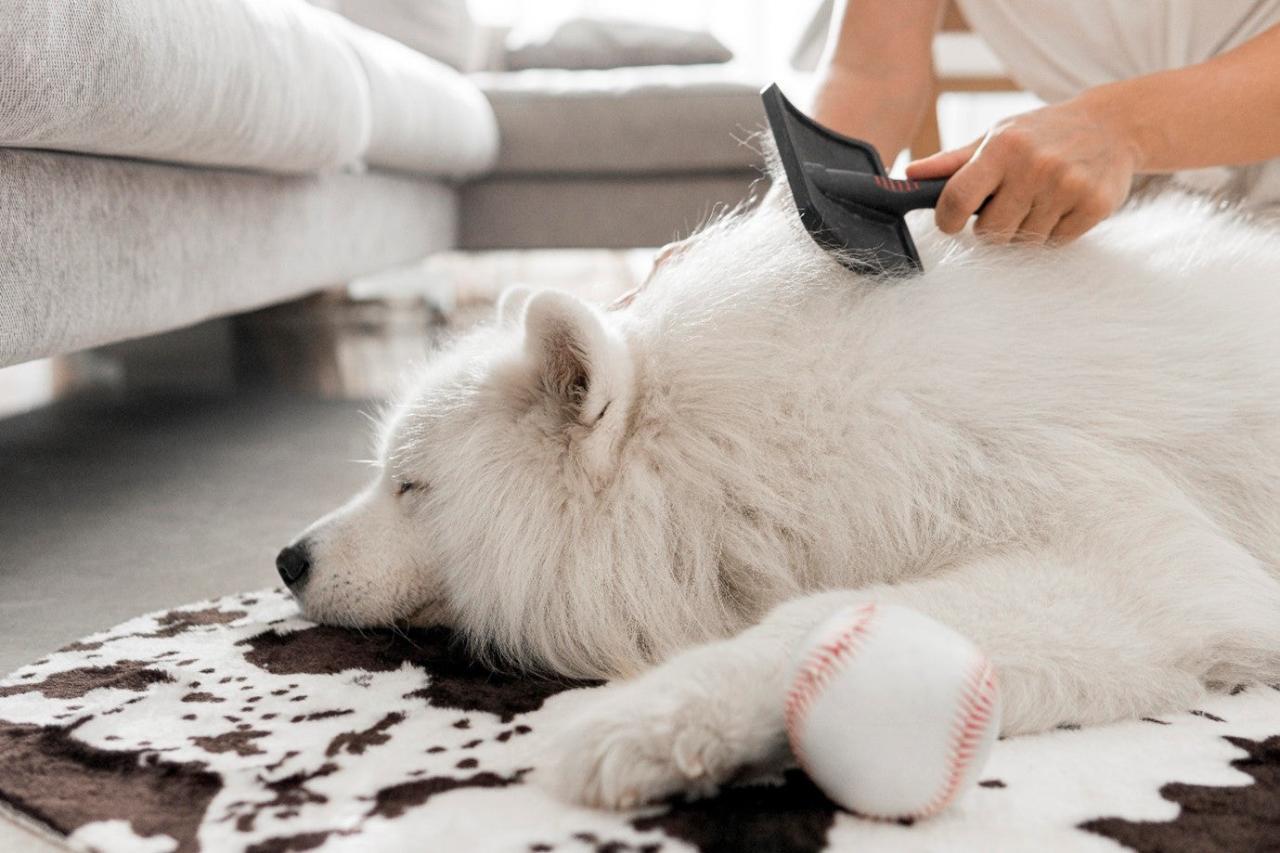
Dematting a dog’s fur requires careful techniques to ensure the process is safe and stress-free for your pet. Understanding the right methods and tools can make a significant difference in the comfort of your dog and the overall effectiveness of the dematting process. It is essential to recognize the type of fur and the severity of matting to choose the most appropriate technique.When choosing between a dematting comb and scissors, each has its uses depending on the situation.
A dematting comb is designed specifically for detangling fur while minimizing the risk of cutting the skin. It features sharp blades that can cut through knots without damaging the surrounding hair. On the other hand, scissors may be necessary for severe matting, allowing for precise removal of problematic areas, but they require caution to prevent accidental injury.For effective dematting, the following techniques are recommended based on the condition of your dog’s fur:
Techniques Based on Fur Condition
When addressing different levels of matting, it is crucial to tailor your technique accordingly. Below is a guide to various techniques based on the severity of matting:
- Light Matting:
For lightly matted fur, gentle grooming can be sufficient.
- Use a slicker brush to remove loose fur and any minor tangles.
- Follow up with a dematting comb to carefully work through any remaining knots.
- Always start at the tips of the fur and work your way up to the base to prevent further tangling.
- Moderate Matting:
Moderate matting requires a bit more effort and care.
- Begin by sectioning the fur into manageable parts using hair clips.
- Gently use a dematting comb to work through the tangles, holding the base of the fur to prevent pulling on the skin.
- If necessary, use a pair of blunt-tipped scissors to carefully snip away larger mats while ensuring you do not cut the skin.
- Heavy Matting:
Heavy matting may require a more intensive approach and can be painful for the dog.
- Consider using a dematting tool with serrated blades that can break apart mats without pulling on the skin.
- For particularly stubborn mats, carefully cut them away with scissors, always ensuring your dog is calm and secure.
- After removing mats, thoroughly brush the area and consider a soothing conditioner to help detangle any remaining loose hair.
Safety Precautions During Dematting

When dematting a dog’s fur, it is essential to prioritize the safety and well-being of the animal. Proper precautions ensure a smooth dematting process, reducing stress for both the dog and the groomer. By understanding and implementing key safety measures, you can create a positive grooming experience for your pet.Recognizing the signs that indicate a dog is uncomfortable or in pain is crucial during the dematting process.
Dogs communicate their distress through various signals, which can include vocalizations, body language, and behavior changes. Observing these signs allows for timely intervention, ensuring that the dog does not suffer unnecessarily.
Safety Measures and Signs of Discomfort
Implementing the right safety measures can prevent injury to the dog during the dematting process. Below are vital precautions to take, along with signs to watch for to ensure your dog’s comfort:
| Safe Practices | Common Mistakes |
|---|---|
| Use specialized dematting tools designed to minimize discomfort. | Using regular brushes or combs that can snag and pull on the fur. |
| Groom in a calm and quiet environment to reduce anxiety. | Grooming in a loud, chaotic space that may frighten the dog. |
| Take breaks during dematting, allowing the dog to relax. | Working continually without breaks, which may lead to stress and fatigue. |
| Monitor the dog’s body language for signs of discomfort. | Ignoring signals such as excessive panting, growling, or attempts to move away. |
| Start with gentle strokes and slowly work through mats with patience. | Rushing into aggressive dematting, which can cause pain and fear. |
Understanding your dog’s body language and emotional state during grooming is essential for a safe and pleasant experience.
Recognizing specific behaviors that indicate discomfort is equally important. Signs such as a tucked tail, ears pinned back, or avoidance of eye contact may suggest that the dog is stressed. If your dog vocalizes with whines or growls, these are clear indicators that the dog is unhappy. It is important to respond to these signals and adjust your approach accordingly to ensure the animal feels safe and secure throughout the dematting process.
Aftercare Post-Dematting
After successfully dematting your dog’s fur, it is essential to implement proper aftercare practices to maintain the health of their coat. Just as dematting can alleviate discomfort for your pet, aftercare ensures that their fur remains smooth, healthy, and free of further tangles. The following tips and techniques will help you keep your dog’s fur in optimal condition following the dematting process.Regular grooming is critical to prevent future matting and to maintain the overall health of your dog’s coat.
Consistent grooming not only reduces the likelihood of tangles but also helps distribute natural oils throughout the fur, keeping it moisturized and vibrant. Establishing a grooming routine tailored to your dog’s specific coat type can be beneficial in achieving these results.
Grooming Products for Maintaining Fur Health
To support the aftercare of your dog’s coat, there are several grooming products available that can enhance fur health and prevent matting. The following list Artikels essential products to consider incorporating into your grooming regimen:
- Detangling Spray: These sprays are formulated to smooth out knots and tangles, making it easier to comb through the fur without causing discomfort.
- Combing Tools: A wide-toothed comb or a slicker brush can be invaluable for detangling and preventing future mats.
- Conditioning Shampoo: Using a high-quality, moisturizing shampoo can help maintain the softness and shine of your dog’s coat.
- Grooming Wipes: These are useful for spot cleaning and keeping your dog’s fur fresh between baths, especially after outdoor activities.
- Fur Conditioner: A specialized fur conditioner can be applied after shampooing to keep the coat nourished and manageable.
- Regular Nail Clippers: Keeping your dog’s nails trimmed can prevent scratching and tugging on the fur, reducing the risk of matting.
Incorporating these grooming products into your routine will not only enhance the health and appearance of your dog’s fur but also provide a positive grooming experience. Regular care will contribute to your dog’s overall well-being and happiness.
When to Seek Professional Help
Dematting a dog’s fur at home can be a rewarding experience, but there are times when it is advisable to consult a professional groomer. Recognizing the signs that indicate the need for expert intervention can save both you and your pet from unnecessary stress and discomfort. Understanding these indicators helps ensure your dog receives the best possible care.There are several situations where seeking professional help is the most prudent choice.
Severe matting, for instance, can lead to skin irritations or infections if not handled properly. Additionally, if your dog becomes anxious or aggressive during the dematting process, it is better to enlist the expertise of a trained groomer.
Signs of Severe Matting Requiring Expert Intervention
It is essential to understand the signs of severe matting that indicate the need for professional help. These include:
- Widespread matting that is difficult to manage with regular tools.
- Mats that are pulling tightly against the dog’s skin, causing discomfort or pain.
- Presence of skin irritations, rashes, or infections beneath the mats.
- Inability of the owner to safely demat due to the dog’s anxiety or aggression.
- Mats that are located in sensitive areas, such as around the ears, under the legs, or near the tail.
The decision to consult a professional groomer can significantly benefit your pet’s well-being. The specialized skills and tools that groomers possess enable them to handle severe matting safely and efficiently.
Benefits of Professional Grooming Services
Utilizing professional grooming services offers numerous advantages for both the pet and the owner. Consider the following benefits:
- Access to specialized tools and products tailored for severe matting.
- Expertise in handling anxious or aggressive dogs, ensuring a safer environment.
- Ability to identify and treat any underlying skin issues or irritations.
- Time-saving for pet owners who may not have the skills or patience for dematting.
- Professional groomers can offer grooming styles that enhance your pet’s appearance and comfort.
By recognizing when to seek professional help and understanding the benefits of these services, pet owners can ensure their furry friends receive the highest level of care and comfort.
Ultimate Conclusion
In conclusion, dematting your dog’s fur at home can be a rewarding experience that fosters a stronger bond between you and your pet. By understanding the dematting process, employing the right tools, and practicing safety measures, you can ensure a positive grooming routine. Regular maintenance and knowing when to seek professional help will keep your dog’s coat healthy and free from mats, enhancing their overall quality of life.