In exploring How to Make Your Dog’s Coat Shiny and Healthy, pet owners are invited to discover essential practices that contribute to the overall well-being of their canine companions. A shiny and healthy coat is not only a sign of good grooming but also reflects the dog’s nutritional intake and general health.
This guide will delve into various aspects, from balanced nutrition and regular grooming to the significance of proper bathing techniques and the use of beneficial supplements. By understanding these elements, dog owners can ensure their pets enjoy vibrant, healthy coats that enhance their appearance and vitality.
Nutrition for a Shiny Coat
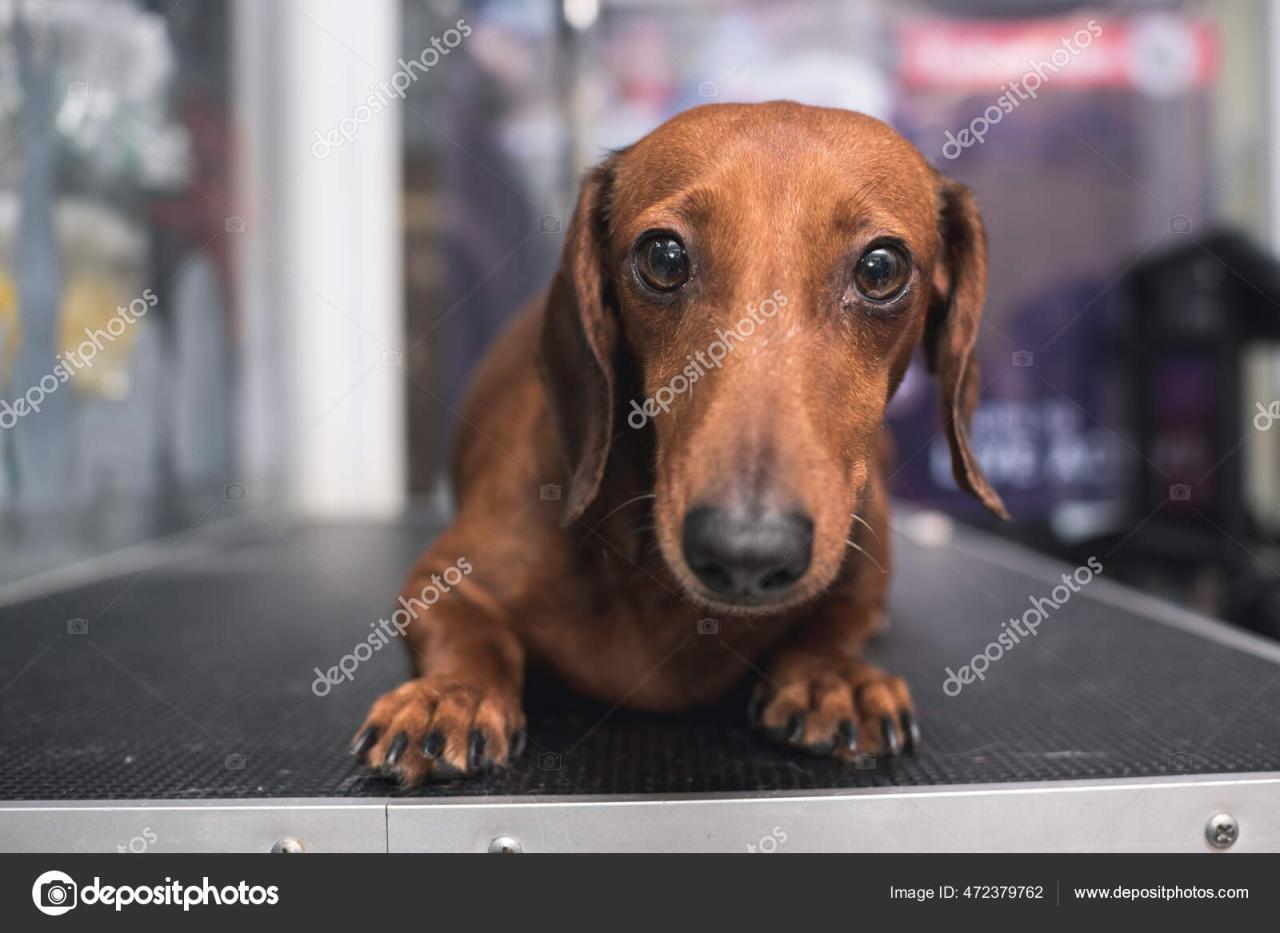
A well-balanced diet is crucial for maintaining a glossy and healthy coat for dogs. Just as humans require adequate nutrition for optimal health, our canine companions benefit from specific nutrients that promote coat vitality and luster. The quality of a dog’s diet directly correlates with the condition of their coat, making it essential for dog owners to understand the key nutritional components that contribute to a shiny appearance.Essential nutrients play a pivotal role in ensuring coat health.
A balanced diet rich in vitamins, minerals, and essential fatty acids significantly influences the shine and texture of a dog’s fur. Among the most important nutrients are omega-3 and omega-6 fatty acids, which help maintain skin moisture and enhance the coat’s sheen. Additionally, vitamins such as biotin, vitamin E, and zinc are vital for robust coat health. These nutrients work synergistically to prevent dryness and flakiness, fostering a resilient and lustrous coat.
Key Nutrients for Coat Health
Understanding the specific nutrients that contribute to a shiny coat is essential for dog owners. The following list highlights the primary nutrients along with their benefits:
- Omega-3 Fatty Acids: These essential fats support skin health, reduce inflammation, and contribute to a glossy coat. They are found in fish oil and flaxseed oil.
- Omega-6 Fatty Acids: Vital for skin barrier function, these fatty acids help maintain moisture and promote shine. Sources include evening primrose oil and borage oil.
- Biotin: This B-vitamin is crucial for hair growth and overall coat health. It can be found in foods like eggs and liver.
- Vitamin E: Known for its antioxidant properties, vitamin E protects the skin and coat from oxidative damage. It is present in nuts and green leafy vegetables.
- Zinc: Essential for skin repair and regeneration, zinc helps maintain a healthy coat. Meat, fish, and whole grains are good sources.
Incorporating these nutrients into a dog’s diet can lead to noticeable improvements in coat condition. Dog food brands that focus on premium ingredients are more likely to contain the essential vitamins and fatty acids that contribute to a shiny coat. Brands such as Orijen, Blue Buffalo, and Royal Canin are well-regarded for their commitment to providing nutritionally balanced diets that support overall canine health, including coat vitality.
It is advisable for dog owners to consult with a veterinarian when making dietary changes or selecting food products, especially if their dog has specific health concerns or dietary restrictions. Ensuring that the canine diet includes the right balance of nutrients is a fundamental step towards achieving and maintaining a beautiful, shiny coat.
Regular Grooming Practices
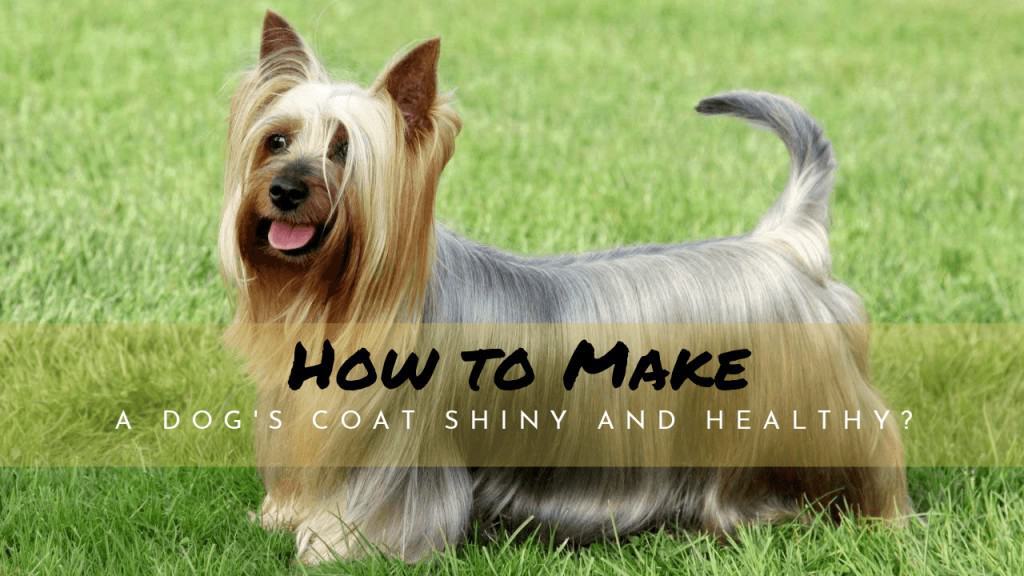
Regular grooming practices are essential for maintaining not only the appearance but also the health of your dog’s coat. Grooming removes dirt, debris, and loose hair, while also stimulating the skin and promoting the production of natural oils. This results in a shiny and healthy coat, which is a reflection of your dog’s overall well-being.The significance of regular grooming extends beyond aesthetics; it plays a vital role in preventing matting and skin conditions, thereby promoting a healthier and more comfortable experience for your dog.
Incorporating a variety of grooming tools into your routine can enhance the effectiveness of this practice. Each tool serves a specific purpose, ensuring all aspects of your dog’s coat and skin are adequately addressed.
Grooming Tools and Their Uses
Utilizing the appropriate grooming tools is crucial for optimizing the health and shine of your dog’s coat. Below are some essential grooming tools and their specific uses:
- Slicker Brush: This tool is perfect for removing tangles, mats, and loose hair from your dog’s coat. Its fine wire bristles penetrate deep into the fur, making it ideal for long-haired breeds.
- Deshedding Tool: Designed to reduce shedding, this tool helps remove the undercoat without damaging the topcoat. It is especially beneficial for double-coated breeds.
- Comb: A comb is essential for detangling and smoothing the fur, particularly in sensitive areas such as the face and ears. Wide-toothed combs are best for detangling, while narrow-toothed combs can be used for smoothing.
- Brushing Mitt: This grooming tool allows for gentle brushing while also providing a massage for your dog, promoting circulation and relaxation.
- Bathing Supplies: High-quality dog shampoos and conditioners are necessary for cleaning the coat and maintaining its shine. Look for products that are specifically formulated for your dog’s coat type.
A consistent grooming schedule is vital for maximizing coat health. Establishing a routine not only ensures your dog is regularly cared for but also helps in monitoring any changes in their coat or skin.
Grooming Schedule
Creating a grooming schedule tailored to your dog’s specific needs can greatly enhance coat health. Below is a recommended grooming schedule based on coat type and length:
- Short-Haired Breeds: Brush every 1-2 weeks to remove loose hair and dirt.
- Medium-Haired Breeds: Brush weekly to prevent matting and keep the coat healthy.
- Long-Haired Breeds: Brush every 2-3 days to prevent tangles and mats.
- Bathing Frequency: Bath your dog every 4-6 weeks, or as needed, depending on their activity level and skin condition.
- Nail Trimming: Trim your dog’s nails every 3-4 weeks to prevent overgrowth and discomfort.
By adhering to this grooming schedule, you can ensure your dog’s coat remains shiny, healthy, and free from issues that may arise from neglect. Regular grooming not only enhances the coat’s appearance but also strengthens the bond between you and your furry companion.
Bathing Techniques
Bathing is an essential component of maintaining a shiny and healthy coat for your dog. It not only helps in removing dirt and debris but also provides an opportunity to apply nourishing products designed to enhance coat luster. Proper bathing techniques are crucial, as they can significantly impact the overall health and appearance of your dog’s fur.The role of high-quality shampoos and conditioners cannot be overstated when it comes to coat care.
These products are formulated with ingredients that cleanse effectively while also moisturizing and protecting the hair. Choosing the right products suited to your dog’s coat type is vital for achieving optimal results. Below is a structured guide to effectively wash and dry your dog’s coat, ensuring that it remains shiny and healthy.
Step-by-Step Guide for Washing and Drying a Dog’s Coat
The following steps Artikel the proper techniques for bathing your dog, emphasizing the importance of each stage for maintaining a shiny coat.
- Preparation: Gather all necessary supplies, including a high-quality dog shampoo, conditioner, towels, and a non-slip mat. Ensuring you have everything at hand will make the bathing process smoother.
- Brushing: Before bathing, brush your dog’s coat thoroughly to remove any tangles, mats, or loose fur. This will enhance the effectiveness of the shampoo and reduce discomfort during washing.
- Water Temperature: Use lukewarm water for bathing your dog. Water that is too hot or too cold can be uncomfortable for your pet and may lead to skin issues.
- Wet the Coat: Gently wet your dog’s coat, starting from the neck and working your way down. Avoid getting water directly in the ears and eyes, as this can cause irritation.
- Shampoo Application: Apply a small amount of high-quality dog shampoo to your hands and lather it gently into your dog’s coat. Focus on the areas that tend to get dirty, such as the paws and belly, while being careful around sensitive areas.
- Rinsing: Rinse thoroughly using lukewarm water until all shampoo is removed. Residual shampoo can lead to skin irritation and dullness of the coat.
- Conditioner Application: After rinsing, apply a suitable conditioner, following the manufacturer’s instructions. This will help to moisturize the coat, enhance shine, and make it more manageable.
- Final Rinse: Rinse the coat again to remove any remaining conditioner. Ensure that no product is left in the fur, as this can weigh it down and diminish its shine.
- Drying: After bathing, gently towel dry your dog to remove excess water. If your dog tolerates it, a blow dryer on a low setting can be used to dry the coat completely. Maintain a safe distance to avoid overheating the skin.
- Post-Bathing Brush: Once the coat is dry, give your dog a final brush to remove any remaining tangles and distribute natural oils throughout the coat, enhancing its shine.
The use of the right products and proper techniques during bathing reinforces the overall health of your dog’s coat and skin, ensuring a shiny and vibrant appearance.
Supplements for Coat Health
Maintaining a shiny and healthy coat for your dog often extends beyond diet and grooming. Incorporating supplements specifically designed to enhance coat health can significantly contribute to its luster and overall condition. These supplements can provide essential nutrients that may not be adequately supplied through regular dog food alone.One of the most beneficial categories of supplements for improving coat health includes omega fatty acids, biotin, and other vital nutrients.
Each of these supplements plays a unique role in promoting skin health and coat shine.
Omega Fatty Acids
Omega fatty acids are crucial for maintaining healthy skin and a shiny coat in dogs. These essential fatty acids help to reduce inflammation, improve skin hydration, and enhance overall coat appearance. The two main types of omega fatty acids beneficial for dogs are omega-3 and omega-6:
- Omega-3 fatty acids are primarily found in fish oil and flaxseed oil. They help reduce shedding, alleviate dry skin, and promote a soft, shiny coat.
- Omega-6 fatty acids are typically derived from vegetable oils, such as evening primrose oil and borage oil. They support skin barrier function and contribute to coat moisture.
When considering omega fatty acid supplements, brands such as Zesty Paws, PetHonesty, and Nordic Naturals offer high-quality options that have been well-received by pet owners. These products are typically formulated to provide a balanced ratio of omega-3 and omega-6 fatty acids, ensuring comprehensive coat health.
Biotin
Biotin, also known as vitamin B7, is a water-soluble vitamin that plays a significant role in the health of your dog’s coat. It aids in the metabolism of fatty acids, amino acids, and glucose, which are vital for healthy skin and fur. Biotin is often included in dog supplements aimed at enhancing coat quality and minimizing shedding.Several reputable brands, including Vet’s Best and Nutramax, offer biotin supplements specifically designed for dogs.
These supplements come in various forms, such as chewable tablets and soft chews, making them easy to administer. Regular use of biotin can lead to noticeable improvements in coat texture and shine over time.
Other Beneficial Supplements
In addition to omega fatty acids and biotin, there are other supplements that can further enhance coat health. Antioxidants, zinc, and probiotics also contribute positively to skin and coat vitality. Antioxidants, such as vitamins E and C, protect skin cells from oxidative stress, while zinc plays a crucial role in maintaining skin integrity and preventing hair loss. Probiotics can improve gut health, which is linked to better nutrient absorption and overall skin condition.Some notable brands that offer a combination of these supplements include Burt’s Bees and Wellness CORE, which provide formulations that target skin and coat health through a blend of vitamins, minerals, and fatty acids.
“Supplements for coat health are not just an addition to your dog’s diet; they are essential for achieving a beautiful, shiny coat that reflects overall wellness.”
Environmental Factors
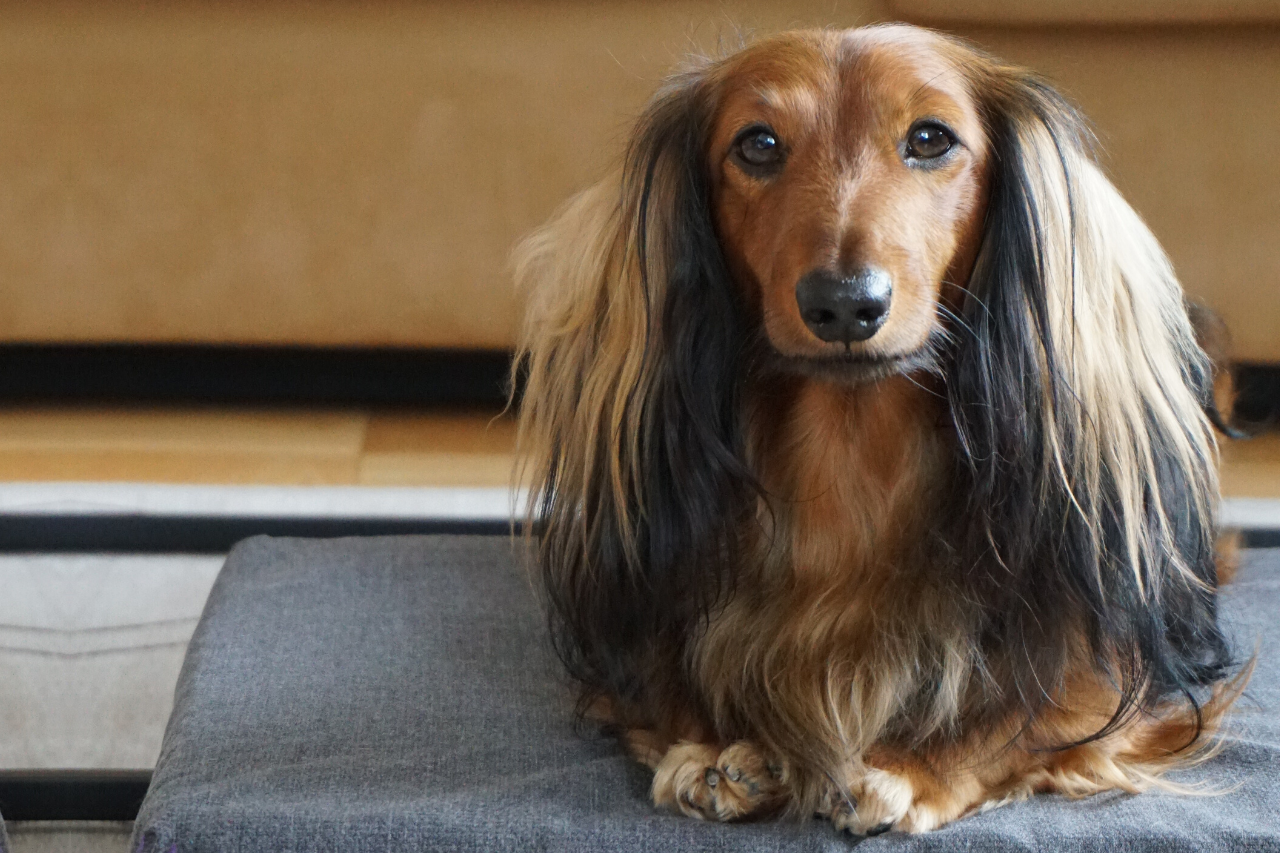
Various environmental factors can significantly impact the health and appearance of your dog’s coat. Just as humans are affected by their surroundings, dogs too can experience changes in their coat conditions due to weather variations, seasonal changes, and indoor environments. Understanding these factors is essential for providing optimal care to maintain your dog’s shiny and healthy coat.Weather changes can have both beneficial and detrimental effects on your dog’s coat health.
For instance, excessive humidity can lead to a greasy or matted coat, while dry, cold air may result in dryness and flakiness of the skin and coat. It is vital to take proactive measures to protect your dog’s coat during extreme weather conditions, ensuring that it remains vibrant and healthy throughout the year.
Effects of Weather Changes and Mitigation Techniques
Adverse weather conditions can lead to a range of coat issues, including dryness, matting, and shedding. Recognizing these changes and implementing appropriate care strategies is crucial. Here are some effective ways to mitigate the impacts of weather on your dog’s coat:
- Humidity Management: In humid weather, regular brushing can help remove excess moisture and prevent matting. Use a slicker brush to detangle fur and reduce the chances of skin infections.
- Winter Care: Cold temperatures can dry out your dog’s skin. Consider using a humidifier indoors to maintain moisture levels in the air and provide extra hydration through topical coat sprays formulated for dogs.
- Sun Protection: Protect your dog’s coat and skin from sunburn, especially for light-colored or short-haired breeds. Use pet-safe sunscreen on exposed areas and limit sun exposure during peak hours.
- Regular Baths: Adjust bathing frequency based on weather conditions. During warmer months, a bath may be beneficial to remove dirt and prevent skin irritations, while in winter, less frequent baths can help retain natural oils.
- Diet Adjustments: Tailor your dog’s nutrition to reflect seasonal needs. Omega fatty acids, in particular, can help keep the coat moisturized and healthy, especially during dry months.
Indoor and Outdoor Care Tips
Maintaining your dog’s coat condition requires consistent care both indoors and outdoors. Implementing a combination of grooming practices and environmental adjustments can greatly enhance your dog’s coat health. Below are care tips for both settings:
- Indoor Care:
- Maintain a clean living environment by regularly vacuuming and removing pet hair and dander.
- Provide ample hydration; ensure your dog always has access to fresh water.
- Use air purifiers to minimize allergens and irritants that could affect coat health.
- Outdoor Care:
- Be mindful of the ground temperature; prevent paw and coat irritation by avoiding hot pavement in summer and icy surfaces in winter.
- Limit exposure to toxic plants and substances that could harm your dog’s skin or coat.
- After outdoor activities, particularly in muddy or snowy conditions, ensure your dog is bathed and dried thoroughly to prevent matting and skin issues.
“A dog’s coat is a reflection of their overall health; environmental care is key to maintaining its shine and vitality.”
Health Issues Affecting Coat Quality
A dog’s coat serves as a significant indicator of its overall health. When the coat appears dull, dry, or unhealthy, it may signal underlying health issues that warrant attention. Understanding the common health problems that can affect coat quality is vital for pet owners. By recognizing these issues early and addressing them with appropriate veterinary care, you can help restore your dog’s coat to its natural shine and vitality.Certain health problems can lead to a decline in coat quality.
These can include hormonal imbalances, skin allergies, infections, and nutritional deficiencies. Each of these conditions not only affects the coat but might also indicate broader health concerns. Identifying symptoms associated with these issues is crucial for timely intervention and treatment.
Common Health Problems Impacting Coat Quality
Several health issues can contribute to an unhealthy coat. Recognizing the symptoms associated with these problems is essential for ensuring the well-being of your pet. Here are some common conditions to watch for:
- Hypothyroidism: This hormonal disorder can result in hair loss and a dull coat. Symptoms may include weight gain, lethargy, and increased sensitivity to cold.
- Allergies: Environmental or food allergies can lead to itchy skin, resulting in excessive scratching and hair loss. Signs include redness, inflammation, and skin infections.
- Dermatitis: Skin inflammation caused by various irritants or allergens can affect coat quality. Symptoms include redness, itching, and sometimes the presence of scabs or lesions.
- Fleas or Parasites: Infestations can cause significant irritation and hair loss. Look for signs of biting or scratching, and check for fleas or flea dirt in the coat.
- Autoimmune Disorders: Conditions such as lupus can cause hair loss and changes in skin texture. Symptoms often include sensitivity, lesions, and general malaise.
Recognizing these symptoms promptly is vital for diagnosis and treatment. If you observe any of these signs, consulting with a veterinarian is imperative.
Veterinary Treatments for Coat Health
Effective treatment options are available for improving coat quality, depending on the underlying health issue. Here are some common veterinary interventions that can help restore your dog’s coat:
- Medications: For conditions like hypothyroidism, hormone replacement therapy can restore normal coat quality. Antihistamines or corticosteroids may be prescribed for allergic reactions.
- Flea and Tick Prevention: Regular use of preventative treatments can eliminate parasites that affect coat health. Your veterinarian can suggest appropriate products for your dog.
- Specialized Diets: A veterinarian may recommend a specially formulated diet rich in omega-3 and omega-6 fatty acids, which support skin health and coat condition.
- Topical Treatments: Medicated shampoos or topical treatments can relieve skin irritations and infections, promoting a healthier coat.
- Routine Check-ups: Regular veterinary visits can help monitor your dog’s overall health, allowing for early detection and treatment of potential coat-related issues.
Proper veterinary care not only focuses on the coat itself but also addresses the underlying health problems affecting the dog. Seeking professional advice ensures a comprehensive approach to improving coat quality and overall well-being.
DIY Coat Care Recipes
Creating a shiny and healthy coat for your dog can be achieved using simple do-it-yourself (DIY) recipes. These homemade treatments utilize natural ingredients that are safe and effective, allowing you to pamper your pet without the use of harsh chemicals. Incorporating these recipes into your dog’s grooming routine can enhance coat shine and promote overall health.Natural ingredients not only provide nourishment but also help in maintaining the integrity of your dog’s coat.
By making your own treatments, you can control what goes into them, ensuring that they are free from artificial additives and preservatives. Below are some effective DIY recipes, along with safe ingredients and a guide on how to apply these treatments effectively.
Homemade Coat-Enhancing Oil
A nourishing oil blend can significantly enhance your dog’s coat shine. Here’s a simple recipe:
- 1/4 cup coconut oil
- 1/4 cup olive oil
- 1 tablespoon of vitamin E oil
- 10 drops of lavender essential oil (optional for fragrance)
Instructions for Application:
- Mix all ingredients in a bowl until well combined.
- Apply a small amount to your hands and gently massage into your dog’s coat, focusing on the skin.
- Allow the oil to absorb for at least 30 minutes before bathing your dog as usual.
This oil not only adds shine but also moisturizes the skin, preventing dryness.
Yogurt and Honey Coat Mask
A yogurt and honey mask can work wonders for your dog’s coat, providing hydration and nourishment.
- 1/2 cup plain yogurt
- 2 tablespoons honey
- 1 tablespoon olive oil
Instructions for Application:
- Combine all ingredients in a bowl and mix until smooth.
- Apply the mixture evenly across your dog’s coat, avoiding the eyes and ears.
- Leave it on for 15-20 minutes and then rinse thoroughly with warm water.
This mask helps in deep conditioning the coat and leaves it soft and shiny.
Aloe Vera and Oatmeal Bath Treatment
An oatmeal bath, enriched with aloe vera, is perfect for soothing the skin while promoting a healthy coat.
- 1 cup colloidal oatmeal
- 1/2 cup aloe vera gel
- Warm water
Instructions for Application:
- Dissolve colloidal oatmeal in a tub filled with warm water.
- Add the aloe vera gel and mix well.
- Submerge your dog in the bath, allowing them to soak for 10-15 minutes before rinsing with clean water.
This treatment nourishes the coat and alleviates any skin irritation.
Natural Ingredients for Coat Care
Utilizing natural ingredients ensures that your DIY recipes are beneficial for your dog’s coat. Here are some safe and effective ingredients to consider:
Coconut Oil
Known for its moisturizing properties, it helps prevent dryness and adds shine.
Olive Oil
Packed with antioxidants, it nourishes the coat and promotes shininess.
Honey
A natural humectant that retains moisture and provides nourishment.
Yogurt
Rich in probiotics, it supports skin health and adds softness.
Aloe Vera
Renowned for its soothing properties, it helps to calm irritated skin.Incorporating these ingredients into your DIY recipes can lead to remarkable improvements in your dog’s coat quality.
Guide to Effective Application of DIY Treatments
To maximize the benefits of your DIY treatments, proper application is essential. Here are some tips for effective use:
1. Test for Allergies
Before applying any new treatment, perform a patch test on a small area of your dog’s skin to check for allergic reactions.
2. Use Sparingly
A little goes a long way; start with a small amount to avoid over-greasing the coat.
3. Massage Thoroughly
When applying oils or masks, ensure you massage gently into the skin to allow better absorption.
4. Follow with a Rinse
After treatment, always rinse thoroughly to remove excess product, preventing build-up that could irritate the skin.
5. Consistency is Key
Regular application, depending on the treatment, will yield the best results over time.By following these guidelines, your DIY coat care recipes can lead your dog to a shinier, healthier coat that reflects their overall well-being.
Breed-Specific Coat Care
Different dog breeds possess unique coat types that require tailored grooming and coat care techniques to maintain their health and appearance. Understanding the specific needs of each breed can significantly enhance the shine and overall quality of a dog’s coat, ensuring it remains vibrant and healthy.The diverse range of dog breeds falls into several categories based on their coat types, which can include long, short, curly, or wiry fur.
Each type comes with distinct grooming requirements that pet owners should be aware of to provide optimal care. By identifying these needs, you can select appropriate grooming tools and techniques that best cater to your dog’s coat, ultimately leading to a more radiant and healthy appearance.
Coat Types and Grooming Requirements
Different coat types not only vary in appearance but also dictate specific grooming practices. Understanding these requirements is critical for dog owners aiming to enhance their pet’s coat health. Below is a detailed comparison of various coat types along with their respective grooming needs:
| Coat Type | Examples of Breeds | Grooming Techniques |
|---|---|---|
| Short Hair | Beagle, Boxer, Dachshund | Regular brushing with a soft brush helps remove loose hair and distribute natural oils. Bathing every few months is usually sufficient to keep the coat clean. |
| Long Hair | Golden Retriever, Shih Tzu, Afghan Hound | Frequent brushing (at least 2-3 times a week) is essential to prevent matting and tangling. Regular professional grooming may be necessary. |
| Curly Hair | Poodle, Portuguese Water Dog, Lagotto Romagnolo | Regular grooming every few weeks is crucial to prevent matting. Use a slicker brush and consider professional grooming for shaping. |
| Wiry Hair | Fox Terrier, Wirehaired Dachshund, Scottish Terrier | Hand-stripping may be required to maintain the texture and prevent the coat from becoming too soft. Regular brushing can help remove loose hair. |
| Double Coat | Siberian Husky, German Shepherd, Akita | Seasonal shedding requires frequent brushing (at least once a week) to manage loose undercoat hair. Bathing should be done as needed, but avoid over-bathing to protect natural oils. |
Each coat type has its own unique characteristics, and understanding these nuances can greatly improve a dog’s coat health. Grooming should be a regular part of a dog’s care routine, paying special attention to their specific coat needs to ensure they always look their best.
Summary
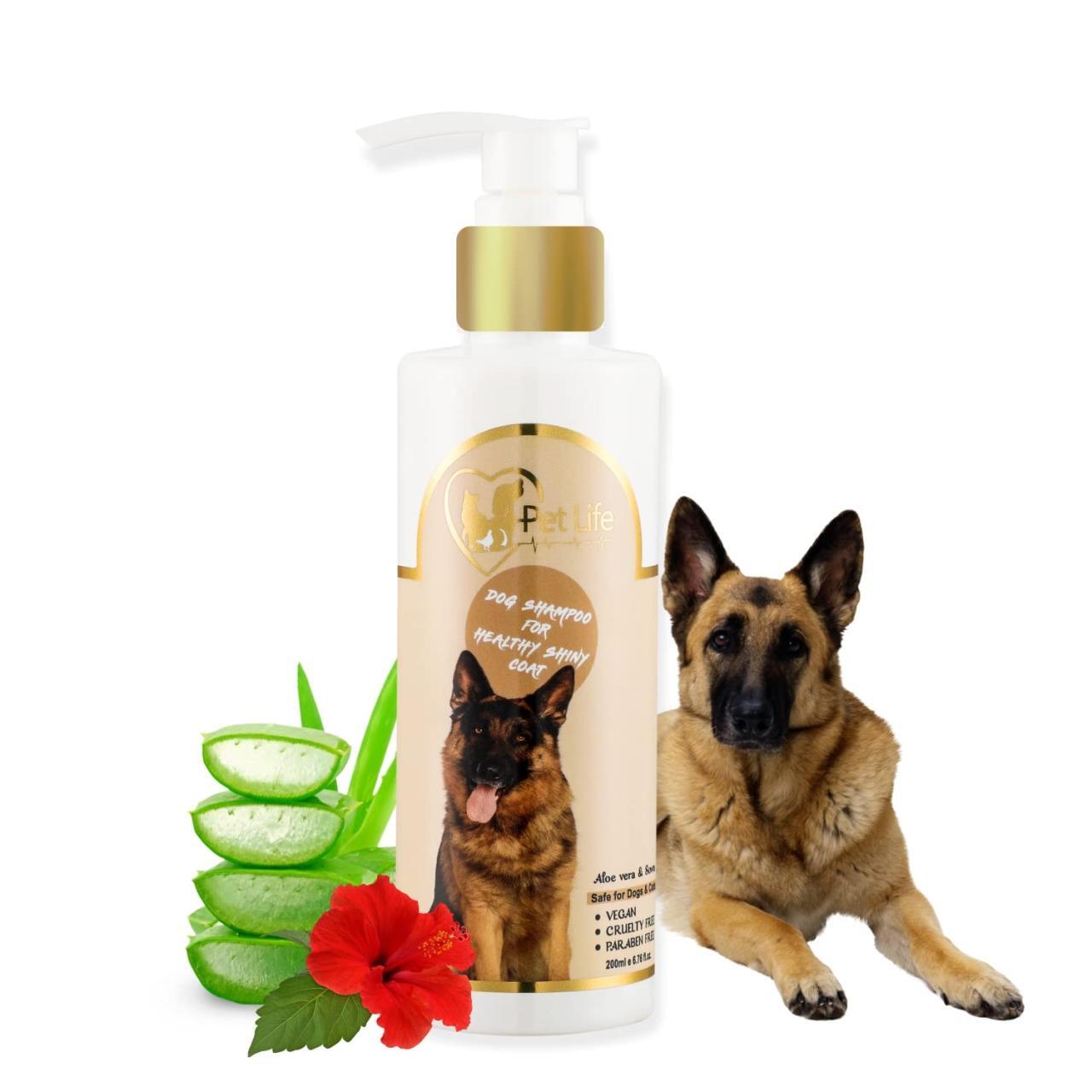
In conclusion, maintaining a shiny and healthy coat for your dog involves a multifaceted approach that encompasses nutrition, grooming, and awareness of health issues. By integrating these practices into your pet care routine, you can significantly improve your dog’s coat quality and overall health.
With the right tools, knowledge, and dedication, you will not only enhance your dog’s appearance but also contribute to their happiness and well-being, making the bond between you and your dog even stronger.