How to Make a DIY Dog Grooming Sling opens the door to a rewarding and enjoyable bonding experience with your furry friend. This innovative tool not only simplifies the grooming process but also ensures the safety and comfort of your dog, enabling you to maintain their hygiene with ease and efficiency. In this guide, we will explore the essential materials, step-by-step instructions, and valuable tips for creating your very own grooming sling, tailored to meet your pet’s specific needs.
We will delve into the benefits of the grooming sling, from minimizing stress during grooming sessions to providing the necessary support for dogs of all sizes. Understanding the materials required and the safety considerations will equip you with the knowledge to create a durable and effective grooming solution that enhances both your and your pet’s experience.
Introduction to DIY Dog Grooming Sling
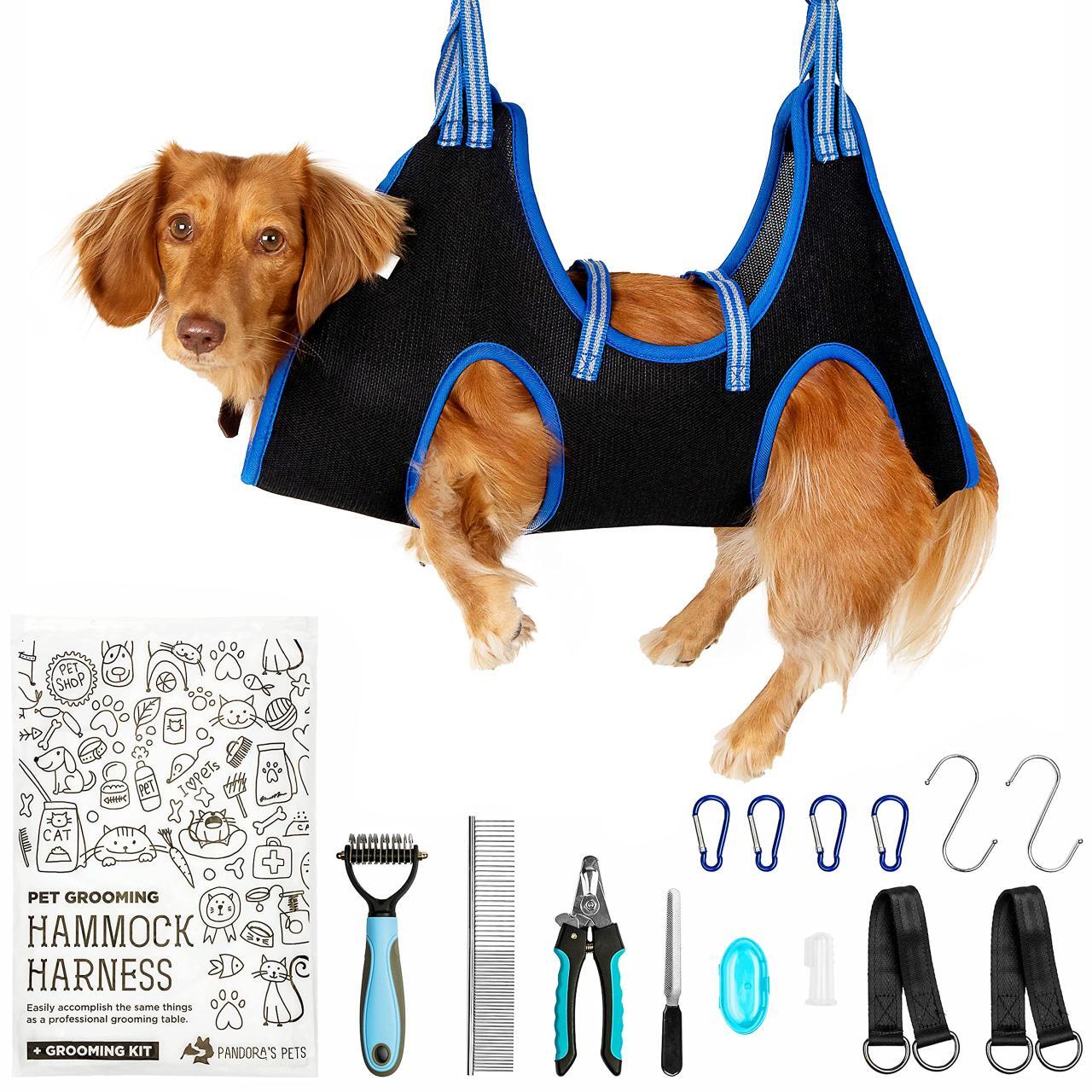
Creating a DIY dog grooming sling serves as a practical solution for pet owners seeking a more manageable way to groom their dogs at home. The primary purpose of this sling is to provide support and stability for dogs, especially those that may be anxious or physically unable to stand for long periods during grooming sessions. Utilizing a grooming sling not only enhances the overall grooming experience for both the owner and the pet but also helps in achieving a more thorough grooming process by securing the dog in a comfortable and safe position.To embark on building your own grooming sling, several essential materials will be required.
These materials include sturdy fabric, such as canvas or heavy-duty nylon, which ensures durability and support, as well as adjustable straps to accommodate dogs of various sizes. Additionally, a secure clip or hook is necessary to attach the sling to an overhead support or grooming table. The selection of materials will directly impact the effectiveness and safety of the sling, so it is vital to choose high-quality components that can withstand the rigors of grooming.
Safety Considerations When Grooming Dogs with a Sling
Grooming dogs with a sling necessitates careful attention to safety protocols to protect both the dog and the groomer. To ensure a safe grooming environment, pet owners should consider the following safety measures:
- Always supervise the dog while in the sling to prevent any sudden movements that may lead to injury.
- Ensure that the sling is properly secured and adjusted to fit the dog snugly but comfortably, allowing for natural movement without risking escape.
- Regularly inspect the sling for signs of wear and tear, replacing any frayed straps or damaged fabric to maintain structural integrity.
- Introduce the sling to the dog gradually to help them acclimatize and reduce anxiety, which can lead to erratic movements during grooming.
- Maintain a calm and quiet grooming environment to help the dog feel secure and less stressed while in the sling.
By adhering to these safety considerations, pet owners can create a positive grooming experience that prioritizes the well-being of their dogs while facilitating effective grooming practices.
Materials Required for the DIY Dog Grooming Sling
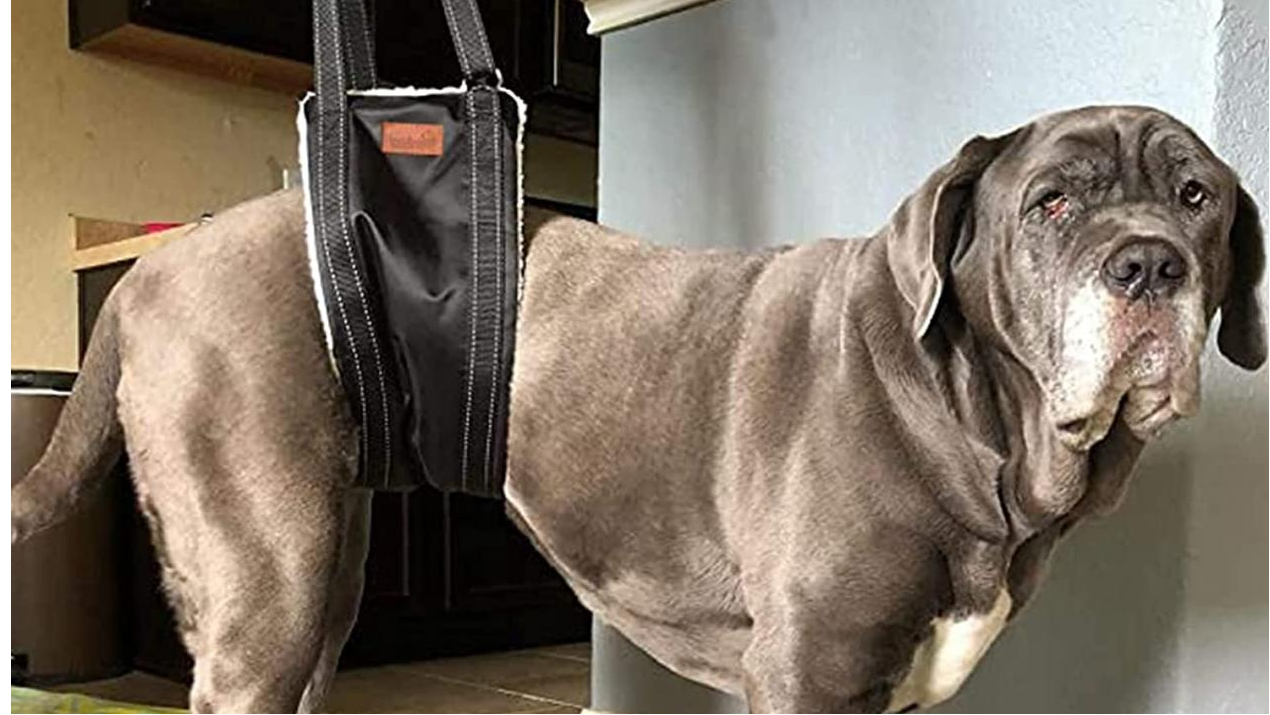
Creating a DIY dog grooming sling requires careful consideration of the materials and tools to ensure both durability and comfort for your pet. This section will Artikel the essential materials needed to construct a reliable grooming sling, as well as alternative options that may be suitable based on availability.To successfully create your own dog grooming sling, the following primary materials and tools will be necessary:
Essential Materials and Tools
The following items are crucial for constructing a safe and effective dog grooming sling. Each material contributes to the overall functionality and comfort of the sling.
- Fabric: Choose a strong, durable fabric that can support the weight of your dog. Common options include cotton, canvas, or upholstery fabric.
- Webbing or Strap Material: Use heavy-duty nylon webbing or straps for added strength and support. This component will be crucial for securing the sling.
- Clips or Hooks: Heavy-duty metal clips or hooks will be required to attach the sling to a sturdy overhead structure or grooming table.
- Padding: Consider adding padding made from foam or quilted fabric for comfort, especially for larger breeds.
- Sewing Machine: A sewing machine is recommended for stitching the fabric and straps securely. Ensure it can handle thicker materials.
- Measuring Tape: Accurate measurements will help ensure a proper fit for your dog.
- Scissors: A durable pair of scissors will be needed to cut the fabric and webbing to the appropriate lengths.
- Safety Pins: These can assist in temporarily securing fabric while sewing or adjusting the sling.
Fabric Types Suitable for a Grooming Sling
Selecting the appropriate type of fabric is vital for the function and comfort of the grooming sling. Here are some suitable fabric options:
- Cotton: Breathable and machine washable, cotton provides comfort, making it ideal for smaller dogs.
- Canvas: Strong and robust, canvas is a great choice for larger breeds due to its durability.
- Upholstery Fabric: Known for its strength, upholstery fabric offers a stylish option that can withstand wear and tear.
- Nylon: Lightweight and water-resistant, nylon is easy to clean and ideal for dogs that may get wet during grooming.
- Fleece: Soft and comfortable, fleece can be used as a lining for added comfort, especially for sensitive pets.
Alternative Materials Based on Availability
In the case of limited access to specific materials, consider these alternatives that can be used effectively:
- Repurposed Fabrics: Old blankets, towels, or even clothing can be repurposed as they often possess the necessary durability and comfort.
- Paracord: This can serve as an alternative to webbing or straps, offering both strength and flexibility.
- Velcro Strips: These can be used for adjustable fittings, allowing the sling to accommodate different dog sizes.
- Old Pet Beds: The fabric and padding from an old pet bed can provide both comfort and support.
By gathering these materials and ensuring their suitability, you will be well on your way to creating a functional and comfortable DIY dog grooming sling.
Step-by-Step to Make the Sling
Creating a DIY dog grooming sling is a rewarding project that not only saves money but also allows for customization to suit your dog’s specific needs. This guide will walk you through the necessary steps to measure, cut, and assemble your sling, ensuring that it is durable and safe for use during grooming sessions.
Measuring and Cutting Fabric for the Sling
Accurate measurements and cutting are essential for the proper fit and function of the grooming sling. Follow these guidelines to ensure precision in your work:
1. Measure Your Dog
Start by measuring the girth around your dog’s chest and the distance from the front legs to the back legs while they are in a standing position. This will help you determine the length and width of the fabric needed.
2. Select Fabric Dimensions
Based on your measurements, cut a rectangular piece of fabric. For most medium to large dogs, a piece that is approximately 30 inches long and 24 inches wide is usually adequate.
3. Cut the Fabric
Use sharp fabric scissors for a clean cut. Ensure that the fabric lays flat as you cut to avoid uneven edges.
Assembling the Sling
Once you have your fabric cut to size, the next phase is to sew it together. This will involve several steps to ensure that the sling is both functional and secure.
1. Fold and Pin Fabric
Begin by folding the fabric in half lengthwise with the right sides facing each other. Pin the edges together to secure them.
2. Sew the Edges
With a sewing machine, sew along the long edge, leaving the ends open. Use a straight stitch, and backstitch at the beginning and end for added strength.
3. Create the Openings for Legs
Depending on your dog’s size, you will need to create openings for the front and back legs. Measure and mark these openings approximately 6-8 inches from the ends of the fabric, then use a fabric cutter to create the leg holes.
4. Hem the Edges
To prevent fraying, fold the raw edges of the leg openings inward and sew them down. This will create a clean finish.
Reinforcing the Sling for Added Durability and Safety
Reinforcing your DIY dog grooming sling is crucial for its longevity and ensuring the safety of your pet while grooming. Here are some recommended methods:
1. Use Strong Thread
Opt for heavy-duty thread that can withstand the weight and movement of your dog during grooming sessions.
2. Double Stitch High-Stress Areas
Areas that will bear the most weight, such as the leg openings and the seams along the edges, should be double-stitched for extra strength.
3. Add a Strap for Control
Incorporate a sturdy strap made from nylon or a similar material that attaches securely to the sling. This will provide added stability and control while grooming your dog.
4. Test the Sling
Before using the sling with your dog, test its strength by applying pressure and making sure all seams hold firmly. This step will help prevent any accidents during grooming.By following these detailed steps, you will create a reliable and functional dog grooming sling tailored to your pet’s size and needs, ensuring a safer grooming experience for both you and your furry friend.
Customizing the Dog Grooming Sling
Personalizing your DIY dog grooming sling not only enhances its aesthetic appeal but also improves functionality and comfort for both you and your pet. Customization allows pet owners to tailor the grooming experience to their dog’s specific needs and preferences, resulting in a more enjoyable process. There are several ways to make your grooming sling uniquely yours. One of the most engaging aspects of customization is the choice of colors and patterns.
You can select fabrics that reflect your pet’s personality, or perhaps match the sling to your home decor. Consider vibrant, fun patterns for a playful look or soft, neutral tones for a more sophisticated appearance.
Adjustable Features for Enhanced Comfort
Incorporating adjustable features into the grooming sling can significantly enhance comfort and usability, ensuring it accommodates dogs of various sizes and shapes. Customizable straps and adjustable loops allow for a more secure fit, which is essential for keeping your dog calm and comfortable during grooming sessions.
Adjustable Neck and Body Straps
These straps can be modified in length, allowing the sling to fit snugly without being too tight, which is vital for the safety of your pet. For instance, a fully adjustable design can help cater to both small and large breeds effectively.
Padding Options
Adding padded sections in the areas where the sling contacts your dog, such as around the neck and under the belly, can prevent discomfort. Use soft, breathable materials to ensure your pet remains at ease.
Weight Distribution Features
Designing the sling with a balanced weight distribution system can assist in evenly spreading the dog’s weight across the sling, minimizing strain on your arms and back.
Integrating Pockets for Grooming Tools
Adding pockets or compartments to your dog grooming sling can streamline the grooming process, providing easy access to essential tools. By integrating these features, you can keep everything you need within arm’s reach, which increases efficiency during grooming sessions.
Front and Side Pockets
These can be used to store brushes, combs, or scissors, allowing for quick transitions between different grooming tasks. A small front pocket can be designed specifically for clippers or nail trimmers, ensuring they are easily accessible.
Zippered Compartments
For secure storage of smaller items, consider adding zippered pockets. This can be particularly useful for items that might be misplaced, such as hair ties or grooming wipes.
Expandable Sections
Designing expandable compartments can help accommodate larger tools and ensure you have sufficient space for everything needed during grooming. By incorporating these customizable features into your DIY dog grooming sling, you will create a tailored grooming solution that enhances both functionality and style, making the grooming experience enjoyable for both you and your furry friend.
Using the DIY Dog Grooming Sling Effectively
The effective use of a DIY dog grooming sling enhances the grooming experience for both the dog and the groomer. This section will cover techniques for safely placing a dog in the sling, maintaining the dog’s comfort, and ensuring proper security to minimize movement during grooming activities.
Techniques for Safely Placing a Dog in the Sling
Proper placement of the dog in the grooming sling is crucial for both safety and comfort. Begin by ensuring that the sling is securely attached to a stable support structure, such as a grooming table or a sturdy hook. Follow these steps for effective placement:
1. Prepare the Dog
Calm the dog by allowing them to familiarize themselves with the sling. Use treats or their favorite toy to create a positive association.
2. Position the Sling
Adjust the sling to the appropriate height, ensuring it is level with the dog’s belly to facilitate easy entry and exit.
3. Lift the Dog Gently
If the dog is small enough, gently lift them and place them into the sling. For larger dogs, consider using a helper or a ramp for easier access.
4. Secure the Dog
Once the dog is in the sling, ensure that their body is evenly distributed and that their legs are placed comfortably within the sling’s support.
Maintaining Dog Comfort and Minimizing Stress
A relaxed dog will respond better to grooming, making it essential to prioritize their comfort. Implement the following strategies to help reduce stress and ensure a pleasant grooming experience:
Create a Calm Environment
Use soft lighting and soothing background music to reduce anxiety. This environment can help the dog feel more at ease.
Use Comfort Items
Allow the dog to have their favorite blanket or toy in the sling to provide a sense of security.
Frequent Breaks
If grooming sessions are lengthy, take breaks to allow the dog to rest and move around. This can alleviate discomfort and prevent overheating.
Gentle Handling
Use slow and gentle movements when grooming, ensuring not to startle the dog. Speak softly and reassuringly to help maintain their calm.
Securing the Dog Properly to Prevent Movement
For effective grooming, it is essential to secure the dog adequately to prevent excessive movement that can lead to injuries or stress. Consider these methods for proper security:
Adjustable Straps
Utilize the adjustable straps of the sling to ensure a snug but comfortable fit around the dog’s body. These straps should allow for some movement but not enough for the dog to escape.
Attach Leashes or Harnesses
For added security, attach a leash or harness to the sling, ensuring it is properly fitted to prevent slipping. This will help keep the dog stable during grooming.
Monitor the Dog’s Position
Regularly check the dog’s position in the sling to ensure they remain comfortable and secure. Adjust as necessary to accommodate any shifts in their posture.
“A calm dog leads to a successful grooming session.”
Maintenance and Care of the Grooming Sling
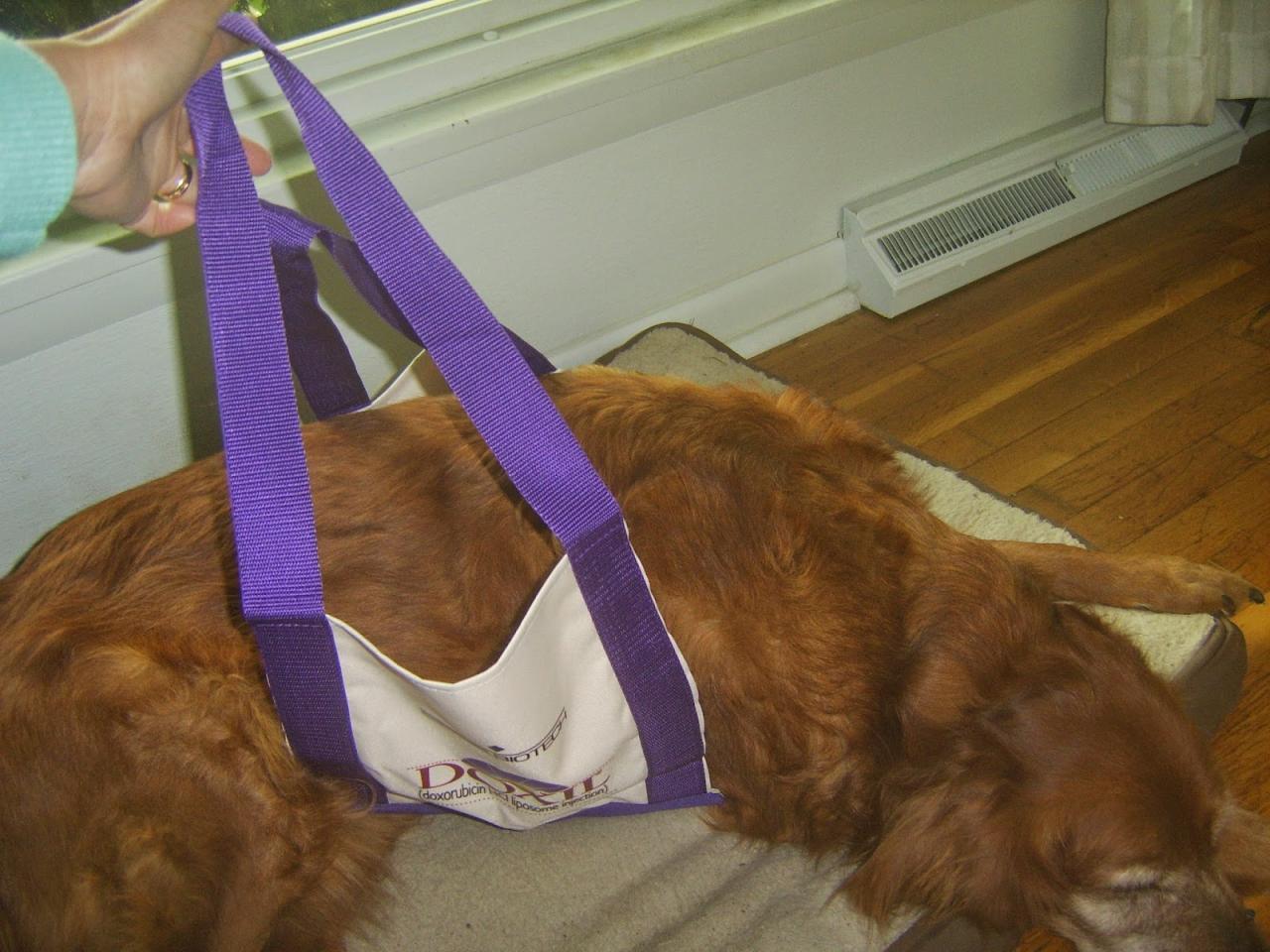
Proper maintenance and care of your DIY dog grooming sling are essential to ensure its longevity and functionality. Regular upkeep not only extends the lifespan of the sling but also maintains a safe environment for your furry friend during grooming sessions. This section covers cleaning procedures, common wear and tear issues, and storage recommendations to keep your grooming sling in excellent condition.
Cleaning and Care Instructions
Cleaning the grooming sling after each use is paramount to prevent buildup of fur, dirt, and grooming products. Here are recommended steps for effective cleaning:
- Shake off excess hair: Before washing, shake the sling vigorously to remove loose hair and debris.
- Machine wash: If the sling is machine washable, use a gentle cycle with cold water. Select a mild detergent that is free of harsh chemicals to avoid fabric damage.
- Hand wash: For hand washing, fill a basin with cool water and a small amount of gentle detergent. Submerge the sling and gently scrub with a soft cloth or sponge.
- Air dry: After washing, hang the sling to air dry. Avoid direct sunlight, as prolonged exposure can weaken the fabric fibers.
Common Wear and Tear Issues and Repairs
Over time, wear and tear can occur, affecting the functionality and safety of the grooming sling. Recognizing common issues and knowing how to address them is beneficial.
- Stitching failure: If you notice frayed or broken stitches, use a needle and thread to reinforce the seams. A zigzag stitch can provide additional strength.
- Fabric damage: For small holes or tears, fabric patches can be sewn over the damaged area. Ensure the patch is securely attached to prevent further tearing.
- Hardware issues: Check clips and buckles for functionality. If they become loose or damaged, consider replacing them to maintain safety during use.
Storage Recommendations
Proper storage of the grooming sling can prevent damage and maintain its shape. Consider the following storage tips:
- Store in a dry place: Humidity can lead to mold or mildew growth. Ensure the sling is completely dry before storing it in a cool, dry area.
- Avoid folding: Instead of folding the sling, consider hanging it on a hook to prevent creases that can weaken the fabric over time.
- Keep away from pets: Store the sling in a location where pets cannot access it, as chewing or scratching can lead to irreversible damage.
“Regular maintenance not only ensures the safety of your pet but also enhances the efficiency of your grooming process.”
Troubleshooting Common Issues
Using a DIY dog grooming sling can enhance the grooming experience for both you and your pet, but it may come with its share of challenges. Identifying potential issues early and knowing how to address them can make the process smoother. Below are common problems that users may encounter while utilizing the sling, along with practical solutions.
Common Problems and Solutions
Understanding the typical issues that can arise during the use of the grooming sling is crucial for a successful grooming session. Here are some common problems and effective solutions:
- Slippage of the Sling: If the sling tends to slip or slide, ensure that the straps are securely adjusted around your dog’s body. You may need to experiment with different tension levels to find the right fit for your dog.
- Discomfort for the Dog: If your dog appears uncomfortable or is trying to escape the sling, double-check the fit. It should be snug enough to hold the dog securely but not so tight that it restricts movement or causes stress.
- Inability to Use with Specific Breeds: Some breeds, particularly small or unusually shaped dogs, may not fit comfortably in standard slings. Consider customizing the sling to better accommodate your dog’s unique shape and size.
- Material Wear and Tear: Over time, the materials of the sling may show signs of wear. Regularly inspect for frays or damage, and replace any worn components to ensure safety.
- Difficulty in Positioning the Dog: If you find it hard to get your dog positioned correctly in the sling, try placing treats on the sling to encourage them to enter it willingly. Positive reinforcement can ease the process.
Adjustments for Specific Breeds
It’s important to adapt the grooming sling to fit the specific needs of your dog’s breed. For instance, larger breeds like Golden Retrievers may require a more robust version of the sling, while smaller breeds such as Chihuahuas need additional padding to ensure comfort. A helpful anecdote involves a user who found that their Poodle’s unique body shape made traditional slings inadequate.
After modifying the sling by adding extra padding and adjusting the strap lengths, they successfully created a comfortable grooming solution that suited their dog perfectly.
When to Seek Professional Grooming Assistance
Despite the benefits of a DIY grooming sling, there are times when it may be necessary to consult a professional groomer. Certain situations warrant professional help:
- Severe Anxiety in the Dog: If your dog shows signs of significant anxiety or distress during grooming, it may be beneficial to seek a professional who can provide a calm environment and expert handling.
- Health Concerns: Dogs with specific health issues, such as joint problems or limited mobility, may require specialized grooming techniques that professionals are better equipped to handle.
- Size and Strength Management: Larger or more powerful breeds may be difficult to manage at home, and a professional groomer can ensure the safety and well-being of both the dog and the owner.
Summary
In conclusion, mastering How to Make a DIY Dog Grooming Sling empowers you to transform grooming into a stress-free and enjoyable routine for both you and your dog. By following the Artikeld steps and customizing your sling, you can ensure that your beloved pet is comfortable, safe, and well-groomed. Embrace this opportunity to enhance your grooming techniques and strengthen the bond you share with your canine companion, all while keeping their grooming needs met with care and love.