Grooming a senior dog with special needs is a delicate process that requires both understanding and compassion. As dogs age, they undergo various physical and emotional changes that can greatly impact their grooming needs. Special considerations must be taken into account to ensure their comfort and well-being. This guide aims to provide essential insights and practical tips to help you navigate the grooming process, ensuring that your beloved companion receives the care they deserve.
From understanding the unique requirements of senior dogs to utilizing appropriate tools and techniques, this comprehensive overview will empower pet owners to manage grooming effectively. Emphasis on creating a serene environment and recognizing health issues will facilitate a positive grooming experience for both you and your furry friend.
Understanding the Needs of Senior Dogs
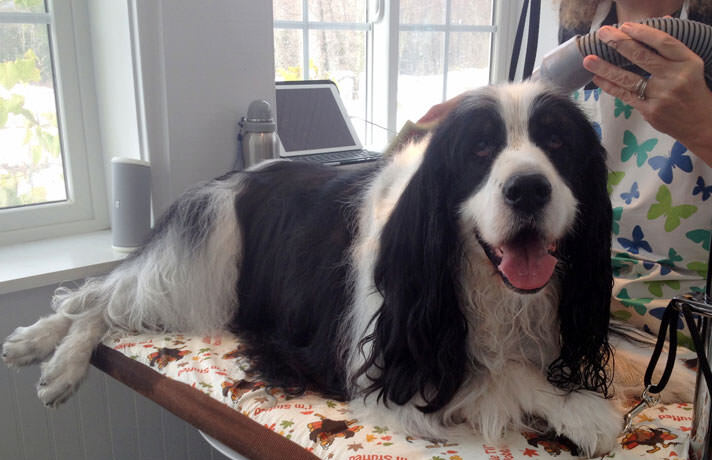
As dogs age, they undergo various physical and emotional changes that can influence their overall health and well-being. It is crucial for caregivers to understand these transformations to provide appropriate care and grooming tailored to the specific needs of senior dogs. Senior dogs, especially those with special needs, deserve thoughtful grooming routines that accommodate their unique challenges.The physical changes in senior dogs often include decreased mobility, arthritis, and changes in coat condition.
Additionally, emotional shifts such as increased anxiety or heightened sensitivity to new experiences can complicate grooming. These factors necessitate a considerate approach to grooming routines, as the comfort and safety of the dog must remain a priority.
Impact of Special Needs on Grooming Routines
Special needs in senior dogs can significantly affect their grooming routines, requiring adjustments to ensure their comfort and safety. Understanding these special needs is essential for effective grooming practices.Common health issues that can impact grooming include:
- Arthritis: Affects mobility, making it challenging for senior dogs to stand for extended periods. Gentle handling and breaks during grooming sessions can help alleviate discomfort.
- Vision Impairment: Many senior dogs experience vision loss which can increase anxiety during grooming. Familiar environments and soothing voices can help ease their fears.
- Hearing Loss: Dogs with impaired hearing may not respond to commands as they once did. Using visual cues or touch can enhance communication during grooming.
- Skin Conditions: Senior dogs are susceptible to skin issues such as dryness and allergies. Regular moisturizing and gentle cleansers should be used to maintain skin health.
- Dental Issues: Oral health problems can lead to discomfort during grooming. Regular dental care should be a part of the grooming routine to help prevent pain and ensure overall health.
Grooming aids and tools should be selected with consideration for these conditions. For instance, using a non-slip mat can assist dogs with arthritis, while soft brushes can be beneficial for dogs with sensitive skin.
“Understanding the unique needs of senior dogs not only ensures their comfort during grooming but enhances the bond between caregiver and pet.”
Incorporating regular health checks into grooming sessions is also important. Caregivers should be vigilant for any changes in the dog’s body, such as lumps, bumps, or irritations, which may require veterinary attention. Recognizing these signs early can lead to timely interventions, promoting a healthier and happier life for senior dogs. By adapting grooming techniques to meet the specific needs of senior dogs with special needs, caregivers can help maintain their dignity and quality of life.
Preparing for Grooming a Senior Dog
Creating a conducive environment for grooming a senior dog is essential for ensuring their comfort and safety. Senior dogs often experience physical limitations, anxiety, and sensory changes that can make grooming a daunting experience. A calm environment not only helps to ease their stress but also promotes a more effective grooming session. This segment will cover the significance of providing a tranquil setting, the necessary tools and products tailored for senior dogs, and a checklist of items to gather in preparation for the grooming process.
Importance of a Calm Environment
A peaceful environment plays a crucial role in the grooming experience of a senior dog. Stressful conditions can lead to anxiety, making it difficult for the dog to relax. Factors such as noise, unfamiliar surroundings, and sudden movements can exacerbate these feelings. To foster a serene atmosphere, consider the following elements:
- Choose a quiet room away from distractions such as loud noises or other pets.
- Use soft lighting to create a calming ambiance.
- Maintain a comfortable temperature, ensuring that the dog is neither too hot nor too cold.
- Have familiar items such as their favorite blanket or toy nearby to provide reassurance.
Essential Tools and Products
Selecting appropriate grooming tools and products is vital for the well-being of senior dogs. These should cater to their specific needs, taking into account factors such as mobility issues and sensitive skin. The following tools are recommended:
- Soft-bristle brushes: Ideal for gentle grooming without causing discomfort, especially for dogs with thinning or sensitive fur.
- De-shedding tools: Help to manage loose fur effectively while being gentle on the dog’s skin.
- Pet-safe wipes: Useful for cleaning sensitive areas without the need for a full bath, minimizing the stress associated with water.
- Non-slip grooming mats: Provide stability for the dog during grooming, reducing the risk of accidental slips that could lead to injury.
Checklist of Items Needed
Before embarking on the grooming process, it’s advisable to prepare a checklist of necessary items. This will ensure that everything is within reach, making the process smoother and more efficient. Essential items include:
- Grooming brushes and combs tailored for senior dogs.
- Dental care products, such as toothbrushes and toothpaste suited for pets.
- Pet-safe shampoos and conditioners specifically formulated for sensitive skin.
- Scissors for trimming if necessary, ensuring they are blunt-tipped to prevent accidental injuries.
- Treats to reward the dog and create a positive association with grooming.
- A towel for drying if bathing is required.
Bathing Techniques for Senior Dogs
Bathing a senior dog requires a gentle approach that accommodates their specific needs. Senior dogs may have physical limitations, sensitive skin, and age-related health issues that necessitate careful consideration during grooming sessions. Understanding the proper techniques for bathing can contribute to a comfortable and stress-free experience for both the dog and the caregiver.When bathing a senior dog, it is essential to ensure safety and comfort.
The choice of bathing location and the method used can significantly impact the dog’s experience. Whether opting for a sink or a tub, the following guidelines will help facilitate a smooth bathing process.
Step-by-Step Bathing Procedure
The following steps Artikel how to bathe a senior dog safely and effectively:
1. Gather Supplies
Before starting, collect all necessary items, including a gentle shampoo formulated for sensitive skin, towels, a non-slip mat, and a handheld sprayer or pitcher for rinsing.
2. Prepare the Bathing Area
Ensure the bathing area is clean and free of any hazards. If using a tub, place a non-slip mat on the bottom to prevent slipping.
3. Brush the Coat
Prior to wetting the dog, brush through their coat to remove any tangles or loose fur. This step makes the bathing process more effective and comfortable for the dog.
4. Water Temperature
Fill the tub or sink with warm water, ensuring it is not too hot or too cold. Test the temperature with your wrist to ensure comfort.
5. Wet the Coat
Using a handheld sprayer or pitcher, gently wet the dog’s coat, starting from the neck and working downwards. Be careful around the face and ears to prevent water from entering sensitive areas.
6. Apply Shampoo
Use a small amount of gentle shampoo and lather it into the dog’s coat. Focus on areas that tend to accumulate dirt, such as the paws and underbelly. Avoid the face and eyes.
7. Thorough Rinse
Carefully rinse the shampoo from the coat, ensuring all soap is removed. Leftover shampoo can irritate sensitive skin.
8. Drying
Gently towel dry the dog to remove excess water. If the dog tolerates it, a low-heat blow dryer can be used, but keep it at a safe distance to avoid overheating.
9. Check for Irritations
After bathing, inspect the dog’s skin for any signs of irritation or discomfort. This is a good time to address any skin issues with your veterinarian.
Types of Shampoos Suitable for Sensitive Skin
Choosing the right shampoo is crucial for a senior dog’s bathing routine. The following types of shampoos are known for their gentle formulations that cater to sensitive skin:
Hypoallergenic Shampoos
These shampoos are specifically designed to reduce allergic reactions and are free from harsh chemicals and fragrances. They help maintain skin moisture and prevent irritation.
Oatmeal-Based Shampoos
Oatmeal is renowned for its soothing properties. Oatmeal-based shampoos can help relieve itching and inflammation, making them an excellent choice for sensitive skin.
Aloe Vera Shampoos
Aloe vera is known for its healing and moisturizing properties. Shampoos with aloe vera can help soothe dry skin and provide additional hydration.
Natural/Organic Shampoos
Many natural shampoos are free from synthetic additives and are formulated with plant-based ingredients that are safe for sensitive dogs.
Comparing Bathing Methods: Sinks Versus Tubs
When deciding on a bathing method, the choice between using a sink or a tub can affect the bathing experience for senior dogs. Each method has its advantages and limitations:
Sinks
Bathing a senior dog in a sink can be easier due to the height, reducing strain on the caregiver’s back. It also allows for better control over the dog’s movement. However, this method may be less comfortable for larger breeds and may require careful handling to ensure the dog does not jump out.
Tubs
A tub provides more space for larger dogs and may offer a more comfortable bathing experience. Tubs are generally equipped with a handheld sprayer, facilitating easier rinsing. However, the height of the tub may pose a challenge for dogs with mobility issues, necessitating ramps or assistance to get in and out safely.
“The key to a successful bathing experience for senior dogs lies in patience, gentle handling, and careful attention to their unique needs.”
Brushing and Coat Care
Regular grooming is essential for the health and comfort of senior dogs, especially those with special needs. As dogs age, their coat may require more attention due to changes in texture, thickness, and skin health. Implementing a brushing routine not only maintains the coat’s appearance but also promotes overall well-being by preventing matting and addressing skin issues early on.Choosing the right brush for your senior dog’s coat type is crucial in ensuring an effective and comfortable grooming experience.
Different coat types, such as short, medium, long, and curly, necessitate specific brushes to effectively remove debris and prevent tangles. Additionally, brushes designed for sensitive skin can make the grooming process more enjoyable for your senior dog. Below are the common brush types suited for various coat textures:
Brush Selection for Coat Types
The following are ideal brushes for different coat textures:
- Short Coats: A bristle brush or rubber grooming mitt works well for short-haired breeds, helping to remove loose fur and stimulate the skin.
- Medium Coats: A slicker brush is effective for medium-length coats, as it can reach through the topcoat to remove undercoat and debris.
- Long Coats: A wide-toothed comb or a pin brush is preferred for long-haired breeds to gently detangle and prevent matting.
- Curly Coats: A greyhound comb or a slicker brush is beneficial for breeds with curly coats, helping to maintain their shape while removing tangles.
Establishing a brushing routine that accommodates the mobility issues often faced by senior dogs is essential to ensure their comfort during grooming. Regular brushing can enhance the bond between you and your dog, making it a positive experience. Here are some helpful tips for creating an accommodating brushing routine:
Brushing Routine for Senior Dogs
It’s important to create a gentle and effective brushing routine that respects your senior dog’s limitations:
- Choose a comfortable location where your dog feels secure and relaxed. This could be a soft surface like a bed or your lap.
- Keep brushing sessions short, ideally 5 to 10 minutes, to prevent fatigue or discomfort.
- Brush in sections, focusing on one area at a time, and ensure to check for any sensitive spots or skin issues as you groom.
- Utilize calming techniques, such as gentle petting or soothing words, to help your dog stay relaxed during the grooming process.
- Incorporate regular breaks to allow your dog to rest and adjust, especially if they appear tired or restless.
Regular brushing offers numerous benefits for senior dogs, particularly those with special needs. Among the primary advantages is the prevention of matting, which can lead to skin irritations and discomfort. Moreover, maintaining a grooming routine helps in early identification of potential skin issues, such as lumps or irritations that may go unnoticed otherwise. This proactive approach can contribute significantly to the overall health and happiness of your senior dog.
“Regular grooming not only enhances your dog’s appearance but also fosters their physical health and emotional well-being.”
By implementing the appropriate brushing techniques and recognizing your dog’s unique requirements, you can ensure a pleasant grooming experience that supports their needs throughout their golden years.
Nail Care and Paw Maintenance
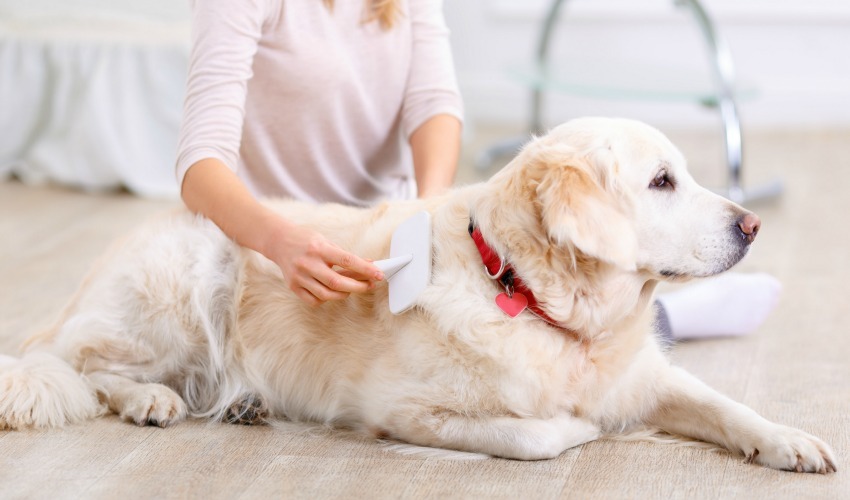
Maintaining the health of a senior dog’s nails and paws is essential for their overall well-being. As dogs age, their nails may become more fragile, and their paw pads can be sensitive. Proper nail care and paw maintenance help prevent discomfort and injuries, allowing senior dogs to navigate their environment with ease.Nail trimming and paw health checks are integral aspects of grooming senior dogs.
It is essential to approach these tasks with care and consideration for their unique needs. Regular maintenance not only promotes comfort but also prevents various health issues that could arise from neglect.
Techniques for Safely Trimming Nails on Senior Dogs
Nail care is vital for senior dogs, as overgrown nails can cause pain, discomfort, and even mobility issues. The following techniques can help ensure a safe and stress-free nail-trimming experience:
Use the Right Tools
Invest in high-quality dog nail clippers or a nail grinder designed for small to medium-sized breeds. Ensure they are sharp and suitable for your dog’s size.
Create a Calm Environment
Choose a quiet, comfortable space for grooming. Use treats and soothing voice tones to reassure your dog.
Positioning
Hold your dog securely, either on your lap or on a non-slip surface. For larger dogs, have a helper hold the dog still.
Identify the Quick
Be aware of the nail’s quick, which contains blood vessels and nerves. In light-colored nails, the quick is visible as a pink area; in dark nails, trim small amounts gradually to avoid hitting the quick.
Trim Regularly
Establish a regular schedule for nail trimming, ideally every 4-6 weeks. This helps keep nails at a manageable length and reduces anxiety during grooming.
Guide for Checking and Maintaining Paw Health
Paw health is critical for senior dogs, as they are more susceptible to various issues such as cracked paw pads and infections. Regular checks and maintenance can prevent complications. Here are essential steps to consider:
Visual Inspection
Regularly examine your dog’s paws for any signs of injury, swelling, or foreign objects stuck between the toes. Look for cuts, abrasions, or redness on the paw pads.
Moisturizing Paw Pads
Use a vet-recommended paw balm to keep pads hydrated and prevent cracking, especially in harsh weather conditions.
Checking for Allergies
Be observant of any changes in behavior after walks, such as excessive licking or chewing of the paws, which may indicate allergies or irritants.
Trimming Fur Between Toes
Carefully trim any excess fur between the toes to prevent matting and the accumulation of debris.
Importance of Preventing Injuries to Sensitive Paw Pads
Senior dogs often have more sensitive paw pads due to aging and the cumulative effect of wear and tear. Protecting these pads is crucial to maintaining their comfort and mobility. The following measures can help:
Avoid Hot Surfaces
During hot weather, be cautious of walking your dog on asphalt or sand, which can burn their pads. Opt for early morning or late evening walks when temperatures are cooler.
Footwear
Consider using dog booties for dogs with very sensitive pads or during extreme weather conditions. Ensure they fit well and do not cause discomfort.
Regular Exercise
While exercise is essential, be mindful of the surfaces your dog walks on. Soft grass or dirt trails are preferable to hard concrete or rocky paths.
Veterinary Check-ups
Regular veterinary visits can help identify potential issues with your dog’s paws and provide timely interventions as needed.By incorporating these nail care and paw maintenance practices, pet owners can significantly enhance the quality of life for their senior dogs, ensuring they remain comfortable and active as they age.
Ear and Dental Care
Proper ear and dental care is vital for maintaining the overall health and well-being of senior dogs, especially those with special needs. As dogs age, they become more susceptible to various health issues, and regular care routines can help prevent complications. This section will provide informative insights into the appropriate methods for ear cleaning and dental hygiene, as well as tips for recognizing potential health concerns.
Ear Cleaning Techniques
Regular ear cleaning is essential for preventing discomfort and infections in senior dogs. The ears of senior dogs can accumulate wax, dirt, and moisture, leading to potential health issues. Here are effective methods to clean your dog’s ears safely:
Choosing the Right Cleaner
Select a vet-recommended ear cleaning solution specifically designed for dogs. Avoid using cotton swabs, as they can push debris further into the ear canal.
Preparation
Gather all necessary supplies, including the ear cleaner, cotton balls, and treats. Ensure your dog is calm and comfortable, possibly using a soft surface to make the process easier.
Cleaning Process
1. Gently lift the ear flap and apply the cleaner directly into the ear canal. 2. Massage the base of the ear for 20-30 seconds to help loosen debris and wax. 3.
Allow your dog to shake their head, which helps to dislodge any dirt. 4. Use a cotton ball to wipe away excess cleaner and debris from the outer ear. 5. Reward your dog with treats to create a positive association with ear cleaning.Recognizing signs of ear infections is crucial for prompt treatment.
Watch for symptoms such as excessive scratching, head shaking, foul odor, or redness in the ear canal.
Dental Care Routine
Maintaining dental health is crucial for senior dogs to prevent painful dental diseases, which can affect their quality of life. A comprehensive dental care routine involves several key practices:
Daily Brushing
Using a toothbrush designed for dogs along with canine toothpaste can significantly reduce plaque buildup. Gently brush your dog’s teeth in circular motions, focusing on the gum line.
Dental Chews
Incorporating dental chews into your dog’s diet can help remove tartar and promote oral health. Choose products that are specifically formulated for senior dogs to ensure they are safe and effective.
Regular Vet Check-Ups
Schedule routine dental examinations with your veterinarian to monitor your dog’s oral health. Professional cleanings may be necessary, especially for dogs with dental disease history.Signs of dental issues include bad breath, difficulty chewing, excessive drooling, and swollen gums. Addressing these concerns promptly can alleviate discomfort and prevent more serious health problems.
Managing Behavior During Grooming
Grooming sessions can often be challenging for senior dogs, particularly those with special needs. Older dogs may exhibit anxiety or discomfort due to their age-related ailments or past experiences. Understanding their behavioral nuances is essential for a successful grooming process. This section will explore common behavioral issues encountered during grooming, techniques to calm anxious senior dogs, and effective methods for rewarding and encouraging positive behavior.
Common Behavioral Issues During Grooming
Senior dogs may present a variety of behavioral challenges during grooming sessions. Recognizing these issues can help caregivers to address them effectively. Common problems include:
- Anxiety: Many senior dogs may feel anxious when approached with grooming tools or unfamiliar environments.
- Aggression: Some dogs might react defensively if they experience pain or discomfort during grooming.
- Restlessness: Older dogs could struggle to remain still, especially if they have joint pain or other mobility issues.
- Fear of Water: Bathing can be particularly stressful for senior dogs, especially if they have had negative experiences in the past.
Techniques for Calming Anxious Senior Dogs
Calming techniques are crucial to ensure a stress-free grooming experience. Implementing the following strategies can significantly reduce anxiety levels in senior dogs:
- Provide a Safe Space: Create a familiar and comfortable grooming area that is quiet and free from distractions.
- Use Gentle Touch: Approach the dog slowly and use gentle, reassuring strokes to build trust.
- Soothing Music: Playing soft music can help mask unsettling noises and create a calming atmosphere.
- Frequent Breaks: Allow the dog breaks during grooming sessions to rest and regain composure.
- Practice Desensitization: Gradually introduce grooming tools and techniques to help the dog become comfortable with them.
Methods for Rewarding and Encouraging Positive Behavior
Positive reinforcement is a powerful tool in managing behavior during grooming. Encouraging good behavior can lead to a more pleasant grooming experience for both the dog and the caregiver. Consider the following methods:
- Verbal Praise: Use a calm and encouraging tone to acknowledge positive behavior during grooming.
- Treats: Offer small, healthy treats as rewards for good behavior, ensuring the dog associates grooming with positive experiences.
- Playtime: Engaging in play after grooming can serve as a reward that reinforces the experience positively.
- Use of Familiar Items: Allow the dog to have their favorite toy nearby to provide comfort during the grooming process.
- Gradual Progression: Start with short grooming sessions and gradually increase the duration as the dog becomes more comfortable.
Creating a positive grooming experience involves patience, understanding, and rewards. Each senior dog is unique, and adapting techniques to suit their individual needs can lead to a more harmonious grooming process.
Aftercare and Special Considerations
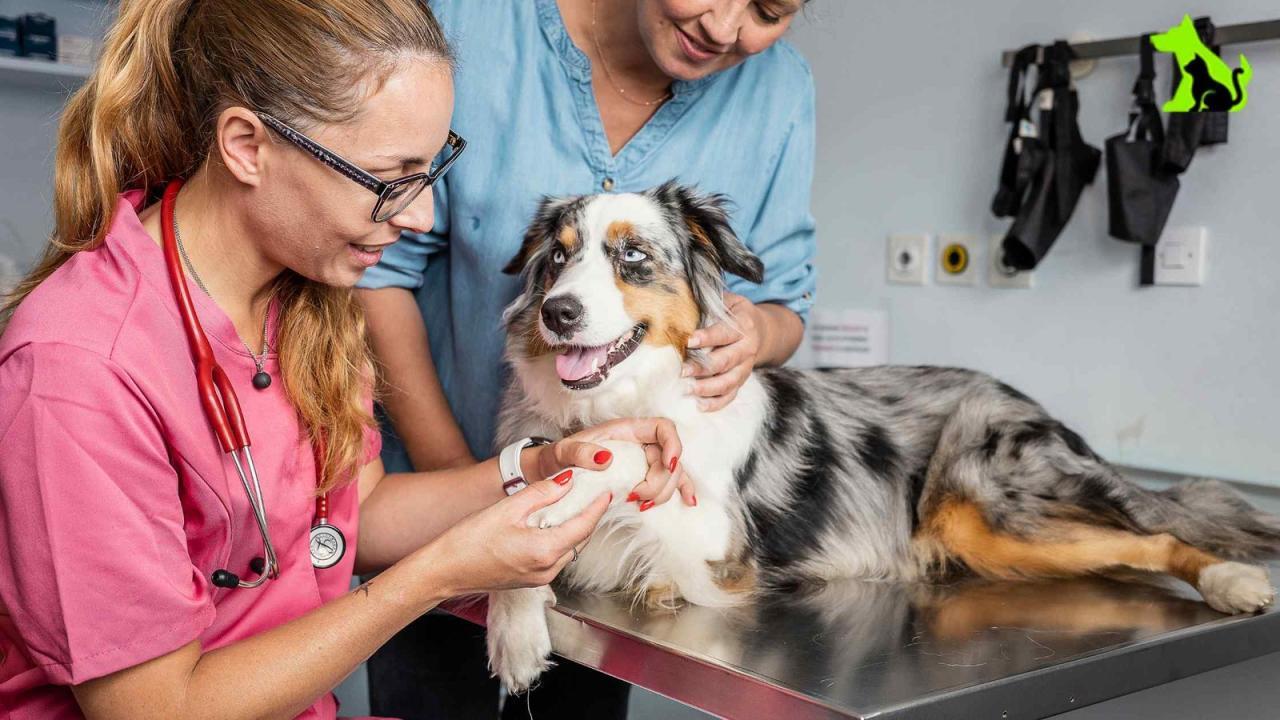
Post-grooming care is essential for ensuring the comfort and well-being of senior dogs, especially those with special needs. After grooming, it is crucial to assess the dog for any signs of skin irritation or injuries that may have occurred during the grooming process. Addressing these concerns promptly can prevent discomfort and optimize the dog’s overall health. A thorough inspection of the dog’s skin, coat, and paws should be carried out after grooming.
Look for any redness, bumps, or areas of sensitivity that might indicate irritation. It is also advisable to check for any minor injuries or cuts that could have been overlooked during the grooming process. Addressing these conditions early can significantly enhance the dog’s recovery and comfort.
Hydration and Skin Nourishment
Maintaining the hydration and nourishment of a senior dog’s skin after grooming is vital for their health. Dry skin can lead to discomfort and increased vulnerability to irritations. Here are several recommendations to promote healthy skin hydration:
- Use moisturizing shampoos that are specifically formulated for senior dogs. These products often contain ingredients that help retain moisture.
- Apply a gentle, hypoallergenic conditioner after washing to help lock in hydration and provide an extra layer of protection.
- Consider using topical moisturizers or oils designed for dogs, such as coconut oil or shea butter, which can be gently massaged into the skin to enhance hydration.
- Ensure the dog has access to fresh, clean water at all times, promoting internal hydration which reflects on the skin’s health.
Adjusting Grooming Frequency Based on Health Needs
The grooming frequency for senior dogs with special needs may require adjustments based on their unique health requirements. As dogs age, their skin and coat may change, necessitating a more tailored grooming schedule. Factors to consider include:
- Skin condition: For dogs with skin sensitivities or conditions, more frequent, gentle grooming may be needed to prevent matting and discomfort.
- Mobility issues: Dogs with reduced mobility may require assistance in grooming or more frequent, shorter grooming sessions to ensure their comfort.
- Health conditions: Dogs with chronic health issues such as arthritis or skin allergies may benefit from a more regular grooming routine to maintain their hygiene and comfort.
Regular monitoring and adjustment of grooming routines are essential to cater to the evolving needs of senior dogs.
Epilogue
In conclusion, grooming a senior dog with special needs is not merely a task but a labor of love that fosters a deeper bond between pets and their owners. By adhering to the Artikeld steps and being attentive to your dog’s specific requirements, you can introduce a more enjoyable and stress-free grooming routine. Remember to stay patient and observant, as each grooming session can significantly contribute to your dog’s overall quality of life and happiness.