How to Groom a Dog with Sensitive Skin is an essential guide for pet owners who wish to provide their furry companions with the gentle care they require. Sensitive skin in dogs can stem from various causes, including allergies and genetic predispositions, and recognizing the signs is crucial for effective grooming. This comprehensive overview covers the necessary tools, techniques, and skin care products tailored for dogs with sensitive skin, ensuring a comfortable and enjoyable grooming experience for both the dog and the owner.
By understanding the specific needs of dogs with sensitive skin, pet owners can create a nurturing environment that minimizes discomfort and enhances the grooming process. From selecting the right shampoos to employing proper brushing techniques, this guide aims to empower you to make informed decisions that prioritize your pet’s well-being.
Understanding Sensitive Skin in Dogs
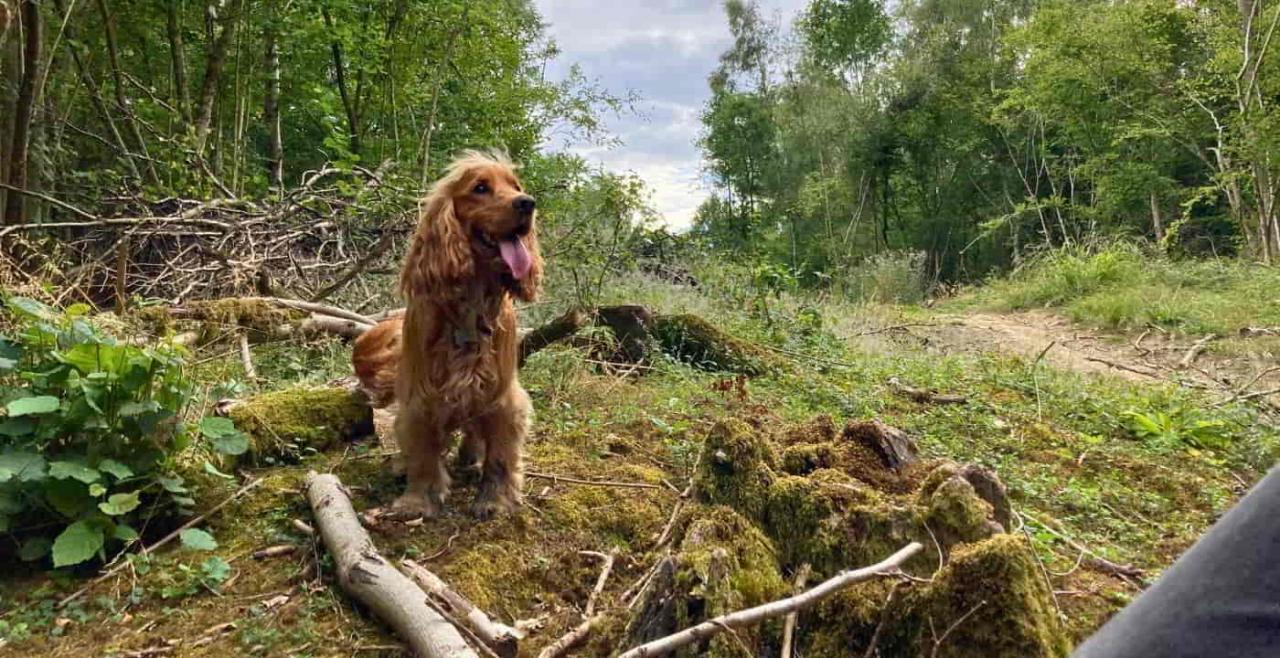
Sensitive skin in dogs is a common concern among pet owners, characterized by a heightened reaction to various environmental factors. This condition can lead to discomfort for the dog and requires careful attention to grooming and skin care. Understanding the underlying causes, symptoms, and predisposed breeds is essential for effective management and treatment.Sensitive skin in dogs can be attributed to several factors.
Allergies, both environmental and dietary, are among the most prevalent causes. Environmental allergens include pollen, dust mites, and mold, while common food allergens can be proteins like beef, chicken, or grains. Other contributing factors may include hormonal imbalances, skin infections, and parasitic infestations, such as fleas or mites. Each of these elements can irritate the skin, resulting in a sensitivity that requires dedicated care.
Common Symptoms of Sensitive Skin
Identifying sensitive skin in dogs involves recognizing specific symptoms that are indicative of this condition. Being aware of these symptoms allows for timely intervention and care, ensuring the comfort and health of the dog. The following symptoms suggest a dog may be suffering from sensitive skin:
- Redness and inflammation of the skin, often accompanied by itching.
- Frequent scratching, biting, or licking of the affected areas.
- Dry or flaky skin, which may lead to hair loss.
- Hot spots, or localized areas of inflammation and infection.
- Changes in behavior, such as increased irritability or restlessness due to discomfort.
Breeds Prone to Skin Sensitivity
Certain dog breeds are genetically predisposed to skin sensitivity, often due to their skin structure or immune system characteristics. Recognizing these breeds can be crucial for preventive care and tailored grooming practices.The following breeds are commonly known to have sensitive skin:
- Bulldogs: Prone to skin folds that can trap moisture and irritants, leading to sensitivity.
- Boxers: Often suffer from allergies, manifesting in skin irritations and hot spots.
- Labrador Retrievers: Known for their susceptibility to environmental allergies affecting their skin.
- West Highland White Terriers: Prone to skin conditions like dermatitis, requiring special care.
- Shih Tzus: Their long fur can trap allergens, making them more vulnerable to skin issues.
Preparing for Grooming

Grooming a dog with sensitive skin requires careful preparation to ensure a comfortable experience for both the pet and the groomer. Understanding the right tools and creating a soothing environment are essential steps to minimize discomfort and stress. This section Artikels the necessary grooming tools, a checklist for pre-grooming preparations, and tips for designing a calming atmosphere during the grooming process.
Essential Grooming Tools for Dogs with Sensitive Skin
Selecting appropriate grooming tools is vital for ensuring the comfort and well-being of dogs with sensitive skin. Using the wrong tools can lead to irritation and anxiety. The following tools should be included in your grooming kit:
- Slicker Brush: Designed to detangle fur gently, it should have fine wire bristles to avoid irritating the skin.
- Soft-Bristled Brush: Ideal for smoothing the coat, this brush provides a gentle touch that is less likely to cause discomfort.
- Wide-Tooth Comb: Useful for removing knots without pulling on the skin, this tool is essential for dogs with longer hair.
- Rubber Bathing Brush: This tool can be used in the bath to massage the skin while distributing shampoo evenly, ensuring a soothing experience.
- Hypoallergenic Shampoo: A gentle, fragrance-free shampoo specifically formulated for sensitive skin will help prevent irritation.
- Conditioner: Using a moisturizing conditioner can help soothe dry skin and reduce itchiness.
Pre-Grooming Preparations to Minimize Discomfort
Taking specific steps before grooming can significantly reduce anxiety and discomfort for dogs with sensitive skin. The following checklist ensures a thorough and considerate approach to grooming:
- Gather all necessary tools to avoid interruptions during the grooming session.
- Ensure your dog is calm before starting; consider playing with them or engaging in a short walk.
- Check the grooming area for noise and distractions, as a quiet environment promotes relaxation.
- Brush your dog’s coat before bathing to remove tangles and loose hair, making the grooming process smoother.
- Have treats on hand to reward your dog for calm behavior throughout the grooming process.
Designing a Calming Environment for Grooming
Creating a soothing environment can help dogs with sensitive skin feel more relaxed during grooming. The following tips are effective in establishing a calming atmosphere:
- Choose a quiet, well-lit space that is free from distractions and loud noises that could startle your dog.
- Use non-slip mats or surfaces to provide stability and comfort while your dog stands during grooming.
- Play soft music or calming sounds to help reduce anxiety; studies show that gentle music can relax dogs.
- Maintain a comfortable temperature in the grooming area, as dogs can be sensitive to extreme temperatures.
- Consider using pheromone diffusers or sprays that mimic calming scents, which can help soothe anxiety in dogs.
Creating a thoughtful grooming environment can significantly enhance the comfort and cooperation of dogs with sensitive skin, making the grooming experience positive for both pet and owner.
Bathing Techniques
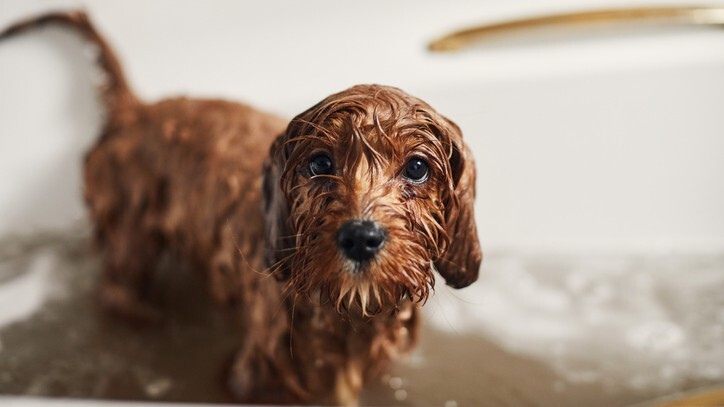
Bathing a dog with sensitive skin requires specialized techniques and products to ensure their comfort and health. Sensitive skin in dogs can be prone to irritation, allergies, and infections, making it crucial to select the appropriate shampoo and follow careful bathing practices. This section delves into the best bathing techniques for dogs with sensitive skin, emphasizing the importance of suitable shampoos, proper bathing methods, and ideal water temperature.
Shampoo Selection
Choosing the right shampoo is vital for dogs with sensitive skin. Many commercial shampoos contain harsh chemicals that can exacerbate skin issues. Therefore, selecting gentle, hypoallergenic, and natural formulations is essential. The following types of shampoos are recommended:
- Hypoallergenic Shampoos: These shampoos are specifically designed to minimize allergic reactions and irritation. They often contain soothing ingredients like aloe vera or chamomile.
- Oatmeal-based Shampoos: Oatmeal is well-known for its anti-inflammatory properties and is effective in relieving itching and dryness.
- Fragrance-free Formulations: Shampoos without added fragrances reduce the risk of irritation and allergic responses.
- Natural and Organic Shampoos: Products made from natural ingredients tend to be gentler on the skin, making them suitable for sensitive dogs.
Step-by-Step Bathing Guide
Bathing a dog with sensitive skin should be conducted with care and precision. Following a step-by-step approach helps to ensure the process is both efficient and comfortable for the dog. Below is a recommended guide:
- Prepare the Bathing Area: Ensure the bathing area is clean and free from distractions. Gather all necessary supplies, including the chosen shampoo, towels, and a non-slip mat.
- Brush the Fur: Before bathing, brush the dog’s coat to remove tangles, dirt, and loose hair. This step helps to reduce the amount of hair in the bath and prepares the skin for cleansing.
- Introduce Water Gradually: Use a gentle spray nozzle or a cup to wet the dog’s coat slowly. Start from the back and gradually move towards the head, avoiding the eyes and ears.
- Apply Shampoo: Dilute the shampoo with water according to the product instructions. Apply it evenly across the coat, massaging it into the skin gently to avoid irritation.
- Rinse Thoroughly: Ensure all shampoo is washed out of the coat using lukewarm water. Residual shampoo can lead to irritation, so thorough rinsing is essential.
- Dry the Dog: Gently towel-dry the dog after the bath. For dogs that tolerate it, a low-heat blow dryer can be used, but it should be kept at a distance to avoid overheating the skin.
Water Temperature Considerations
Water temperature plays a critical role in the bathing process for dogs with sensitive skin. Utilizing the correct temperature can prevent discomfort and irritation. Here are key points to consider:
- Lukewarm Water: Always bathe dogs with sensitive skin in lukewarm water. Water that is too hot can strip the natural oils from the skin, leading to dryness and irritation.
- Test the Temperature: Before bathing, test the water temperature with your wrist. It should feel warm but not hot.
- Avoid Cold Water: Cold water can cause discomfort and may stress the dog, making the bathing experience negative.
“Proper water temperature is essential in maintaining the skin’s natural barrier and preventing irritation during baths.”
Brushing and De-shedding
Proper brushing and de-shedding techniques are vital for maintaining the health and comfort of dogs with sensitive skin. Choosing the right tools and using gentle methods can significantly reduce irritation and promote a healthy coat. Understanding how to effectively manage your dog’s grooming needs will ensure a positive experience for both you and your pet.Selecting the appropriate brush is essential for dogs with sensitive skin.
The right tools will minimize discomfort while effectively removing loose hair and debris. The following types of brushes are gentle and suitable for their specific needs:
Types of Brushes for Sensitive Skin
When grooming dogs with sensitive skin, it is crucial to use brushes that provide comfort and safety. The following options are recommended:
- Slicker Brushes: These have short, fine wires close together and are great for removing tangles and loose hair while being gentle on the skin.
- Soft Bristle Brushes: Ideal for short-haired breeds, they help distribute natural oils and provide a soothing experience during grooming.
- Rubber Brushes: These brushes are excellent for gentle de-shedding and massaging the skin, which can also stimulate blood circulation.
- Undercoat Rakes: Designed to remove undercoat fluff, they should be used cautiously and only as needed to prevent skin irritation.
To minimize irritation while brushing, it is crucial to adopt a gentle technique. Start by allowing your dog to get comfortable with the brush, perhaps letting them sniff it before use. Here are some effective techniques:
Brushing Technique for Minimizing Irritation
Using the proper technique can make a significant difference in the grooming experience. Follow these guidelines for a soothing brushing session:
- Begin brushing at the head and work your way down the body, using long, gentle strokes that follow the direction of hair growth.
- For sensitive areas, such as the belly and legs, apply even lighter pressure and use the soft bristle brush to avoid discomfort.
- Take breaks during the grooming session, allowing your dog time to relax and adjust to the process.
- Monitor your dog’s reaction closely; if they seem uncomfortable or stressed, pause and reassure them before continuing.
Establishing a regular brushing schedule is essential for dogs with sensitive skin. This practice not only keeps their coat healthy but also helps you detect any changes in their skin or coat condition.
Recommended Brushing Frequency
The frequency of brushing should be tailored to your dog’s specific needs and coat type. A general guideline is as follows:
- Short-haired breeds: Brush once a week to remove loose hair and dirt.
- Medium-haired breeds: Brush every 3-5 days to help manage shedding and prevent mats.
- Long-haired breeds: Brush daily, focusing on any tangles or mats, particularly in sensitive areas.
- Dogs with undercoats: Require more frequent grooming, ideally two to three times a week, especially during shedding seasons.
Regular brushing can help promote a healthier coat and reduce the likelihood of skin irritations, ensuring a happier and more comfortable experience for your dog.
Nail Trimming and Ear Cleaning
Caring for a dog with sensitive skin involves not only bathing and grooming but also ensuring that their nails and ears are properly maintained. Regular nail trimming and ear cleaning are essential parts of a grooming routine that can help prevent discomfort and promote overall health. Understanding the right techniques for these tasks is crucial in avoiding injury and ensuring a stress-free experience for your sensitive dog.
Nail Trimming Techniques
Trimming a dog’s nails can be a delicate process, especially for dogs with sensitive skin. The aim is to avoid cutting into the quick, which can cause pain and bleeding. It is advisable to use a high-quality, sharp nail clipper designed for dogs. To properly trim nails on sensitive dogs, follow these steps:
1. Familiarization
Allow your dog to sniff and explore the nail clippers before starting the process. This reduces anxiety and builds trust.
2. Positioning
Position your dog comfortably. It might help to have them sit on your lap or lie on their side. This ensures they feel secure.
3. Visual Identification
Identify the quick, which appears as a pink line within the nail. For dogs with dark nails, trim only the tips to avoid cutting too deep.
4. Gradual Approach
Trim a small amount of nail at a time. If the nail is long, trimming it gradually over several sessions is advisable.
5. Rewards
Use treats and praise to reward your dog after each successful trim, reinforcing positive behavior.
“Regular trimming prevents painful overgrowth while ensuring your dog remains comfortable.”
Ear Cleaning Techniques
Cleaning a dog’s ears is an important aspect of grooming, particularly for breeds prone to ear infections. Sensitive dogs may have particularly delicate ear structures, so care should be taken to avoid discomfort.To clean a dog’s ears safely, consider the following steps:
1. Choosing Cleaners
Use a veterinarian-recommended ear cleaning solution. Avoid alcohol-based products as they can irritate sensitive skin.
2. Preparation
Gather cotton balls, gauze, and the ear cleaner. Ensure that your dog is calm and relaxed, preferably in a quiet environment.
3. Application
Gently lift your dog’s ear flap and apply the cleaner into the ear canal as directed by the product instructions.
4. Massage
Massage the base of the ear gently for about 20-30 seconds to loosen debris. Your dog may shake their head, which is normal.
5. Wipe
Use a cotton ball or gauze to wipe out any debris from the ear flap and the visible part of the ear canal.
6. Frequency
Clean ears as needed, typically every 1-2 weeks, or as recommended by your veterinarian.
“Routine ear cleaning is crucial in preventing infections and maintaining ear health.”
To maintain hygiene for sensitive dogs, it is important to create a consistent schedule for nail trimming and ear cleaning. Regular intervals help avoid overgrowth and build-up of wax or debris. It is generally recommended to trim nails every 3-4 weeks, while ear cleaning can be done bi-weekly or monthly depending on the dog’s specific needs. Tracking these dates in a pet care calendar can help ensure that your grooming routine remains effective and manageable.
Skin Care Products
Proper skin care is crucial for dogs with sensitive skin, as it can significantly impact their overall comfort and well-being. Owners must choose suitable products that can soothe irritation, moisturize, and protect the skin without causing further reactions. Understanding the options available, including natural and commercial products, is essential in making informed decisions for your furry friend.When considering skin care products for dogs with sensitive skin, it’s important to recognize the differences between natural and commercial options.
Natural products typically utilize organic ingredients free from harsh chemicals, fragrances, and preservatives, making them less likely to irritate the skin. Conversely, commercial products may contain synthetic ingredients that can sometimes exacerbate sensitivity issues. However, some reputable brands formulate commercial products specifically for sensitive skin, leveraging scientific research to create effective solutions without harmful additives.
Application Methods for Creams and Sprays
The application of creams and sprays designed for dogs with sensitive skin should be approached with care to ensure maximum comfort and effectiveness. Following the appropriate method can enhance the product’s benefits and help avoid distress for your pet.
Creams
When applying creams, it is best to clean the area thoroughly first. Use a small amount of cream on your fingertips and gently massage it into the affected area. This promotes absorption and allows the soothing ingredients to penetrate the skin effectively. Always start with a small amount and increase as needed, ensuring that your dog is comfortable throughout the process.
Sprays
For sprays, shake the bottle well before use. Hold the spray at a distance of about 6-8 inches from the skin, ensuring even coverage over the affected areas. Avoid spraying directly on the face or near the eyes to prevent irritation. After application, allow the product to dry naturally without wiping it off, as this maximizes its soothing properties.
Soothing Treatments Between Grooming Sessions
In addition to regular grooming, there are various soothing treatments that can be applied between sessions to maintain the health of your dog’s sensitive skin. These treatments can help alleviate minor irritations and provide ongoing relief.
Oatmeal Baths
An oatmeal bath is a gentle and effective treatment that can soothe inflamed skin. Ground oats can be mixed with warm water to create a soothing soak. Allow your dog to soak for 10-15 minutes, as this helps to calm irritation and hydrate the skin.
Aloe Vera Gel
Applied topically, aloe vera gel is well-regarded for its healing properties. It can be used to soothe minor scrapes, burns, or areas of irritation. Ensure you use pure aloe vera without added chemicals.
Coconut Oil
This natural product can be applied to dry patches of skin to provide moisture and promote healing. Coconut oil has antibacterial properties and can help reduce inflammation, making it ideal for sensitive skin.
Chamomile Compresses
Brewed chamomile tea can be cooled and used as a compress on irritated areas of the skin. Chamomile is known for its anti-inflammatory and soothing properties.Incorporating these treatments into your dog’s routine can significantly enhance their comfort and contribute to overall skin health. Always consult with a veterinarian before introducing new products or treatments to ensure they are appropriate for your dog’s specific needs.
Post-Grooming Care
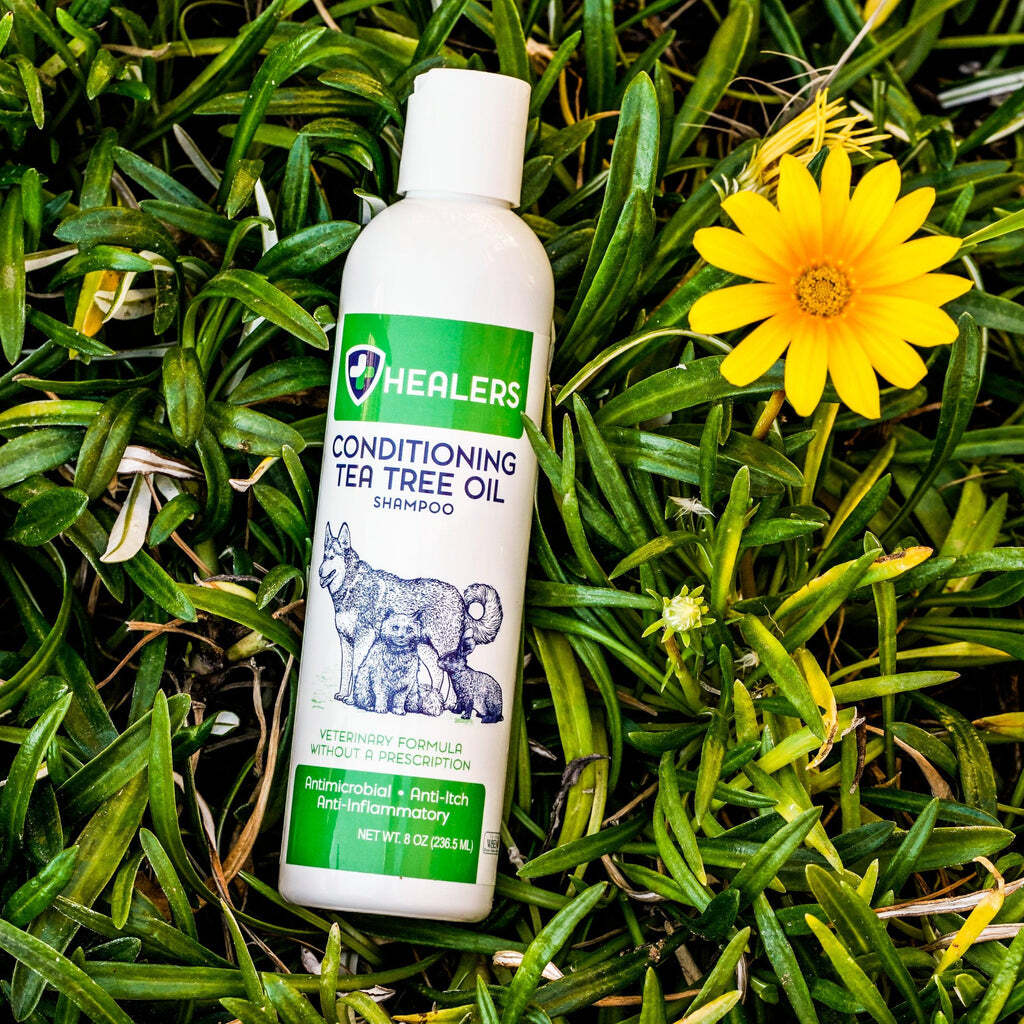
Post-grooming care is a vital aspect of maintaining the health and comfort of dogs, especially those with sensitive skin. After grooming, dogs can experience a variety of reactions due to the grooming process, and it is essential to take appropriate steps to ensure their well-being. This section will address the necessary aftercare steps, how to monitor the skin for any adverse reactions, and suggest soothing treats that can help calm your furry friend.
Aftercare Steps Following Grooming
After completing a grooming session, it is crucial to implement specific aftercare practices to maintain the skin’s integrity and prevent discomfort. Following these steps can enhance the overall grooming experience for sensitive dogs:
- Gently dry the dog with a soft towel to remove excess water, being careful not to rub the skin harshly.
- Inspect the skin for any signs of irritation or redness, particularly in areas that may have been clipped or shampooed.
- Provide a quiet and comfortable space for the dog to relax, allowing them to recover from the grooming experience.
- Monitor the dog’s behavior closely for any signs of distress or discomfort over the next few hours.
- Use a light, hypoallergenic moisturizer on dry areas of the skin, if advised by a veterinarian.
Monitoring for Adverse Reactions
Post-grooming, dogs with sensitive skin may exhibit adverse reactions that require immediate attention. It is essential to be vigilant and proactive in monitoring their skin condition. Key indicators of potential issues include:
- Redness or inflammation around sensitive areas such as the ears, paws, and belly.
- Excessive scratching, licking, or biting at the skin, which may indicate discomfort.
- Development of small bumps, rashes, or hot spots, which can arise from irritation.
- Changes in behavior, such as increased agitation or withdrawal, which may suggest discomfort.
If any of these signs are observed, it is advisable to consult with a veterinarian promptly to prevent further complications.
Soothing Treats for Calming Dogs
Offering calming treats post-grooming can be beneficial for helping sensitive dogs relax and recover from the grooming experience. Selecting the right soothing treats can make a significant difference in their comfort level. Consider the following options:
- Treats formulated with calming ingredients, such as chamomile, valerian root, or L-theanine, known for their relaxing properties.
- Soft, chewy treats that can be easily consumed, making them an appealing option for dogs that may feel stressed.
- Frozen treats made from pureed fruits or dog-safe yogurt can provide a refreshing way to soothe and calm your dog after grooming.
Offering these treats can create a positive reinforcement experience, helping the dog associate grooming with comfort and care, ultimately fostering a healthier grooming routine in the future.
Ending Remarks
In conclusion, grooming a dog with sensitive skin requires thoughtful preparation and a gentle approach. By following the Artikeld techniques and utilizing appropriate products, pet owners can maintain their dog’s hygiene while safeguarding their sensitive skin. Remember, a calm and caring grooming routine not only promotes physical health but also strengthens the bond between you and your canine companion.