How to Give Your Dog a Sanitary Trim at Home is an essential skill for pet owners looking to ensure their furry companions remain clean and comfortable. Regular grooming not only enhances your dog’s appearance but also promotes their overall health and well-being. In this guide, we will explore the necessary preparations, techniques, and safety measures needed to provide your dog with a proper sanitary trim in the comfort of your home.
We will delve into the anatomy of grooming, outlining the specific areas that require attention, and the common issues that arise when neglecting these essential tasks. From the right tools to create a soothing environment, to the step-by-step procedures for trimming, this article will equip you with the knowledge and confidence to maintain your dog’s hygiene effectively.
Preparing for the Trim
![How to Trim a Female Dog Sanitarily [+video]](https://racahan.web.id/wp-content/uploads/2025/09/iStock-485054162-fotoedu-940x525-1.jpg "How to Trim a Female Dog Sanitarily [+video]")
Creating a comfortable and safe environment for your dog is essential before embarking on a sanitary trim. Proper preparation not only ensures a smoother grooming experience but also contributes to your pet’s overall well-being. By gathering the right tools and establishing a calm atmosphere, you can significantly reduce stress for both you and your dog during the trimming process.To achieve a successful sanitary trim at home, it is important to have the right tools and equipment readily available.
The primary items you will need include:
- Dog Clippers: A quality clipper designed specifically for pets, which is quiet and has adjustable blades for various hair lengths.
- Scissors: Rounded-tip scissors are ideal for delicate areas to prevent accidental cuts.
- Comb and Brush: A comb helps detangle fur, while a brush removes loose hair and dirt.
- Grooming Table or Non-slip Surface: A stable area helps keep your dog secure and comfortable during the trim.
- Treats: These will reward your dog and encourage positive behavior throughout the grooming process.
- Cleaning Supplies: Have towels and a vacuum on hand to clean up any hair that may accumulate.
Establishing a comfortable environment for your dog is crucial before initiating the trim. Begin the grooming session in a quiet room with minimal distractions to help your dog feel at ease. Additionally, consider the following strategies:
- Familiarize Your Dog: Spend a few minutes playing with your dog and allowing them to explore the grooming tools.
- Use a Non-slip Mat: This will provide comfort and security, preventing slips during the trimming process.
- Play Calm Music: Soft music can create a soothing atmosphere that can help relax your pet.
Regular grooming is vital for your dog’s health and well-being. Maintaining a consistent grooming routine can lead to numerous benefits, including:
- Prevention of Matting: Regular trims prevent mats from forming, which can lead to skin irritation and infection.
- Observation of Skin Conditions: Routine grooming allows you to identify any lumps, bumps, or skin issues early on.
- Improved Hygiene: A sanitary trim helps maintain cleanliness in sensitive areas, reducing the risk of infections.
- Bonding Time: Grooming sessions can strengthen the bond between you and your dog, enhancing trust and companionship.
Regular grooming is essential not only for appearance but also for your dog’s health.
Understanding the Anatomy
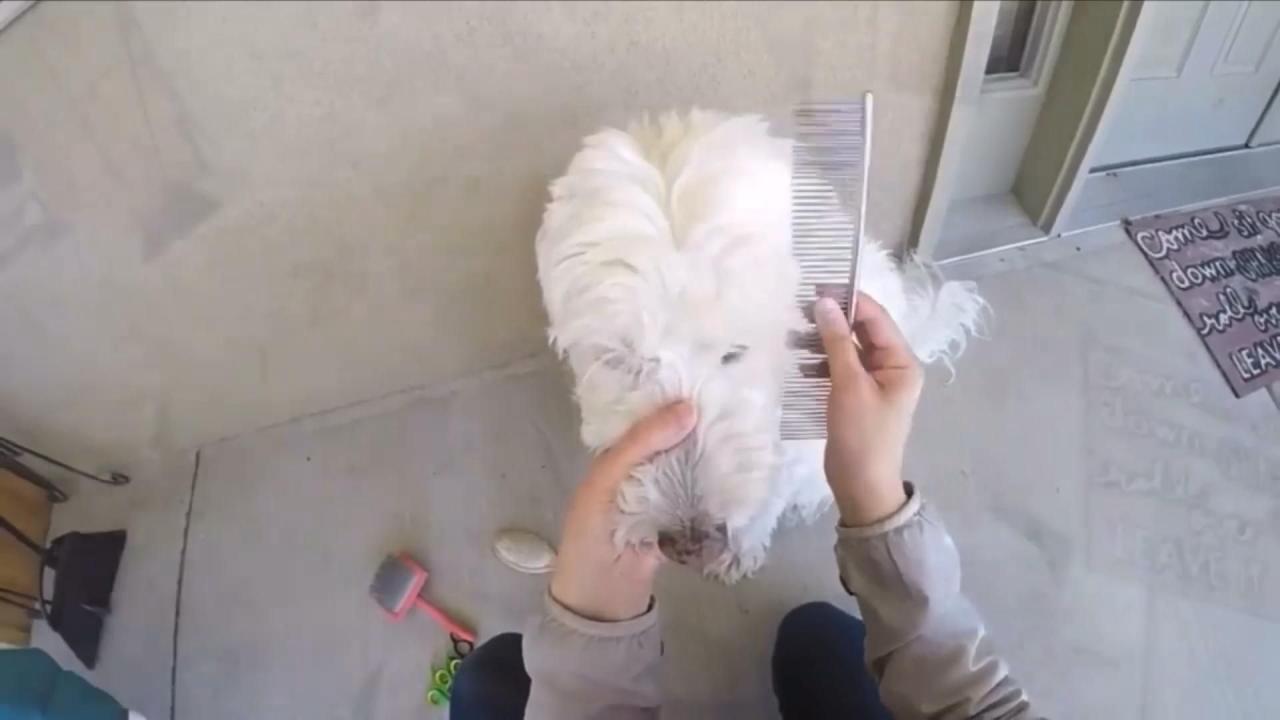
When considering a sanitary trim for your dog, it is essential to understand the specific anatomical areas that require attention. These areas are crucial for your dog’s hygiene and overall health. Proper grooming in these regions can prevent various discomforts and medical issues, ensuring your pet remains happy and healthy.The main areas that require trimming are the paws, undercarriage, tail, and face.
Each of these areas presents unique grooming challenges and potential problems if neglected. By understanding the significance and common issues associated with these areas, dog owners can provide better care and regular grooming for their pets.
Paws
The paws are critical for a dog’s mobility and comfort. Regular trimming can prevent matting of fur between the toes and pads, which can cause discomfort or pain. Additionally, untrimmed claws can lead to walking difficulties and even injury. Key grooming considerations for paws include:
- Fur Between the Pads: Long fur can trap dirt and debris, leading to infections.
- Claws: Overgrown claws can curl and cause pain, affecting the dog’s walking ability.
- Interdigital Cysts: Neglecting paw care can lead to painful cysts that require veterinary attention.
Undercarriage
The undercarriage, often overlooked, is prone to matting and moisture retention. This area can harbor bacteria and yeast, leading to skin infections or irritations if not groomed properly.Important aspects of undercarriage grooming include:
- Matting: Matts can pull on the skin and cause discomfort, making it essential to keep this area trimmed.
- Hygiene: Long hair can trap feces and urine, emphasizing the need for regular trimming.
- Skin Irritations: Moisture and debris can lead to infections if the area is not kept clean and well-groomed.
Tail
The tail can accumulate debris and bacteria, especially in longer-haired breeds. Keeping the tail trimmed not only improves cleanliness but also reduces the risk of irritation.Considerations for tail grooming include:
- Matting: Hair can mat, causing discomfort and requiring careful trimming.
- Hygiene: Grooming helps keep the tail area clean, reducing odors and infections.
Face
The face requires careful attention to avoid eye irritation and maintain a clean appearance. Hair around the eyes and muzzle can obstruct vision and trap food particles, which could lead to skin issues.Facial grooming elements include:
- Eye Irritation: Long hair can irritate the eyes, leading to tearing and discomfort.
- Muzzle Hygiene: Hair can trap food and moisture, promoting bacterial growth.
- Ear Cleanliness: Hair near the ears can block the ear canal, increasing the risk of infections.
By understanding these specific areas and their grooming needs, dog owners can prevent common health issues and provide a more comfortable and sanitary environment for their pets.
Step-by-Step Trims
Achieving a sanitary trim for your dog at home requires careful attention to detail and a gentle approach. This section provides comprehensive steps to ensure a safe and effective trimming process, focusing on the dog’s rear and genital area, paw pads, and ears. Following these guidelines will promote hygiene and comfort for your furry companion.
Trimming the Hair Around the Rear and Genital Area
Trimming the hair around your dog’s rear and genital area is crucial for maintaining cleanliness and preventing matting, which can lead to infections. Here are the essential steps to perform this task safely:
1. Prepare the Area
Choose a well-lit and quiet space where your dog feels comfortable. Have all your tools, such as clippers, scissors, and a comb, ready.
2. Calm Your Dog
Use treats and gentle petting to calm your dog. Ensure they are in a standing position, which may provide better access for trimming.
3. Inspect the Area
Examine the fur around the rear and genital area for any mats or tangles. Carefully detangle any knots using your fingers or a comb.
4. Use Appropriate Tools
Use clippers with a guard or blunt-ended scissors. This reduces the risk of accidents.
5. Trimming Technique
Start at the base of the tail, moving slowly and steadily towards the rear. Trim small sections, ensuring not to cut too close to the skin.
6. Check Regularly
Frequently check for any remaining long hairs and adjust your approach as needed, ensuring uniformity and comfort for your dog.
Trimming the Paw Pads and Between the Toes
Maintaining the fur around the paw pads and between the toes is important to prevent dirt accumulation and improve traction. Follow these steps for effective trimming:
1. Position Your Dog
Have your dog stand or sit comfortably so that you can easily access their paws.
2. Examine the Fur
Look for long hairs that may be protruding between the toes or around the pads.
3. Trimming Tools
Utilize blunt-ended scissors or clippers designed for sensitive areas.
4. Technique
Carefully lift each paw and trim the fur surrounding the pads, ensuring you cut only the excess hair without clipping the pads themselves. Pay special attention to the areas between the toes.
5. Check the Balance
Once one paw is done, compare it with the other three to ensure an even trim across all paws.
Trimming Long Hair Around the Ears
Long hair around the ears can trap dirt and moisture, leading to potential infections. Proper trimming can enhance your dog’s hygiene and comfort.
1. Secure Your Dog
Position your dog in a way that they feel secure, whether sitting or standing.
2. Inspect the Ears
Look for any excess hair that may be hanging over the ear flaps or inside the ear canal.
3. Use the Right Tools
Scissors with rounded tips are recommended for this area to prevent accidental injury.
4. Trimming Technique
Gently hold the ear flap and trim the long hair, starting from the base of the ear and working your way outwards. Be cautious not to pull or tug at the hair.
5. Finish Up
After trimming, check for any stray hairs that may need additional attention, ensuring a clean and neat appearance.By following these detailed steps, you can effectively give your dog a sanitary trim while maintaining their comfort and safety. Regular grooming not only promotes hygiene but also strengthens the bond between you and your pet.
Safety Precautions
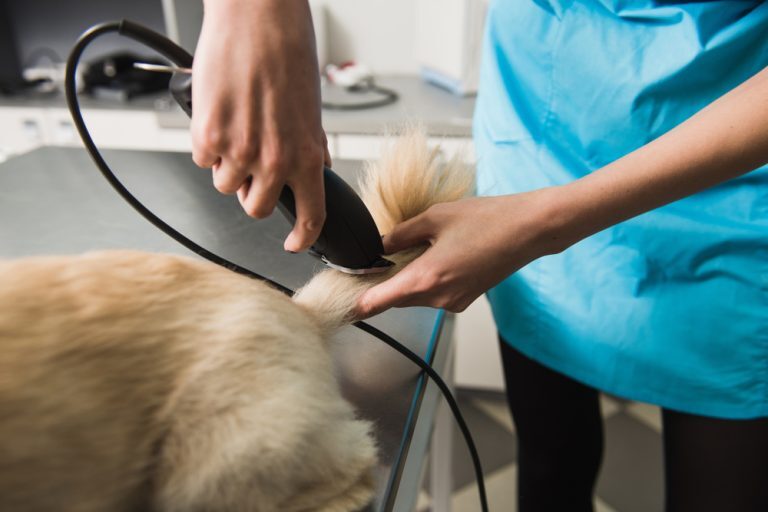
When grooming your dog at home, prioritizing safety is paramount to ensure a positive experience for both you and your pet. Dogs may become anxious during grooming, and accidents can happen if proper precautions are not taken. This section Artikels essential safety measures to adopt during the trimming process, as well as methods to calm your dog if it becomes restless.
Precautions for Dog Safety
Implementing safety precautions when giving your dog a sanitary trim is crucial to prevent any injuries or distress. The following points highlight the necessary steps to ensure a safe grooming session:
- Always secure your dog in a comfortable position, preferably on a non-slip surface or grooming table to prevent sudden movements.
- Keep sharp grooming tools, such as scissors and clippers, out of reach when not in use to avoid accidents.
- Consider using a muzzle if your dog has a history of biting or becoming agitated during grooming, but ensure it is properly fitted and allows your dog to breathe comfortably.
- Groom in a well-lit area to accurately see what you are doing and avoid any mistakes that could result in injury.
Managing Anxious or Restless Dogs
It is common for some dogs to feel anxious or restless during grooming. Understanding how to manage these reactions is essential for a successful trimming session. Consider the following strategies to help maintain a calm atmosphere:
- Use soothing tones and gentle reassurances to help your dog feel secure and relaxed during the trim.
- Take breaks if your dog becomes overly agitated; a moment of relaxation can help alleviate stress for both you and your pet.
- Have treats on hand to reward your dog for calm behavior, which can create positive associations with grooming.
- Allow your dog to explore the grooming tools before starting the trim, so it becomes familiar with them and less anxious about their presence.
Sanitization of Grooming Tools
Maintaining a clean and sanitized set of grooming tools is vital in preventing infections and ensuring the health of your pet. Dirty tools can harbor bacteria, leading to potential health risks. The following practices are important for keeping your grooming equipment in top condition:
- Disinfect scissors, clippers, and combs before and after each use with a veterinary-approved cleaning solution or isopropyl alcohol.
- Regularly check tools for wear and damage, replacing any worn-out items to ensure they function safely and effectively.
- Store your grooming tools in a clean, dry place to minimize the risk of contamination.
- Consider using disposable grooming products, such as wipes or brushes, for single-use to further reduce the risk of spreading bacteria.
“A safe grooming environment not only protects your pet’s health but also enhances their comfort and trust during the grooming process.”
Maintaining the Trimmed Areas

Regular maintenance of the trimmed areas is essential for your dog’s overall hygiene and comfort. After performing a sanitary trim, it is important to regularly check these areas to ensure they remain clean, free from matting, and irritation. Regular checks and appropriate care will not only support your dog’s hygiene but also contribute to their overall well-being.To maintain the trimmed areas effectively, a proper cleaning routine should be established to prevent any potential issues such as matting or skin irritations.
Regular grooming not only keeps your dog looking their best but also reinforces the bond between you and your pet.
Cleaning and Caring for Trimmed Areas
Maintaining hygiene in the trimmed areas requires consistent cleaning and monitoring. Here are some essential practices:
- Regular Inspections: Perform routine checks to identify any signs of matting, irritation, or infections. Look for redness or unusual odors, which can indicate underlying issues.
- Gentle Cleaning: Use a damp cloth or pet-safe wipes to gently clean the trimmed areas, especially after outdoor activities. This helps to remove dirt and debris that may accumulate.
- Drying: Ensure the areas are thoroughly dried after cleaning to prevent moisture buildup, which can lead to skin infections.
- Conditioning Products: Consider using conditioning sprays designed for pets that help reduce tangling and irritation. These products can soothe the skin and maintain a healthy coat.
To prevent matting or irritation, it is also crucial to monitor the hair growth in the clipped areas. Regular grooming helps to keep the hair at a manageable length and prevents tangles from forming.
Establishing a Grooming Schedule
A regular grooming schedule is key to long-term hygiene and comfort for your dog. Here are some recommendations for establishing an effective routine:
- Frequency of Trims: Depending on your dog’s coat type and growth rate, schedule trims every 4 to 8 weeks. Long-haired breeds may require more frequent attention.
- Daily Quick Checks: Incorporate a brief daily check of the trimmed areas as part of your pet care. This helps catch any issues early on.
- Incorporating Baths: Coordinate baths with grooming sessions, ideally every 4 to 6 weeks, to ensure cleanliness without over-bathing, which can dry out the skin.
- Professional Help: If managing your dog’s grooming routine becomes overwhelming, consider enlisting the help of a professional groomer for regular maintenance.
Routine care, monitoring, and a structured schedule will not only keep your dog’s hygiene in check but will also create a comfortable environment for them to thrive in.
Aftercare and Rewards
After giving your dog a sanitary trim, it is essential to provide appropriate aftercare to ensure their comfort and well-being. A soothing post-trim routine not only helps your dog recover from the grooming process but also reinforces positive associations with grooming sessions. Additionally, rewarding your dog after grooming can encourage good behavior in future sessions.
Aftercare Steps
Following a sanitary trim, there are several aftercare steps that can help soothe your dog and ensure their comfort. These steps are crucial for enhancing your pet’s grooming experience and maintaining their overall health.
- Gently clean the trimmed areas with a soft, damp cloth to remove any hair clippings, which may irritate the skin.
- Examine the trimmed areas for any signs of redness or irritation, particularly around sensitive regions.
- Apply a soothing balm specifically designed for dogs, if necessary, to calm any skin irritation.
- Provide a comfortable space for your dog to relax after the trim, ensuring they have access to fresh water and a cozy resting area.
- Monitor your dog’s behavior and comfort level for a few hours post-trim, as they may need time to adjust.
Significance of Rewards
Rewarding your dog after a grooming session is important for fostering a positive association with the grooming process. Positive reinforcement encourages good behavior and helps to eliminate any fear or anxiety associated with grooming.
- Offer treats or praise immediately following the trim to reinforce positive behavior and create a happy memory associated with grooming.
- Consider incorporating playtime with their favorite toy as a form of reward, enhancing their overall experience.
- Use calm and affectionate tones during the reward process to further reassure your dog that they did well.
Observing Reactions
After trimming, it is essential to observe your dog’s reactions to ensure their comfort and health. Being attentive to their behavior can help you identify any potential issues early on.
- Watch for signs of discomfort, such as excessive licking of the trimmed areas or reluctance to sit or lie down.
- Note any changes in your dog’s behavior, such as increased anxiety or aggression, which may indicate discomfort.
- Check for any unusual swelling or redness that may require veterinary attention.
Additional Resources
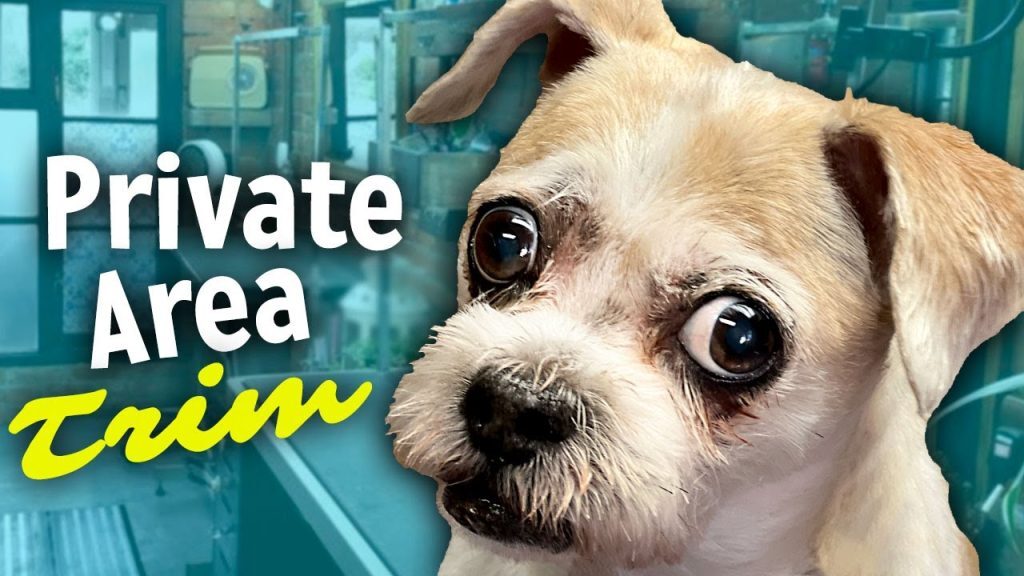
In order to enhance your skills in giving your dog a sanitary trim at home, various resources are available that can provide valuable visual guidance and expert advice. Utilizing these resources can not only improve your techniques but also ensure that you are taking the best care of your pet’s grooming needs. Several platforms offer videos and articles dedicated to dog grooming, specifically tailored for sanitary trims.
These resources can visually demonstrate proper techniques and tools, helping you become more confident in your grooming abilities.
Videos and Articles for Visual Guidance
Engaging with visual content can significantly improve your understanding of the trimming process. Here are some helpful resources:
- YouTube Channels: Channels such as “Groomer’s Helper” and “PetGrooming” provide step-by-step video tutorials that cover various grooming techniques, including sanitary trims.
- Online Articles: Websites like “The Spruce Pets” and “American Kennel Club” feature comprehensive articles detailing grooming methods with accompanying images demonstrating each step.
- Social Media Platforms: Instagram and TikTok often showcase short clips from professional groomers that illustrate quick tips and tricks for at-home grooming.
Consulting a Professional Groomer
While trimming your dog’s sanitary areas can be done at home, consulting a professional groomer can provide insights into advanced techniques that may not be easily learned through self-study. Professional groomers possess a wealth of experience and can share specialized knowledge, including:
- Advanced Techniques: Professional groomers can demonstrate techniques for handling sensitive areas and using tools that can make the process easier and safer for both you and your dog.
- Personalized Tips: A professional can assess your dog’s specific breed and coat type, offering tailored advice on grooming frequency and methods to maintain optimal hygiene.
- Health Considerations: Groomers are often trained to notice health issues while they groom, which can lead to early detection of potential problems that might be overlooked during a home trim.
Grooming Classes and Workshops
For dog owners who wish to deepen their knowledge and skills, attending grooming classes or workshops can be immensely beneficial. These programs often cover a variety of topics and techniques and provide hands-on experience under professional guidance.
- Local Pet Stores: Many pet supply stores offer workshops led by experienced groomers that focus on the basics of grooming, including sanitary trims.
- Community Colleges: Some community colleges offer courses in pet grooming that provide in-depth knowledge and practical skills necessary for effective grooming.
- Online Courses: Programs like “Udemy” and “Coursera” feature online grooming courses that you can complete at your own pace, offering flexibility along with comprehensive content.
“Grooming is not just about aesthetics; it’s a vital part of your dog’s overall health and well-being.”
Final Summary
In conclusion, mastering the art of giving your dog a sanitary trim at home can significantly contribute to their health and happiness. By following the Artikeld steps, maintaining a regular grooming routine, and ensuring your dog feels comfortable throughout the process, you will not only enhance their hygiene but also strengthen your bond with them. Remember to reward your dog after each grooming session, fostering a positive experience that encourages good behavior in the future.
With the right approach and care, you can make grooming a rewarding routine for you and your pet.