How to Condition Your Dog’s Fur After a Bath is an essential topic for every dog owner who wishes to maintain their pet’s coat in pristine condition. Conditioning not only enhances the fur’s texture and appearance but also contributes significantly to your dog’s overall health. By understanding the benefits of proper conditioning, you can ensure your furry companion feels comfortable and looks its best, ultimately leading to a happier and healthier dog.
In this guide, we will delve into the importance of conditioning, the right products to use, effective techniques, and common mistakes to avoid. With a comprehensive approach, you will unlock the secrets to achieving a lustrous coat for your beloved pet, making bath time a pleasurable experience for both of you.
Importance of Conditioning Dog’s Fur
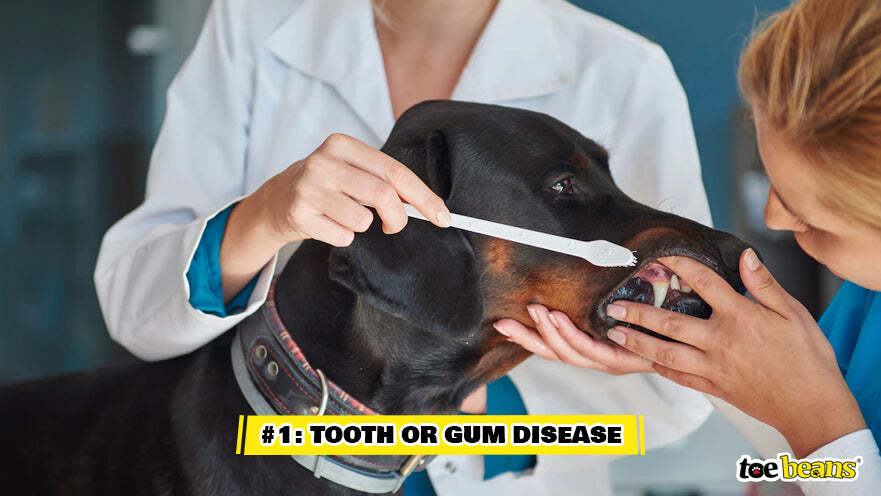
Conditioning a dog’s fur after a bath is an essential step in maintaining their overall coat health and appearance. This process not only enhances the texture and shine of the fur but also contributes to the wellbeing of the skin underneath. Proper conditioning can transform a lackluster coat into a vibrant one, making it an important routine for any dog owner to adopt.Utilizing a quality conditioner specifically designed for dogs can significantly improve the texture of the fur, providing a soft, silky finish that is more pleasant to the touch.
Conditioning products often contain ingredients that nourish the fur and skin, promoting a healthy sheen and reducing the risk of dryness or irritation. Furthermore, regular conditioning can help minimize shedding and prevent matting, which are common issues that may arise without adequate care.
Benefits of Conditioning on Fur Texture and Overall Health
The advantages of conditioning a dog’s fur extend beyond mere aesthetics; they encompass overall health benefits as well. Conditioning treatments contribute to the following:
- Hydration: Conditioners help to lock in moisture, ensuring that the fur remains hydrated and soft. This is particularly beneficial for breeds with long or thick fur, as they are more prone to dryness.
- Enhanced Shine: Regular use of conditioning products can produce a glossy coat, reflecting light and giving the fur a healthy appearance.
- Reduced Frizz and Flyaways: Conditioning can help tame unruly fur, reducing frizz and making it easier to groom.
- Soothing Irritation: Many conditioners contain soothing ingredients that can alleviate skin irritations, promoting a healthier environment for the fur to thrive.
Conditioning is particularly crucial for breeds that are prone to matting or excessive shedding. By maintaining the coat’s health, owners can reduce the frequency and severity of these issues.
Impact of Conditioning on Shedding and Matting
The role of conditioning in managing shedding and matting is significant, especially for breeds with thicker or longer fur. It is important to understand how conditioning influences these factors:
- Decreased Shedding: Conditioners can help strengthen individual hair strands, which may lead to less shedding overall. A well-hydrated coat is less likely to lose hairs during grooming or daily activities.
- Prevention of Matting: Regular conditioning can reduce the risk of matting by making the fur more manageable. When fur is conditioned, it is less likely to tangle and form mats, which can cause discomfort and require more intensive grooming.
- Improved Grooming Efficiency: Conditioning makes brushing easier, as the fur glides smoothly without resistance, allowing owners to maintain a clean and healthy coat without excessive tugging or pulling.
In summary, the conditioning process after a bath is vital for not only enhancing the appearance of a dog’s fur but also ensuring the health of the coat and skin. Implementing this practice can lead to a happier and healthier dog, reducing common grooming challenges along the way.
Choosing the Right Conditioner
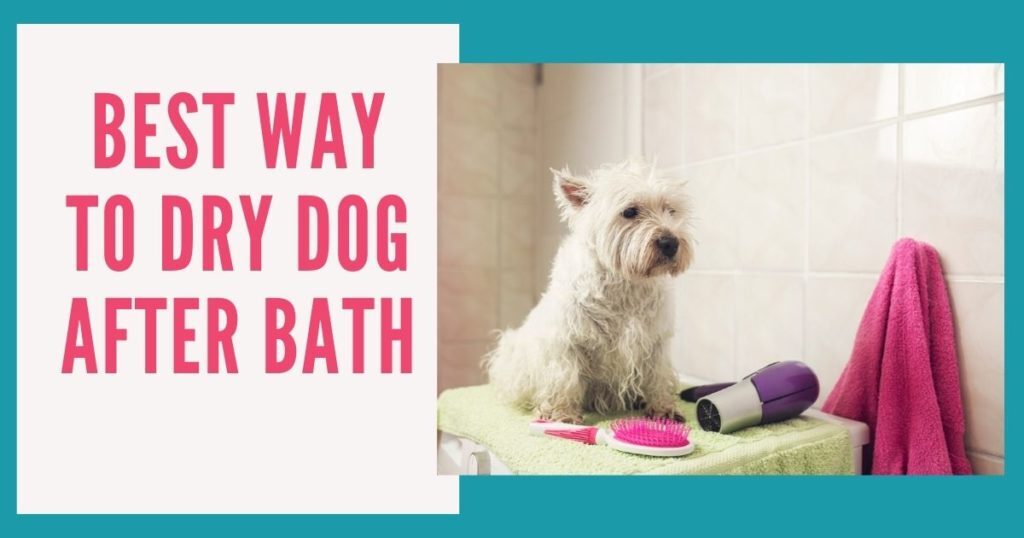
Selecting an appropriate conditioner for your dog’s fur is crucial in maintaining its health and appearance. With numerous products available in the market, understanding the essential qualities of conditioners will help you make an informed choice. The right conditioner will not only nourish your dog’s fur but will also enhance its shine and manageability.When selecting a conditioner, it’s important to focus on the ingredients and formulation.
Natural ingredients are typically preferable as they are gentler on the skin and fur, whereas synthetic ingredients may offer specific benefits but can also cause irritation in sensitive dogs. Below are essential ingredients that you should look for when choosing a dog conditioner:
Essential Ingredients to Look For
The choice of ingredients plays a pivotal role in the effectiveness of dog conditioners. Consider the following beneficial ingredients:
- Aloe Vera: Known for its soothing properties, aloe vera helps to hydrate the skin and can alleviate irritation.
- Coconut Oil: This natural oil provides moisture and nourishment, making the fur soft and manageable.
- Shea Butter: Rich in vitamins, shea butter adds moisture and protects the fur from environmental damage.
- Chamomile: This calming herb provides soothing benefits and can help reduce skin irritation.
Comparison of Natural vs. Synthetic Conditioners
Both natural and synthetic conditioners have their own advantages. Natural conditioners typically contain plant-based ingredients, which are often hypoallergenic and less likely to irritate sensitive skin. They are excellent for dogs with allergies or skin conditions. Conversely, synthetic conditioners may include specific chemical compounds that can effectively target particular issues, such as dandruff or excessive oil. They might also offer long-lasting effects that are sometimes absent in natural options.
Ultimately, the decision between natural and synthetic conditioners should be based on your dog’s specific needs and sensitivities. For instance:
“Natural ingredients tend to align with the holistic care approach, promoting overall wellness and comfort.”
Recommendations Based on Dog Breeds
Different dog breeds have varying coat types and grooming requirements, which necessitates specific conditioner formulations. Below are recommendations tailored to some popular dog breeds:
- Golden Retriever: A conditioner rich in coconut oil and shea butter, such as TropiClean’s Coconut Conditioner, will enhance the natural shine of their thick fur.
- Poodle: For curly coats, a moisturizing conditioner with oatmeal, like Earthbath Oatmeal & Aloe Conditioner, helps maintain softness and manageability.
- German Shepherd: A conditioner with aloe vera and chamomile, such as PetAg’s Fresh ‘n Clean, can soothe their skin while conditioning their double coat.
- Bulldog: A hypoallergenic formula like Vet’s Best Hypo-Allergenic Dog Shampoo & Conditioner will cater to their sensitive skin needs.
- Siberian Husky: Use a conditioner with natural oils like Omega fatty acids, such as Isle of Dogs Silky Coating Conditioner, to maintain their thick undercoat and add shine.
Proper Techniques for Conditioning
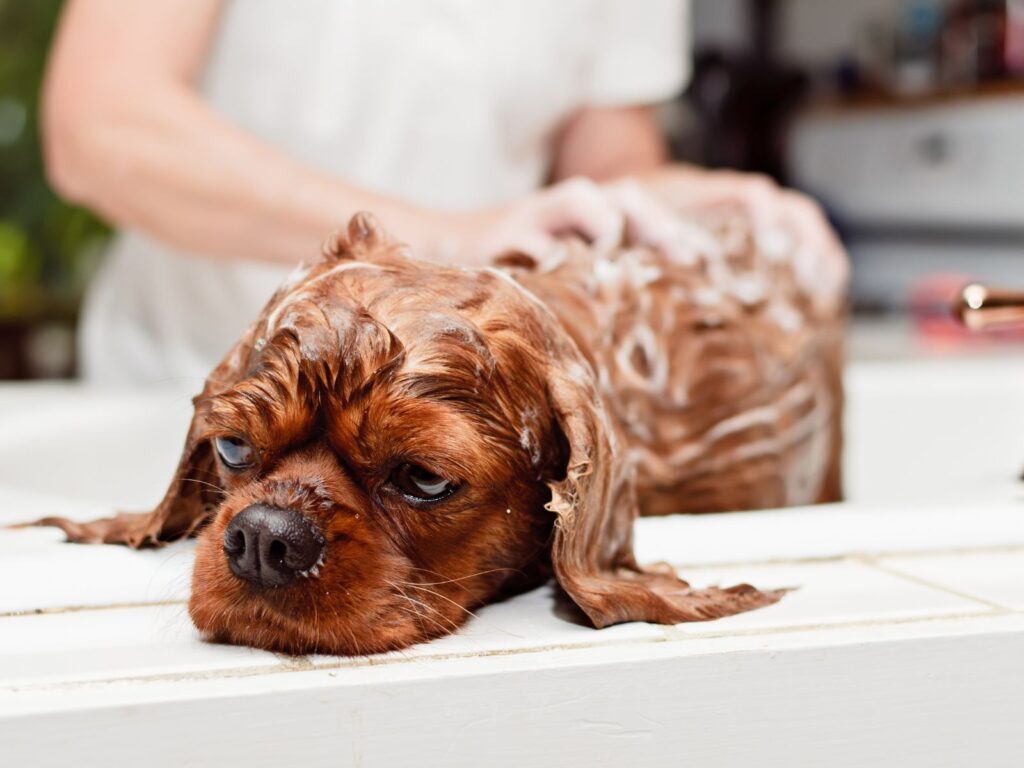
Conditioning your dog’s fur is a vital step in maintaining a healthy and shiny coat. By following proper techniques, you can ensure that the conditioner penetrates effectively, leaving your dog’s fur smooth and tangle-free. This section will guide you through the step-by-step procedures for applying conditioner, while also highlighting sensitive areas that should be avoided during the process.
Step-by-Step Procedure for Applying Conditioner
To achieve optimal results when conditioning your dog’s fur, it is essential to follow a systematic approach. Below are the steps you should take:
1. Prepare the Conditioner
Choose a conditioner suitable for your dog’s coat type. Make sure it is specifically designed for pets and free from harmful chemicals. Shake the bottle well before use to ensure an even texture.
2. Dry the Fur Slightly
After bathing, gently towel-dry your dog to remove excess water. This allows the conditioner to adhere better to the coat.
3. Section the Fur
Divide your dog’s fur into manageable sections. This is especially important for dogs with long or thick coats, as it ensures an even application.
4. Apply the Conditioner
Squeeze a small amount of conditioner into your palm. Rub your hands together and begin applying it from the neck downwards. Use your fingers to work the conditioner into the fur, ensuring even distribution.
5. Massage the Fur
Gently massage the conditioner into the coat using your fingertips. Pay attention to areas that may need extra care, such as the chest and back.
6. Avoid Sensitive Areas
It is crucial to avoid applying conditioner near your dog’s eyes, ears, and mouth. These areas are sensitive, and conditioner can cause irritation. Use a damp cloth to gently wipe these areas if any conditioner comes into contact.
7. Leave It On
Allow the conditioner to sit in the fur for the recommended time as specified on the product label, usually around 5 to 10 minutes. This duration lets the conditioner penetrate and nourish the fur effectively.
8. Rinse Thoroughly
Rinse your dog’s fur with lukewarm water, ensuring that all the conditioner is washed out. Leaving any residue can lead to skin irritation or matting.
9. Towel Dry and Brush
After rinsing, gently towel-dry your dog again. Once the fur is damp, use a brush appropriate for your dog’s coat type to remove any tangles and distribute the natural oils.1
0. Drying
Finally, allow your dog to air dry or use a pet dryer on a low setting if they are comfortable with it.
Remember, a well-conditioned coat not only looks great but also protects your dog’s skin and enhances their overall well-being.
Importance of Avoiding Sensitive Areas
When conditioning your dog’s fur, it is paramount to be mindful of sensitive areas to prevent discomfort or health issues. The eyes, ears, and mouth are particularly vulnerable regions, and applying conditioner to these areas can result in irritation or allergic reactions.
Eyes
Conditioner can cause redness, itching, or discomfort if it enters the eyes. Always apply conditioner away from the eye area and use a damp cloth to wipe any accidental contact.
Ears
The ear canal is sensitive, and introducing conditioner can lead to infections or irritation. Avoid applying any product near the ears; instead, focus on the fur around them.
Mouth
Similar to eyes and ears, conditioning products can be harmful if ingested. Ensure that your dog does not lick their fur while the conditioner is applied.
Guide for Duration of Conditioning and Rinsing Processes
The effectiveness of conditioning largely depends on the time allowed for the product to work its magic. Here’s a concise guide for both the conditioning and rinsing durations:
Conditioning Duration
Follow the manufacturer’s instructions on the conditioner’s label. Generally, a duration of 5 to 10 minutes is optimal for most products. This allows the ingredients to hydrate and nourish the fur.
Rinsing Duration
Rinse thoroughly until the water runs clear to ensure all conditioner is removed. This usually takes about 2 to 5 minutes, depending on the length and thickness of your dog’s coat.
Investing time in the conditioning process directly contributes to the health of your dog’s coat, providing lasting benefits.
Tools and Equipment Needed
To ensure effective conditioning of your dog’s fur after a bath, having the right tools and equipment is essential. Proper tools can significantly enhance the conditioning process, leading to a healthier coat and a more comfortable experience for your pet. Being prepared with the right items will streamline the process and make it more enjoyable for both you and your dog.
Essential Conditioning Tools
A variety of tools play a crucial role in the conditioning process. These tools help in detangling, distributing the conditioner evenly, and enhancing the overall appearance of your dog’s coat. Below is a selection of must-have conditioning tools:
- Brushes: A slicker brush is ideal for removing loose fur and smoothing the coat. A bristle brush can help in distributing oils and ensuring a shiny finish.
- Combs: A wide-toothed comb is perfect for detangling and is particularly useful for long-haired breeds.
- Conditioner Applicator: A squeeze bottle or spray applicator helps apply conditioner evenly without wasting product.
Towels and Drying Equipment
Post-bath care is just as important as the bath itself, particularly when it comes to drying your dog’s fur and preventing matting or skin issues. Using the appropriate towels and drying equipment can make a significant difference in the conditioning process. Below are some recommended items:
- Microfiber Towels: These towels are highly absorbent and gentle on your dog’s skin, making them perfect for drying off after a bath.
- Absorbent Bath Sheets: Larger and thicker than standard towels, these sheets are specifically designed for pets and can help reduce drying time.
- Pet Hair Dryer: A low-heat, high-velocity dryer can effectively remove moisture without overheating or harming your dog’s skin.
Preparation Checklist
Having a checklist of items ready before starting the conditioning process can save time and ensure a smooth experience. Below is a comprehensive list of items to gather:
- Conditioner suitable for your dog’s coat type.
- Brushes and combs (slicker brush, bristle brush, wide-toothed comb).
- Microfiber towels or absorbent bath sheets for drying.
- Conditioner applicator (bottle or spray bottle).
- Pet hair dryer (if necessary).
- Non-slip mat for safety during the process.
Common Mistakes to Avoid
Conditioning your dog’s fur is a vital aspect of their grooming routine, yet many pet owners inadvertently make mistakes that can detract from the benefits of the conditioning process. Understanding these common errors can ensure that your dog’s coat remains healthy and well-maintained.One frequent mistake is over-conditioning or under-conditioning your dog’s fur. Over-conditioning can lead to a greasy appearance and attract dirt, while under-conditioning may result in a dry and unmanageable coat.
Both scenarios can make your dog uncomfortable and compromise the overall health of their fur. Striking the right balance is essential for optimal results.
Recognizing Over-Conditioning and Under-Conditioning
Being aware of the signs of over-conditioning and under-conditioning can help pet owners make informed decisions regarding the conditioning process.
- Over-conditioning often results in a heavy, oily texture in your dog’s fur. This can attract dirt and allergens, making the coat more challenging to manage. If your dog’s fur feels slick or looks shiny in an unnatural way, this could indicate that you are using too much conditioner.
- Under-conditioning manifests as dryness, brittleness, or excessive tangling of the fur. If your dog’s coat lacks sheen and feels rough to the touch, it may be time to apply a more suitable conditioner or adjust the amount used during the grooming process.
Assessing the conditioning process’s effectiveness can involve a few key steps. After bathing and conditioning your dog’s fur, observe the texture and appearance of the coat. A well-conditioned coat should appear healthy, with a natural shine and a soft, manageable texture.
Regularly evaluating your dog’s coat condition is essential in achieving the desired results, ensuring comfort, and maintaining overall health.
In summary, avoiding common mistakes like over-conditioning and under-conditioning, along with regular assessments of your dog’s coat, will lead to more effective grooming practices. Proper conditioning not only enhances the dog’s appearance but also promotes a healthier and happier life for your furry companion.
Aftercare Following Conditioning
Proper aftercare following the conditioning of your dog’s fur is essential to enhance the benefits of the conditioning treatment and to maintain a healthy coat. Effective drying techniques and the establishment of a maintenance routine can significantly contribute to the overall health and appearance of your dog’s fur.
Importance of Proper Drying Techniques
After applying conditioner, it is crucial to dry your dog’s coat properly. Incorrect drying can lead to several issues, including matting, skin irritation, and an unpleasant odor. Using the right techniques will not only help to remove excess moisture but also ensure that the conditioner is fully absorbed into the fur. When drying your dog, consider the following methods:
- Towel Drying: Start by gently blotting the coat with a soft towel. This will help to remove the initial moisture without causing friction that can lead to tangles.
- Air Drying: Allowing your dog to air dry in a warm, draft-free area can be beneficial, especially for longer coats. This method prevents the potential overheating that can occur with blow dryers.
- Using a Dog Dryer: If using a blow dryer, ensure it is specifically designed for dogs. Set it to a low heat setting to avoid skin burns and keep the dryer at a safe distance from the coat.
Proper drying techniques enhance coat health and comfort while preventing potential skin issues.
Creating a Maintenance Routine for Healthy Fur
Establishing a maintenance routine is vital for preserving the health and shine of your dog’s coat. A consistent grooming schedule helps to prevent matting, reduces shedding, and promotes the distribution of natural oils throughout the fur. Key components of a maintenance routine include:
- Regular Brushing: Brushing your dog’s coat at least once a week, or more frequently for long-haired breeds, helps to remove loose fur and debris.
- Scheduled Baths: Depending on your dog’s activity level and coat type, bathing should occur every four to six weeks to keep the coat clean and healthy.
- Moisturizing Treatments: Incorporating a light conditioning spray between baths can help maintain moisture levels, particularly in dry weather or for breeds prone to dryness.
Regular maintenance supports a glossy coat and strengthens the bond between you and your pet.
Conditioning Schedule Based on Coat Type
Different dog breeds have various coat types that require specific care and conditioning schedules. Knowing how often to condition your dog’s fur is important for optimal results. Below is a suggested conditioning schedule based on common coat types:
| Coat Type | Conditioning Frequency |
|---|---|
| Short Hair | Every 4 to 6 weeks |
| Medium Hair | Every 4 weeks |
| Long Hair | Every 2 to 4 weeks |
| Curly or Wavy Hair | Every 3 to 6 weeks |
Adapting the conditioning schedule to suit your dog’s specific coat type ensures optimal fur health.
Special Considerations for Different Coat Types
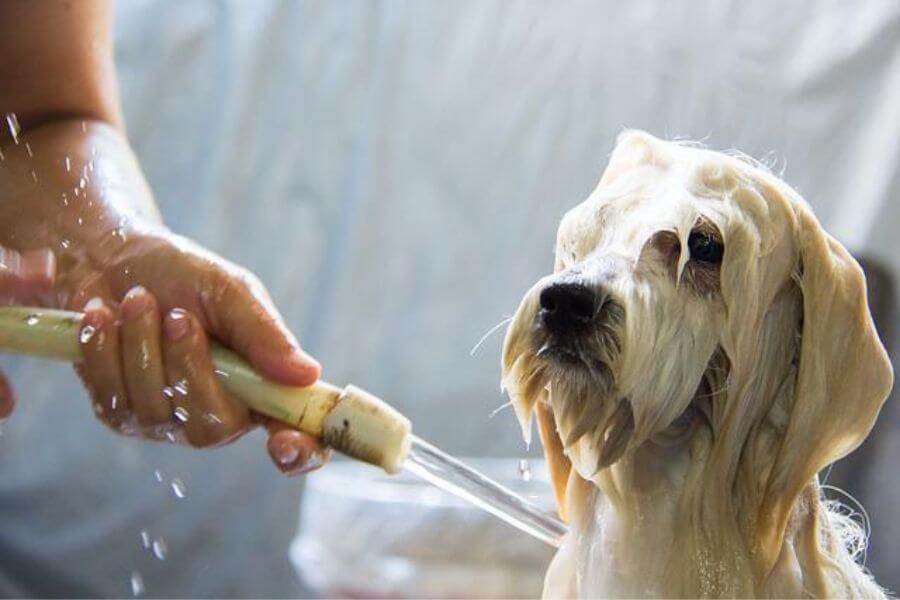
When it comes to conditioning your dog’s fur, understanding the specific needs of different coat types is essential. Each dog breed has unique characteristics that can affect how their coat responds to conditioning treatments. By tailoring your approach based on whether your dog has long, short, or curly fur, you can enhance the overall health and appearance of their coat.
Conditioning Needs for Long-Haired, Short-Haired, and Curly-Coated Dogs
Different coat types require distinct conditioning approaches to ensure proper maintenance and care. Long-haired dogs often benefit from heavy, moisturizing conditioners that help detangle and prevent matting. Short-haired breeds typically require lighter conditioners that add shine without weighing the coat down. Curly-coated dogs, such as Poodles, require special attention to hydration, necessitating conditioners that focus on curl definition and moisture retention.
- Long-Haired Dogs: Use a rich, creamy conditioner that penetrates the coat deeply. Consider products specifically designed to detangle fur, and apply generously, making sure to work through the entire length of the hair.
- Short-Haired Dogs: Opt for a light conditioner that enhances shine and softness. These conditioners should be easily rinsed out and not leave a greasy residue.
- Curly-Coated Dogs: Choose a conditioner formulated for curly fur, which helps maintain moisture and prevents frizz. Leave-in conditioners can be particularly beneficial for maintaining curl definition.
Best Conditioning Practices for Puppies versus Adult Dogs
Puppies have sensitive skin and developing coats that require gentle, hypoallergenic conditioning products. Adult dogs can typically use a wider range of conditioners based on their specific coat types and needs. When conditioning puppies, it’s important to choose products that do not irritate their skin or cause any allergic reactions.
- Puppies: Utilize hypoallergenic and tear-free conditioners that are specifically formulated for young dogs. Gentle formulas promote healthy coat development without harming sensitive skin.
- Adult Dogs: Select conditioners based on the specific coat type and any existing skin conditions. Adult dogs may benefit from more robust conditioning treatments, especially if they have been exposed to environmental stressors.
Allergies and Skin Sensitivities Requiring Special Conditioners
Many dogs suffer from allergies or skin sensitivities that necessitate careful selection of conditioning products. Dogs with these issues may require specialized conditioners that are free from common allergens and irritants, such as fragrances or harsh chemicals.
- Allergy-Friendly Conditioners: Look for conditioners that are hypoallergenic, containing natural ingredients that soothe and nourish the skin without causing irritation. Ingredients like oatmeal or aloe vera can be beneficial.
- Sensitivity Testing: Always perform a patch test when introducing a new product to your dog’s grooming routine. Apply a small amount of conditioner to a limited area and observe for any adverse reactions before full application.
Outcome Summary
In conclusion, mastering the art of conditioning your dog’s fur after a bath is crucial for promoting a healthy and beautiful coat. By selecting the right conditioner, employing proper techniques, and avoiding common mistakes, you will not only enhance your dog’s appearance but also improve their comfort and well-being. Regular conditioning, tailored to your dog’s specific coat type, will ensure that they remain radiant and healthy, creating lasting bonds during your grooming routines.