How to Clean Your Dog’s Ears to Prevent Infections is an essential guide that underscores the significance of maintaining proper ear hygiene for your canine companions. Keeping your dog’s ears clean is not merely a matter of aesthetics; it plays a crucial role in preventing painful ear infections that can severely impact their health and well-being. With dogs being prone to various ear issues, understanding the methods of cleaning and the importance of ear health is vital for every dog owner.
In this guide, we will explore the signs of ear infections, the necessary tools for effective cleaning, and the step-by-step process to ensure your dog’s ears remain healthy. Additionally, we will discuss natural remedies for ear care and when it is appropriate to consult a veterinarian. Armed with this knowledge, you will be better equipped to protect your dog’s ears from infections and promote their overall health.
Importance of Cleaning Dog’s Ears
Cleaning your dog’s ears is a vital aspect of their overall health and hygiene. Regular ear cleaning helps prevent various ear-related health issues and contributes to the well-being of your canine companion. An understanding of the importance of ear care will not only enhance your dog’s quality of life but also keep them comfortable and happy.Ear infections are a common affliction in dogs, often leading to discomfort, pain, and potential long-term damage if left untreated.
Dogs with floppy ears or those that spend considerable time in water are particularly susceptible to accumulating wax and debris, which can lead to bacterial or yeast infections. According to veterinary statistics, approximately 20% of dogs will experience an ear infection at some point in their lives, which highlights the critical need for preventive care.
Common Ear Problems in Dogs
Understanding the prevalent ear problems in dogs can inform pet owners about the need for regular cleaning. The following issues are often encountered:
- Otitis Externa: This is the inflammation of the outer ear canal, commonly caused by allergies, irritants, or infections. Symptoms include redness, swelling, and a foul odor.
- Ear Mites: Tiny parasites that can infest a dog’s ear, causing severe itching and discomfort. They thrive in dirty ears and can lead to secondary infections.
- Ear Infections: These can stem from bacteria, yeast, or foreign bodies in the ear canal. Symptoms may include shaking of the head, scratching, and discharge.
- Waxy Build-Up: Excessive wax can trap moisture and create a breeding ground for bacteria and fungi. Regular cleaning can prevent this build-up and reduce the risk of infections.
Maintaining clean ears not only enhances your dog’s comfort but can also prevent the high costs associated with veterinary treatment for these common ear ailments. Regular ear care should be a part of your dog’s grooming routine, ensuring their ears remain healthy and free from infection.
“Routine ear cleaning is essential for preventing infections and ensuring your dog’s comfort and overall health.”
Signs of Ear Infections in Dogs

Recognizing the signs of ear infections in dogs is crucial for maintaining your pet’s health and comfort. Early detection can significantly enhance treatment outcomes and prevent more severe complications. Being aware of the symptoms and behavioral changes can help you act promptly and seek veterinary care when necessary.A dog suffering from an ear infection may exhibit a range of symptoms.
These signs can manifest physically as well as through changes in behavior. It’s essential to monitor your dog’s ears closely and be aware of any alterations, as these can be the first indicators of an underlying issue. Distinguishing between normal ear wax and signs of infection is equally important for effective ear health management.
Physical Symptoms of Ear Infections
When observing physical signs of an ear infection, several symptoms warrant attention. Noticing any of the following indicators can help in identifying potential ear issues:
- Redness or swelling inside the ear canal indicates inflammation, which is common in infections.
- Excessive ear wax production may occur; in cases of infection, the wax can appear darker or have an unusual odor.
- Discharge from the ear, which may be thick, yellow, or brown in color, is often a clear sign of infection.
- Unpleasant smell emanating from the ear can be indicative of bacterial or yeast infection.
Behavioral Changes Indicating Ear Issues
Alongside physical symptoms, behavioral changes in dogs can also signal ear infections. Observing your dog’s behavior is essential:
- Head shaking or tilting may suggest discomfort or pain in the ear area.
- Frequent scratching or pawing at the ears can be an attempt to relieve irritation.
- Increased sensitivity when touching the ears might indicate pain and discomfort.
- Changes in balance or coordination could suggest that the infection is affecting the inner ear.
Differentiating Between Normal Ear Wax and Signs of Infection
Understanding the difference between normal ear wax and signs of infection is vital for pet owners. Normal ear wax is typically light brown or amber in color, moist, and produced in moderate amounts. In contrast, signs of infection may present as:
- Dark brown or black wax, often associated with a buildup of debris and bacteria.
- Thick consistency, indicating abnormal production.
- Presence of blood or pus, which is a clear indicator of infection and requires immediate veterinary attention.
Recognizing these signs early can lead to prompt treatment, preventing further complications and ensuring your dog’s well-being.
Essential Tools for Ear Cleaning
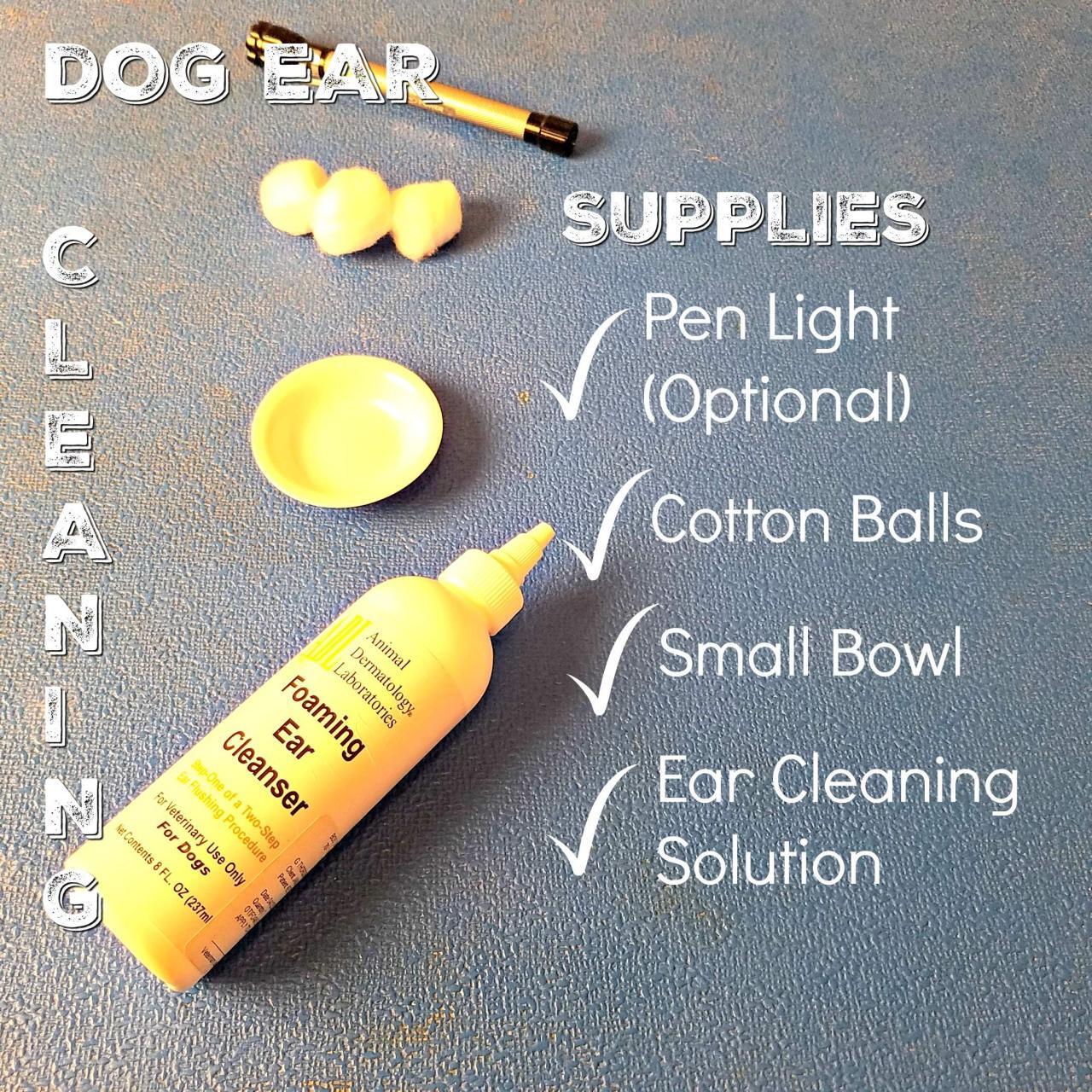
Cleaning your dog’s ears is an essential part of their grooming routine, fostering both health and comfort. Having the right tools can make this process efficient and safe, ensuring that your dog receives the best care possible.To successfully clean your dog’s ears, several essential tools and products are needed. Each tool plays a specific role in ensuring that the cleaning process is thorough, safe, and effective.
Below is a detailed list of these tools, along with their functions and importance in the ear cleaning process.
Necessary Tools and Products for Cleaning Dog Ears
The following tools are critical for a successful ear cleaning routine:
- Dog Ear Cleaner Solution: A specially formulated cleaning solution helps break down wax and debris, making it easier to clean the ears without causing irritation. Look for solutions with natural ingredients that are safe for pets.
- Cotton Balls or Pads: These are used to gently wipe away dirt and wax from the outer ear. They are soft and absorbent, making them ideal for delicate ear tissues.
- Tweezers: Used for removing hair in the ear canal, tweezers can help prevent blockage and promote better air circulation. It’s important to be gentle to avoid injury.
- Ear Thermometer: While not directly related to cleaning, an ear thermometer can help monitor your dog’s ear health by identifying abnormal temperatures that may indicate infection.
It is critical to have a clean and comfortable environment during the ear cleaning process. A calm and relaxed space will help your dog feel more at ease, reducing anxiety and making the cleaning process smoother. Ensure that the area is free from distractions, and consider using treats to create a positive association.
Comparison of Ear Cleaning Solutions
Different ear cleaning solutions are available on the market, each with its unique formulations and benefits. The following table provides a comparison of various ear cleaning products, highlighting their key features:
| Product Name | Active Ingredients | Benefits | Ideal for |
|---|---|---|---|
| Ear Care Solution A | Salicylic Acid, Aloe Vera | Reduces inflammation; soothing properties | Dogs with sensitive ears |
| Ear Care Solution B | Chlorhexidine, Witch Hazel | Antimicrobial effects; deep cleaning | Dogs prone to infections |
| Ear Care Solution C | Hydrogen Peroxide, Glycerin | Breaks down wax; dries quickly | Dogs with excessive wax buildup |
Using the right ear cleaning solution is crucial for maintaining your dog’s ear health. Selecting a product that aligns with your dog’s specific needs ensures a more effective cleaning process.
Step-by-Step Guide to Cleaning Your Dog’s Ears

Cleaning your dog’s ears is an essential aspect of maintaining their overall health and preventing infections. Performing this task correctly ensures that your dog remains comfortable and healthy while also allowing you to catch any potential issues early on.The following step-by-step guide will walk you through the process of cleaning your dog’s ears safely and effectively. It is important to approach this task with patience and care, as some dogs may be anxious or sensitive about having their ears handled.
Detailed Cleaning Procedure
Begin by gathering all necessary items to ensure a smooth cleaning process. This preparation will help you focus on your dog without distractions. Essential Tools:
- Dog ear cleaner solution (vet-approved)
- Cotton balls or gauze pads
- A towel
- Treats (for positive reinforcement)
Step-by-Step Checklist:
1. Choose a Calm Environment
Select a quiet space where your dog feels comfortable and relaxed.
2. Gather Supplies
Ensure that all cleaning supplies are within reach to avoid leaving your dog unattended.
3. Position Your Dog
Have your dog sit or lie down in a comfortable position. You may want to gently hold their head to prevent sudden movements.
4. Inspect the Ears
Look for signs of dirt, wax buildup, or unusual odor. This can help you determine the level of cleaning required.
5. Apply the Ear Cleaner
Gently lift the ear flap and squeeze a few drops of the cleaner into the ear canal. Be cautious not to insert the nozzle too deeply.
6. Massage the Base of the Ear
After applying the cleaner, massage the base of the ear for about 20-30 seconds. This helps to loosen any debris.
7. Wipe the Ear Canal
Use a cotton ball or gauze pad to wipe away any excess cleaner and debris. Do not push any material deeper into the ear canal.
8. Repeat on the Other Ear
Follow the same procedure for the other ear, ensuring to clean it thoroughly.
9. Reward Your Dog
After the process, offer a treat and plenty of praise to reinforce positive behavior. Calming Techniques:
- Start the cleaning process when your dog is relaxed, such as after a walk or playtime.
- Speak to your dog in a soothing voice throughout the cleaning process.
- Use gentle petting and reassurance to help them feel secure.
- Take breaks if your dog seems anxious or uncomfortable, allowing them to adjust.
Regular ear cleaning can help prevent infections and discomfort, promoting your dog’s overall well-being.
Frequency of Ear Cleaning
Maintaining your dog’s ear hygiene is crucial, and understanding how often to clean their ears is an essential aspect of pet care. The frequency of ear cleaning can vary significantly based on the breed, lifestyle, and specific needs of your dog. Knowing the appropriate intervals for cleaning can help prevent ear infections and keep your pet comfortable and healthy.Different breeds and lifestyle factors greatly influence how often a dog’s ears should be cleaned.
For instance, breeds with floppy ears, such as Cocker Spaniels and Basset Hounds, tend to accumulate more moisture and wax, necessitating more frequent cleaning—ideally, once every one to two weeks. Conversely, breeds with erect ears, such as German Shepherds and Chihuahuas, may require cleaning every month or so, as their ear shape promotes better airflow and reduces moisture retention.
Factors Influencing Ear Cleaning Frequency
Several factors dictate how often a dog’s ears should be cleaned, aligning with their individual characteristics and environments. It is important to consider each aspect to establish an effective ear cleaning routine:
- Ear Shape: Dogs with long, floppy ears are more prone to ear infections due to reduced airflow. Regular cleaning is essential for these breeds to prevent wax buildup and moisture accumulation.
- Activity Level: Active dogs, especially those who swim or spend time in muddy environments, may require more frequent ear cleaning to eliminate debris and moisture that can lead to infections.
- Allergies: Dogs with allergies may experience more frequent ear issues, necessitating regular cleaning to remove allergens and irritants that could exacerbate the condition.
- Health Conditions: Dogs with a history of ear infections may need more frequent cleaning as part of a preventative care approach, under the guidance of a veterinarian.
It is important to note that over-cleaning a dog’s ears can be detrimental. Excessive cleaning can strip the ears of their natural oils, leading to dryness and irritation. This disruption can make the skin in the ear canal more susceptible to infections and other irritations. Maintaining a balance in ear cleaning frequency is key to promoting good ear health and preventing complications.
Natural Remedies for Ear Health
Maintaining your dog’s ear health is essential for their overall well-being. Natural remedies can play a significant role in preventing ear infections and promoting healthy ears. These solutions often provide a gentler alternative to commercial products, making them appealing to pet owners seeking holistic care for their furry companions.Natural remedies for ear health can help maintain a balanced environment in your dog’s ears and can be used as preventative measures or adjuncts to regular cleaning.
However, it is crucial to understand the benefits and potential risks associated with these home-based solutions compared to commercial products. While many natural remedies are effective, some may not be suitable for every dog and could lead to adverse reactions.
Comparison of Natural Remedies
The efficacy of various natural remedies can differ based on individual dog needs and specific ear conditions. Below is a table comparing several popular natural remedies, highlighting their benefits and potential risks:
| Natural Remedy | Benefits | Risks |
|---|---|---|
| Apple Cider Vinegar | Balances pH levels, helps fight bacteria and yeast. | Can cause irritation if undiluted; not suitable for dogs with ruptured eardrums. |
| Olive Oil | Moisturizes ear canal, helps dislodge debris. | May attract dirt; excessive use can lead to buildup. |
| Chamomile Tea | Soothing properties; can reduce inflammation. | Possible allergic reactions; should be cooled before use. |
| Tea Tree Oil (diluted) | Antimicrobial and antifungal properties. | Toxic in high concentrations; must be diluted properly. |
| Witch Hazel | Reduces inflammation and soothes irritation. | Can cause dryness if overused; should be applied sparingly. |
Understanding the natural remedies available for ear health in dogs provides a foundation for making informed decisions. These remedies can be valuable tools, yet they should be used with care and consideration of your dog’s specific health needs.
When to Visit the Veterinarian
Recognizing when to seek professional care for your dog’s ear health is crucial for their overall well-being. While routine cleaning can help maintain healthy ears, certain situations require the expertise of a veterinarian to prevent serious health complications.In circumstances where you observe persistent signs of discomfort, it is essential to consult a veterinarian. Indicators such as excessive scratching, shaking of the head, unusual odors emanating from the ears, or visible discharge can signal an underlying infection or other issues that need professional assessment.
These symptoms may not only indicate an infection but could also be signs of allergies, foreign objects, or even tumors in the ear canal.
Potential Treatments for Ear Infections
Upon diagnosing an ear infection, a veterinarian may recommend various treatments tailored to the severity and cause of the infection. Common treatment options include:
- Medicated Ear Drops: These are often prescribed to combat bacterial or fungal infections. They may contain antibiotics or antifungal agents, as well as anti-inflammatory medications to alleviate pain and swelling.
- Oral Medications: In more severe cases, oral antibiotics may be necessary to address the infection from within. These can help eliminate bacteria that topical treatments cannot.
- Cleaning Procedures: In some instances, a veterinarian may perform thorough cleaning of the ear canal under sedation to ensure all debris and wax are removed, which is vital for recovery.
- Allergy Management: If the ear infection is linked to allergies, the veterinarian may suggest a treatment plan involving antihistamines or changes in diet to minimize allergic reactions.
- Surgery: In chronic cases, surgical options may be considered to correct anatomical issues within the ear or to facilitate better drainage of the ear canal.
Preventative Care After Treatment
After successful treatment for an ear infection, implementing preventative care can significantly reduce the risk of recurrence. Here are essential strategies to consider:
- Regular Ear Cleaning: Establishing a routine for ear cleaning can help maintain ear health and prevent the buildup of wax and debris.
- Monitoring for Symptoms: Staying vigilant for any signs of discomfort or infection ensures prompt action can be taken if issues arise.
- Consulting on Diet: Discussing dietary options with your veterinarian may help identify and eliminate potential allergens contributing to ear problems.
- Routine Veterinary Checks: Scheduling regular veterinary check-ups can facilitate early detection of ear issues before they escalate.
“Prevention is always better than cure; proactive care can save your dog from painful ear infections.”
Last Point
:strip_icc()/how-to-clean-your-dogs-ears-1118393_sourcefile-e5f226fcff0a48f7b9ca85258bb388fb.jpg "How to Clean Your Dog's Ears")
In conclusion, maintaining your dog’s ear health is a fundamental aspect of their overall care that should not be overlooked. Regular cleaning, awareness of potential ear infections, and understanding when to seek veterinary assistance can make a significant difference in your dog’s quality of life. With the right tools and knowledge, you can ensure that your furry friend remains happy and healthy, free from the discomfort of ear infections.
Remember, a little attention to your dog’s ears can go a long way in safeguarding their well-being.