Navigating the world of professional dog grooming can be both exciting and daunting for pet owners. Understanding how to effectively communicate with a groomer not only ensures that your dog’s grooming experience is positive but also enhances the overall well-being of your furry friend. This guide will provide you with essential insights on preparing for a grooming consultation, discussing your dog’s specific needs, and establishing a lasting relationship with a professional groomer.
From knowing what questions to ask to understanding the grooming services available, this resource aims to empower dog owners with the knowledge needed to achieve the perfect cut for their beloved pets. Whether it’s your first visit or you’re looking to refine your communication skills, this guide will assist you in fostering a successful dialogue with your groomer.
Understanding the Role of a Professional Groomer
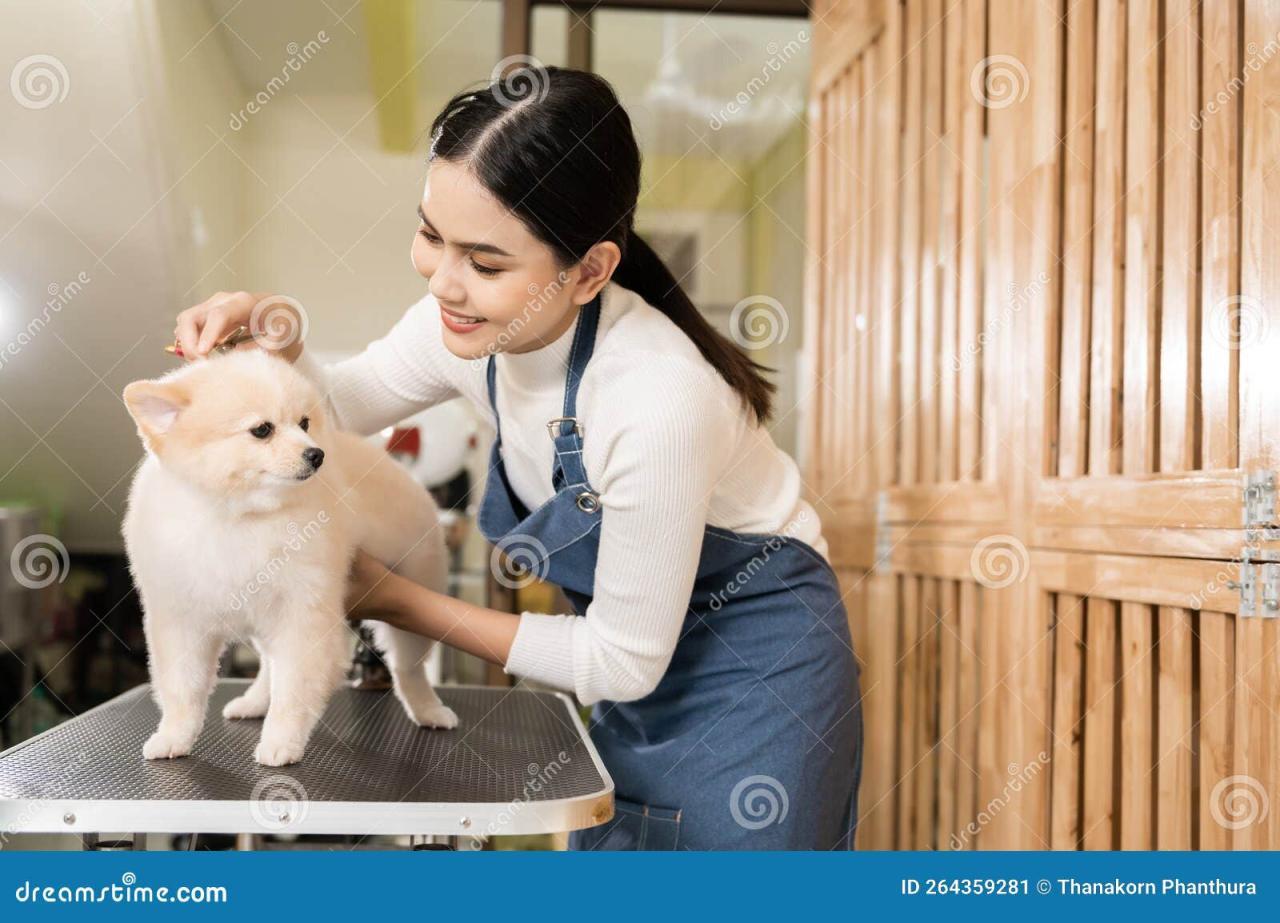
Professional groomers play a vital role in maintaining the health and appearance of dogs. Their expertise not only enhances the aesthetic quality of a pet but also contributes significantly to its overall well-being. This segment will delve into the qualifications, training, services offered, and the importance of grooming practices.
Qualifications and Training of Professional Groomers
Professional groomers are typically required to undergo specialized training and certification programs, which equip them with essential skills. Many groomers have formal education in animal science or related fields, alongside hands-on experience through apprenticeships or grooming schools. Training covers a variety of topics, including:
- Understanding dog breeds and their specific grooming needs
- Learning various grooming techniques, such as clipping, bathing, and nail trimming
- Animal behavior and body language to ensure safe interactions
- Health and hygiene practices to prevent the spread of infections and parasites
- First aid procedures for pets to address potential emergencies
Services Offered by Professional Groomers
Professional groomers provide a range of services tailored to meet the unique needs of different dog breeds. The services generally offered include:
- Full grooming, which consists of bathing, brushing, and styling
- Nail trimming and paw pad care to enhance comfort and mobility
- Ear cleaning to prevent infections
- Teeth brushing for oral hygiene
- Specialized grooming for specific breeds, often requiring advanced techniques
These services not only improve a dog’s physical appearance but also promote better hygiene and comfort.
Importance of Grooming for a Dog’s Health and Well-Being
Regular grooming is essential for a dog’s health and should be considered a critical aspect of responsible pet ownership. Grooming helps in several ways, including:
- Removing dead hair and dander, which can alleviate allergies in both pets and owners
- Preventing matting and tangling of fur, which can lead to skin problems
- Promoting healthy skin by stimulating blood circulation
- Detecting early signs of health issues, such as lumps, skin irritations, or parasites
- Enhancing the bond between owner and pet through regular handling and care
“Regular grooming is not just about aesthetics; it is a fundamental aspect of a dog’s physical and emotional well-being.”
Preparing for the Grooming Consultation
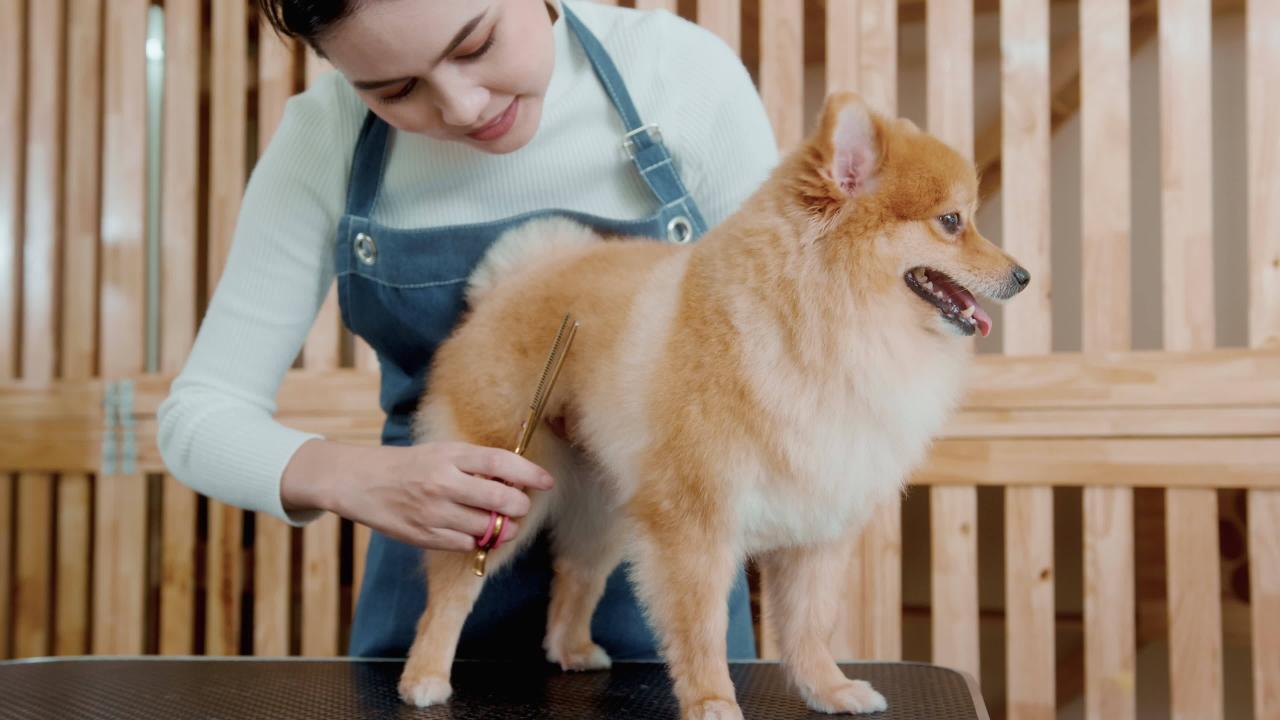
Before attending a grooming consultation, it is essential to be well-prepared to ensure a productive discussion with the groomer. Being informed about your dog’s specific needs and grooming requirements will help you convey your expectations accurately and facilitate a better understanding between you and the groomer. This preparation can significantly enhance the grooming experience for both you and your dog.Gathering relevant information prior to the consultation is crucial.
It allows you to articulate your preferences clearly and helps the groomer understand your dog’s specific grooming needs based on its breed and individual characteristics. The following checklist Artikels the vital information to collect before meeting the groomer:
Checklist of Information to Gather
To ensure a comprehensive discussion, consider compiling the following information:
- Dog’s Breed: Knowing your dog’s breed helps identify common grooming styles and maintenance requirements.
- Health Issues: Document any existing health issues, allergies, or sensitivities that may affect grooming.
- Grooming History: Record past grooming experiences, including styles that have worked well or those that have not.
- Preferred Grooming Style: Have examples in mind, such as images or descriptions of desired cuts that suit your dog’s breed.
- Frequency of Grooming: Determine how often you would like your dog groomed based on its coat type and lifestyle.
Understanding the grooming styles suitable for your dog’s breed allows for informed discussions regarding aesthetics and maintenance. Familiarity with specific styles can enhance your consultation, as well as ensure that the groomer’s techniques align with your expectations.
Identifying Grooming Styles and Cuts
Researching popular grooming styles that are relevant to your dog’s breed will provide valuable insight during your consultation. Specific cuts may emphasize your dog’s physical features while offering practical benefits. For example:
- Poodle: The ‘Standard Poodle Cut’ emphasizes the dog’s elegant silhouette while allowing for easy maintenance.
- Shih Tzu: The ‘Puppy Cut’ maintains a manageable length while highlighting the breed’s characteristic features.
- Golden Retriever: A ‘Teddy Bear Cut’ can reduce shedding while keeping the dog looking neat and cuddly.
Having a clear idea of the grooming styles that suit your dog’s breed will help you communicate your preferences effectively, ensuring that you and the groomer are on the same page.
Creating a List of Questions for the Groomer
Engaging with the groomer through a thoughtful set of questions can help you gauge their expertise and methods. This dialogue is integral to establishing trust and ensuring your dog’s grooming experience is optimal. Consider including the following questions:
- Experience with Breeds: Inquire about the groomer’s experience with your dog’s specific breed and their familiarity with its grooming needs.
- Techniques Used: Ask about the grooming techniques they employ, particularly for sensitive areas like the paws and face.
- Products Used: Discuss the types of shampoos and products used during grooming to ensure they are suitable for your dog’s skin type.
- Handling of Anxious Dogs: Understanding their approach to handling nervous or anxious dogs can provide reassurance.
“An informed pet owner is essential for achieving a harmonious grooming experience.”
This foundational preparation will not only facilitate a meaningful consultation but will also instill confidence in both you and the groomer, ultimately leading to a positive grooming experience for your dog.
Communicating Your Dog’s Needs
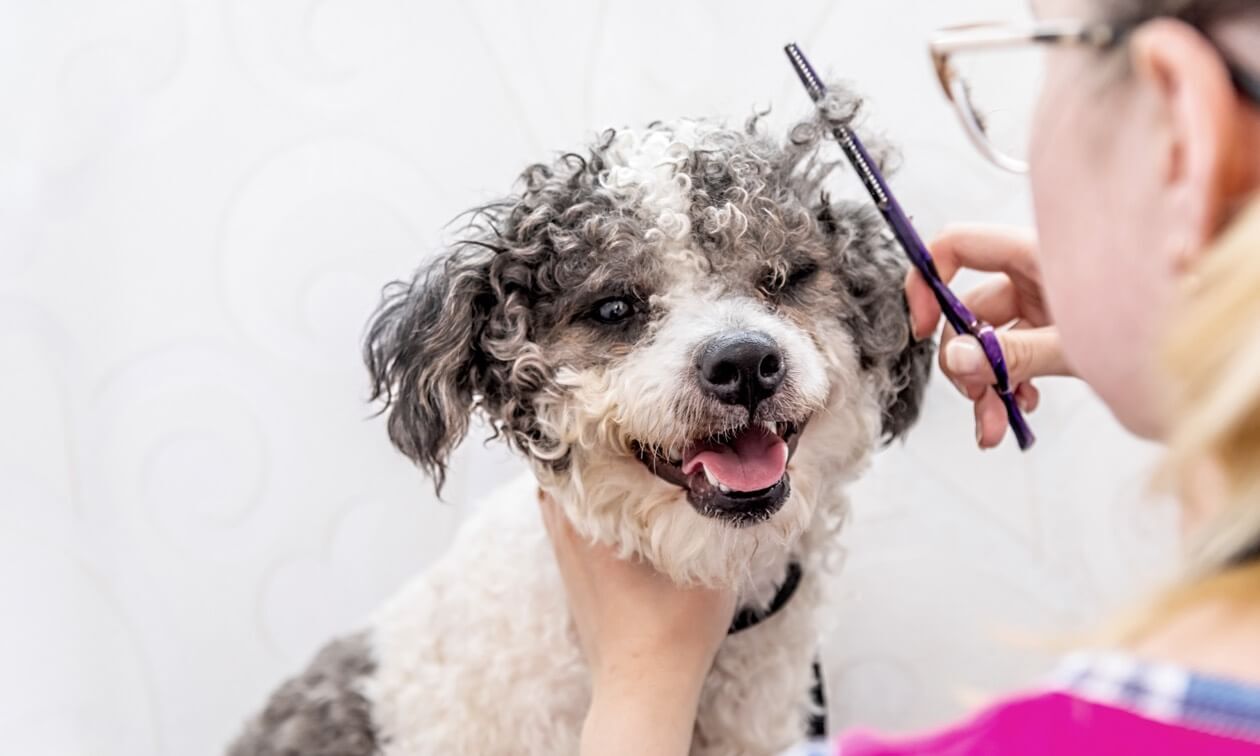
Effectively communicating your dog’s needs to a professional groomer is essential in ensuring a successful grooming experience. Your dog’s temperament, coat type, and your specific preferences all play a vital role in determining the grooming outcome. Clear communication will help the groomer tailor their approach to meet your dog’s unique needs.
Describing Your Dog’s Temperament and Behavior
When discussing your dog’s temperament, it is essential to provide the groomer with a comprehensive understanding of how your dog behaves in various situations. This information helps the groomer create a comfortable environment and adjust their techniques accordingly. Key aspects to communicate include:
- Energy Level: Describe whether your dog is calm, energetic, or anxious. For instance, a high-energy dog may require more breaks during grooming.
- Socialization: Relay how your dog interacts with strangers and other animals. If your dog is shy or fearful, it may be crucial for the groomer to approach gently.
- Handling Preferences: Inform the groomer if your dog prefers gentle handling or has specific areas of sensitivity. For example, some dogs may dislike having their paws touched.
Discussing Your Dog’s Coat Type and Condition
The condition and type of your dog’s coat are critical factors that influence grooming decisions. Providing detailed information can help the groomer determine the appropriate tools and techniques to use. Consider the following aspects:
- Coat Type: Specify whether your dog’s coat is short, long, curly, or wiry. For example, a Poodle has a curly coat requiring different grooming methods compared to a Labrador’s short, dense fur.
- Current Condition: Describe the coat’s condition, such as whether it is matted, dry, or shedding excessively. A dog with a matted coat may require a different grooming approach, like dematting or clipping.
- Allergies or Skin Conditions: If your dog has any allergies or skin issues, communicate these to the groomer to ensure they use appropriate products that will not irritate your dog’s skin.
Expressing Preferences Regarding Length and Style
Clearly articulating your preferences regarding your dog’s haircut can significantly influence the final result. When discussing styles, it is helpful to provide visual references or descriptions to convey your desired outcome:
- Desired Length: Specify how much length you would like to retain or remove. For instance, you might request a “trim” for a tidy look, or specify a length in inches for a more precise instruction.
- Style Preference: Describe the specific style you envision for your dog. This could range from a classic puppy cut to breed-specific styles like a Schnauzer’s distinctive beard and eyebrows.
- Maintenance Considerations: Communicate how often you plan to groom your dog. If you prefer a low-maintenance style, inform the groomer so they can tailor the cut accordingly.
Effective communication about your dog’s needs ensures a grooming experience that is comfortable, safe, and results in a look you love.
Discussing Grooming Expectations
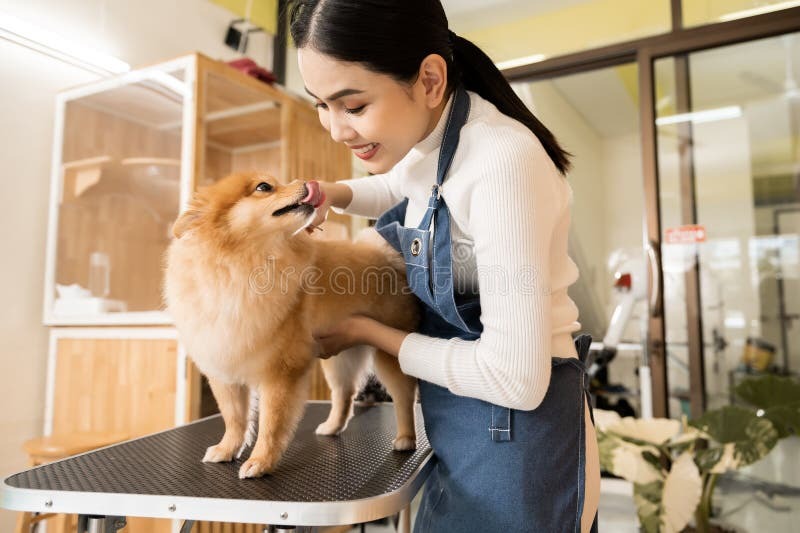
Setting realistic grooming expectations is vital to ensure that both you and the professional groomer are on the same page regarding your dog’s cut. Understanding the limitations of what can be achieved based on your dog’s specific breed, coat condition, and temperament will result in a more satisfying grooming experience. Clear communication about your preferences and needs lays the groundwork for achieving the desired outcome while also respecting the groomer’s expertise.Establishing your budget and recognizing any limitations can also significantly influence the decisions made during the grooming process.
When you clearly communicate your financial boundaries, the groomer can present you with suitable options that align with your expectations. Discussing various grooming packages and services allows you to make informed decisions regarding the level of care your dog will receive.
Setting Realistic Expectations
It is crucial to have a candid discussion about the achievable results based on your dog’s specific needs. Discuss the following points with the groomer to ensure clarity:
- Breed Characteristics: Different breeds have unique grooming requirements and potential styles. For instance, a Poodle can be styled in various cuts, while a Labrador may only need basic trims. Understanding these traits will help align expectations.
- Coat Condition: If your dog’s coat is matted or has not been groomed recently, the groomer may need to take more time to address these issues, which can impact the final outcome.
- Temperament: A dog’s behavior during grooming can affect how well the cut turns out. Discuss any behavioral issues that may arise during the session to help the groomer prepare accordingly.
Communicating Your Budget
Being upfront about your budget is essential for ensuring that the grooming service meets both your needs and financial constraints. When discussing your budget with the groomer, consider the following:
- Service Selection: Different grooming services come at varying price points. Inform the groomer of your budget so they can suggest services that fit within that range.
- Package Options: Many grooming salons offer packages that combine services, such as bath, cut, and nail trimming. Discussing your budget can help the groomer recommend a package that maximizes value while staying within your limits.
Comparing Grooming Packages
When considering grooming options, it is advisable to review various packages and services to make an informed decision. The following aspects may be helpful in your evaluation:
- Inclusions: Examine what each package includes—such as bathing, drying, nail trimming, and ear cleaning. This will help you understand what services are essential for your dog.
- Service Frequency: Some dogs may require regular grooming, while others may only need it occasionally. Discussing service frequency can help determine the most cost-effective package.
- Discounts and Promotions: Many groomers offer discounts for new clients or package deals for multiple sessions. Inquire about any current promotions that may benefit you.
“Effective communication of expectations and budget with your groomer is key to a positive grooming experience.”
Understanding Grooming Products and Tools
In the realm of professional dog grooming, an understanding of the various products and tools employed is essential for ensuring the best care for your furry companion. Grooming products are specifically formulated to maintain the health and appearance of your dog’s coat, skin, and overall hygiene. By familiarizing yourself with these tools and products, you can effectively communicate your preferences and expectations to your groomer, ensuring a satisfactory grooming experience.
Common Grooming Tools Used by Professionals
Professional groomers utilize a variety of tools, each designed for specific tasks in the grooming process. Understanding these tools can help you feel more confident in the grooming process and allow you to ask informed questions.
- Slicker Brush: Ideal for removing mats and tangles from the coat. The fine, short wires close to the brush head help reach the undercoat without damaging the top coat.
- Grooming Clipper: Used for trimming and shaping the dog’s fur, particularly in places that require precision, such as around the paws and face.
- Shears: Different types of shears, including straight and thinning shears, are used to shape the dog’s coat and achieve a polished look.
- De-shedding Tool: Designed to remove loose fur from the undercoat, helping to control shedding and maintain a healthy coat.
- Nail Clippers: Essential for maintaining your dog’s nail length, ensuring comfort and preventing injury.
Shampoos and Conditioners Suitable for Dogs
The selection of shampoos and conditioners is crucial for maintaining your dog’s skin and coat health. Different dogs have different needs, and the right products can help address issues such as dryness, itching, or allergies.
- Hypoallergenic Shampoos: Formulated for dogs with sensitive skin, these shampoos are free from harsh chemicals that can irritate the skin.
- Medicated Shampoos: Used to treat specific skin conditions, such as fungal infections or dermatitis, these products are typically recommended by veterinarians.
- Moisturizing Conditioners: These products help hydrate the coat and skin, making it softer and easier to manage.
- Flea and Tick Shampoos: Specially formulated to eliminate parasites while also being safe for regular use.
Inquiring About Safety and Quality of Products
When discussing grooming products with your groomer, it is important to prioritize safety and quality. Grooming should enhance your dog’s well-being, and understanding the products used can give you peace of mind.
- Ingredient Transparency: Ask the groomer about the ingredients in the shampoos and conditioners they use. Look for products that are free from sulfates, parabens, and artificial fragrances.
- Brand Reputation: Inquire if the groomer uses recognized brands known for their commitment to pet safety and quality.
- Environmental Considerations: Many groomers now opt for eco-friendly products. Ask if the products are biodegradable or cruelty-free.
- Patch Testing: Ensure the groomer performs patch tests on your dog, especially if your dog has known sensitivities.
Post-Grooming Care and Maintenance
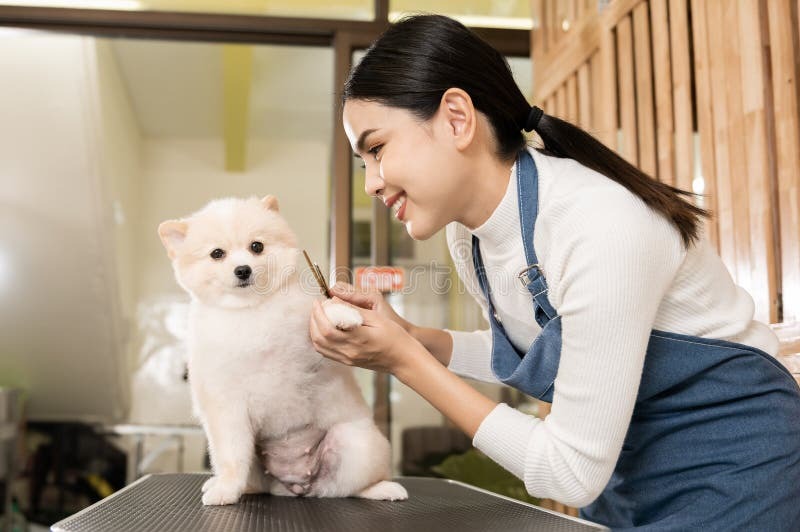
Maintaining your dog’s coat and overall skin health post-grooming is essential for their well-being and comfort. This phase does not merely involve admiring your dog’s new look; it encompasses a series of proactive measures you can undertake to ensure their coat remains healthy and manageable until the next grooming appointment.Monitoring and caring for your dog’s coat requires consistent effort. Regular brushing helps to prevent matting and distributes natural oils throughout the fur, enhancing its shine and luster.
In addition to grooming, it is vital to observe the condition of your dog’s skin after grooming, noting any changes that may occur.
Coat Maintenance Tips
To effectively maintain your dog’s coat between grooming sessions, consider the following strategies. These practices will help reduce the need for frequent professional grooming and keep your dog’s coat in top condition.
- Regular Brushing: Establish a regular brushing schedule tailored to your dog’s coat type. For long-haired breeds, daily brushing is ideal, while short-haired breeds may require it weekly.
- Bathing Guidelines: Bathe your dog only as necessary to avoid stripping essential oils from the skin. Use a mild dog shampoo recommended by your groomer.
- Hydration: Ensure your dog has access to fresh water at all times, as hydration plays a key role in maintaining healthy skin and coat.
- Diet and Nutrition: Provide a balanced diet that supports skin health, including omega fatty acids, which can enhance coat quality.
Skin Health Monitoring
After grooming, it is essential to monitor your dog’s skin for any signs of irritation or discomfort. Grooming can sometimes disrupt the skin barrier, leading to potential issues if not addressed.
Regular observation of your dog’s skin can help identify problems early, leading to more effective treatment.
Common signs to watch for include redness, scabs, or excessive scratching. If you notice any of these symptoms, consult with your groomer or veterinarian to ensure that your dog’s skin remains healthy.
Follow-Up Questions for Groomer
To ensure that you are equipped to provide the best care for your dog at home, consider the following questions to ask your groomer after the grooming session. These inquiries will help you understand how to maintain your dog’s coat and skin health effectively.
- What specific grooming tools do you recommend for my dog’s coat type?
- How often should I brush my dog between grooming appointments?
- Are there any products you suggest for maintaining the coat or skin health?
- What signs of skin irritation should I watch for after grooming?
Building a Relationship with Your Groomer
Establishing a solid relationship with your professional groomer is essential for ensuring your dog’s well-being and grooming satisfaction. This connection enhances communication, builds trust, and facilitates a more tailored grooming experience. By fostering a positive rapport with your groomer, you can create a productive environment that benefits both you and your furry friend.Developing a long-term professional relationship with your groomer involves several strategic approaches.
First and foremost, consistency is key; regular appointments help your groomer become familiar with your dog’s grooming needs, personality, and any specific health considerations. Additionally, open and honest communication regarding your expectations and your dog’s behavior can lead to more effective grooming sessions. It is also beneficial to respect your groomer’s expertise, as they are trained professionals who can offer valuable insights on grooming practices and your dog’s health.
Benefits of Regular Grooming Appointments
Regular grooming appointments play a critical role in maintaining your dog’s overall health. Establishing a grooming schedule not only keeps your pet looking their best but also contributes to their physical and emotional well-being. The advantages of consistent grooming include:
- Prevention of Skin Issues: Regular grooming helps in identifying potential skin problems, such as irritations or infections, before they escalate.
- Healthy Coat Maintenance: Frequent grooming removes dirt, debris, and loose fur, promoting a healthier and shinier coat.
- Reduction of Matting: Regular sessions prevent matting, which can be painful for your dog and requires more intensive grooming to resolve.
- Behavioral Benefits: A familiar grooming routine can help reduce anxiety in dogs, making them more comfortable during grooming sessions.
Providing Feedback to the Groomer
Providing constructive feedback to your groomer after each session is essential for fostering improvement and ensuring future satisfaction. This feedback process allows you to express your thoughts and expectations clearly, helping the groomer adjust their services accordingly. The following points Artikel effective ways to communicate feedback:
- Be Specific: Clearly articulate what you liked about the grooming session and any aspects that may need improvement. For instance, mention if the coat length is as desired or if specific areas were missed.
- Provide Context: Share any relevant information about your dog’s behavior during the grooming session, as this can help the groomer tailor their approach in future appointments.
- Highlight Changes: If there are changes in your dog’s health or grooming preferences, inform the groomer to ensure they are aware and can adapt accordingly.
- Express Gratitude: Acknowledge the groomer’s efforts and express appreciation for their work, fostering a positive relationship and encouraging continued quality service.
Final Summary
In conclusion, effective communication with your professional groomer is key to ensuring that your dog receives the best possible care and grooming experience. By understanding the grooming process, discussing your expectations, and building a rapport with your groomer, you can create a partnership that benefits both you and your pet. Remember, a well-groomed dog is a happy dog, and your efforts in this dialogue will lead to a healthier and more enjoyable grooming journey.