As winter blankets the world in shimmering white, our beloved dogs venture into the snow, often returning with unwanted snowballs clinging to their fur. Understanding the science behind snowball formation in dog fur is essential for pet owners who wish to keep their furry companions comfortable and healthy during the colder months. Snowball clumping not only causes discomfort but can also lead to skin irritations if not addressed promptly.
This overview delves into the dynamics of snowball formation, highlighting the types of dog fur that are most susceptible and the environmental factors that exacerbate the issue. By equipping yourself with knowledge and effective techniques, you can ensure your dog enjoys winter adventures without the nuisance of clumping snowballs.
Understanding Snowballs in Dog Fur
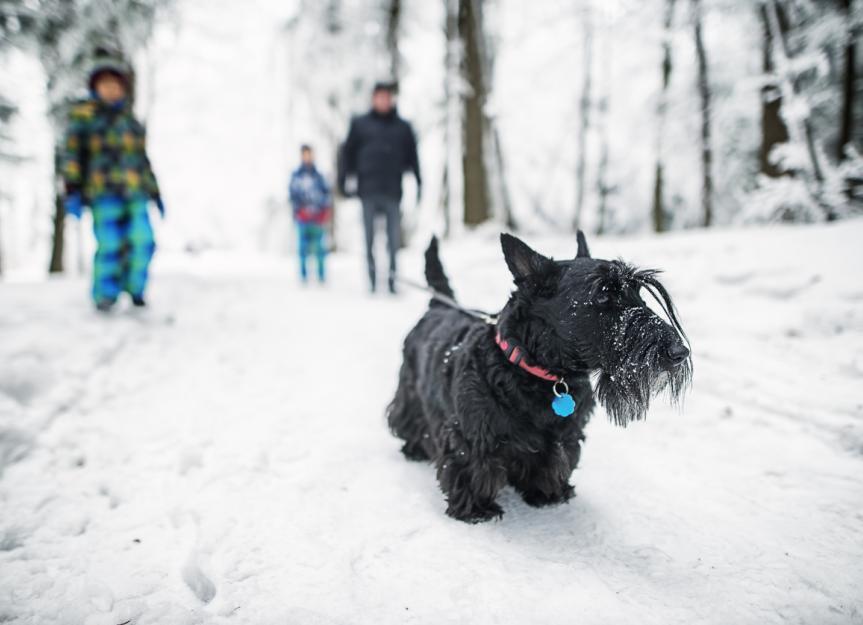
Snowball formation in dog fur can be a significant concern during winter months, especially for pet owners residing in snowy regions. Understanding the mechanics of how these snowballs develop is crucial in preventing discomfort for your furry friend and ensuring proper grooming practices. This section will delve into the factors that lead to snowball clumping in dog fur, the types of coats that are more susceptible, and the environmental conditions that exacerbate the issue.The mechanics of snowball formation in dog fur primarily involve the combination of moisture and friction.
When a dog walks in the snow, the fur absorbs water from the snowflakes, which can then freeze and compact together. As the dog moves, the fur rubs against itself and other surfaces, causing the snow to clump and form larger balls. This compaction process is exacerbated when dogs have longer hair, as the fur tends to trap more moisture and debris, leading to a greater likelihood of snowballs forming.
Types of Dog Fur Prone to Snowball Clumping
Certain types of dog fur are particularly prone to clumping and snowball formation. Understanding these coat types helps in implementing preventive measures effectively. The following fur types are most susceptible:
- Long-haired Breeds: Breeds such as Afghan Hounds and Yorkshire Terriers have fur that easily traps moisture and debris, creating ideal conditions for snowball formation.
- Woolly Coats: Breeds like the Poodle and Old English Sheepdog possess curly, dense fur that can hold onto snow and moisture more readily than other coat types.
- Double Coats: Breeds such as Siberian Huskies and Golden Retrievers have an undercoat that can trap snow, leading to substantial clumping when wet.
Environmental factors also play a critical role in facilitating snowball formation in dog fur. Conditions such as temperature, humidity, and the type of snow encountered can influence how easily snowballs form.
Environmental Factors Contributing to Snowball Formation
The environment in which dogs play can significantly impact the likelihood of snowball clumping in their fur. Understanding these factors can assist pet owners in taking preventative actions.
- Temperature: Warmer temperatures may lead to wet, slushy snow that sticks more easily to fur compared to colder, powdery snow.
- Humidity: High humidity levels can cause snow to become sticky, making it more likely to clump in a dog’s fur.
- Type of Snow: Heavy, wet snowfall is more prone to causing clumping than light, dry powder, which tends to fall off fur more easily.
“Snowballs can form quickly in adverse weather conditions, making it essential for dog owners to monitor their pets regularly during winter outings.”
Preventative Measures
Winter can be a challenging season for dog owners, particularly when it comes to keeping your pet’s fur free from snowballs. Understanding the grooming techniques that can help minimize snowball formation is essential for maintaining your dog’s comfort and health during snowy weather. In addition to grooming, knowing the specific needs of different dog coat types can significantly enhance your preventative measures against clumping snowballs.
Grooming Techniques to Minimize Snowball Formation
Regular grooming is a critical aspect of preventing snowballs from forming in your dog’s fur. It not only keeps the coat healthy but also reduces the amount of snow and ice that can become trapped. Here are some effective grooming techniques to consider:
- Frequent Brushing: Brush your dog’s coat at least once a week, or more often if they have longer fur. This helps remove loose hair and prevents tangles, which can trap snow.
- Bathing and Drying: Ensure your dog is clean and completely dry before they go out in the snow. Wet fur is more prone to clumping.
- Use of Detangling Sprays: Applying a detangling spray before going outside can help keep the fur smooth and reduce the likelihood of snow sticking.
- Trimming Fur in Problem Areas: Consider trimming the fur around the paws, belly, and legs where snowballs are likely to form.
Dog Coat Types and Their Grooming Needs in Winter
Different dog breeds have varying coat types, and understanding these can aid in deciding the necessary grooming practices. Below is a list of common dog coat types and their specific grooming requirements during winter:
- Double Coats: Breeds like Huskies and Golden Retrievers require regular brushing to prevent matting and to keep snow from clumping.
- Long Coats: Dogs such as Shih Tzus and Maltese benefit from daily brushing to keep their fur tangle-free and reduce snow accumulation.
- Short Coats: Breeds like Beagles and Boxers may require less frequent grooming, but they still need brushing to eliminate loose fur and dirt.
- Curly Coats: Poodles and Portuguese Water Dogs need consistent grooming to prevent matting and to ensure that snow does not stick to their curls.
Protective Sprays and Products for Winter Outdoor Activities
Before taking your dog outside in winter conditions, it is beneficial to apply protective products that can create a barrier against snow and ice. The following methods can be employed to apply such sprays or products effectively:
- Water-Repellent Sprays: Sprays designed for dog coats can be applied before outdoor activities to help repel water and snow. Ensure to follow the manufacturer’s instructions for application.
- Paw Wax: Applying paw wax to your dog’s paws can provide a protective layer against snow and ice buildup.
- Conditioning Products: Consider using coat conditioners that provide moisture and reduce static, which helps prevent snow from sticking to the fur.
- Booties: Invest in quality dog booties that can keep your dog’s paws dry and warm, thereby reducing the formation of snowballs around the feet.
Grooming Tools and Techniques
During the winter months, pet owners face the challenge of dealing with snow and ice that can become entangled in their dog’s fur. Choosing the appropriate grooming tools and techniques is essential to keep your dog’s coat healthy and free from clumping. This section focuses on the most effective grooming tools, a step-by-step guide for regular grooming, and the importance of using the right brushes for different fur types.
Effective Grooming Tools for Snow and Ice Removal
Selecting the right grooming tools is crucial for efficiently removing snow and ice from your dog’s fur. The following tools are particularly effective:
- Slicker Brush: This tool has fine, short wires close together and is ideal for removing snow and ice buildup, especially in long-haired breeds.
- De-shedding Tool: Designed to reduce shedding while also detangling fur, this tool can help remove clumped snow and ice.
- Wide-toothed Comb: This is effective for gently removing snow and ice without causing discomfort, particularly for curly or wavy fur types.
- Waterproof Dog Coat: While not a grooming tool per se, a good coat can help minimize snow and ice accumulation on your dog’s fur.
Step-by-Step Guide for Regular Grooming During Winter Months
Establishing a grooming routine is essential for maintaining your dog’s coat during the winter. Follow this step-by-step guide to ensure proper grooming:
- Pre-grooming Preparation: Before grooming, ensure your dog is calm and relaxed. Choose a warm, dry area for grooming to avoid further stress.
- Brush the Coat: Start with a slicker brush to remove snow and ice. Work systematically from head to tail, paying extra attention to areas between the paws and behind the ears where snow tends to accumulate.
- Use a De-shedding Tool: After brushing, use the de-shedding tool to further remove any loose hair and any hidden clumps of snow.
- Comb the Fur: Utilize a wide-toothed comb to gently detangle any remaining ice or knots in the fur.
- Dry the Coat: If your dog is wet from snow, dry them thoroughly with a towel to prevent ice formation.
Importance of Using the Right Brushes for Different Fur Types
Different dog breeds come with various coat types, which necessitate specific grooming tools. Using the right brushes can significantly impact the effectiveness of snow and ice removal.
“The right grooming tools not only assist in maintaining a clean, healthy coat but also contribute to your dog’s overall comfort during winter.”
- Long-haired Breeds: Use a slicker brush and a wide-toothed comb to effectively remove snow and ice while minimizing matting.
- Short-haired Breeds: A rubber curry comb can help remove snow and dirt while stimulating the skin.
- Curly-haired Breeds: Opt for a pin brush paired with a de-shedding tool to gently tackle clumps of snow and prevent matting.
- Wire-haired Breeds: A bristle brush works well to remove debris while preserving the texture of the coat.
Post-Walk Care
After enjoying a lovely walk in the snow, it is essential to conduct a thorough inspection of your dog’s fur to ensure it is free from snowballs and matting. Snow and moisture can easily accumulate in a dog’s coat, leading to discomfort or skin issues if not addressed promptly. Proper post-walk care is vital for maintaining your dog’s overall coat health and comfort during the colder months.Checking your dog’s fur after outdoor activities is a critical step in preventing snowball formation and subsequent matting.
Begin by inspecting areas where snow tends to accumulate, such as the legs, belly, and around the paws. Look for any signs of matting or discomfort, as these can indicate trapped snow or moisture.
Checklist for Removing Snowballs
To effectively remove snowballs once you return home, follow this checklist to ensure that your dog’s fur is taken care of properly:
- Inspect the Fur: Check thoroughly for any snowballs or matted areas, focusing particularly on the legs, belly, and undercarriage.
- Gently Remove Snowballs: Use your fingers to break apart and remove snowballs without pulling or tugging on the fur.
- Use a Grooming Tool: If necessary, utilize a grooming brush or comb to detangle any remaining snow or ice, ensuring you are gentle to avoid hurting your dog.
- Dry the Fur: Use a towel to dry your dog’s fur thoroughly, paying extra attention to moisture that may lead to matting.
- Check for Irritation: After drying, inspect the skin for any signs of irritation or redness, which may indicate prolonged moisture exposure.
Taking these steps can help prevent the discomfort associated with snowballs and maintain the health of your dog’s coat.
Importance of Drying Fur Properly
Properly drying your dog’s fur after outdoor play is crucial to avoid matting and skin irritation. Wet fur can easily become tangled, leading to uncomfortable mats that can pull on the skin and cause pain. Additionally, moisture trapped in the fur can create a breeding ground for bacteria and mold, resulting in skin infections or unpleasant odors. To ensure that your dog’s coat remains healthy, it is recommended to:
- Use a soft, absorbent towel to gently pat the fur dry, rather than rubbing vigorously.
- Allow them to air dry in a warm, draft-free space, especially if they are prone to matting.
- For long-haired breeds, consider using a blow dryer set to a low heat setting, keeping it at a safe distance to prevent overheating the skin.
By following these post-walk care practices, you can ensure that your furry companion remains comfortable and healthy through the winter season.
Health Considerations
During winter months, dogs that are exposed to snow and cold weather can experience various health issues related to snowball clumping in their fur. These snowballs can lead to discomfort, skin irritation, and other health complications if not addressed promptly. Understanding the potential effects on a dog’s skin and overall health is crucial for pet owners to ensure their furry companions remain comfortable and healthy throughout the winter.Snowballs can significantly affect a dog’s skin health and comfort.
When snow accumulates in the fur, it can create a barrier that traps moisture against the skin, leading to irritation, rashes, or even fungal infections. Additionally, the pressure exerted by clumped snow can cause hair to become matted, which may further exacerbate skin problems. Prolonged exposure to wet, cold conditions can also lead to hypothermia or frostbite, particularly on sensitive areas such as the paws and ears.
Signs of Skin Health Issues
It is important for pet owners to be vigilant in recognizing signs that their dog may be suffering from snowball-related issues. Early detection can prevent more severe health problems from developing. The following signs may indicate that a dog is experiencing discomfort due to snowballs in their fur:
- Persistent scratching or biting at the affected areas.
- Redness or inflammation of the skin.
- Foul odor emanating from the fur or skin.
- Visible rashes or sores on the skin.
- Changes in behavior, such as increased restlessness or reluctance to walk.
Maintaining skin hydration during winter is essential for preventing clumping and subsequent skin issues. Dry skin can lead to increased susceptibility to irritation and discomfort. There are several methods that can help keep a dog’s skin hydrated:
Tips for Maintaining Skin Hydration
To ensure your dog’s skin remains healthy and hydrated during the winter months, consider the following tips:
- Regularly brush your dog’s coat to promote natural oils and distribute moisture evenly.
- Incorporate omega-3 fatty acids into your dog’s diet, as they promote skin health and hydration.
- Use a humidifier in your home to counteract dry indoor air caused by heating systems.
- Apply a veterinarian-recommended moisturizing spray or balm to dry areas of the skin.
- Ensure your dog has access to fresh water at all times to maintain overall hydration.
Keeping your dog’s skin hydrated is key to preventing discomfort and maintaining a healthy coat during the winter months.
Training Techniques
Training your dog to minimize excessive jumping or rolling in snow can significantly reduce the occurrence of snowballs clumping in their fur. Effectively implementing training techniques not only enhances your dog’s behavior in snowy conditions but also strengthens your bond through positive interactions. Establishing clear communication and understanding between you and your dog is essential in creating a pleasant winter experience.One effective method to control your dog’s behavior during snowy outings involves consistent training that reinforces desired actions.
Here are several techniques to encourage your dog to refrain from rolling or jumping in snow:
Positive Reinforcement Training
Positive reinforcement is a powerful approach in dog training that rewards desirable behaviors. In the context of snowy environments, it is crucial to establish clear expectations for your dog.
- Begin by teaching your dog commands such as “leave it” or “stay.” These commands can be useful to redirect their attention when they exhibit the urge to jump or roll in the snow.
- Utilize treats or toys as rewards when they successfully follow your commands. This encourages them to associate avoiding snow play with positive outcomes.
- Gradually increase the level of distraction by practicing these commands in different snowy areas. Reinforce good behavior consistently.
Controlling Behavior in Snowy Conditions
Managing your dog’s behavior in snowy conditions requires understanding their instincts and tendencies. Regular exposure to snow and training can help mitigate unwanted behaviors.
- Establish a routine that includes short walks in snow, gradually extending the duration as your dog becomes more accustomed to the environment.
- Monitor your dog’s body language for signs of excitement or agitation, using calm commands to guide them back to controlled behavior.
- Engage your dog in alternative activities that focus on play and engagement, such as fetching a snowball or navigating through an obstacle course made of snow.
Rewarding Avoidance of Snow Play
Creating a rewarding system for your dog when they avoid unwanted snow play is essential for effective behavior training.
- Use treats, praise, or playtime as immediate rewards whenever your dog ignores snow or refrains from rolling in it. This reinforces their understanding that staying focused is desirable.
- Maintain a consistent schedule for training sessions, ensuring that rewards are given promptly to strengthen the association between good behavior and positive outcomes.
- Keep a variety of rewards to maintain your dog’s interest, switching between treats, praise, and favorite toys to keep them motivated.
By implementing these training techniques, you will help your dog develop better control over their behavior in snowy environments, ultimately reducing the likelihood of snowballs forming in their fur. Consistent training, positive reinforcement, and appropriate rewards are key elements in fostering desirable behavior during the winter season.
Seasonal Adjustments
As the seasons transition, it is essential to adapt grooming routines to fit the changing climate and your dog’s specific needs. Winter, in particular, poses unique challenges for pet owners, as snow, ice, and cold weather can significantly impact a dog’s coat and skin health. By understanding how to adjust care routines and what nutritional considerations to take into account, you can ensure your dog remains comfortable and healthy throughout the winter months.
Adjusting Grooming Routines
Seasonal changes necessitate a reassessment of your dog’s grooming schedule. In winter, the combination of cold air and indoor heating can lead to dry skin and fur. As such, it is vital to increase the frequency of grooming sessions to remove loose fur and prevent matting. Regular brushing also stimulates natural oils in the skin, which can help maintain coat hydration.
The following adjustments can optimize winter grooming routines:
- Increase Brushing Frequency: Aim to brush your dog at least three times a week to prevent clumping and matting from snow and ice.
- Use Appropriate Grooming Tools: Select de-shedding tools and brushes designed for your dog’s coat type to effectively manage winter fur.
- Consider a Trim: A slight trim can reduce the risk of snowball accumulation while still providing warmth.
Winter Care Schedule
Creating a winter care schedule can streamline your grooming efforts while accommodating outdoor activities. A well-structured routine ensures that your dog enjoys outdoor playtime without compromising their coat health. Consider the following winter care schedule:
| Day of the Week | Activity | Grooming Task |
|---|---|---|
| Monday | Outdoor Walk | Thorough Brush to Remove Snowballs |
| Wednesday | Play in Snow | Inspect for Matted Fur and Clean Paws |
| Friday | Short Walk | De-shed and Moisturize Coat |
By following a structured schedule, you can ensure your dog’s grooming is aligned with their outdoor activities while maintaining their comfort.
Nutrition’s Role in Coat Health
Nutrition significantly influences the health of your dog’s coat, especially during winter months when environmental factors can lead to dryness. Maintaining a balanced diet rich in essential fatty acids is crucial for promoting a healthy, resilient coat. Omega-3 and Omega-6 fatty acids contribute to coat shine and skin health.
The following dietary considerations can enhance your dog’s winter coat condition:
- Incorporate Fish Oil: Adding fish oil to your dog’s diet can improve coat moisture and reduce flakiness.
- Prioritize High-Quality Proteins: Ensure your dog’s food contains high-quality protein sources to support overall skin and coat health.
- Hydration is Key: Keep fresh water available at all times to prevent dehydration, which can exacerbate dry skin.
By adjusting grooming routines and focusing on proper nutrition, pet owners can help their dogs thrive during the winter months, ultimately leading to happier, healthier pets.
Ultimate Conclusion

In conclusion, maintaining your dog’s fur during winter requires diligence, care, and the right grooming practices. By understanding the causes of snowball clumping and implementing preventative measures, pet owners can protect their dogs from discomfort and skin issues. With proper grooming tools and techniques, along with a thoughtful post-walk care routine, you can ensure that your furry friend remains happy and healthy throughout the snowy season.