How to Groom Your Dog in 15 Minutes a Day is not just a time-saving approach; it is a vital practice for ensuring the health and happiness of your canine companion. Grooming goes beyond aesthetics, playing a crucial role in your dog’s overall well-being, helping to prevent health issues while simultaneously strengthening the bond between you and your pet. With just 15 minutes each day, you can create a grooming routine that is both effective and enjoyable for your dog, making the task less of a chore and more of a cherished experience.
This guide provides a comprehensive overview of essential grooming practices, tools, and techniques tailored to different breeds and coat types. From establishing a daily routine to handling difficult dogs, readers will discover how to enhance their grooming skills and the many rewards that come with proper dog care.
Importance of Dog Grooming
Dog grooming is an essential aspect of pet care that contributes significantly to the overall health and well-being of your canine companion. Regular grooming not only enhances the dog’s physical appearance but also plays a crucial role in maintaining hygiene and promoting good health. By dedicating just 15 minutes a day to grooming, owners can ensure their pets are clean, healthy, and comfortable.Maintaining a consistent grooming routine offers numerous benefits for both the dog and the owner.
It helps in detecting early signs of potential health issues, thus allowing for timely intervention. Additionally, grooming sessions can serve as an excellent opportunity for owners to bond with their dogs, fostering a trusting and affectionate relationship. When grooming is approached as a positive and enjoyable experience, it promotes a sense of security and comfort in the dog.
Health Benefits of Regular Grooming
Regular grooming contributes significantly to a dog’s health by preventing various issues that can arise from neglect. It is important to understand the health advantages related to grooming:
- Prevention of Matting: Regular brushing helps prevent matting of the fur, which can lead to pain and discomfort for the dog. Matting can pull on the skin and cause skin irritation, making it essential to maintain a routine grooming practice.
- Reduction of Skin Infections: Grooming aids in the removal of dirt, debris, and dead hair that can accumulate in a dog’s coat. This cleaning process helps in preventing skin infections caused by bacteria and fungi.
- Ear Health Maintenance: Regular grooming includes checking and cleaning the ears. This practice can help prevent ear infections, which are common in breeds with floppy ears or those prone to ear wax buildup.
- Nail Health: Trimming nails regularly is vital to prevent painful overgrowth that can affect a dog’s mobility. Excessively long nails can lead to joint pain and other complications.
- Discovering Health Issues: Grooming allows owners to check for lumps, bumps, or skin abnormalities that may require veterinary attention. Early detection of health concerns can lead to more effective treatment options.
“Regular grooming is not just about aesthetics; it is a vital part of keeping your dog healthy and happy.”
Essential Grooming Tools
Grooming your dog is not only essential for their appearance but also for their health and well-being. Having the right tools can make the grooming process more efficient and enjoyable for both you and your pet. Below is a list of must-have grooming tools categorized by their specific purposes, ensuring that you are well-equipped to maintain your dog’s hygiene and coat health.
Brushes
Using the right brush for your dog’s coat type is crucial for effective grooming. Brushes help remove loose fur, dirt, and debris while also distributing natural oils throughout the coat for added shine.
- Slicker Brush: Ideal for removing mats and tangles in long-haired breeds. Use this brush regularly to prevent matting.
- Pin Brush: Best suited for medium to long-haired dogs, it helps in detangling and gives a polished look to the coat.
- Bristle Brush: Suitable for short-haired dogs, this brush smooths the coat and removes loose hair while also promoting a healthy shine.
- Undercoat Rake: Essential for breeds with a thick double coat, this tool helps remove the undercoat effectively, especially during shedding season.
Clippers
Clippers are vital for maintaining the length of your dog’s coat and keeping them comfortable, especially in warmer months. They help in achieving a clean and professional look without the stress of traditional grooming.
- Dog Clippers: Specifically designed for dog grooming, they come with various blade sizes to suit different coat lengths. Use them for trimming and shaping your dog’s fur.
- Thinning Shears: These scissors are used to blend the fur and remove bulk without altering the overall length. Ideal for creating a natural look.
Nail Trimmers
Maintaining your dog’s nails is crucial for their health and comfort. Overgrown nails can lead to pain and difficulty walking.
- Scissor Nail Trimmers: Suitable for small to medium-sized dogs, these trimmers provide a clean cut. They should be used carefully to avoid cutting into the quick.
- Guillotine Nail Trimmers: These trimmers are easier to use for larger breeds and provide a swift cut. Again, caution is needed to prevent injury.
- Nail Grinder: An alternative to traditional clippers, grinders gently file down the nails and can help in achieving a smoother finish.
Additional Tools
Having extra grooming tools can enhance the experience and ensure all aspects of your dog’s grooming are covered.
- Dog Shampoo: Use a gentle, dog-specific shampoo to clean your pet’s coat. Regular baths are essential for maintaining skin health.
- Conditioner: A hydrating conditioner can help keep your dog’s coat soft and manageable, especially for long-haired breeds.
- Ear Cleaner: Regular cleaning of your dog’s ears prevents infections. Choose a vet-recommended solution for safe use.
- Toothbrush and Toothpaste: Dental hygiene is important; using a dog-specific toothbrush and toothpaste helps keep your dog’s teeth clean and healthy.
Daily Grooming Routine
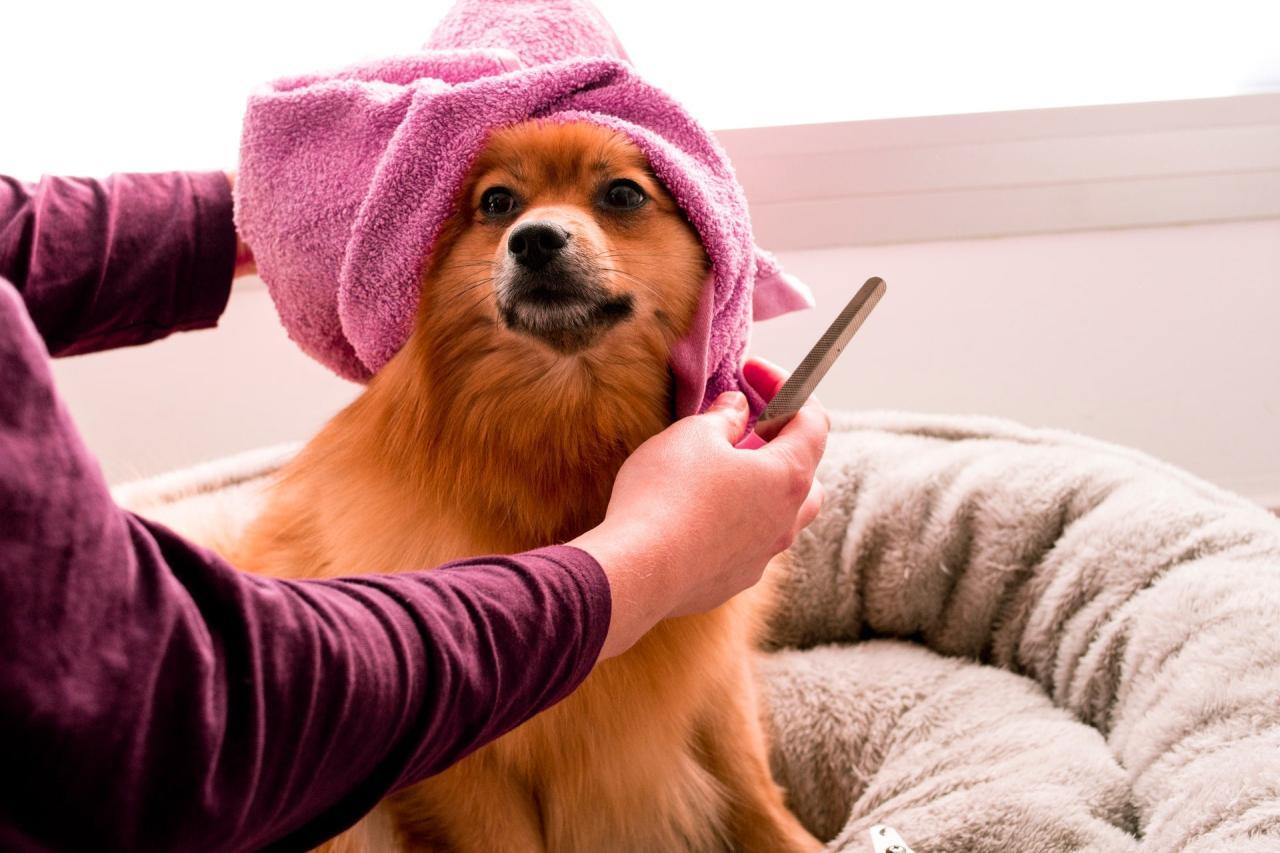
Establishing a daily grooming routine for your dog is essential for maintaining their health and appearance. A consistent grooming schedule not only keeps your dog’s coat clean and free from mats but also provides an opportunity to bond with your pet. With just 15 minutes a day, you can significantly enhance your dog’s comfort and well-being.To create an effective 15-minute grooming session, it is beneficial to break down the routine into manageable steps.
This structured approach ensures that all necessary grooming tasks are completed while keeping the experience enjoyable for your dog. Below is a suggested plan, followed by tips on how to make grooming a positive experience.
Step-by-Step Plan for Daily Grooming
This section Artikels a simple and efficient grooming routine that can be accomplished in 15 minutes. Each step is designed to ensure that your dog feels comfortable and relaxed while receiving the essential care they need.
- Preparation (2 minutes): Gather all necessary grooming tools such as brushes, combs, nail clippers, and any grooming sprays. Ensure your dog is in a calm environment, and reward them with a treat to create a positive association with grooming.
- Brushing (5 minutes): Start by gently brushing your dog’s coat. Use the appropriate brush for their coat type (e.g., slicker brush for long-haired breeds, bristle brush for short-haired breeds). Focus on areas that are prone to matting and tangles, and ensure to cover the entire body, including the legs and underbelly.
- Nail Trimming (3 minutes): Check your dog’s nails and trim them if necessary. Use a dog nail clipper or grinder and ensure not to cut too close to the quick, which can cause bleeding. Regular nail trimming is crucial to prevent discomfort and injury.
- Ear Cleaning (2 minutes): Inspect your dog’s ears for dirt and wax buildup. Use a cotton ball moistened with a vet-recommended ear cleaner to gently wipe the outer ear. Avoid inserting anything deep into the ear canal.
- Finishing Touches (3 minutes): Conclude the grooming session by checking your dog’s teeth and giving them a quick dental wipe or brushing if they are accustomed to it. Finish with a treat and positive reinforcement to encourage a good experience.
Making Grooming Enjoyable for Your Dog
Creating a pleasant grooming experience is vital in ensuring that your dog remains calm and cooperative during the process. Here are several tips to enhance your dog’s grooming enjoyment:
- Incorporate treats and praise throughout the grooming session. This helps in building a positive association with grooming.
- Play soothing music or use calming scents in the environment to create a relaxed atmosphere.
- Allow your dog to explore the grooming tools before use. This familiarization can reduce anxiety about unfamiliar objects.
- Take breaks as needed, especially if your dog shows signs of stress or restlessness. This approach helps maintain a positive experience.
- Engage in a playful interaction before and after grooming to reinforce a playful atmosphere. This helps your dog view grooming as a fun activity rather than a chore.
Importance of Consistency and Routine in Grooming
Establishing a consistent grooming routine is paramount for both the dog and the owner. Routine sessions promote familiarity and comfort, making grooming a seamless part of your dog’s daily life. Regular grooming allows for early detection of potential health issues, such as skin irritations, lumps, or parasites.
“Regular grooming is not just about aesthetics; it is a vital aspect of your dog’s overall health and emotional well-being.”
Incorporating grooming into your daily routine strengthens the bond between you and your dog, reinforcing trust and companionship. As grooming becomes a part of everyday life, dogs tend to exhibit less anxiety and fear, resulting in a more enjoyable experience for both parties.
Specific Grooming Techniques
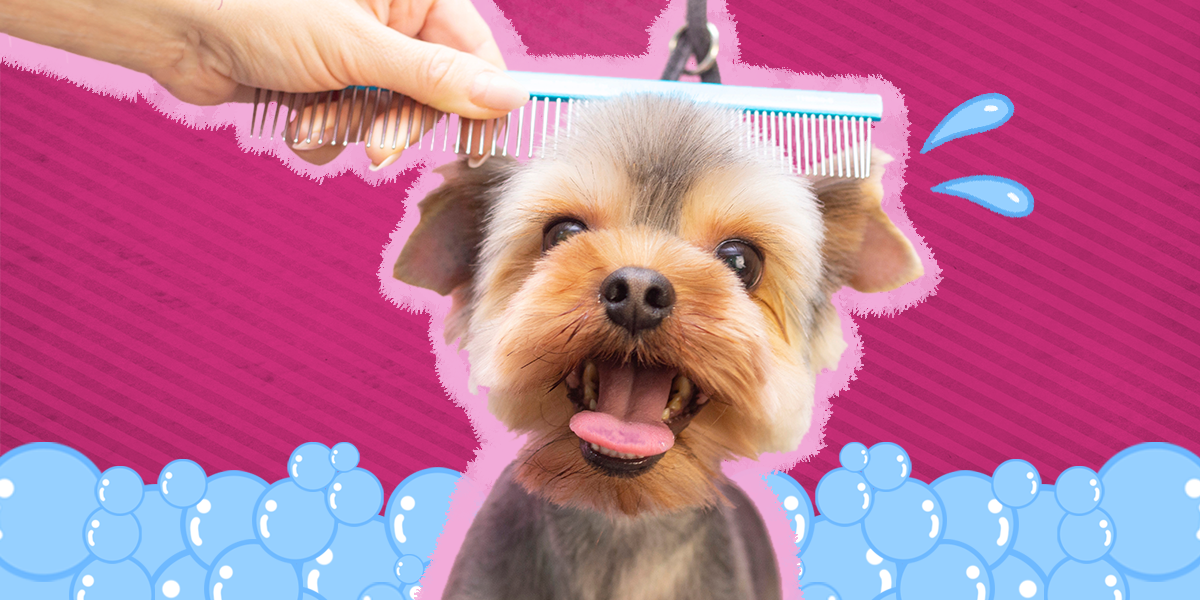
Grooming your dog is not only essential for their appearance but also contributes to their overall health and wellbeing. Understanding the specific grooming techniques suitable for various coat types, bathing procedures, and nail trimming methods will enhance the grooming experience for both you and your furry friend. Below are detailed explanations of these vital grooming practices.
Brushing Techniques for Different Coat Types
Proper brushing techniques vary depending on your dog’s coat type. The right approach will help prevent matting, reduce shedding, and promote a healthy coat.
- Straight or Short Coats: Use a rubber brush or a bristle brush to remove dirt and loose hair. Start at the neck and work towards the tail, using short strokes to lift debris without irritating the skin.
- Curly Coats: Use a pin brush or slicker brush. Begin by separating the curls with your fingers before brushing to avoid pulling on the coat. Brushing should be done in sections to ensure thoroughness.
- Long Coats: A wide-toothed comb is ideal for detangling. Start from the tips of the hair and work your way up towards the roots. For severely matted areas, use scissors to carefully cut the mat out, being cautious not to injure the skin.
- Double Coats: Use an undercoat rake to remove the soft undercoat, followed by a slicker brush for the outer coat. This helps in reducing shedding and promotes air circulation in the fur.
Efficient Bathing Process
Bathing your dog efficiently in a short time can be achieved by following a structured process. Preparing everything in advance will save time and ensure a smooth experience.
- Gather Supplies: Before bathing, collect all necessary supplies such as dog shampoo, towels, a non-slip mat, and a brush. This minimizes interruptions during the bath.
- Water Temperature: Ensure the water is lukewarm. Dogs are sensitive to temperature, and this helps in keeping them comfortable.
- Wet the Coat: Use a handheld showerhead or a cup to wet the coat thoroughly, avoiding the eyes and ears. This can be done quickly by starting from the neck and moving downwards.
- Shampoo Application: Apply a small amount of dog-specific shampoo and lather it, ensuring you cover the entire body. Rinse thoroughly to prevent skin irritation.
- Drying: Use a towel to dry your dog as much as possible before letting them outside or using a blow dryer on a low setting. Be cautious to avoid the face and ears.
Nail Trimming Procedures
Trimming your dog’s nails is crucial for their comfort and health. Here’s a safe and effective guide to nail trimming.
- Preparation: Gather a pair of sharp, high-quality nail clippers designed for dogs. Ensure your dog is calm; consider using treats for positive reinforcement.
- Identifying the Quick: The quick is the pink area inside the nail that contains blood vessels. For light-colored nails, it is easier to see. Avoid cutting into this area to prevent bleeding.
- Trimming Technique: Hold the paw firmly but gently, and trim the nail slowly at a 45-degree angle. If your dog has dark nails, trim small amounts gradually until you see a darker center, indicating proximity to the quick.
- Aftercare: If you accidentally cut too close to the quick, use styptic powder to stop any bleeding. Provide praise and treats to create a positive association with nail trimming.
Handling Difficult Dogs
Grooming can be a challenging task, especially when dealing with dogs that exhibit resistance or anxiety during the process. Understanding how to manage these situations is essential for a successful grooming experience. By employing strategic techniques and recognizing signs of stress, you can create a more positive environment for your dog and ensure their grooming needs are met.Calming a nervous dog during grooming requires patience, understanding, and specific techniques that foster trust and comfort.
To achieve this, it is crucial to recognize the signs of stress in dogs, which can manifest in various ways. By learning to identify these signals, you can adapt your approach to minimize anxiety and create a more pleasant grooming experience.
Strategies for Managing Resistance
To handle dogs that resist grooming, it is important to implement strategies that promote a sense of security. Here are several effective methods to consider:
- Gradual Exposure: Introduce grooming tools gradually. Allow your dog to sniff and explore the tools before using them on their coat. This familiarity can reduce anxiety.
- Positive Reinforcement: Use treats and praise to reward your dog for calm behavior during grooming. This helps them associate grooming with positive experiences.
- Short Sessions: Keep grooming sessions brief to begin with. Gradually increase the duration as your dog becomes more comfortable with the process.
- Comfortable Environment: Create a calm atmosphere by minimizing distractions and using soothing background music. A familiar space can help ease their nerves.
Calming Techniques During Grooming
Implementing calming techniques during the grooming process can significantly improve your dog’s experience. Here are some methods to consider:
- Gentle Touch: Use a soft touch and gentle strokes while brushing or handling your dog. This can help them relax and feel more secure.
- Regular Breaks: If your dog shows signs of stress, take short breaks during grooming. Allow them to move around and explore their surroundings in between grooming sessions.
- Massage Techniques: Incorporate light massage before and during grooming. This can ease tension and enhance relaxation.
- Desensitization Techniques: Gradually introduce your dog to grooming equipment while rewarding them for calm behavior. This can help them become more accustomed to the process.
Recognizing Signs of Stress in Dogs
Understanding the signs of stress in dogs during grooming is critical for ensuring their well-being. Common indicators may include:
- Body Language: Pay attention to your dog’s body language. Signs such as a lowered head, tucked tail, or flattened ears often indicate discomfort or fear.
- Vocalization: Whining, barking, or growling during grooming may signal anxiety. If your dog vocalizes, it’s important to assess their comfort level.
- Fidgeting or Moving Away: If your dog tries to escape or constantly shifts positions, they may be feeling stressed. Adjust your approach accordingly.
- Excessive Licking or Chewing: Dogs that lick their lips or chew on their paws may be exhibiting anxiety. Recognizing this behavior can help you address their discomfort promptly.
Grooming for Different Breeds
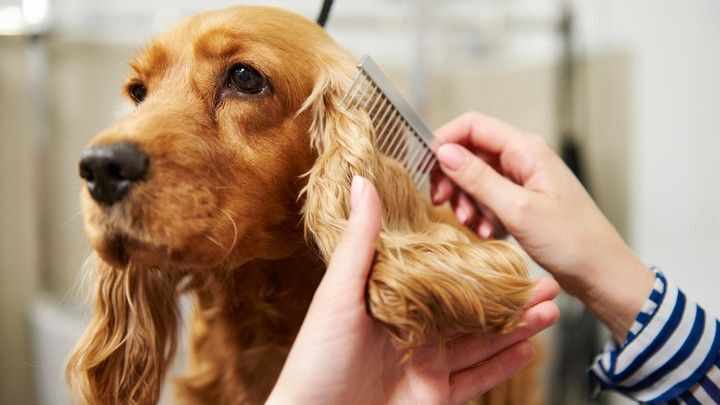
Dog grooming is not a one-size-fits-all approach; it varies significantly across different breeds, influenced by factors such as coat type, size, and even temperament. Understanding the unique grooming needs of various dog breeds is essential for maintaining their health, comfort, and appearance. By tailoring grooming techniques to each breed’s specific requirements, owners can ensure their dogs remain happy and well-cared for.
Grooming Needs by Coat Type
The grooming requirements of dogs can be largely categorized based on their coat types: long-haired and short-haired. Each category necessitates distinct grooming frequencies and techniques to keep the coat in optimal condition.For long-haired breeds, such as the Afghan Hound or the Maltese, regular grooming is crucial to prevent matting and tangles. These breeds often require:
- Daily brushing: To remove loose hair and prevent knots, daily brushing is recommended, especially for those with dense undercoats.
- Bathing every 4-6 weeks: To maintain cleanliness and manage oils without stripping the coat of its natural moisture.
- Regular trims: Depending on the breed, trims may be necessary to maintain a manageable coat length and shape.
Conversely, short-haired breeds like the Beagle or the Boxer have different grooming needs, characterized by:
- Weekly brushing: A less frequent but thorough brushing helps remove dead hair and distributes natural oils.
- Bathing every 1-3 months: Short-haired breeds often have lower grooming frequency, with baths scheduled based on their activity level and coat condition.
“The right grooming routine not only enhances a dog’s appearance but also contributes to their overall health and well-being.”
Seasonal Grooming Needs
Grooming requirements can also vary with seasons, influenced by the climate where the dog resides. In colder regions, breeds with thick double coats, such as the Siberian Husky or the Saint Bernard, will shed more heavily in spring as they transition to a lighter coat. Seasonal grooming practices include:
- Spring shedding: Increased brushing is necessary during shedding seasons to manage loose fur and reduce allergens in the home.
- Winter coat maintenance: Regular brushing helps to keep the undercoat healthy and prevents matting, which can trap moisture and lead to skin issues.
In contrast, dogs living in warmer climates, such as the Chihuahua or the Dalmatian, may require:
- Regular de-shedding: Weekly brushing helps manage the shedding that occurs due to heat stress.
- Frequent baths: More frequent bathing can assist in removing dirt and debris, helping to keep the dog cool and comfortable.
“Understanding and responding to seasonal grooming needs ensures dogs remain comfortable and healthy year-round.”
Maintaining Grooming Tools
Regular maintenance of grooming tools is essential to ensure their longevity and effectiveness. Proper care not only protects your investment but also ensures a safe and pleasant grooming experience for your dog. Well-maintained tools perform better, are safer to use, and provide better results, contributing to your dog’s overall health and appearance.Routine cleaning and maintenance of grooming tools help to eliminate dirt, hair, and bacteria, thus preventing the spread of infections and ensuring that your tools function properly.
The following practices are crucial for maintaining your grooming tools effectively:
Cleaning and Sanitizing Tools
Cleaning grooming tools after each use is vital to maintain their functionality and hygiene. It is important to establish a cleaning routine to prolong the life of your grooming tools. The following steps can be followed:
- Brushes and Combs: Remove hair from brushes and combs after each use. Soak them in warm, soapy water for 10-15 minutes to loosen debris, then rinse thoroughly and let them air dry.
- Clippers: Disassemble the blades according to the manufacturer’s instructions and clean them with a soft brush or cloth. Oil the blades regularly to prevent rust and ensure smooth operation. Sanitizing with alcohol wipes is also advisable.
- Scissors: Wipe scissors with a clean, damp cloth after each use. Periodically oil the pivot point to maintain smoothness in cutting.
Checking Tools for Safety and Effectiveness
It is essential to regularly check grooming tools for safety and effectiveness to prevent accidents and ensure optimal performance. Inspecting tools can help identify any wear or damage that might compromise their use. Key points to consider include:
- Examine the blades of clippers and scissors for dullness and chips. Dull blades can tug at your dog’s hair and cause discomfort.
- Check for any rust or corrosion on metal components, as these can harbor bacteria and affect tool performance.
- Ensure that handle grips are secure and free from cracks to maintain a safe grip during grooming.
Storage Solutions for Grooming Tools
Organizing and storing grooming tools properly can prevent damage and make the grooming process more efficient. An organized space not only protects the tools but also enhances accessibility. Consider the following storage options:
- Toolboxes or Caddies: Use a sturdy toolbox or caddy to keep all grooming tools in one place. Look for compartments to separate different tools and prevent tangling.
- Hanging Organizers: Install a wall-mounted organizer with hooks or pouches to keep brushes, combs, and scissors visible and easily accessible.
- Drawer Dividers: Use dividers in drawers to categorize tools, making it easier to find what you need without rummaging through a cluttered space.
“Maintaining your grooming tools is not just about extending their lifespan; it’s about ensuring a safe and pleasant grooming experience for your pet.”
Benefits of Professional Grooming
Professional grooming offers a range of advantages for both pet and owner, particularly in situations where specialized skills and equipment are required. While regular at-home grooming is beneficial, there are circumstances where entrusting a professional can enhance the overall care and experience for your dog. This section delves into the situations that warrant professional grooming, the benefits of expert assistance for challenging grooming tasks, and a cost comparison between professional services and DIY grooming.
Recommended Situations for Professional Grooming
Certain scenarios make professional grooming not only advisable but essential. These include instances where the dog has a thick or matted coat that requires specialized tools and techniques, or when the dog exhibits anxiety or aggression during grooming sessions. Professional groomers are trained to handle such behaviors with patience and expertise, ensuring a stress-free experience for both the dog and the owner.
Advantages of Seeking Professional Help
Utilizing professional grooming services provides several key benefits, particularly for complex grooming tasks:
- Expertise: Professional groomers possess extensive training and experience, allowing them to tackle intricate grooming tasks, such as hand stripping or de-shedding, effectively and safely.
- Time Efficiency: Professional groomers can complete grooming tasks more quickly than most pet owners, ensuring a thorough job is done in a shorter period.
- Quality Results: The use of professional-grade tools and products often results in a superior finish, enhancing the dog’s overall appearance and health.
- Health Monitoring: Regular visits to a groomer can help identify potential health issues, such as skin problems or ear infections, early on.
Cost Comparison of Professional Grooming Services vs. DIY Grooming
While DIY grooming can save money in the short term, it is important to consider the overall value of professional services. Professional grooming services typically range from $30 to $90, depending on the size and breed of the dog and the complexity of the grooming required. In contrast, the costs associated with DIY grooming include purchasing grooming tools, shampoos, and other supplies, which can add up over time.
For instance, a quality grooming kit may cost between $50 and $150, not including potential additional costs for specialty shampoos or treatments. Ultimately, while DIY grooming provides a cost-effective option, professional grooming can save time, reduce stress, and yield better results, making it a worthwhile investment for many pet owners.
“Investing in professional grooming is not just about aesthetics; it promotes the overall health and well-being of your dog.”
Wrap-Up
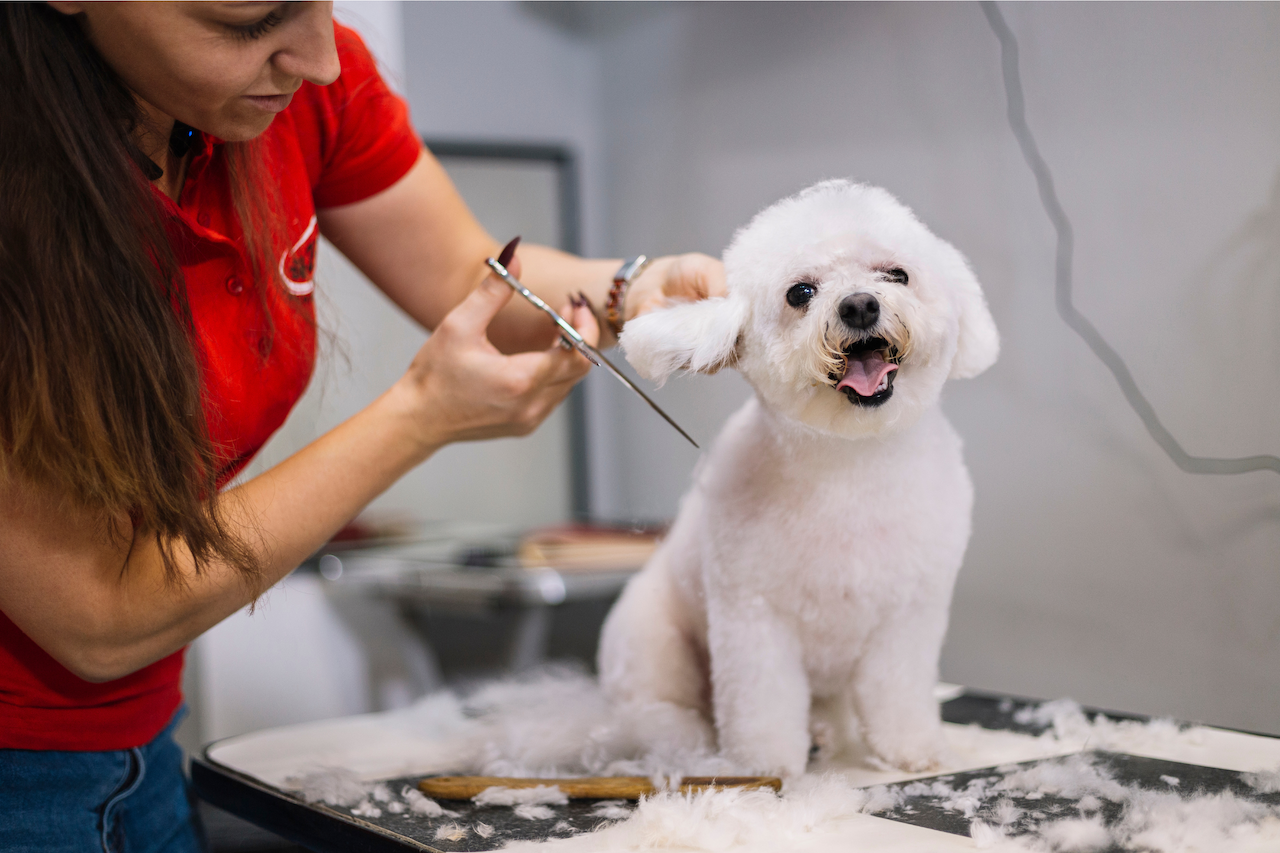
In conclusion, mastering the art of dog grooming within a mere 15 minutes each day offers numerous benefits, both for your pet’s health and your relationship with them. By implementing the strategies and techniques discussed, you can ensure that grooming becomes a positive experience rather than a daunting task. Whether you choose to embrace DIY grooming or seek professional assistance when needed, the joy of seeing your dog healthy and happy is the ultimate reward.