How to Groom Your Dog to Prevent Hot Spots in Summer introduces an essential guide for dog owners who wish to safeguard their furry companions from the discomfort of hot spots. These painful, inflamed areas can develop rapidly in the heat, particularly affecting certain breeds more than others. Understanding the causes, symptoms, and preventive measures is crucial for maintaining your dog’s health during the warmer months.
Regular grooming not only enhances your dog’s appearance but also plays a vital role in preventing skin irritations and hot spots. By employing suitable grooming techniques, bathing methods, and nutritional practices, you can ensure a comfortable and enjoyable summer for your beloved pet.
Understanding Hot Spots in Dogs
Hot spots, medically known as acute moist dermatitis, are localized areas of inflammation and infection on a dog’s skin that can develop rapidly, particularly during warmer months. These lesions can cause significant discomfort for dogs and may lead to further complications if left untreated. Understanding how hot spots form, recognizing their signs, and knowing which breeds are more susceptible is essential for any dog owner, especially during summer.Hot spots occur when a dog’s skin becomes irritated due to various factors such as excessive moisture, allergies, insect bites, or even anxiety.
The warm, humid conditions of summer can exacerbate these issues, creating an ideal environment for bacteria to thrive. Once a hot spot begins to develop, the dog may scratch, lick, or bite the area, further aggravating the skin and worsening the situation.
Common Signs and Symptoms of Hot Spots
Recognizing the signs and symptoms of hot spots early on is crucial for effective treatment. Hot spots can manifest in several ways, and being vigilant can help dog owners address the issue before it escalates. The following are common indicators of hot spots:
- Red, inflamed patches of skin
- Excessive licking or chewing at a specific area
- Wetness or oozing from the affected spot
- Hair loss around the area of irritation
- Foul odor emanating from the infected skin
- Signs of pain or discomfort, such as whining or reluctance to move
Identifying these symptoms promptly allows for timely intervention, which can prevent the hot spot from worsening and leading to more severe skin infections.
Breeds Prone to Developing Hot Spots
Certain dog breeds are more susceptible to developing hot spots due to their skin and coat characteristics, as well as their propensity for certain health issues. The following breeds are often noted for their increased risk:
- Golden Retrievers
- Labrador Retrievers
- German Shepherds
- Boxers
- Shih Tzus
- Bulldogs
These breeds may have thicker coats or skin folds that can trap moisture and create an ideal environment for bacteria. Additionally, breeds with a history of allergies or skin sensitivities may experience more frequent hot spots, particularly during the summer months when environmental allergens are prevalent.
“Preventing hot spots often involves regular grooming, timely baths, and monitoring skin conditions, especially in breeds that are predisposed.”
Importance of Regular Grooming
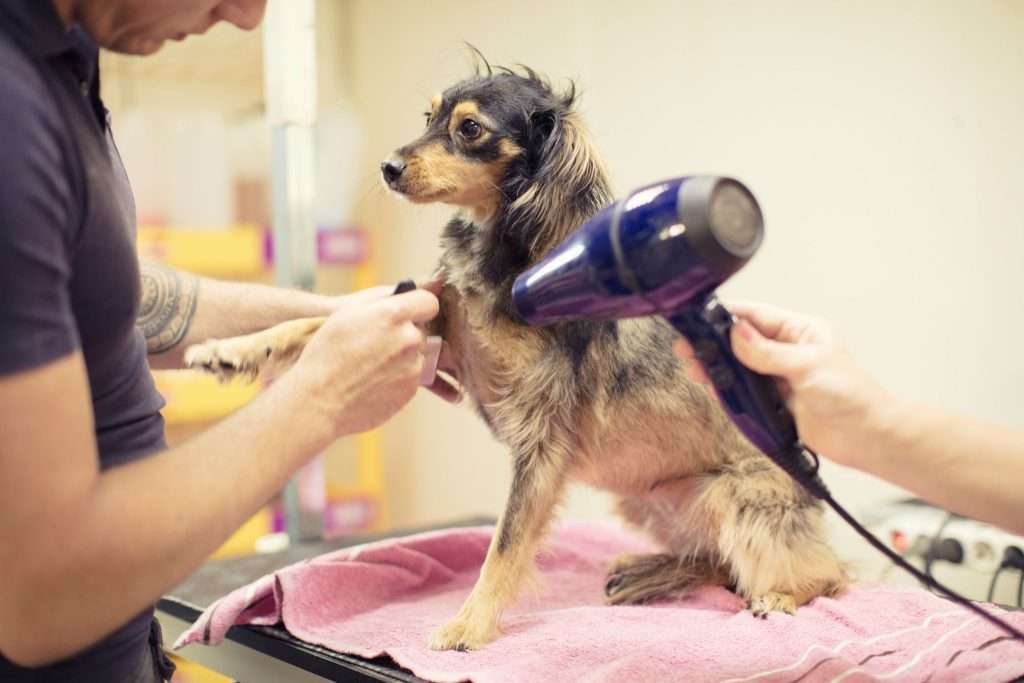
Regular grooming plays a critical role in maintaining a dog’s overall health and well-being, particularly during the hot summer months. By ensuring that your dog is groomed frequently, you can significantly reduce the risk of skin irritations, such as hot spots, which are exacerbated by humidity and heat. Grooming not only provides an opportunity to inspect your pet’s skin and coat but also strengthens the bond between you and your canine companion.The benefits of regular grooming extend beyond aesthetics and provide substantial health advantages.
Regularly brushing your dog’s coat promotes the distribution of natural oils, which keeps the skin hydrated and healthy. Additionally, grooming helps to remove loose fur, dirt, and debris that may otherwise contribute to skin infections or irritations. The process also allows for early detection of any skin issues, parasites, or abnormalities that may lead to discomfort for your pet.
Grooming Tools for Dog Grooming
An effective grooming routine requires appropriate tools to ensure a thorough and comfortable experience for your dog. Here is a list of essential grooming tools that are particularly useful in preventing hot spots:
- Dog Brush: A variety of brushes (slicker, bristle, or pin brushes) are essential for different coat types to remove loose hair and debris.
- Dog Comb: A comb is useful for detangling knots and checking for parasites, especially in long-haired breeds.
- Undercoat Rake: This tool is designed to remove loose undercoat fur, which is particularly important during shedding seasons.
- Clippers or Scissors: For breeds that require specific haircuts or to trim fur in sensitive areas, clippers and scissors are indispensable.
- Nail Clippers: Regular nail trimming prevents discomfort and injury, which contributes to a dog’s overall comfort.
- Dog Shampoo: A gentle, hypoallergenic shampoo is crucial for cleansing the skin without stripping natural oils.
- Ear Cleaner: Keeping the ears clean helps prevent infections that can arise in the damp and warm summer months.
Each grooming tool serves a specific purpose, and having a complete set can help you maintain your dog’s hygiene effectively.
Establishing a Grooming Routine During Summer Months
Developing a grooming routine during the summer is essential due to the increased risk of skin problems caused by heat and humidity. A consistent schedule not only keeps your dog comfortable but also enhances their overall health. Here are some methods to establish a grooming routine:
- Frequency of Grooming: Aim for grooming sessions at least once a week, with more frequent sessions for dogs with longer or thicker coats.
- Designated Grooming Area: Choose a specific area in your home or yard for grooming to create a calm and familiar environment for your dog.
- Use of Treats: Incorporate positive reinforcement by rewarding your dog with treats during and after grooming sessions to create a positive association.
- Timing: Schedule grooming during cooler parts of the day, preferably early morning or late evening, to prevent overheating.
- Hydration: Ensure your dog has access to fresh water during grooming sessions, especially in hot weather.
- Monitor Skin Health: Regularly check for any signs of irritation, redness, or unusual behavior that may indicate discomfort or a potential hot spot.
By establishing a consistent grooming routine, you can help ensure that your dog remains free from hot spots and maintains a healthy, shiny coat throughout the summer months.
Bathing Your Dog Properly
Bathing your dog is a crucial aspect of their grooming routine, especially during the hot summer months when skin issues can arise more frequently. Proper bathing techniques not only keep your pet clean but also help prevent the formation of hot spots and other skin irritations. By following a systematic approach to bathing, you can ensure your dog’s skin remains healthy and comfortable throughout the summer heat.
To minimize skin issues during bathing, it’s essential to follow specific steps that promote cleanliness while being gentle on your dog’s skin. Begin by brushing your dog thoroughly to remove loose hair and debris, which can help prevent matting and tangles. This should be done before entering the bath to make the bathing process more effective. Use lukewarm water to wet your dog’s coat gradually, ensuring they feel comfortable.
Apply a dog-friendly shampoo that is formulated to soothe the skin and avoid harsh chemicals. Gently massage the shampoo into the coat, paying special attention to areas prone to irritation, such as the underbelly, paws, and behind the ears. Rinse thoroughly until all shampoo is removed, as any residue can lead to itching or irritation. Finally, dry your dog using a soft towel or a pet-specific dryer, being extra cautious around sensitive areas.
Types of Shampoos for Preventing Hot Spots
Selecting the right type of shampoo is vital for preventing hot spots and maintaining overall skin health. The following types of shampoos are recommended for dogs, particularly during the summer season:
- Hypoallergenic Shampoos: These are designed for dogs with sensitive skin and minimize the risk of allergic reactions. They help soothe irritation and reduce inflammation.
- Antimicrobial Shampoos: Formulated to combat bacteria and fungi, these shampoos can provide additional protection against infections that may lead to hot spots.
- Moisturizing Shampoos: These shampoos contain ingredients like oatmeal or aloe vera, which hydrate the skin and help maintain its natural oil balance, preventing dryness and irritation.
- Natural Shampoos: Made from organic ingredients, these options are less likely to contain synthetic chemicals that could irritate your dog’s skin.
It is essential to choose a shampoo that specifically addresses your dog’s skin needs and consult with a veterinarian if you are unsure which product is best suited for your furry friend.
Bathing Schedule for Summer
Establishing a bathing schedule that corresponds with the summer heat can significantly enhance your dog’s comfort and health. Bathing frequency may vary depending on your dog’s breed, activity level, and skin condition. It is generally advisable to adhere to the following schedule:
- Active Dogs: For dogs that spend a lot of time outdoors or enjoy swimming, a bath once every one to two weeks is recommended.
- Moderately Active Dogs: Dogs that take regular walks but do not engage in excessive outdoor activities may require a bath every two to three weeks.
- Less Active or Indoor Dogs: Dogs primarily kept indoors can typically be bathed once a month, unless they develop a specific skin issue.
By following this bathing schedule and using appropriate products, you can help ensure that your dog remains clean and comfortable, reducing the likelihood of developing hot spots due to summer heat and humidity.
Brushing Techniques to Prevent Mats
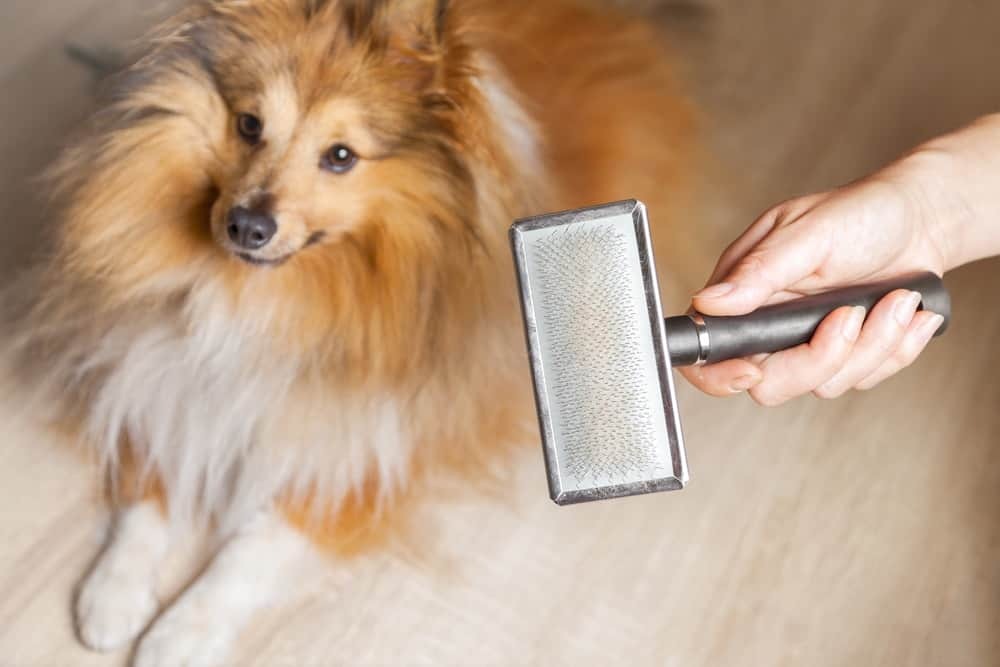
To maintain a healthy and happy coat for your dog, employing effective brushing techniques is essential. Regular brushing not only removes loose fur and dirt but also prevents mats and tangles, which can lead to painful skin irritations. This section delves into the proper brushing strategies that help keep your dog’s coat sleek and mat-free.Correct brushing techniques vary based on your dog’s breed and coat type.
Here are some essential tips for effective brushing:
- Start by choosing the right brush for your dog’s coat type.
- Always brush in the direction of hair growth to minimize discomfort.
- Use gentle, even strokes to prevent pulling at the skin, which can cause pain.
- Pay special attention to areas prone to matting, such as behind the ears, under the legs, and around the collar.
- For longer coats, section the fur into manageable parts, brushing each section thoroughly before moving on.
Brush Types and Their Purposes
Selecting the appropriate brush is crucial for effective grooming. Below is a comparative table of different types of brushes and their specific purposes:
| Brush Type | Purpose |
|---|---|
| Slicker Brush | Best for removing loose hair and detangling mats, particularly in long-haired breeds. |
| Pin Brush | Effective for fluffing and smoothing the coat of medium to long-haired dogs. |
| Bristle Brush | Ideal for short-haired breeds; helps to distribute natural oils and enhance shine. |
| Undercoat Rake | Designed for dogs with a thick undercoat, it removes loose undercoat hair without damaging the top coat. |
| Comb | Useful for finishing touches and removing stubborn tangles, especially in fine-haired breeds. |
The frequency of brushing your dog is influenced by their breed and coat type. Generally, the following guidelines apply:
Long-haired breeds (e.g., Afghan Hound, Shih Tzu)
Brush daily to prevent matting and tangles.
Medium-haired breeds (e.g., Labrador Retriever, Cocker Spaniel)
Brush at least once a week to remove loose hair and prevent mats.
Short-haired breeds (e.g., Beagle, Boxer)
Brushing every two weeks may suffice, though weekly brushing can help reduce shedding.Regular grooming not only enhances your dog’s appearance but also promotes their overall well-being. Brushing helps you monitor your dog’s skin for any signs of irritation or parasites, fostering a healthy bond between you and your pet.
Inspecting Your Dog’s Skin
Regular inspection of your dog’s skin is essential to maintain their overall health, especially during the summer months when hot spots are more prevalent. By understanding how to properly check your dog’s skin, you can catch any signs of irritation or infection early, ensuring a happy and healthy pet.To effectively inspect your dog’s skin, follow a systematic approach that allows you to identify any abnormalities.
Start by ensuring your dog is calm and relaxed, making it easier for you to conduct a thorough examination. Gently part the fur and examine the skin underneath, looking for signs of redness, swelling, or any unusual textures.
Step-by-Step Guide to Inspecting Your Dog’s Skin
Conducting a skin inspection involves a series of steps that can help you identify potential issues before they escalate. Follow these guidelines for a comprehensive check:
- Choose a comfortable space: Find a quiet area where your dog feels safe.
- Start with the body: Begin at the neck and move down towards the tail, gently parting the fur.
- Examine the ears: Check both the inside and outside of each ear for any signs of irritation or infection.
- Inspect the paws: Carefully examine the pads and between the toes for redness or swelling.
- Look for lumps or bumps: As you inspect, keep an eye out for any unusual growths on the skin.
- Check the belly and underarms: These areas can be sensitive and are prime spots for potential irritation.
Common areas where hot spots may appear include regions where moisture can accumulate, such as the ears, underarms, and beneath the collar. These areas may be more prone to irritation due to factors like heat, humidity, or excessive scratching.
Checklist for Regular Skin Inspections
To ensure a thorough and effective inspection, consider the following checklist:
Regular skin inspections can help prevent the development of hot spots and other skin issues.
- Look for any signs of redness or swelling.
- Check for excessive scratching or licking.
- Ensure there are no unusual odors coming from the skin.
- Observe for any changes in skin texture, such as roughness or flakiness.
- Monitor your dog’s overall behavior for any signs of discomfort.
- Document any findings to discuss with your veterinarian during routine check-ups.
Maintaining a Cool Environment
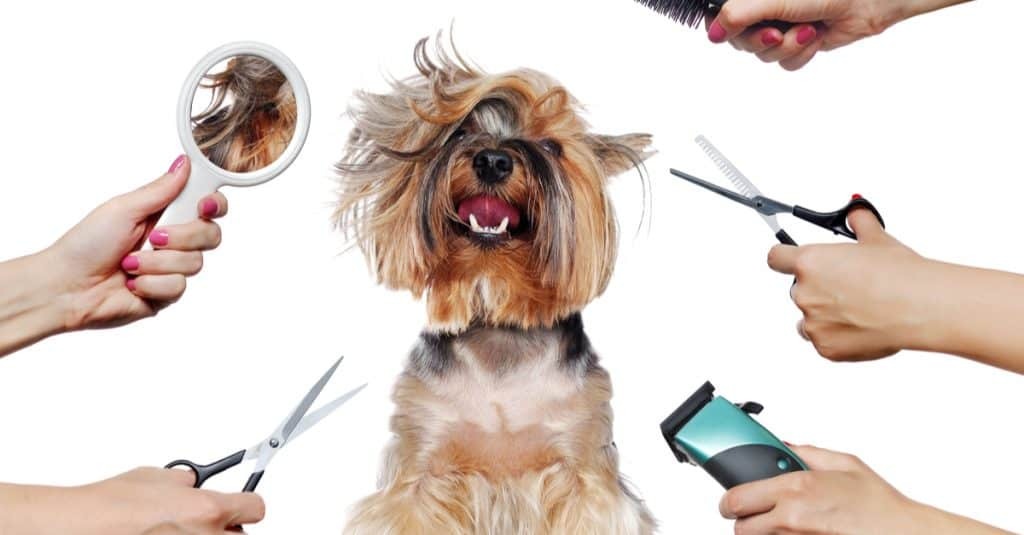
Creating a comfortable environment for your dog during hot weather is crucial in preventing heat-related health issues such as hot spots. Dogs can easily suffer from overheating, especially in the summer months when temperatures rise. By implementing a few strategies, you can ensure that your dog remains cool, comfortable, and healthy.To maintain a cool environment for your dog, it is essential to focus on the temperature and ventilation of their surroundings.
Keeping your home well-ventilated will help reduce heat accumulation. Providing shaded outdoor areas is equally important, allowing your dog to escape intense sunlight. Additionally, you may consider using cooling products that are designed specifically to help dogs stay cool during the warmer months.
Cooling Products for Dogs
Investing in the right cooling products can significantly reduce the risk of hot spots and overheating. Below are several effective cooling solutions that you can utilize:
- Cooling Mats: These mats provide a cool surface for your dog to rest on. They often contain a gel that activates with pressure, absorbing your dog’s body heat.
- Cooling Vests: Designed to be worn during walks or playtime, these vests can be soaked in water and will help keep your dog cool by evaporative cooling.
- Pet Fans: Small, portable fans can be set up in areas where your dog spends time, providing a steady breeze to help maintain a comfortable temperature.
- Frozen Treats: Offering frozen treats such as ice cubes with your dog’s favorite low-sodium broth can help keep them cool and hydrated from the inside out.
- Cooling Bandanas: These bandanas can be soaked in cold water and worn around your dog’s neck, providing respite from the heat.
Activities for Keeping Dogs Cool While Grooming Outdoors
Engaging your dog in activities during grooming sessions can foster a positive experience while keeping them cool. Consider the following activities that not only enhance grooming but also help maintain a comfortable temperature:
- Water Play: Set up a kiddie pool or a sprinkler for your dog to play in. This can provide a fun way for them to cool down while you groom them nearby.
- Shade Breaks: Create shaded areas with tarps or umbrellas where your dog can take breaks from the heat while being groomed, allowing them a comfortable spot to relax.
- Gentle Bathing: Incorporate a cool, refreshing bath as part of the grooming process. Using lukewarm or cool water can help lower their body temperature.
- Interactive Toys: Provide toys that can be filled with water or have cooling properties, keeping your dog engaged while you groom.
- Short Grooming Sessions: Conduct grooming sessions in shorter intervals during the hottest parts of the day to avoid overheating.
Nutrition and Hydration
Proper nutrition and hydration play a crucial role in maintaining your dog’s skin health, especially during the hot summer months. A balanced diet rich in essential fatty acids, vitamins, and minerals can significantly enhance the skin’s barrier function, preventing dryness and irritation that lead to hot spots. Additionally, maintaining adequate hydration is vital for overall health, as it helps to keep the skin supple and resilient against environmental stressors.The importance of a nutritious diet cannot be overstated when it comes to skin health.
Dogs with deficiencies in specific nutrients may be more susceptible to skin issues, including allergies and infections. A diet that includes omega-3 and omega-6 fatty acids can improve skin condition and reduce inflammation. Moreover, keeping your dog hydrated during summer ensures that their skin remains moist and less prone to irritation.
Ensuring Hydration and Nutritional Support
To support your dog’s hydration during the summer, consider the following tips:
1. Fresh Water Access
Ensure your dog has constant access to clean, fresh water throughout the day. This encourages them to drink more, especially in warmer weather.
2. Hydration-Enhancing Foods
Incorporate water-rich fruits and vegetables into your dog’s diet, such as watermelon or cucumber, which can help keep them hydrated.
3. Ice Treats
Create homemade frozen treats using dog-safe ingredients blended with water. This can encourage your dog to stay cool and hydrated.
4. Regular Monitoring
Keep an eye on your dog’s water intake and behavior. Signs of dehydration include excessive panting, dry gums, or lethargy.The following table highlights dog foods that promote healthy skin, focusing on those rich in beneficial fatty acids and vitamins:
| Dog Food Brand | Main Ingredients | Skin Health Benefits |
|---|---|---|
| Blue Buffalo Wilderness | Deboned Chicken, Fish Meal | High in omega-3 and omega-6 fatty acids |
| Wellness CORE | Deboned Turkey, Chicken Meal | Rich in antioxidants and fatty acids for skin health |
| Canidae Pure Limited Ingredient | Salmon, Sweet Potatoes | Contains omega fatty acids for skin and coat enhancement |
| Royal Canin Size Health Nutrition | Chicken Meal, Rice | Formulated for coat health with added vitamins |
| Hill’s Science Diet | Chicken, Barley | Contains biotin and omega-6 for skin moisture |
Professional Grooming Services
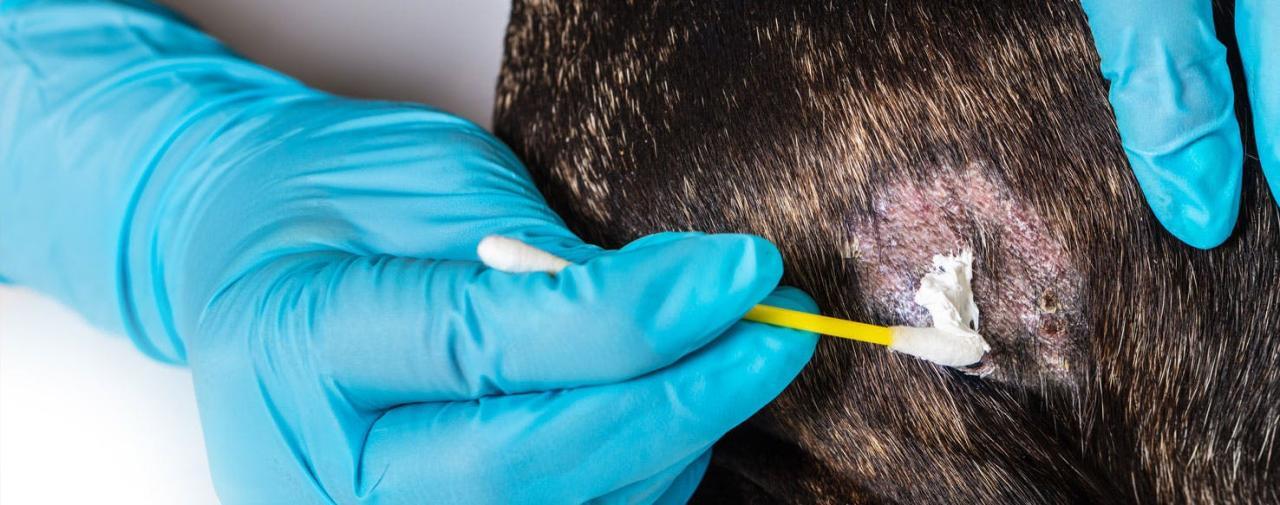
Considering professional grooming services can be a beneficial decision for dog owners, particularly during the hot summer months when hot spots are more prevalent. These services provide expertise in maintaining canine hygiene and coat health while ensuring that grooming is done efficiently and safely. Professional groomers are trained to recognize potential skin issues and can provide specialized care that may be difficult to achieve at home.Professional grooming services offer several advantages over DIY grooming.
While grooming your dog at home can be cost-effective, it may lack the precision and thoroughness of a professional groom. Groomers have access to advanced tools and techniques that can better address grooming challenges, such as mats and tangles, which are not only unsightly but can also contribute to skin irritations. Additionally, professional groomers have experience handling different breeds and temperaments, meaning less stress for both the dog and the owner.
Benefits of Professional Grooming
The advantages of utilizing professional grooming services extend beyond aesthetics and convenience. Understanding these benefits can help pet owners make informed decisions regarding their dog’s grooming needs.
- Expertise in Skin Health: Professional groomers are trained to identify early signs of skin problems, including hot spots, and can recommend appropriate treatments or solutions.
- Access to Specialized Equipment: High-quality grooming tools and products used by professionals can effectively manage coat maintenance, promoting healthier skin and fur.
- Thorough Cleaning: Professional grooming includes bathing with suitable shampoos that can prevent skin irritations, especially in hot weather.
- Stress Reduction for Pets: Many dogs may feel anxious during grooming; professionals know how to manage and calm pets, ensuring a more pleasant experience.
- Time Efficiency: Grooming can be time-consuming; professionals can complete grooming tasks more quickly and effectively, freeing up your schedule.
Questions to Ask a Groomer
When selecting a professional groomer, asking the right questions is crucial to ensure they prioritize hot spot prevention and overall health. The following inquiries can provide insight into their practices and expertise:
- What is your approach to preventing skin issues like hot spots during grooming? Understanding their preventative measures can assure you they are knowledgeable.
- Can you describe the grooming products you use, particularly for sensitive skin? Knowledge of product ingredients can highlight their commitment to skin health.
- How do you handle pets with existing skin conditions? This will reveal their approach to special cases and their overall experience.
- What techniques do you use for different coat types and breeds? A good groomer should be familiar with the specific needs of various breeds.
- Do you provide a consultation to discuss my dog’s grooming history and needs? A willingness to consult demonstrates a personalized approach to grooming.
Final Conclusion
In summary, grooming your dog effectively during the summer is an indispensable practice that can significantly reduce the risk of hot spots. By regularly inspecting your dog’s skin, maintaining a cool environment, and providing proper nutrition, you create a wholesome atmosphere for your pet. Whether opting for DIY grooming or professional services, taking proactive measures will help keep your dog happy, healthy, and protected from the summer heat.