How to Trim Your Dog’s Eyebrows Neatly presents an essential guide for pet owners seeking to enhance their dog’s appearance while ensuring comfort and safety. Maintaining well-groomed eyebrows not only contributes to a dog’s overall aesthetic but also plays a crucial role in their vision and comfort, ultimately fostering a stronger bond between the pet and owner.
This guide will delve into the significance of eyebrow trimming, the necessary tools, and step-by-step instructions to achieve a neat finish. From preparing your dog for the grooming session to addressing behavioral issues, every aspect is covered to ensure a positive experience for both you and your furry friend.
Importance of Trimming Dog’s Eyebrows
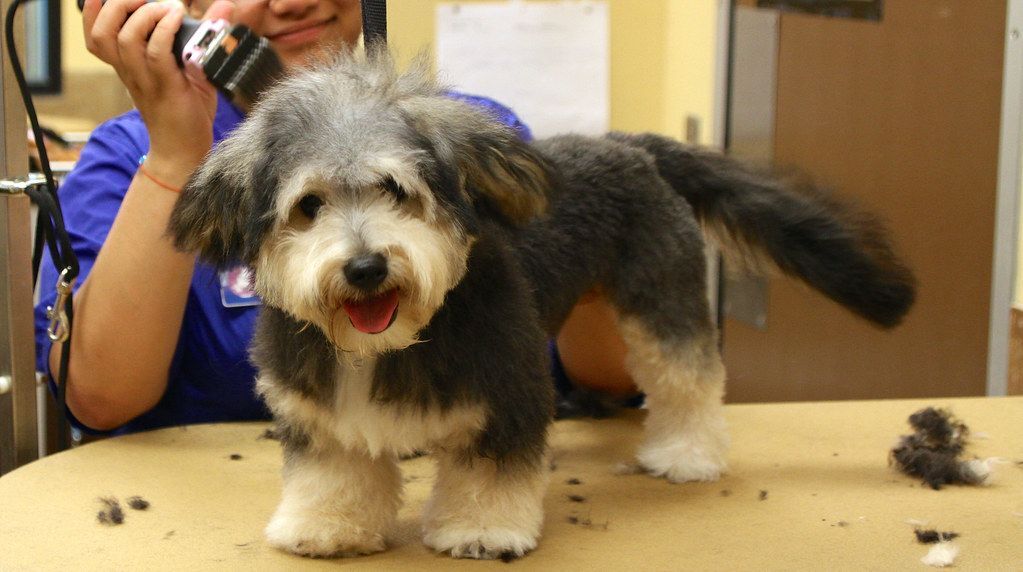
Trimming a dog’s eyebrows is an essential aspect of grooming that contributes to both the pet’s comfort and the owner’s satisfaction. Well-maintained eyebrows not only enhance the overall appearance of the dog but also play a crucial role in its health and well-being. This grooming practice can significantly improve the dog’s quality of life by ensuring proper vision and reducing discomfort.Proper maintenance of a dog’s eyebrows can prevent excess hair from obstructing their vision.
Long and unruly eyebrow hair may block a dog’s line of sight, leading to difficulty in navigating their environment. This obstruction can cause confusion, anxiety, and even potential accidents. Moreover, neat eyebrows contribute to the dog’s comfort by preventing irritation around the eyes, which can occur when stray hairs come into contact with sensitive skin.
Aesthetic Benefits of Groomed Eyebrows
The aesthetic appeal of a well-groomed dog cannot be understated, as it reflects the care and attention provided by the owner. Grooming contributes to a dog’s overall image, which can positively influence the perceptions of others in social settings. Well-kept eyebrows are often associated with good health and responsible pet ownership. The following points illustrate the importance of aesthetic grooming for dogs:
-
Impression on Others:
A dog with neatly trimmed eyebrows often elicits positive comments from friends and acquaintances, enhancing the owner’s pride in pet ownership.
-
Show Quality:
For those entering dog shows, well-groomed eyebrows are a significant component of the breed standard, impacting scoring during competitions.
-
Enhanced Bonding:
Regular grooming sessions, including eyebrow trimming, strengthen the bond between the dog and its owner, fostering trust and companionship.
In summary, the importance of trimming a dog’s eyebrows extends far beyond aesthetics. It is a vital practice that enhances the dog’s comfort, contributes to its visual clarity, and positively influences the owner’s experience and reputation as a responsible pet caretaker.
Tools Needed for Eyebrow Trimming
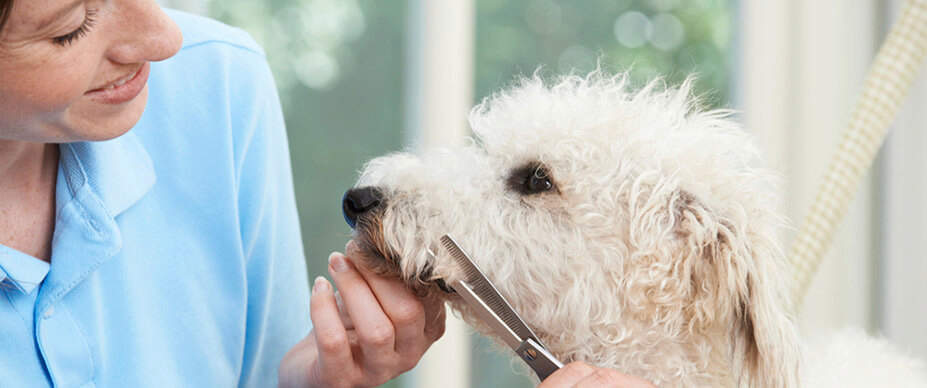
To ensure clean and safe trimming of your dog’s eyebrows, it’s essential to have the right grooming tools at your disposal. The right tools not only make the process easier but also help to achieve the desired look without causing any distress to your furry friend. Below is a detailed description of the necessary tools, along with tips for selecting high-quality options and safety precautions to keep in mind.
Essential Grooming Tools
The following tools are vital for successfully trimming your dog’s eyebrows. Selecting high-quality grooming products will contribute to a better experience for both you and your pet.
- Rounded-tip Scissors: These scissors are specifically designed to reduce the risk of injury, with rounded tips that prevent accidental cuts. Look for scissors made with stainless steel for durability.
- Grooming Comb: A fine-toothed comb helps detangle hair and align it for a more precise cut. Choose a comb that is comfortable to hold and easy to maneuver.
- Thinning Shears: Ideal for blending and creating a natural look, thinning shears should have a comfortable grip and a smooth cutting action.
- Dog-Safe Brush: A soft brush helps remove loose hair and keeps the eyebrows looking tidy before trimming.
- Apron or Towel: To keep your workspace clean, a grooming apron or towel can catch falling hair and prevent messes.
Choosing High-Quality Scissors and Combs
When selecting scissors and combs for eyebrow trimming, consider the following points to ensure you make the best choice for your dog’s grooming needs.
- Material Quality: Opt for tools made of high-grade stainless steel, as they offer better longevity and resistance to rust.
- Ergonomic Design: Tools should have ergonomic handles to prevent strain during prolonged use, ensuring comfort for you while grooming.
- Sharpness: Ensure that the scissors are sharp enough to make clean cuts without pulling or tugging on the hair, which can cause discomfort.
- Size: Select scissors and combs that fit well in your hands. A comfortable size will give you better control during trimming.
Safety Tools and Precautions
To minimize the risk of accidental cuts during the grooming process, it’s crucial to implement safety measures and use designated tools.
- Protective Goggles: Wearing protective goggles can shield your eyes from hair and debris, particularly if your dog tends to move around while being groomed.
- Styptic Powder: Keep styptic powder on hand to stop bleeding in case of minor cuts. This can be critical for quick first aid.
- Leash or Restraint: Utilizing a gentle leash or grooming restraint can help keep your dog calm and still, reducing the chance of accidents.
- Non-slip Mat: A non-slip mat can provide stability for your dog, ensuring they don’t slip or move unexpectedly during the trimming process.
Preparing Your Dog for the Grooming Session
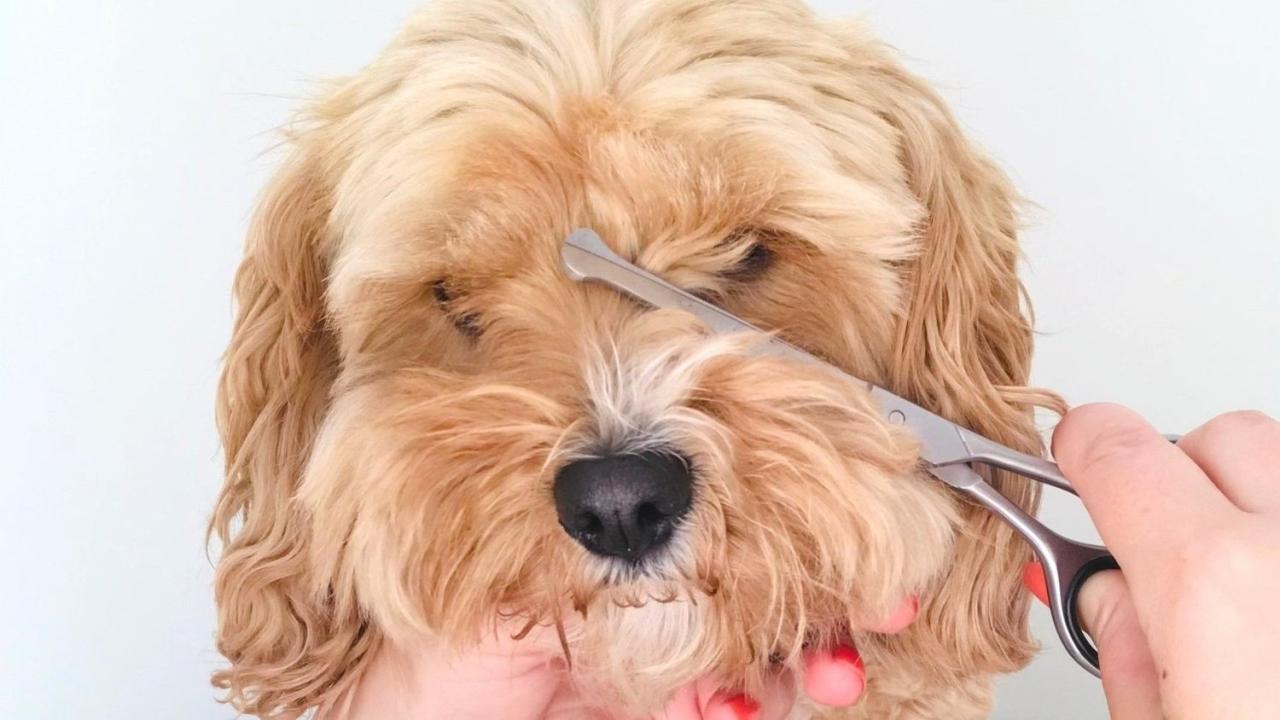
Creating a positive experience for your dog during the grooming session is essential for a successful outcome. Proper preparation not only helps to calm your pet but also ensures that they become accustomed to the grooming tools and procedures. A well-prepared dog is more likely to cooperate during eyebrow trimming, making the process smoother for both you and your furry friend.To begin, it’s important to acclimate your dog to the grooming tools you will be using.
This acclimatization can significantly reduce anxiety and fear associated with grooming. Here are some steps to effectively prepare your dog:
Acclimating Your Dog to Grooming Tools
Start by introducing the grooming tools gradually. This method allows your dog to explore and become familiar with the tools without feeling overwhelmed. Consider the following steps:
- Choose a calm moment to introduce the tools, ensuring your dog is relaxed.
- Allow your dog to sniff and investigate the grooming tools while offering gentle praise.
- Gradually engage with the tools near your dog, allowing them to hear any noises they may produce.
- Reward your dog with treats and affection each time they show calm behavior around the tools.
A calm environment is crucial during the grooming session. Dogs can easily pick up on their owner’s stress or anxiety, which can lead to restlessness or fear.
Importance of a Calm Environment
Establishing a serene atmosphere helps to create a positive grooming experience. Here are some strategies to maintain a calm environment:
- Choose a quiet location free from distractions such as loud noises or other pets.
- Use soft lighting to create a soothing ambiance, making the space more inviting.
- Play calming music or soft sounds that can help to relax your dog during the session.
- Ensure that your dog is physically comfortable and secure, using a non-slip mat if needed.
Finally, rewarding and reassuring your dog throughout the grooming process is vital. Positive reinforcement can encourage good behavior and reduce any anxiety associated with the trimming.
Methods to Reward and Reassure Your Dog
To ensure your dog feels at ease, incorporate these rewarding techniques during the grooming session:
- Offer small treats at intervals, especially after achieving a grooming milestone.
- Speak in a calm, soothing voice to reassure your dog that they are safe.
- Engage in gentle petting and affectionate touches to build trust and comfort.
- Take breaks if your dog shows signs of stress, allowing them to relax before continuing.
By preparing your dog thoughtfully for the grooming session, you create a more enjoyable and less stressful experience for both of you. These strategies not only foster familiarity with the grooming tools but also promote a sense of security and positive reinforcement throughout the process.
Step-by-Step Guide to Trimming Eyebrows
Trimming your dog’s eyebrows is an essential grooming task that not only enhances their appearance but also contributes to their overall comfort and hygiene. A neat trim helps prevent obstructed vision from overgrown hair, ensuring your furry friend remains happy and healthy. The following guide provides a detailed procedure for performing this task efficiently and safely.Positioning is crucial for both the groomer and the dog to ensure a smooth grooming experience.
The dog should be in a calm state, ideally seated on a non-slippery surface or grooming table. The groomer should be positioned comfortably, either kneeling or standing, ensuring they have ample space to maneuver their tools without risk of accidents.
Preparation and Setup
Before beginning the trimming process, it is important to gather all necessary tools and prepare both the environment and the dog. This preparation includes:
- Gather Supplies: Ensure you have high-quality grooming scissors, a comb, and treats for positive reinforcement.
- Calm Your Dog: Spend a few moments petting or talking to your dog to help them relax and become accustomed to the grooming area.
- Choose a Well-Lit Space: Ensure that the grooming area is bright so that you can clearly see the dog’s eyebrows and any hair that needs trimming.
Trimming Technique
The technique used while trimming eyebrows is crucial for achieving a neat look without risking injury to the dog. Follow these steps for effective eyebrow trimming:
- Comb the Fur: Use a comb to gently brush the dog’s eyebrows upwards, separating the hairs for a clearer view of what needs trimming.
- Hold the Scissors Correctly: Grasp the scissors with your dominant hand, keeping your fingers around the handle while using your thumb and index finger to stabilize the blades. This grip allows for finer control during the trim.
- Control the Length of the Cut: To ensure an even cut, hold the scissors parallel to the brow line. Trim small amounts at a time, starting from the outer edges and working towards the center. This method prevents cutting too much hair.
- Check for Symmetry: Frequently step back to assess both eyebrows for balance. Adjust as necessary, taking care to keep the cut gradual and natural-looking.
- Reward Your Dog: After trimming, praise your dog and offer a treat. This positive reinforcement helps to associate grooming with a pleasant experience, making future sessions easier.
Regular grooming, including eyebrow trimming, is essential for maintaining your dog’s vision and comfort.
Common Mistakes to Avoid
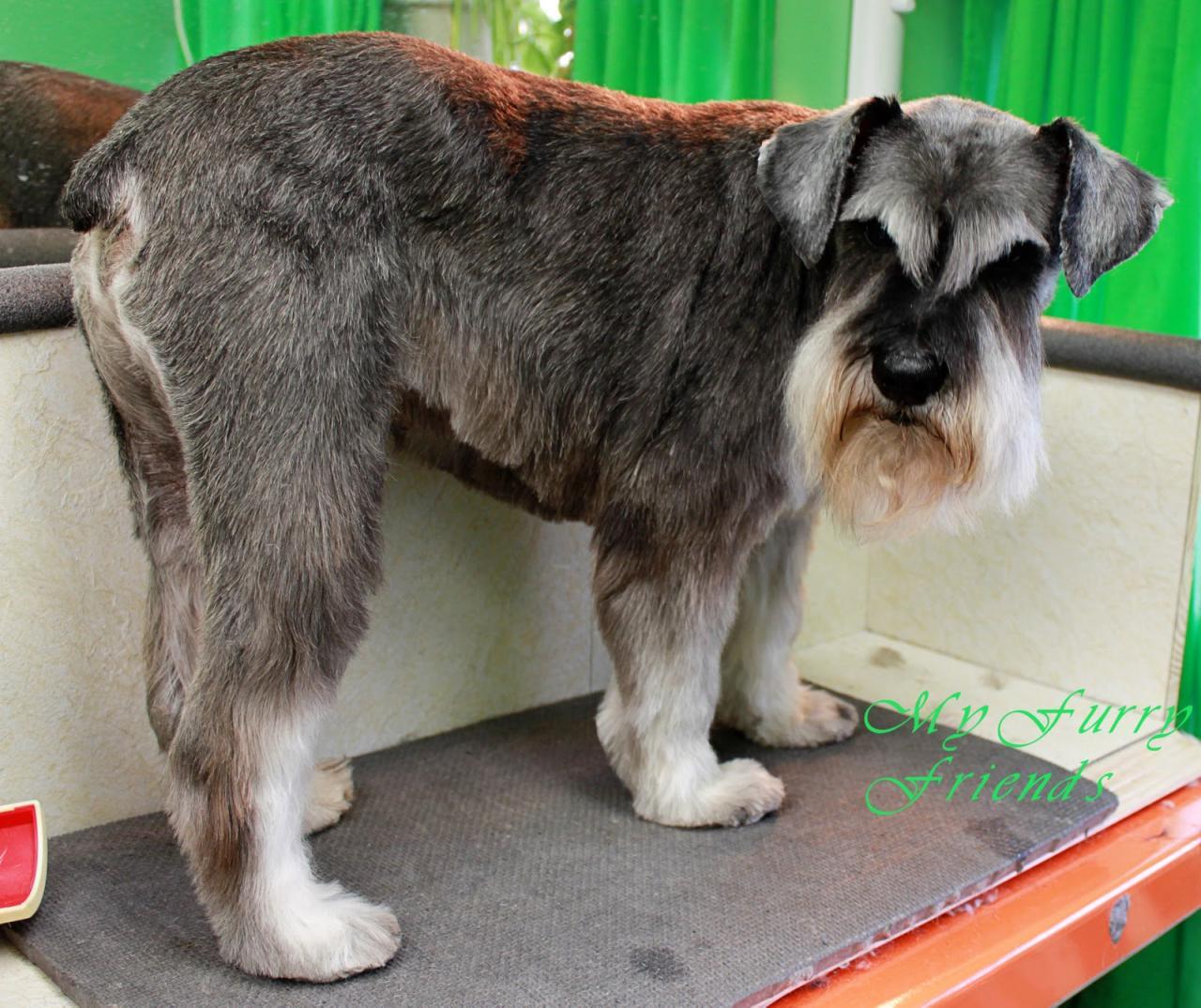
Trimming your dog’s eyebrows can be a delicate task, often leading to common errors that may affect both the appearance of your dog and their comfort. Understanding these mistakes can prevent mishaps and ensure a more pleasant grooming experience for both you and your pet. In this section, we will explore the typical errors made during eyebrow trimming and how to correct them effectively.
Typical Errors in Eyebrow Trimming
Several mistakes can occur during the eyebrow trimming process that may yield undesirable results. Recognizing these errors can enhance your grooming technique and promote your dog’s well-being.
- Over-Trimming: One of the most frequent mistakes is cutting too much hair, which can lead to an unnatural look. It’s essential to trim gradually, assessing the length after each cut.
- Neglecting the Shape: Many amateur groomers fail to consider the overall shape of the eyebrows in relation to the dog’s face. Aim for a balance that complements the dog’s features.
- Using Incorrect Tools: Utilizing inappropriate tools can result in uneven cuts or pulling at the hair. Ensure that you have high-quality grooming scissors specifically designed for pet grooming.
- Inadequate Lighting: Poor lighting can hinder visibility, leading to mistakes. Always groom in a well-lit area to ensure precision in your trimming.
- Ignoring Dog’s Comfort: Failing to keep your dog calm can lead to sudden movements, increasing the chance of accidents. Proper preparation and a gentle approach are vital.
Correcting Mistakes During Grooming
Even with the best intentions, mistakes can happen while trimming your dog’s eyebrows. Understanding how to rectify these errors can mitigate potential issues.
- For Over-Trimming: If too much hair has been removed, allow the hair to grow back naturally. In the meantime, you may enhance the appearance with a careful brushing to maintain a tidy look.
- Shape Adjustment: If the shape is unbalanced, consider using a little dog-safe hair gel to sculpt the remaining hairs until the eyebrows grow out to a more favorable length.
- Tool Replacement: If you realize that your tools were ineffective, switch to proper grooming scissors immediately. This change can significantly improve your results in future trims.
- Improving Lighting: If you note visibility issues during grooming, adjust your setup with additional lighting sources to ensure clarity for precise cutting.
- Calming Techniques: If your dog becomes anxious, take a break and engage in calming activities, such as gentle petting or offering a favorite treat, before resuming the grooming session.
Comparison of Professional and Amateur Techniques
Understanding the difference between professional grooming techniques and common amateur errors can provide significant insight into achieving better results.
- Professional Trimming: Groomers often use a combination of tools and techniques, such as thinning shears and clippers, to achieve a well-blended finish, while amateurs may rely solely on scissors.
- Attention to Detail: Professionals meticulously study the dog’s face shape and proportions, allowing them to create a complimentary eyebrow shape, whereas amateurs may overlook these nuances.
- Experience: Professional groomers leverage years of experience, allowing them to navigate potential pitfalls confidently, whereas less experienced groomers may struggle with basic techniques.
- Calming Methods: Professionals are trained in various techniques to keep dogs calm and comfortable, reducing the likelihood of accidents during grooming compared to amateur approaches.
Maintaining Eyebrow Grooming Routine
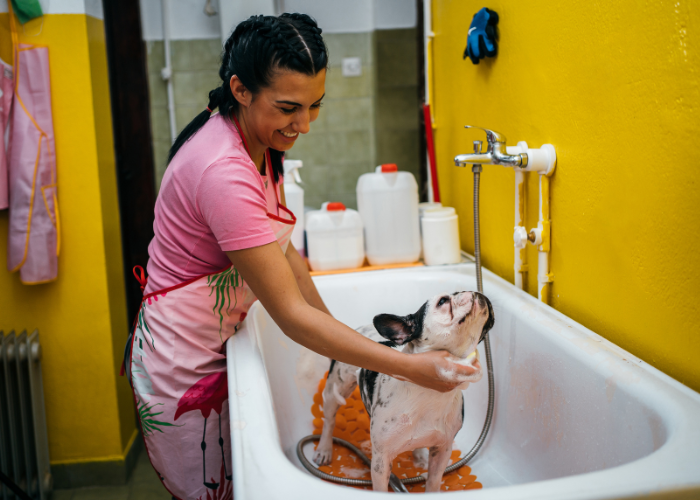
Regular eyebrow grooming is essential for maintaining your dog’s appearance and overall hygiene. Establishing a consistent grooming routine will not only keep your dog’s eyebrows looking neat but also contribute to their comfort and well-being. A well-groomed dog is more likely to have a positive experience during grooming sessions and less prone to issues like matting or irritation around the eyes.Recognizing when your dog needs a trim is crucial to keeping their eyebrows looking tidy.
Dogs may exhibit certain behaviors or physical signs indicating it’s time for grooming. Observing these signs can help you maintain their eyebrows in optimal condition.
Suggested Schedule for Regular Eyebrow Maintenance
Establishing a grooming schedule is vital to ensure that your dog’s eyebrows are consistently well-maintained. The following is a recommended timeline for eyebrow maintenance:
- Every 4 to 6 weeks: Schedule a comprehensive grooming session, which includes trimming the eyebrows, checking for matting, and assessing overall coat condition.
- Weekly: Spend a few minutes brushing your dog’s eyebrows to prevent tangles and remove debris.
- As needed: Monitor your dog’s eyebrows regularly and perform touch-up trims if you notice any unruly hairs or excessive growth.
Recognizing the signs that your dog’s eyebrows need attention can prevent more significant grooming issues. Pay attention to the following indicators:
Recognizing When Your Dog Needs a Trim
Understanding when to trim your dog’s eyebrows can help you maintain their appearance and comfort. Keep an eye out for the following signs:
- Obstructed vision: If your dog struggles to see due to long hair falling over their eyes, it’s time for a trim.
- Frequent eye rubbing: Dogs may rub their eyes with their paws if their eyebrows are too long or causing irritation.
- Visible tangling or matting: If you notice tangles or knots developing in the eyebrow area, it’s a clear sign that trimming is necessary.
- Excessive shedding or debris accumulation: Frequent accumulation of dirt or debris in the eyebrow area indicates that it’s time to groom.
Post-grooming care is just as important as the trimming process itself. Following the grooming session, implementing a checklist for ensuring well-maintained eyebrows can help keep your dog’s look polished.
Checklist for Post-Grooming Care
After grooming your dog’s eyebrows, a systematic post-grooming care routine will help maintain their neat appearance. Consider the following checklist:
- Inspect the area: Check for any missed hairs or uneven spots after trimming.
- Brush gently: Use a fine-toothed comb or a soft brush to remove loose hairs and prevent matting.
- Clean around the eyes: Use a damp cloth to wipe away any debris or discharge around the eye area.
- Reward your dog: Provide a treat or praise to create a positive association with grooming sessions.
- Monitor for irritation: Keep an eye on the eyebrow area for any signs of redness or discomfort in the days following grooming.
Addressing Behavioral Issues During Grooming
Grooming can be a stressful experience for many dogs, especially when it comes to sensitive areas like their eyebrows. Addressing behavioral issues during grooming is crucial to ensure a smooth and positive experience for both the dog and the groomer. By implementing effective strategies and techniques, you can help your dog remain calm and cooperative throughout the grooming session.
Strategies for Dealing with Anxious Dogs
Anxiety during grooming can lead to resistance or aggressive behavior, making the process more challenging. To help manage an anxious dog, consider the following strategies:
- Create a Calm Environment: Ensure the grooming space is quiet and free from distractions. Soft music or the presence of familiar items can help to ease anxiety.
- Desensitization Techniques: Gradually expose your dog to grooming tools and processes. Allow them to sniff and investigate the tools before starting the grooming session.
- Short Sessions: Begin with brief grooming sessions to build your dog’s tolerance. Gradually increase the duration as they become more comfortable.
Techniques for Keeping Your Dog Still and Cooperative
A cooperative dog is essential for effective grooming, especially when trimming eyebrows. Employ these techniques to keep your dog calm and still:
- Use a Restraint Harness: A restraint harness can help keep your dog stable without causing discomfort, allowing you to groom them safely.
- Positioning: Keep your dog in a comfortable position. Use a non-slip surface or grooming table to prevent slipping, which can add to anxiety.
- Distraction Methods: Utilize toys or treats to keep your dog’s attention focused during the grooming process. Interactive toys can serve as a great distraction.
Significance of Positive Reinforcement in Grooming Sessions
Incorporating positive reinforcement into grooming sessions is crucial for building a trusting relationship with your dog. Rewarding your dog for good behavior during grooming can yield significant benefits:
- Builds Positive Associations: Associating grooming with rewards helps your dog view the experience as positive rather than stressful.
- Encourages Good Behavior: Offering treats or praise for remaining still and calm encourages your dog to repeat that behavior in future grooming sessions.
- Strengthens Bonding: Positive interactions during grooming sessions foster a sense of trust and strengthen the bond between you and your dog.
“Positive reinforcement is not just a training tool; it is a powerful approach to enhance your dog’s overall grooming experience.”
By implementing these strategies and techniques, you can effectively manage behavioral issues during grooming, making it a more pleasant experience for both you and your dog. Remember that patience and consistency are key components in building your dog’s comfort with grooming.
Alternatives to Home Grooming
Selecting the right grooming approach for your dog is essential for their health and well-being. While some dog owners find great satisfaction in grooming their pets at home, there are instances where professional grooming services may be more appropriate. Understanding the circumstances that warrant a visit to a professional groomer can significantly enhance the grooming experience for both you and your dog.When contemplating whether to choose professional grooming services, it is crucial to evaluate several factors that can influence your decision.
The following points Artikel the considerations you should take into account:
Factors to Evaluate Before Opting for a Groomer
Assessing the need for a professional groomer can be informed by multiple factors. These elements will help ensure that both you and your dog receive the best care possible.
- Dog’s Coat Type: Some breeds require specialized grooming techniques due to their coat texture or length. For instance, poodles, with their dense coats, often require professional grooming to maintain their appearance.
- Grooming Experience: If you are inexperienced with grooming tools and techniques, enlisting a professional may prevent accidental cuts or injuries to your dog.
- Dog’s Temperament: Some dogs may experience anxiety or fear during grooming sessions. A professional groomer is trained to handle such situations with care and expertise.
- Health Issues: Dogs with certain medical conditions may require specialized grooming services. For example, older dogs or those with mobility issues may benefit from the assistance of a professional groomer.
- Time Constraints: If your schedule is limited, a professional groomer can efficiently handle the grooming process, saving you valuable time.
Understanding the benefits of both home grooming and professional services can better inform your decision-making process.
Comparison of Home Grooming and Professional Services
Both home grooming and professional grooming services come with their own sets of advantages. A clear comparison can help you choose the best option for your dog’s specific grooming needs.
- Home Grooming: This approach allows for a personal touch, creating a bond between you and your dog. It can also save money over time, as you are not incurring costs for professional services.
- Professional Grooming: Professionals offer advanced skills, specialized tools, and experience that may not be available at home. They can manage difficult grooming tasks like dematting or handling aggressive behavior more effectively.
- Convenience and Time: Professional groomers often work quickly, providing a thorough grooming experience without requiring you to invest extensive time or effort.
- Comprehensive Services: Many professional groomers provide additional services such as nail trimming, teeth cleaning, and spa treatments that may not be practical to perform at home.
“Choosing between home grooming and professional services should be based on your dog’s needs, your skill level, and the time you can dedicate to grooming.”
Last Word
In conclusion, mastering the art of trimming your dog’s eyebrows is not just about appearance; it enhances their comfort and well-being, making grooming a rewarding experience for both pet and owner. By adhering to the Artikeld procedures and tips, you will not only achieve a professional-looking result but also cultivate a trusting relationship with your dog during grooming sessions.