Understanding how to clean tear stains on a white dog is crucial for maintaining not only their appearance but also their health. These unsightly stains, often caused by excessive tearing, can be a source of discomfort and even lead to serious health issues if left unaddressed. As white dog breeds are particularly susceptible, it becomes essential for pet owners to tackle this common problem with effective solutions and preventive measures.
In this guide, we will explore the causes of tear stains, the importance of cleaning them, and various methods to ensure your beloved companion remains healthy and looking their best. With the right knowledge and techniques, keeping your dog’s face clean can be a simple and rewarding task.
Overview of Tear Stains on White Dogs
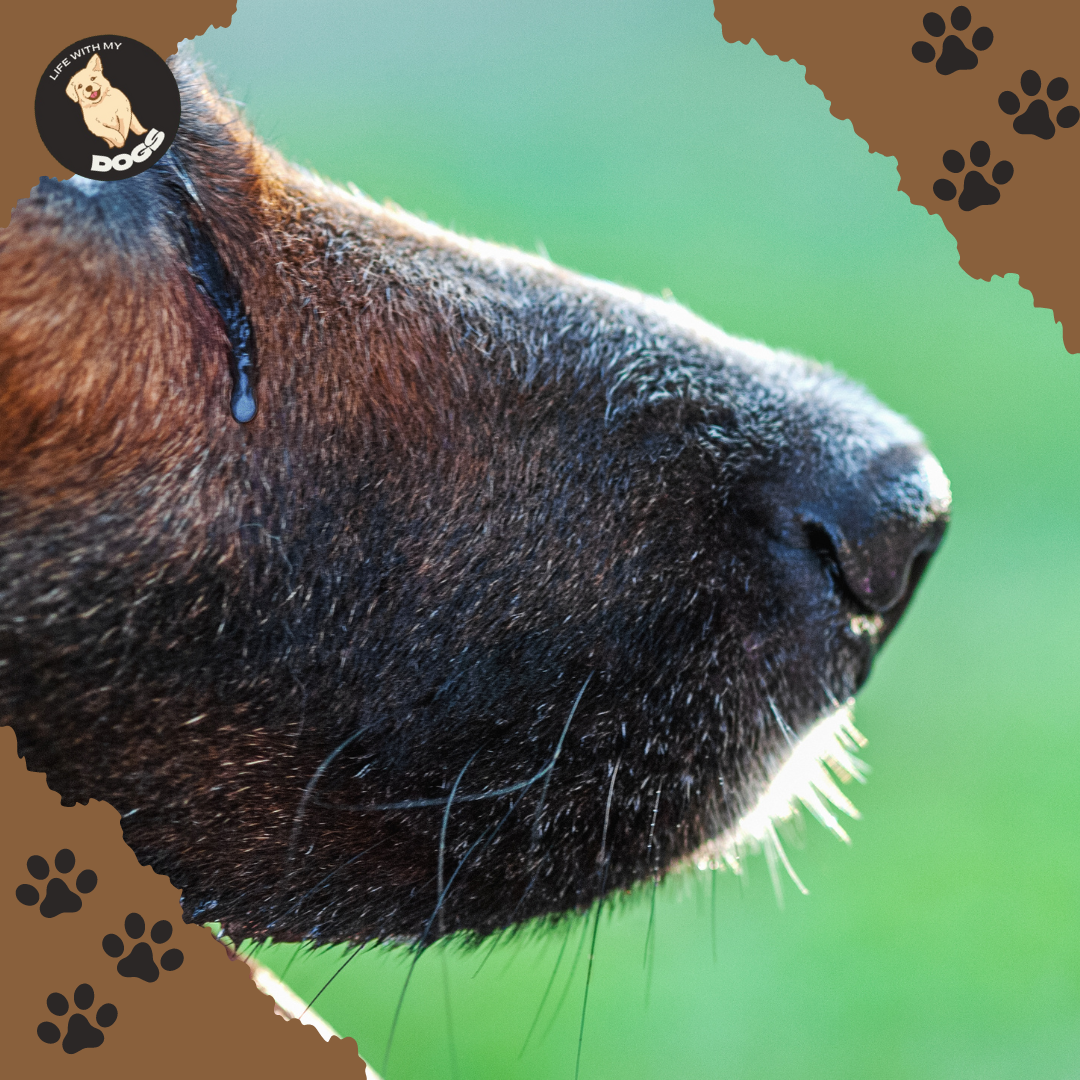
Tear stains are a common concern among pet owners, particularly those with white dog breeds. These unsightly marks, often seen under the eyes, can be troubling not only for aesthetic reasons but also for the comfort and health of the dog. Understanding the underlying causes and symptoms of tear stains is essential for effective prevention and treatment.The primary cause of tear stains in white dog breeds is excessive tearing, also known as epiphora.
This condition can result from various factors, including allergies, irritants, or anatomical issues such as narrow tear ducts. Tear stains occur when the tears overflow and stain the fur, often leading to a reddish-brown discoloration due to the presence of porphyrin, a pigment found in tears. In addition to appearance, tear stains can be associated with discomfort, as moisture can lead to skin infections if not properly managed.
Breeds Prone to Tear Stains
Certain dog breeds are more prone to developing tear stains due to genetic factors and physical characteristics. The following breeds commonly experience this issue:
- Bichon Frise: Known for their white, fluffy coats, Bichon Frises often suffer from excessive tearing, resulting in noticeable stains.
- Malteses: This breed’s long, silky fur is particularly susceptible to discoloration from tear stains.
- Shih Tzus: The facial structure of Shih Tzus can contribute to tear retention, leading to staining under their eyes.
- Pekingese: With prominent eyes and a flat face, Pekingese are also prone to tear accumulation and resultant stains.
- Yorkshire Terriers: Their fine hair can easily show tear stains, making them a concern for owners.
The importance of recognizing these breeds and their tendency toward tear stains lies in the proactive measures that can be taken to mitigate the problem. Regular grooming, maintaining eye hygiene, and consulting with a veterinarian for potential underlying health issues are critical steps for managing tear stains effectively.
Importance of Cleaning Tear Stains
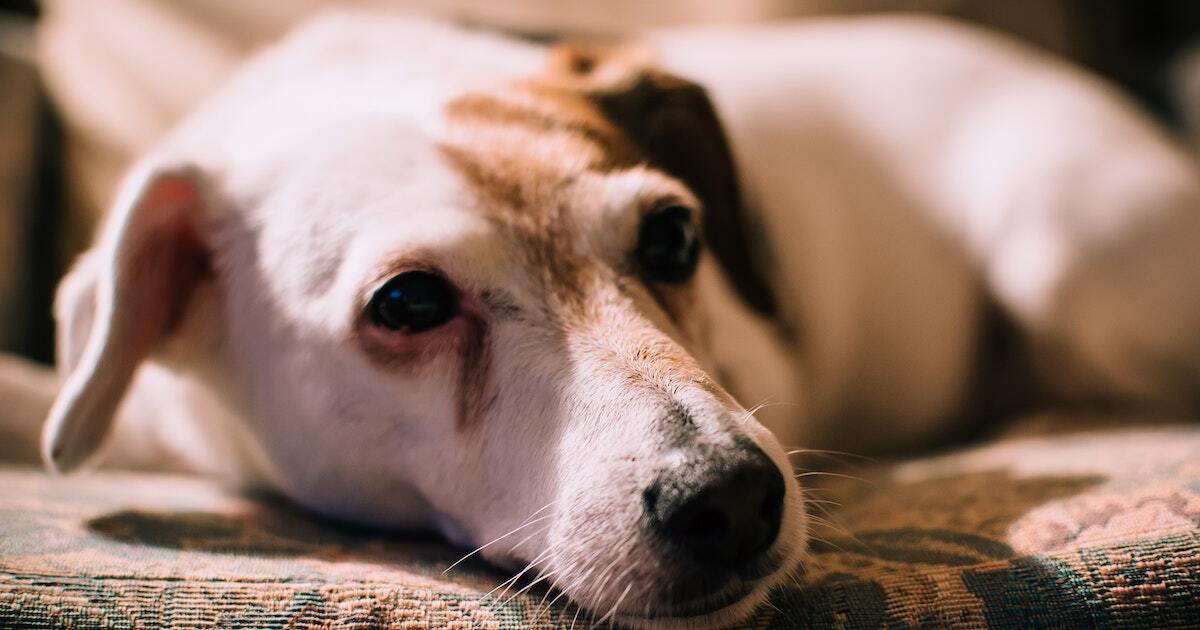
Cleaning tear stains on white dogs is vital not only for aesthetic reasons but also for the overall health of the animal. Tear stains can accumulate due to various factors, including allergies, diet, and health issues, leading to potential problems if left unattended. Regular cleaning helps maintain your dog’s health and enhances its appearance.Maintaining a clean appearance is essential for several reasons, including socialization and the perception of the dog’s well-being.
A dog with unsightly tear stains can attract unwanted attention and may be associated with neglect. Moreover, persistent tear staining can indicate underlying health issues that require attention, thus making cleaning an integral part of responsible pet care.
Health Implications of Untreated Tear Stains
Untreated tear stains can lead to various health complications, making it crucial to address them promptly. Here are some potential health issues related to neglected tear stains:
- Tear stains can cause skin irritation, leading to dermatitis or other skin infections.
- Excess moisture around the eyes can promote the growth of bacteria, resulting in conjunctivitis or other eye infections.
- Chronic tearing may be a symptom of underlying health problems such as blocked tear ducts or eye allergies, which necessitate veterinary intervention.
- IF the stains are not cleaned, they can become a habitat for parasites like fleas or ticks, which could further complicate your dog’s health.
Regular cleaning of tear stains not only improves your dog’s appearance but also serves as a preventive measure against potential health issues.
Materials Needed for Cleaning Tear Stains
Cleaning tear stains on white dogs requires specific materials that are safe and effective. Understanding these materials is crucial for maintaining your dog’s appearance and health. By using the right products and tools, you can ensure that the cleaning process is both efficient and gentle on your pet’s skin.When embarking on the task of cleaning tear stains, it is essential to select products that are specifically formulated for dogs in order to avoid any harmful effects.
Below is a list of cleaning products that are considered safe for canine use.
Safe Cleaning Products for Dogs
It is important to choose products that will safely and effectively target tear stains. The following list Artikels suitable cleaning products:
- Dog-specific tear stain removers: These are formulated to gently clean and remove discoloration without harm.
- Coconut oil: Known for its antibacterial properties, it can help in cleaning and soothing the skin.
- Witch hazel: This natural astringent can be used to clean the area around the eyes.
- Baby wipes: Unscented and alcohol-free options are ideal for a gentle clean.
- Apple cider vinegar: Diluted with water, it can help in breaking down stains.
To effectively clean tear stains, certain tools are also necessary. The following tools can enhance the cleaning process:
Tools Required for Effective Cleaning
Using the right tools can make the cleaning process much easier and more effective. The following items are recommended:
- Soft cloth or cotton pads: These should be gentle to avoid irritating the delicate skin around the eyes.
- Small bowl: Used to mix cleaning solutions and hold water.
- Brush: A soft-bristled brush can help remove debris or crusty build-up.
- Tweezers: For any stubborn stains, these can help lift away debris without harming your dog.
When considering how to best address tear stains, both homemade solutions and commercial products are viable options. Below is a comparative table highlighting the benefits of each.
Homemade Solutions Versus Commercial Products
Choosing between homemade and commercial products for cleaning tear stains has its benefits. Below is a table summarizing the two approaches:
| Type | Benefits |
|---|---|
| Homemade Solutions |
|
| Commercial Products |
|
“Selecting the right materials is essential for maintaining your dog’s health and appearance.”
Step-by-Step Cleaning Procedure
Maintaining a white dog’s coat involves more than just regular grooming; it also requires careful attention to tear stains, which can be unsightly if not managed properly. A systematic cleaning procedure can help you effectively remove these stains while ensuring your dog’s comfort and health. Below, you will find a detailed guide that Artikels the essential steps.
Preparation for Cleaning
Before initiating the cleaning process, it is crucial to gather all necessary materials and create a comfortable environment for your dog. The following steps will guide you through the preparations needed for effective tear stain cleaning.
- Gather Materials: Collect all your cleaning supplies, which may include a gentle tear stain remover solution (either commercial or homemade), cotton balls or pads, a soft towel, and a brush.
- Choose a Comfortable Space: Select a well-lit and quiet area where your dog feels at ease. This can reduce anxiety for both you and your pet during the cleaning process.
- Prepare Your Dog: Ensure your dog is calm and relaxed. You may want to have treats on hand for positive reinforcement when your dog behaves well during the cleaning process.
Application of Cleaning Solutions
Using the correct technique for applying the cleaning solution is essential for achieving the best results while minimizing discomfort for your dog. Follow these steps for proper application.
Always conduct a patch test on a small area of your dog’s skin to check for any adverse reactions before using a new cleaning solution.
- Moisten the Cotton Ball: Apply a small amount of the tear stain remover solution to a cotton ball or pad. Ensure it is damp but not overly saturated to prevent dripping.
- Gently Wipe the Affected Area: With the moistened cotton ball, gently wipe the stained area under your dog’s eyes. Use a soft, sweeping motion, moving from the inner corner of the eye outward.
- Repeat if Necessary: For stubborn stains, you may need to repeat the process a couple of times. Use a fresh cotton ball for each application to avoid transferring bacteria.
- Pat Dry: After cleaning, use a soft towel to gently pat the area dry. This helps prevent moisture buildup, which can contribute to further staining.
Preventing Skin Irritation
While cleaning tear stains, it is essential to take precautions to prevent any irritation to your dog’s sensitive skin. Here are some guidelines to ensure a safe cleaning experience.
- Avoid Harsh Chemicals: Choose gentle, pet-safe cleaning products that do not contain alcohol or other harsh ingredients that may irritate the skin.
- Limit Cleaning Frequency: Over-cleaning can irritate your dog’s skin. Aim to clean tear stains no more than once or twice a week, depending on your dog’s needs.
- Monitor Skin Condition: After cleaning, observe the area for any signs of redness, swelling, or discomfort. If irritation occurs, discontinue use of the product and consult your veterinarian.
Home Remedies for Tear Stains
Tear stains can be a common issue for white dogs, and many pet owners seek natural solutions for this problem. Home remedies offer an effective and often gentle alternative to commercial products, utilizing everyday household items that are safe for your pet. It is important, however, to choose remedies that not only clean the stains but also promote the overall health of your dog’s skin and coat.
Several natural solutions can help in cleaning tear stains effectively. Below are some recommended recipes using common ingredients that can be found in most households. Each remedy is accompanied by notes on its effectiveness and precautions to observe.
Natural Solutions for Tear Stains
The following recipes are simple to prepare and can be incorporated into your dog’s grooming routine. It is essential to monitor your dog for any signs of irritation or allergic reactions when trying these remedies for the first time.
- Apple Cider Vinegar Solution: Mix one part apple cider vinegar with one part water. Soak a clean cloth in the solution and gently wipe the stained areas. Apple cider vinegar has antibacterial properties and can help balance the skin’s pH level.
- Coconut Oil Application: Apply a small amount of coconut oil directly onto the tear-stained areas. Coconut oil is known for its moisturizing and antibacterial properties. It can also help soothe any irritation.
- Chamomile Tea Wash: Brew chamomile tea, let it cool, and use it to wipe the stained areas. Chamomile has anti-inflammatory properties that can help reduce irritation and redness.
- Hydrogen Peroxide and Water Mix: Create a solution of one part hydrogen peroxide to ten parts water. With a cotton ball, gently dab the affected areas. This remedy should be used cautiously, as hydrogen peroxide can be too harsh if not properly diluted.
When using any home remedy, it is crucial to observe your pet for any adverse reactions. If you notice any signs of discomfort or worsening of the condition, discontinue use immediately and consult your veterinarian.
Ingredients to Avoid When Treating Tear Stains
Certain ingredients can aggravate your dog’s skin or cause allergic reactions. It is vital to avoid the following substances when treating tear stains:
- Alcohol-based products
- Fragrances or artificial colors
- Essential oils that are not pet-safe
- Harsh cleaning agents or detergents
- Products containing sulfates or parabens
Using gentle, natural ingredients will help ensure the safety and well-being of your beloved pet.
Regular Maintenance and Prevention
Maintaining a white dog’s appearance goes beyond occasional cleaning; it involves adopting a routine that prevents tear stains from forming. Regular grooming and cleaning practices can significantly reduce the incidence of tear stains, contributing to the overall health and well-being of your pet. To effectively prevent tear stains, it’s crucial to incorporate consistent grooming practices into your daily routine. These practices not only help maintain your dog’s coat but also promote skin health and hygiene.
A well-maintained coat is less likely to trap moisture and debris, which contribute to tear staining.
Daily Grooming Practices to Prevent Tear Stains
Incorporating specific grooming habits can greatly assist in preventing tear stains from accumulating on your white dog. The following practices should be part of your daily routine:
- Daily Wiping: Gently wipe the area around your dog’s eyes with a soft, damp cloth or a pet-safe wipe to remove debris and excess moisture.
- Regular Brushing: Brush your dog’s fur daily to keep it clean and free from tangles, which can trap moisture and dirt.
- Inspecting the Eyes: Check your dog’s eyes for any signs of irritation or excessive tearing, ensuring that any underlying issues are addressed promptly.
Weekly Maintenance Schedule for Cleaning and Grooming
Establishing a structured weekly maintenance schedule can ensure that grooming remains a priority in your dog care routine. This schedule should include specific tasks aimed at reducing tear stains effectively. Consider the following weekly grooming tasks:
- Deep Cleaning: Once a week, use a gentle cleanser specifically designed for dogs to bathe the face, focusing on the eyes.
- Nail Trimming: Regularly trim your dog’s nails to prevent them from scratching the face and causing irritation, which can worsen tear stains.
- Ear Cleaning: Clean your dog’s ears weekly to prevent any infections that could contribute to increased moisture around the eyes.
Dietary Adjustments That May Help Reduce Tear Staining
Diet plays a significant role in a dog’s overall health, including the condition of their eyes. Certain dietary adjustments can aid in reducing tear staining. Ensuring your dog is on a balanced diet that includes high-quality ingredients can mitigate potential allergens and irritants. Consider the following dietary adjustments:
- High-Quality Dog Food: Opt for premium dog food that contains natural ingredients without fillers, which can contribute to tear staining.
- Hydration: Ensure your dog has access to fresh water at all times, as proper hydration can reduce tear production.
- Supplements: Consult your veterinarian about omega fatty acids or probiotics that may improve coat health and reduce staining.
Regular grooming and dietary care not only enhance your dog’s appearance but also promote their overall health and comfort.
When to Seek Professional Help

In caring for a white dog, it is crucial to be vigilant about their overall health, particularly when it comes to tear stains. While minor cases can often be addressed at home, there are certain signs that indicate the need for professional veterinary assistance. Understanding these indicators can prevent further complications and ensure that your pet remains healthy and comfortable.Signs that indicate a need for veterinary assistance can include persistent or excessive tearing, which may suggest underlying health issues.
Other signs to watch for are discoloration of the skin around the eyes, foul odor, or the presence of swelling. These symptoms may point to infections or other conditions, necessitating professional evaluation.
Potential Medical Treatments for Severe Cases
In cases where tear stains are a manifestation of a more serious health problem, veterinary intervention becomes essential. Common medical treatments available for severe cases may include:
- Antibiotics: If the tear stains are caused by bacterial infections, your veterinarian may prescribe antibiotics to help clear the infection.
- Anti-inflammatory medications: These can help reduce swelling and discomfort associated with the underlying issue causing excessive tearing.
- Eye drops: If the cause is linked to allergies or irritation, your veterinarian may recommend specialized eye drops to soothe the eyes and reduce tearing.
- Surgical options: In some instances, corrective surgery may be necessary to address anatomical issues contributing to tear production, such as blocked tear ducts.
Many dog owners have shared their experiences regarding professional interventions for tear stains. For instance, a Shih Tzu owner noted that after several attempts at home remedies, they sought veterinary help due to persistent staining and discomfort. The veterinarian diagnosed the dog with a blocked tear duct and recommended a minor surgical procedure, which successfully resolved the issue. Another owner of a Maltese reported that routine veterinary check-ups helped catch an underlying allergy that caused tearing, allowing for targeted treatment to manage the condition effectively.Given the potential complexities of tear stains and their causes, it is prudent to consult a veterinarian if you observe any concerning signs.
Early intervention can save your pet from unnecessary discomfort and ensure they maintain optimal health.
Myths and Misconceptions

Tear stains on white dogs are often shrouded in various myths and misconceptions that can lead to misunderstandings about their causes and treatments. Addressing these myths is essential for dog owners who wish to maintain the health and appearance of their pets. This section aims to clarify prevalent myths with scientific facts, allowing dog owners to make informed decisions regarding their furry companions.
Common Myths about Tear Stains
There are several commonly held beliefs about tear stains that do not hold up to scientific scrutiny. Understanding these myths can help pet owners avoid ineffective treatments and practices.
- Myth: Tear stains are caused by the lack of cleanliness. It is a common belief that tear stains result solely from poor hygiene. In reality, while regular cleaning can help, the underlying causes often include genetic predispositions, diet, and eye conditions.
- Myth: Tear stains are harmless and do not require treatment. Some owners believe tear stains are merely a cosmetic issue. However, persistent tear staining can indicate underlying health issues, such as eye infections or blocked tear ducts, which may require veterinary intervention.
- Myth: All tear stains can be treated with home remedies. While some home remedies can be effective, they are not universally applicable. Each dog may respond differently, and some cases may require professional treatment or specific veterinary-approved solutions.
Scientific Facts on Tear Stains
Understanding the scientific basis behind tear stains provides clarity that dispels the myths. Numerous factors contribute to tear production and staining, which include:
- Genetics: Breeds such as Maltese, Poodles, and Bulldog breeds are genetically predisposed to produce more tears due to their facial structure and tear duct anomalies.
- Diet: Poor-quality food or certain ingredients can trigger allergies leading to tear staining. High-quality diets rich in omega fatty acids may help reduce tear production.
- Health concerns: Conditions such as conjunctivitis, entropion, or excessive tear production due to environmental factors can lead to staining and require medical attention.
Frequently Asked Questions About Tear Stains
To further assist dog owners, here are some frequently asked questions with factual answers regarding tear stains:
It is important for dog owners to seek knowledge and dispel myths surrounding tear stains in their pets.
- Do tear stains mean my dog is sick? Not necessarily, but they can indicate underlying health issues. It is best to have your dog evaluated by a vet if staining is excessive.
- Can tear stains be completely eliminated? While they can often be significantly reduced, complete elimination may not be possible for all dogs due to genetic factors.
- Are tear-stain removers safe to use? Many commercial products are safe, but it is essential to choose those that are vet-approved to ensure they do not cause irritation or harm.
Additional Resources
For dog owners, especially those with white breeds, understanding and managing tear stains is essential for the overall health and appearance of their pets. This section provides various resources that can deepen your knowledge and assist you in maintaining your dog’s hygiene effectively.Reliable veterinary sources offer in-depth information on tear stains, their causes, and effective cleaning techniques. The following resources are recommended for further reading on this subject:
Veterinary Sources
Many reputable organizations provide comprehensive articles and guides regarding pet care. Familiarizing yourself with these sources can enhance your understanding of the health implications associated with tear stains.
- American Kennel Club (AKC)
-This resource offers insights into the causes of tear stains and how to manage them effectively. - American Veterinary Medical Association (AVMA)
-A thorough overview that discusses not only tear stains but also their potential health concerns. - PetMD
-An informative article that covers various aspects of dog tear stains, including treatment options and preventive measures.
Recommended Grooming Products
Selecting the right grooming products can significantly improve the management of tear stains on white dogs. Below is a table of recommended products along with their descriptions, which can help guide your purchases.
| Product Name | Description |
|---|---|
| Eye Wipes for Dogs | These pre-moistened wipes are designed to gently clean the area around the eyes, removing tear stains and preventing irritation. |
| Stain Remover Gel | A specialized gel that targets tear stains, formulated with natural ingredients to safely remove discoloration. |
| Paw and Nose Balm | This moisturizing balm not only protects the paws and nose but also aids in maintaining a clean and irritation-free eye area. |
| Shampoo for Tear Stains | A gentle shampoo formulated specifically for dogs with tear stains, helping to cleanse the fur around the eyes without causing irritation. |
Community Forums and Groups
Engaging with other dog owners can provide valuable insights and shared experiences regarding the management of tear stains. Here are some community forums and groups where you can exchange advice and tips:
- Reddit – r/dogs
-This subreddit is an active community of dog lovers sharing advice and experiences on various topics, including grooming and health. - Dog Forums
-A dedicated platform for dog owners to discuss health, grooming, training, and more. - Facebook Dog Lovers Group
-A group where members can ask questions and share solutions related to dog care and grooming.
Closing Summary
In conclusion, maintaining cleanliness around your dog’s eyes is not only about aesthetics but also their overall well-being. By employing the techniques discussed and taking proactive steps, you can significantly reduce tear stains and enhance your dog’s comfort. As you embark on this journey of care, remember that a little effort can lead to a happier, healthier pet who shines with joy and vitality.