How to Moisturize Your Dog’s Dry Paw Pads is essential knowledge for every dog owner who aims to ensure their furry friend’s comfort and well-being. Much like human skin, a dog’s paw pads require regular care and attention to remain healthy, especially in changing environments. Understanding the anatomy of dog paw pads, the potential causes of dryness, and the signs to watch for can empower pet owners to take proactive steps in maintaining their dog’s paw health.
This article delves into the causes of dry paw pads, effective home remedies, and professional products available in the market. It also highlights preventative care measures and the importance of seeking veterinary advice when necessary, providing a comprehensive guide to keep your dog’s paws in optimal condition.
Understanding Dog Paw Anatomy
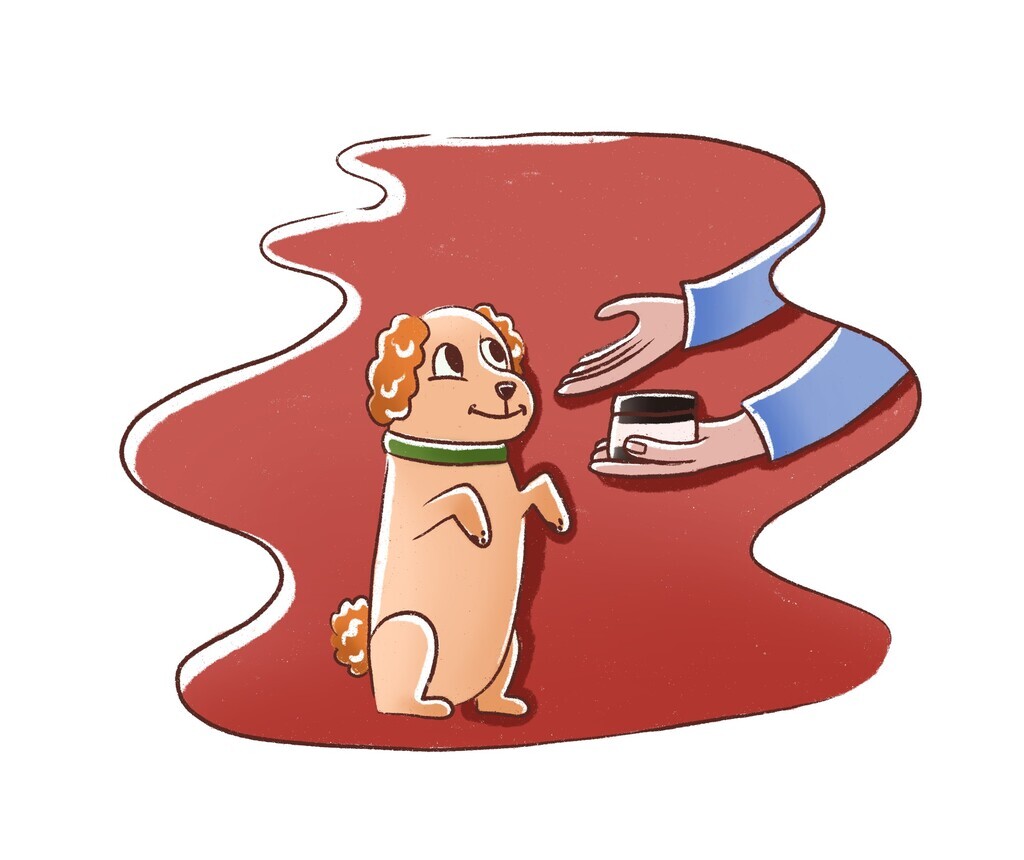
The anatomy of a dog’s paw is a fascinating and intricate design that serves essential functions for their mobility and overall health. Understanding this structure is crucial for pet owners, particularly when addressing issues such as dry paw pads that can affect a dog’s quality of life. Dog paw pads are made up of thick, tough skin that acts as a protective barrier between the dog’s foot and the environment, providing cushioning and traction.
The pads are composed of a specialized layer of fat, connective tissue, and skin, which together help absorb shock and provide grip on various surfaces. Each paw typically features four main pads: the digital pads (located under each toe), the metacarpal pads (the large pad in the center of the foot), and the carpal pad (located higher up on the front leg).
Significance of Healthy Paw Pads
Healthy paw pads are paramount for a dog’s overall well-being, influencing their ability to walk, run, and play comfortably. The pads provide insulation from extreme temperatures, protect against sharp objects, and offer traction on different terrains. If paw pads are healthy, they can effectively cushion the impacts of walking or running, preventing injuries and discomfort.Several common issues can arise from dry paw pads, which can lead to cracking, bleeding, and pain.
Some of the most notable problems include:
- Cracked Pads: When pads become too dry, they can crack, making walking painful for the dog and increasing the risk of infections.
- Hyperkeratosis: This condition involves excessive growth of the skin on the pads, leading to hard, calloused areas that can cause discomfort.
- Burns or Frostbite: Extreme weather conditions, whether hot or cold, can damage the pads if they are not adequately protected and moisturized.
- Infections: Cracks and injuries can serve as entry points for bacteria and other pathogens, leading to painful infections that require veterinary attention.
By understanding the anatomy and function of paw pads, dog owners can take proactive measures to maintain their pets’ paw health, ensuring their furry companions lead happy and active lives.
Causes of Dry Paw Pads
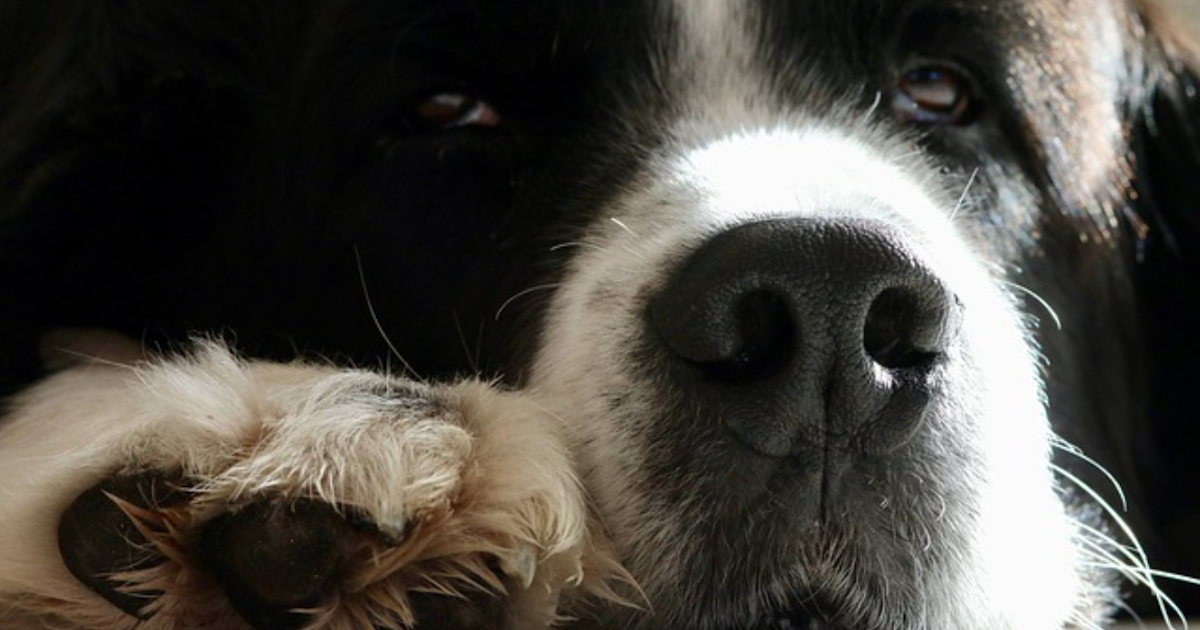
Dry paw pads can be a source of discomfort for dogs, and understanding the various causes is crucial for effective prevention and treatment. Several environmental, dietary, and grooming factors can contribute to the dryness of a dog’s paw pads, necessitating a comprehensive approach to maintain their health.
Environmental Factors
Environmental conditions play a significant role in the health of a dog’s paw pads. Extreme weather conditions can cause notable stress to paw pads, particularly when dogs are exposed to:
- Hot Pavement: During summer months, pavement can heat up to extreme temperatures, leading to burns or dryness on paw pads.
- Cold Weather: Winter conditions, including snow, ice, and salt used for de-icing, can lead to cracking and dryness.
- Low Humidity: Dry climates or heated indoor environments can sap moisture from a dog’s paw pads, making them prone to damage.
Dietary Influences
The nutritional intake of a dog significantly affects the health of their skin and paw pads. A balanced diet rich in essential fatty acids is vital for maintaining moisture levels. Key dietary elements impacting paw pad health include:
- Omega-3 Fatty Acids: Found in fish oil and flaxseed, these nutrients help maintain skin hydration and overall coat health.
- Vitamins: Vitamins A, E, and certain B vitamins are crucial for skin repair and protection from environmental factors.
- Hydration: Ensuring that a dog remains well-hydrated supports skin elasticity and moisture retention, impacting paw pad condition.
Impact of Grooming Products
The choice of grooming products can significantly affect the health of a dog’s paw pads. Many commercial grooming products may contain harsh chemicals that can strip natural oils from the skin. Factors to consider include:
- Shampoos: Utilizing shampoos that are too harsh or not formulated for dogs can lead to dryness, not only on the body but also on the paw pads.
- Conditioners: Products that add moisture should be carefully selected to avoid irritation while enhancing the hydration of the paw pads.
- Medicated Treatments: While some treatments may help with specific conditions, they can sometimes lead to dryness if not used correctly or if over-applied.
Maintaining the health of your dog’s paw pads requires attention to environmental conditions, a balanced diet, and careful selection of grooming products.
Signs of Dry Paw Pads
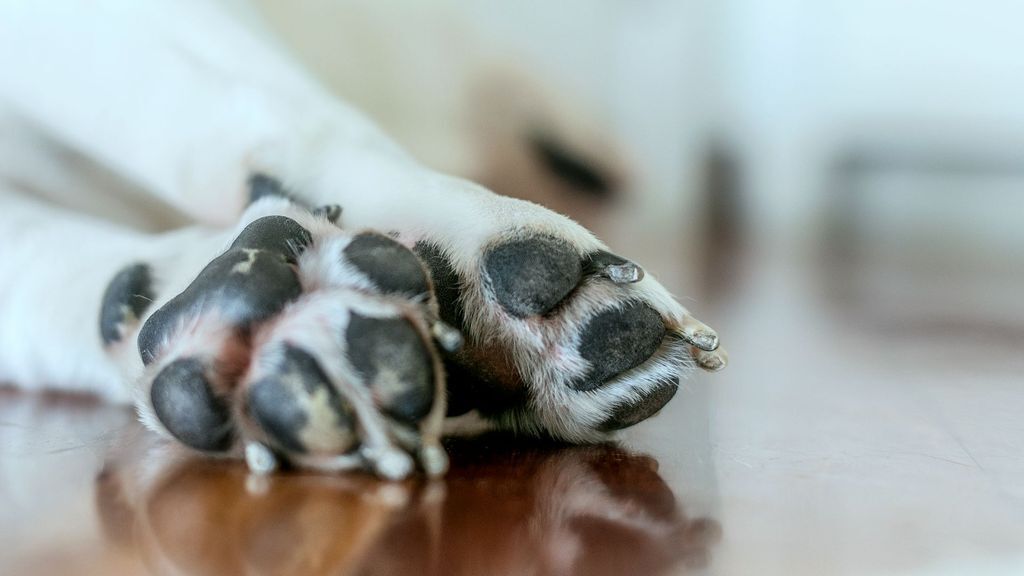
Recognizing the signs of dry paw pads in dogs is crucial for their overall well-being. Dry paw pads can lead to discomfort and even injury if not addressed promptly. By being vigilant and observant, dog owners can take proactive measures to maintain their pet’s paw health.Physical indicators of dry paw pads can manifest in various ways. Understanding these signs helps in determining the right time to take action.
Physical Indicators of Dry Paw Pads
Several physical signs may indicate that your dog’s paw pads are dry. These indicators include:
- Cracked or Split Paw Pads: Visible fissures or splits in the paw pads can indicate severe dryness and call for immediate attention.
- Rough Texture: Paw pads that feel coarse or rough to the touch can signify dehydration and a lack of moisture.
- Discoloration: A change in color, such as a pale or grayish appearance, may suggest dryness or other underlying issues.
- Flaking or Peeling: The presence of flaky skin or peeling layers on the paw pads is a common sign of dryness.
Behavioral Changes Indicating Discomfort
Dogs will often express discomfort through their behavior. Noticing these changes can prompt a thorough examination of their paw pads. Signs of behavioral changes may include:
- Excessive Licking or Biting: If your dog is frequently licking or biting at their paw pads, it may be an indication of irritation or discomfort due to dryness.
- Reluctance to Walk: A noticeable hesitance or refusal to walk or play may suggest that your dog’s paws are painful from dryness.
- Vocalization: Whining or yelping when walking or when their paws are touched could indicate that they are experiencing pain.
- Favoring One Paw: If your dog consistently favors one paw, it may be due to discomfort or pain in that specific area.
Assessing the Severity of Dryness
It is essential to assess the severity of the dryness in your dog’s paw pads to determine the required treatment. To evaluate the condition, consider the following methods:
- Visual Inspection: Examine your dog’s paw pads closely for visible signs of dryness, cracks, or flaking. Ensure that you are looking at all the pads, including those not typically exposed to rough surfaces.
- Texture Check: Run your fingers over the pads to assess their texture. Healthy pads should feel smooth and pliable, while dry pads will feel rough and may exhibit cracks.
- Moisture Test: Gently squeeze the paw pads. If they feel unusually dry or brittle, it may indicate a lack of moisture that needs addressing.
- Behavioral Observation: Monitor your dog’s behavior in different environments. If they seem uncomfortable on specific surfaces, it could indicate that their paw pads are sensitive or dry.
Home Remedies for Moisturizing Paw Pads
Maintaining the health of your dog’s paw pads is essential for their overall well-being. When paw pads become dry, they can lead to discomfort and even injuries. Fortunately, there are various home remedies that can effectively moisturize your dog’s paw pads using natural ingredients that are safe and beneficial. Natural oils and balms can provide immense relief and hydration to dry paw pads.
The following list highlights some of the most effective options available for this purpose:
Natural Oils and Balms Safe for Dog Paw Pads
The use of natural oils and balms can be a safe and effective way to moisturize your dog’s paw pads. Here are some recommended options:
- Coconut Oil: Known for its moisturizing properties, coconut oil can help soothe and hydrate dry skin.
- Olive Oil: A versatile oil that offers nourishment and acts as a protective barrier against further dryness.
- Shea Butter: Rich in vitamins A and E, shea butter provides deep hydration and promotes healing of damaged skin.
- Beeswax: Often used in balms, beeswax forms a protective layer that locks in moisture.
- Jojoba Oil: Mimicking the natural oils of the skin, jojoba oil absorbs easily and provides lasting moisture.
Making your own paw pad moisturizer can be both rewarding and simple. Here are some effective recipes for DIY paw pad balms:
Homemade Paw Pad Moisturizer Recipes
Crafting a moisturizer at home allows you to control the ingredients and ensure they are safe for your dog. Below are two easy recipes:
- Coconut Oil Balm: Melt 1 cup of coconut oil in a double boiler. Allow it to cool slightly and pour it into a container. Apply it to your dog’s paw pads as needed.
- Shea Butter & Beeswax Balm: Combine ½ cup of shea butter and ¼ cup of beeswax in a double boiler, stirring until melted. Remove from heat, let it cool slightly, and pour into a jar. This balm provides a thicker layer of protection.
Aloe vera and coconut oil are two exceptional ingredients that offer significant benefits for paw pad care.
Benefits of Aloe Vera and Coconut Oil for Paw Pad Care
Both aloe vera and coconut oil stand out for their healing and moisturizing properties. Aloe vera is renowned for its ability to soothe irritated skin and promote healing due to its anti-inflammatory properties. Coconut oil, on the other hand, is packed with fatty acids that help to restore moisture and create a protective barrier against environmental irritants.
Using aloe vera and coconut oil not only hydrates your dog’s paw pads but also helps to heal any potential cracks or abrasions.
In summary, utilizing home remedies such as natural oils and balms can significantly improve the condition of your dog’s dry paw pads. By using ingredients like coconut oil and aloe vera, you will provide your furry friend with comfort and care they deserve.
Professional Products for Paw Pad Moisturization
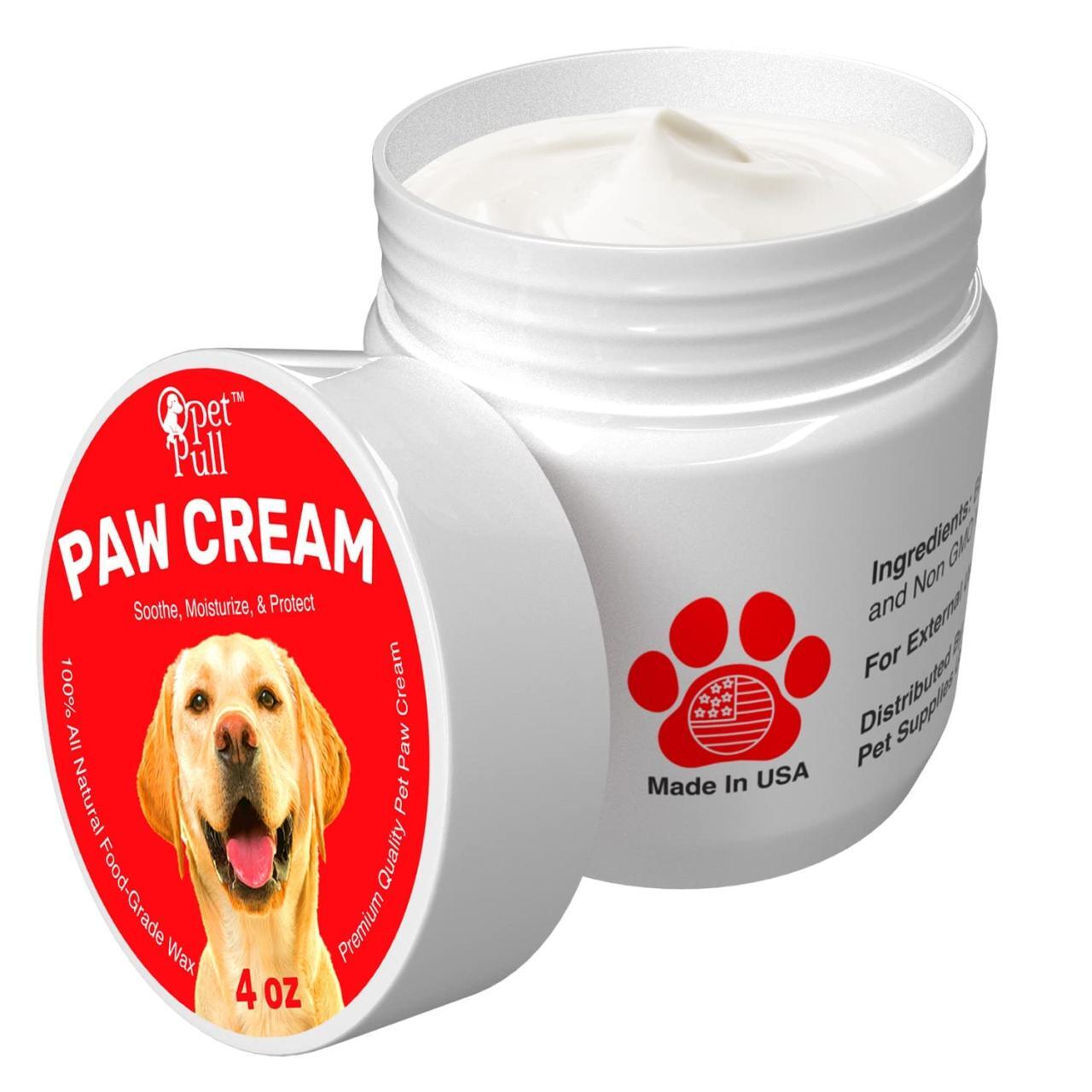
Moisturizing your dog’s paw pads is essential for their overall health and comfort, especially during harsh weather conditions or after prolonged exposure to rough surfaces. Commercial paw balms and ointments can provide targeted relief and hydration, making them a necessary addition to your dog’s grooming routine. This section will explore various options available in the market, how to select the right product, and tips for effective application.
Comparison of Commercial Paw Balms and Ointments
The market offers a variety of paw balms and ointments, each tailored to address specific needs. When selecting a product, consider the ingredients, scent, and texture, as these can greatly influence the effectiveness and comfort for your dog. Below is a comparison of some popular products:
- PetFusion Paw Balm: This balm is made with natural ingredients such as shea butter and beeswax, offering deep moisture and protection against harsh surfaces. It is non-toxic and safe for dogs that might lick their paws.
- Pawstruck Paw Cream: Known for its soothing formula, this cream contains natural oils and vitamins that hydrate dry pads effectively. Its lightweight consistency allows for quick absorption without leaving a greasy residue.
- Vet’s Best Paw Relief: Formulated with aloe, vitamin E, and other natural ingredients, this balm not only moisturizes but also provides a protective barrier, making it suitable for use in extreme weather conditions.
- Wagging Tails Paw Balm: This product is particularly beneficial for dogs with sensitive skin, as it features hypoallergenic ingredients. Its blend of coconut oil and calendula helps soothe and heal dry, cracked paw pads.
- Natural Dog Company Paw Soother: A favorite among dog owners, this balm is organic and free from harmful additives. It is designed to combat dryness and provide relief from rough surfaces.
Selecting the Right Product Based on Specific Needs
Choosing the appropriate paw pad moisturizer depends on various factors, including your dog’s lifestyle, skin sensitivity, and environmental exposure. Consider the following when selecting a product:
- Ingredient Sensitivity: If your dog has a history of skin allergies, opt for products labeled as hypoallergenic or specifically designed for sensitive skin.
- Active Lifestyle: For dogs who frequently walk on harsh terrains or spend time outdoors, a thicker balm that provides a protective barrier may be more suitable.
- Seasonal Considerations: During winter months, consider products that offer additional protection against salt and ice, while in summer, look for those that prevent drying from heat and sand.
- Ease of Application: If your dog is fidgety, balms in stick form can be easier to apply without the mess typically associated with creams.
Proper Application Techniques for Effectiveness
To ensure maximum effectiveness of paw moisturizers, proper application is crucial. Follow these steps for optimal results:
- Clean the Paws: Before applying any product, clean your dog’s paws to remove dirt and debris. This not only enhances absorption but also prevents trapping foreign particles against the skin.
- Apply Generously: Use a sufficient amount of the product, targeting the pads and the areas between the toes. Massage it in gently to help it penetrate the skin.
- Allow for Absorption: After application, give your dog time to relax and let the moisturizer absorb fully. Avoid walks immediately after to prevent the product from being wiped off.
- Regular Application: For consistent hydration, apply the balm or ointment regularly, especially during extreme weather conditions or after outdoor activities.
Regular moisturization of paw pads can prevent discomfort and protect against injuries caused by rough surfaces or extreme temperatures.
Preventative Care for Paw Pad Health
Maintaining the health of your dog’s paw pads is crucial for their overall well-being. Just as humans care for our feet, dogs require attention to their paw pads to prevent discomfort and injuries. Implementing preventative measures can help avoid common issues such as dryness and cracking, ensuring that your furry companion remains active and happy throughout the year.During different seasons, various environmental factors can impact the health of your dog’s paw pads.
For instance, winter brings cold temperatures and icy sidewalks, while summer exposes paws to hot pavement and rough terrains. Establishing a routine for regular inspection and care can significantly contribute to maintaining healthy paw pads. Below are essential practices to consider for the health of your dog’s paw pads.
Seasonal Care Practices
It’s important to adapt your dog care routine according to the changing seasons. Each season presents unique challenges for paw pad health, which can be mitigated with the following practices:
- Winter Precautions: During winter, keep your dog’s paws clean and dry after walks. Snow and ice can accumulate between their pads, leading to irritation. Consider using dog boots for extra protection against cold surfaces and ice-melting chemicals.
- Summer Precautions: Hot pavement can cause burns and blisters on paw pads. Walk your dog in early mornings or late evenings when temperatures are cooler. Always check the ground temperature with your hand before walking.
- Spring and Fall Considerations: These transitional seasons may expose your dog to allergens such as pollen. Regularly inspect and clean your dog’s paws after walks to remove any irritants that could cause allergic reactions.
Routine Inspection and Care
Creating a routine for inspection and care of your dog’s paw pads is vital in identifying potential issues early. Regular checks can prevent minor problems from escalating into significant health concerns. Here are some tips to incorporate into your routine:
- Weekly Inspections: Examine your dog’s paw pads weekly for signs of wear, cracks, or foreign objects embedded between the pads.
- Regular Cleaning: Clean your dog’s paws after outdoor activities to remove dirt and debris. Use a damp cloth or pet-safe wipes to ensure thorough cleaning.
- Moisturizing Routine: Regularly apply a suitable paw pad moisturizer to keep their pads hydrated, especially during dry seasons.
Protection from Harsh Weather Conditions
Protecting your dog’s paw pads from harsh weather conditions is essential for maintaining their health. Utilizing preventative measures can significantly reduce the risk of injuries or discomfort. Important protective measures include:
- Dog Boots: Invest in high-quality dog boots designed for your climate. These provide ideal protection against extreme temperatures, sharp objects, and abrasive surfaces.
- Paw Wax: Applying paw wax can create a barrier against hot pavement and icy surfaces, helping to shield your dog’s pads from damage.
- Avoiding Hazardous Areas: Stay clear of areas that are known for having hazardous materials or rough terrains, particularly during walks in extreme weather conditions.
“A proactive approach to paw pad health enhances your dog’s quality of life and ensures years of enjoyable companionship.”
When to Consult a Veterinarian
Recognizing when to consult a veterinarian regarding your dog’s paw pad issues is crucial for their overall health and well-being. While minor dryness can often be managed at home, certain signs indicate that professional intervention is necessary to prevent further complications.It is essential to pay attention to specific symptoms that may suggest the need for veterinary care. These signs include excessive licking or biting at the paws, visible cracks or injuries on the paw pads, bleeding, or signs of pain such as limping or reluctance to walk.
Additionally, persistent dry paw pads despite home remedies might signal a more severe underlying issue.
Signs Indicating the Need for Veterinary Consultation
Understanding the specific signs that warrant a visit to the veterinarian can help you act swiftly and protect your dog’s paw health. Here are critical indicators to consider:
- Visible cracks or cuts on the paw pads
- Signs of infection, such as swelling, redness, or discharge
- Excessive licking or chewing at the paws
- Bleeding or oozing from the paw pads
- Behavioral changes, including limping or hesitance to walk
- Persistent dryness despite regular moisturizing efforts
It is important to note that severe dryness or injuries can lead to complications if left untreated. A veterinarian can provide professional advice, recommend appropriate treatments, and help identify any underlying issues that may be contributing to your dog’s paw pad problems.
Potential Underlying Health Conditions
Paw pad issues may also be symptomatic of broader health concerns. Seeking veterinary advice is critical to ruling out or addressing these conditions. Some potential underlying health issues include:
- Allergies: Dogs may suffer from environmental or food allergies that manifest in skin problems, including paw pad dryness.
- Endocrine disorders: Conditions like hypothyroidism or Cushing’s disease can lead to skin and coat issues, including paw pad health.
- Autoimmune diseases: Certain autoimmune conditions can cause inflammation and damage to the skin, impacting paw pads.
- Infections: Bacterial or fungal infections can lead to severe paw pad issues, necessitating professional treatment.
Prompt attention to these signs and conditions not only enhances your dog’s quality of life but also ensures that any serious health issues are addressed before they become more severe.
Additional Resources and Support

For pet owners looking to ensure the health of their dog’s paw pads, accessing quality information and community support is invaluable. The following resources and recommendations provide excellent avenues for further education and connection with fellow dog owners.
Reputable Pet Care Websites and Forums
Numerous online platforms offer a wealth of information regarding dog health, including the care of paw pads. These resources can provide expert advice, user experiences, and practical tips for maintaining your dog’s paw health. Here are several reputable websites and forums to explore:
- The American Kennel Club (AKC)
-A trusted resource for dog owners, featuring articles on various aspects of dog care including paw health. - PetMD
-Offers comprehensive articles written by veterinarians that encompass a wide range of pet health topics. - DogForum
-An interactive community where dog owners can share experiences and advice on paw care and other pet-related topics. - Reddit (r/dogs)
-A popular forum where dog owners discuss various issues, including health concerns related to paw pads.
Books on Dog Care and Paw Health
Reading informative literature can be an excellent way to deepen your understanding of dog care, particularly with regard to paw health. The following books are highly recommended for dog owners seeking expert insights and practical advice:
- “The Dog Owner’s Home Veterinary Handbook” by James M. Giffin and Linda M. Giffin
-This comprehensive guide covers various health aspects of dogs, including skin and paw care. - “Dog Care 101” by Dog Fancy Magazine
-Provides essential information on caring for dogs, including grooming and health maintenance. - “Canine Health Handbook” by Barbara E. Dyer
-A detailed overview of dog health, focusing on common ailments and preventative care.
Local Pet Owner Groups
Joining local pet owner groups can enhance your experience as a dog owner. Engaging with communities in your area allows for the sharing of experiences and solutions to common issues, including paw health. Here are some suggestions for finding and joining local groups:
- Meetup.com
-Look for dog owner meetups or canine social events in your area. - Facebook Groups
-Many local communities have dedicated groups for dog owners where members share advice, organize walks, and discuss health matters. - Local Animal Shelters or Veterinary Clinics
-Many organizations host events or support groups for pet owners, providing a platform for discussion and education.
“Connecting with fellow dog owners can provide you with unique insights and valuable support in caring for your dog’s health.”
Summary
In conclusion, maintaining the moisture and health of your dog’s paw pads is a vital aspect of their overall care. By understanding the factors that contribute to dryness and implementing appropriate remedies and preventative measures, you can ensure your pet’s paws remain soft and healthy. Remember, regular monitoring and care can make a significant difference, so stay vigilant and consult a veterinarian when needed for your beloved companion’s comfort.