How to Groom a Dog That Tries to Bite sets the stage for this enthralling narrative, offering readers a glimpse into an essential guide for dog owners facing the challenges of grooming their anxious or aggressive pets. Understanding a dog’s behavior is crucial, as it sheds light on why some dogs exhibit biting tendencies during grooming sessions. This guide will walk you through the necessary preparations, effective techniques, and positive reinforcement strategies to ensure a safe and productive grooming experience.
By recognizing signs of stress and equipping yourself with the right tools and methods, you can create a calm environment that promotes trust between you and your dog. With the right approach, grooming can transform from a daunting task into a positive bonding experience.
Understanding Dog Behavior
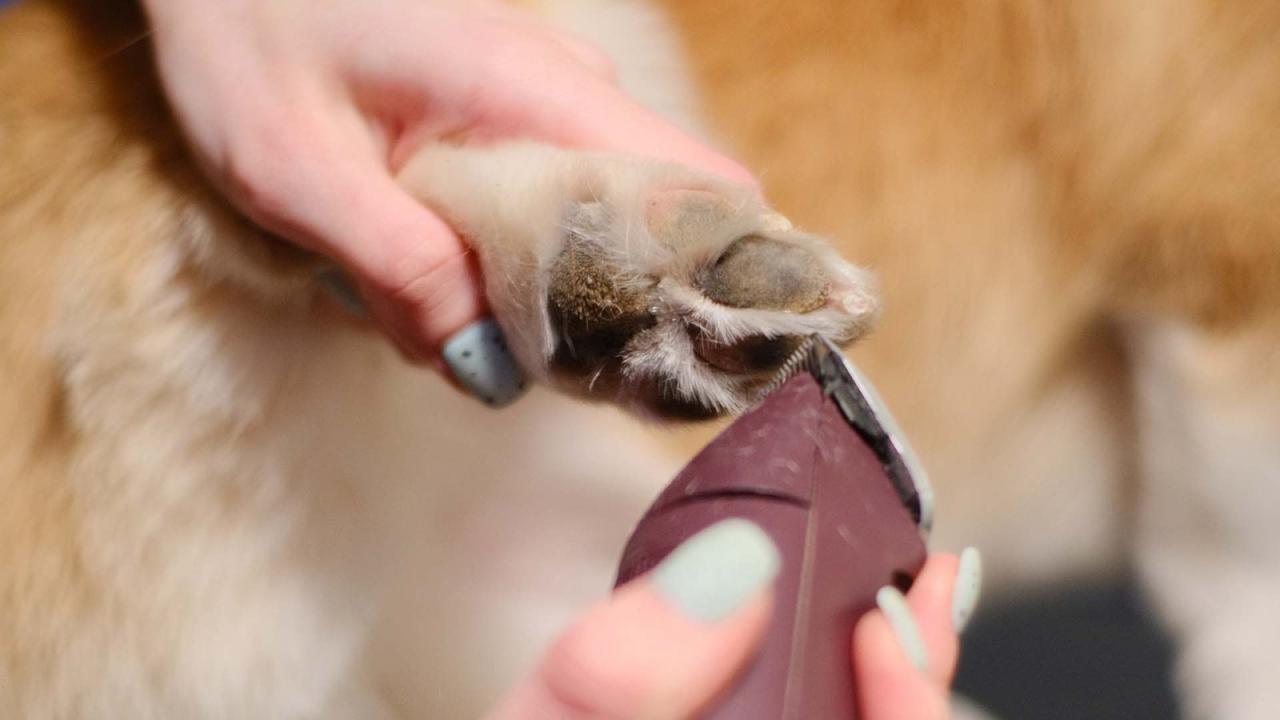
In order to effectively groom a dog that exhibits aggressive behavior, it is crucial to understand the underlying reasons for such actions. Many dogs may try to bite during grooming due to fear, anxiety, or discomfort. Recognizing and addressing these emotions can lead to a safer and more pleasant grooming experience for both the dog and the groomer.Dogs may exhibit biting behavior during grooming for several reasons.
Common factors include previous traumatic experiences related to grooming, lack of socialization, or simply a natural instinct to protect themselves when they feel threatened. Additionally, some breeds are more prone to anxiety and stress, which can exacerbate biting tendencies. Understanding these triggers is essential for creating a calm environment during grooming sessions.
Recognizing Signs of Anxiety or Stress in Dogs
Identifying signs of anxiety or stress in dogs is imperative for ensuring their comfort during grooming. Some common behaviors that indicate a dog may be feeling anxious include:
- Whining or whimpering, which can signal discomfort or fear.
- Excessive panting, indicating stress or overheating.
- Tucking the tail between the legs, a classic sign of submission or fear.
- Growling or showing teeth, which may indicate a readiness to defend themselves.
- Attempts to escape or remove themselves from the grooming area, demonstrating a desire to avoid the situation.
By paying attention to these signs, groomers and dog owners can adjust their approach to minimize stress. For instance, if a dog shows signs of anxiety, taking a break or using calming techniques, such as soft speaking or gentle petting, can help alleviate their fear.
Assessing a Dog’s Temperament Before Grooming
Evaluating a dog’s temperament before grooming sessions can greatly enhance safety and effectiveness. A thorough assessment involves observing a dog’s behavior in various situations, particularly in unfamiliar settings. Key aspects to consider include:
- The dog’s history with grooming: Previous experiences can significantly influence behavior. A dog that has had negative experiences may show more fear or aggression.
- Socialization levels: Well-socialized dogs are generally more comfortable around people and handling, while those lacking exposure may exhibit anxiety.
- Response to touch: Gently petting the dog in a relaxed environment can help gauge their comfort with being handled, which is important during grooming.
- Interactions with other dogs: Observing how a dog interacts with others can provide insight into their overall temperament and ease in social situations.
By conducting a comprehensive evaluation of these factors, groomers can tailor their approach to meet the dog’s individual needs, ensuring a smoother grooming experience.
Understanding a dog’s behavior and emotional state is essential in preventing aggression during grooming, thus fostering a positive interaction.
Preparing for Grooming Sessions
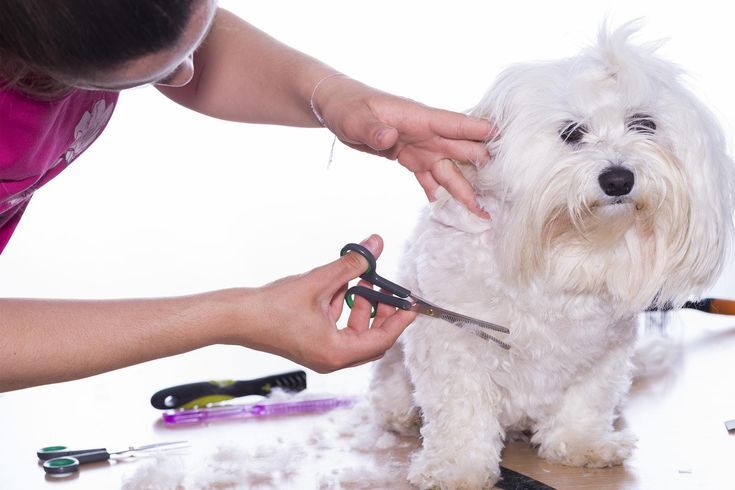
Grooming a dog that exhibits aggressive behavior requires meticulous planning and preparation to ensure the safety of both the dog and the groomer. This section will Artikel the necessary tools, techniques for creating a calm environment, and a checklist to facilitate a successful grooming session.
Essential Grooming Tools and Equipment
Having the right tools is crucial when grooming a dog with aggressive tendencies. The following items are essential for the process:
- Safety Muzzle: A soft muzzle can prevent biting while allowing for panting and drinking. Ensure it fits securely but comfortably.
- Grooming Gloves: These protect hands from bites while allowing for gentle handling of the dog’s fur during brushing.
- High-Quality Brushes: Different types of brushes, such as slicker brushes and bristle brushes, can help manage different coat types effectively.
- Clippers and Scissors: Use quiet clippers to reduce anxiety and sharp scissors for precise trimming. Consider using low-vibration models.
- Styptic Powder: In case of accidental cuts, styptic powder can help control bleeding quickly.
- Treats and Toys: Positive reinforcement is essential, so have treats and favorite toys on hand to reward calm behavior.
Creating a Calm Environment
Establishing a serene atmosphere is vital when grooming a dog that may be prone to aggression. The following techniques can be helpful in achieving this:
- Minimize Noise: Reduce loud noises by using a quiet room and turning off any distracting appliances or background music.
- Comfortable Surface: Choose a non-slip grooming table or mat. This provides stability and comfort for the dog during the grooming process.
- Controlled Lighting: Ensure the area is well-lit but not harsh. Soft, even lighting can reduce anxiety in sensitive dogs.
- Familiar Scents: Use familiar scents in the grooming area, such as the dog’s bedding or favorite toys, to create a sense of comfort.
- Short Sessions: Plan for short grooming sessions to avoid overwhelming the dog. Gradually increase the duration as the dog becomes more comfortable.
Checklist for Preparing the Dog and Owner
Preparation is key to a successful grooming session, not only for the dog but also for the owner. The following checklist Artikels steps to consider before starting:
- Ensure the Dog is Exercise: A brisk walk or play session before grooming can help expend excess energy and reduce anxiety.
- Prepare the Grooming Area: Set up the grooming space with all necessary tools and ensure it is free of distractions.
- Review the Dog’s Medical History: Be aware of any previous aggressive incidents or health issues that may affect grooming.
- Establish a Routine: Consistency in grooming times can help the dog anticipate and adapt to the process better.
- Communicate with the Dog: Use a calm voice and gentle touch to reassure the dog throughout the grooming process.
Techniques for Safe Grooming
Grooming a dog that shows aggressive behavior can be a challenging task. Implementing proper techniques ensures the safety of both the dog and the groomer while minimizing stress for the animal. Understanding a dog’s body language and establishing a calm grooming environment are crucial components of successful grooming sessions. This section Artikels effective grooming techniques that prioritize safety and comfort.
Step-by-Step Procedures for Grooming a Dog That May Try to Bite
To successfully groom a dog that may be inclined to bite, follow these structured steps:
1. Prepare the Environment
Choose a quiet, low-distraction area for grooming to help contain anxiety. Ensure the space is well-lit and equipped with all necessary grooming tools.
2. Use Proper Restraint Techniques
Employ gentle restraint using a grooming loop or harness to prevent sudden movements without causing fear. Ensure that it is not too tight to avoid discomfort.
3. Introduce Tools Gradually
Allow the dog to sniff and explore grooming tools like brushes and clippers before using them. This familiarization can reduce fear.
4. Start with Short Sessions
Limit each grooming session to 5-10 minutes initially to avoid overwhelming the dog. Gradually increase the duration as the dog becomes more comfortable.
5. Monitor Body Language
Keep an eye on the dog’s body language for signs of stress or aggression, such as growling, lunging, or stiffening. If these signs appear, pause the session and give the dog time to relax.
6. Reward Good Behavior
Use treats and praise to reinforce positive behavior during grooming. This approach builds a positive association with the grooming process.
Strategies for Gently Restraining a Dog
Applying gentle restraint methods is essential for maintaining safety during grooming. Consider the following strategies:
Soft Muzzle
For dogs that may bite, a soft muzzle can prevent biting while allowing the dog to pant and drink water. Ensure it fits correctly and is comfortable.
Grooming Table with Safety Arm
A grooming table equipped with a safety arm allows you to secure the dog gently while providing stability without causing fear.
Desensitization Techniques
Gradually introduce restraint methods through desensitization, using positive reinforcement to associate these methods with comfort and safety.
| Grooming Technique | Safety Tip |
|---|---|
| Brushing | Always use a brush suited for the dog’s coat type to avoid causing pain or discomfort. |
| Bathing | Use non-slip mats in the tub to prevent slipping and anxiety during bathing. |
| Nail Trimming | Keep styptic powder on hand in case of accidental nail clipping to quickly stop bleeding. |
| Ear Cleaning | Use gentle, dog-specific ear cleaners and avoid inserting anything deep into the ear canal. |
| Clipping Fur | Start with low-speed clippers and allow the dog to acclimate to the sound before using higher speeds. |
Positive Reinforcement Strategies
Positive reinforcement is a crucial element in the grooming process for dogs that exhibit fear or aggression. By utilizing positive reinforcement techniques, groomers can encourage calm behavior, making the experience less stressful for both the dog and the groomer. This approach not only helps to create a more pleasant grooming session but also fosters a stronger bond between the dog and the caregiver.Positive reinforcement involves rewarding a dog for desired behaviors, which increases the likelihood that these behaviors will be repeated in the future.
During grooming sessions, it is important to consistently apply this strategy. By rewarding calm behavior and gradually desensitizing the dog to the grooming process, the dog learns to associate grooming with positive experiences. This paves the way for a more pleasant grooming environment.
Rewarding Calm Behavior
Establishing a system of rewards for calm behavior is essential in promoting positive interactions during grooming. Rewards can take various forms, and it is important to choose those that resonate with the individual dog. Here are some effective strategies and options for rewarding calm behavior:
- Treats: Offering small, tasty treats during grooming can effectively motivate dogs. Choose treats that are high-value and enticing, such as freeze-dried meat or soft training treats, to capture the dog’s attention and create a positive association with grooming.
- Praise and Affection: Verbal praise and physical affection, such as gentle petting or cuddling, can reinforce calm behavior. Dogs often respond well to a soothing voice and loving touches, making this an integral part of the grooming process.
- Favorite Toys: Incorporating a favorite toy as a reward can be particularly effective. For example, a squeaky toy or a plush animal can serve as a distraction and reward after completing specific grooming tasks, such as brushing or nail trimming.
- Breaks and Playtime: Allowing the dog to take short breaks for playtime or relaxation can serve as a reward. After achieving a calm state for a certain duration, engaging in a quick game of fetch or tug can reinforce the desired behavior.
- Interactive Games: Use interactive toys that dispense treats or require the dog to solve a puzzle to access food. This not only keeps the dog engaged but also rewards their focus and calmness during grooming.
By implementing these strategies, groomers can effectively promote positive behavior and reduce the likelihood of aggressive reactions during grooming sessions. Creating a supportive environment through positive reinforcement helps to ensure that grooming becomes a more enjoyable experience for dogs that may otherwise struggle with the process.
Seeking Professional Help
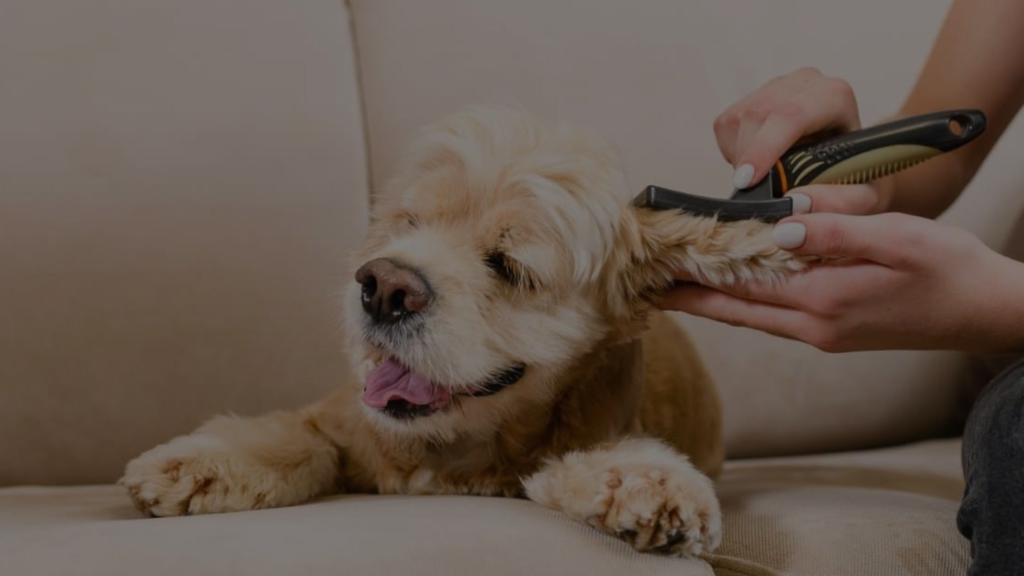
In certain situations, seeking the assistance of a professional groomer or a behaviorist becomes imperative to ensure the safety and well-being of both the dog and the owner. Recognizing when to engage these experts can significantly enhance the grooming experience and address any underlying behavioral issues effectively. Professional help is particularly essential when dealing with aggressive tendencies that could pose risks during grooming sessions.
Identifying the right professionals is crucial for achieving successful results, especially for dogs that exhibit fear or aggression towards grooming. A qualified groomer or behaviorist can implement techniques tailored to individual dogs, fostering a calmer and more positive grooming environment. To locate suitable professionals, it is important to consider specific criteria that align with your dog’s needs.
Criteria for Selecting Qualified Professionals
Finding a professional who specializes in grooming fearful or aggressive dogs requires careful consideration. The following points highlight essential criteria to guide your search for qualified experts:
- Experience with Fearful and Aggressive Dogs: Opt for professionals who have a proven track record in handling dogs with similar behavioral issues. Their expertise can lead to more effective grooming sessions.
- Certification and Training: Look for groomers who possess certifications from reputable organizations in dog grooming and behavior. This ensures they are equipped with the necessary skills to manage your dog’s specific challenges.
- Positive Reviews and Testimonials: Seek recommendations from other dog owners who have used their services. Positive feedback can give you confidence in the professional’s ability to handle your dog.
- Trial Sessions: Some professionals may offer trial grooming sessions. This allows you to assess their methods and how your dog responds to their approach in a controlled setting.
- Behavioral Training Credentials: If behavior modification is needed, finding a groomer who collaborates with a certified dog behaviorist can provide a more comprehensive approach to your dog’s grooming challenges.
The importance of ongoing training cannot be overstated. Continuous education for both the dog and the owner is vital to improve grooming experiences and build trust over time. Regular training sessions can help reinforce positive behavior, making grooming less stressful for the dog and more manageable for the owner. By investing in ongoing training, owners can equip themselves with skills to handle their pets more effectively, thereby enhancing their bond and overall experience during grooming sessions.
“Ongoing training fosters a positive relationship between the dog and the owner, alleviating anxiety during grooming.”
Post-Grooming Care
After grooming, providing appropriate care for your dog is essential to help them relax and recover from the experience. The process of grooming can be stressful for some dogs, particularly those who exhibit anxiety or fear. Proper post-grooming care not only aids in their comfort but also strengthens the bond between you and your pet, fostering a positive association with grooming sessions.Monitoring a dog’s behavior after grooming sessions is crucial for identifying any signs of distress or discomfort.
This awareness allows pet owners to address specific needs and ensure their furry companions remain calm and relaxed. It is important to observe how your dog reacts after grooming to determine if they require additional behavioral training or professional assistance.
Signs Indicating the Need for Further Behavioral Training
Recognizing certain behaviors in your dog post-grooming can signal that they may need additional support or training. Understanding these signs is essential in ensuring your dog’s well-being and comfort during future grooming sessions. Here are some behavioral indicators to monitor:
- Excessive panting or drooling, which may indicate anxiety.
- Avoidance behaviors, such as hiding or retreating to a safe space.
- Destructive actions, including chewing on furniture or scratching at doors.
- Growling or snapping when approached, suggesting discomfort or fear.
- Increased restlessness or inability to settle down, indicating stress.
- Change in appetite, either refusing food or overeating, which can signify emotional distress.
These signs are critical for assessing your dog’s emotional state following grooming. If you notice any of these behaviors consistently, it may be beneficial to consult a professional dog trainer or veterinarian for further insights and assistance. Early intervention can lead to more effective coping strategies and a more enjoyable grooming experience for your dog.
Ultimate Conclusion
In conclusion, grooming a dog that tries to bite requires patience, understanding, and the right strategies to foster a sense of security and calmness. By implementing positive reinforcement and knowing when to seek professional help, dog owners can significantly improve their grooming encounters. Remember, the goal is to create a pleasant experience for both you and your dog, ensuring that grooming becomes an opportunity for connection rather than a source of fear.