How to Groom an Anxious or Fearful Dog brings to light the essential techniques and insights needed for caring for our furry friends who may struggle with anxiety and fear during grooming. Grooming is not just a routine task; it’s an opportunity to build trust and create a positive experience for your dog. Understanding the underlying causes of anxiety and employing the right strategies can transform grooming from a stressful ordeal into a calming and enjoyable activity.
This guide will provide you with a comprehensive overview, from recognizing behavioral signs of anxiety to preparing a soothing environment and selecting the right tools. With a focus on gentle grooming techniques and positive reinforcement, we aim to empower you to approach grooming with confidence and compassion.
Understanding Canine Anxiety and Fear
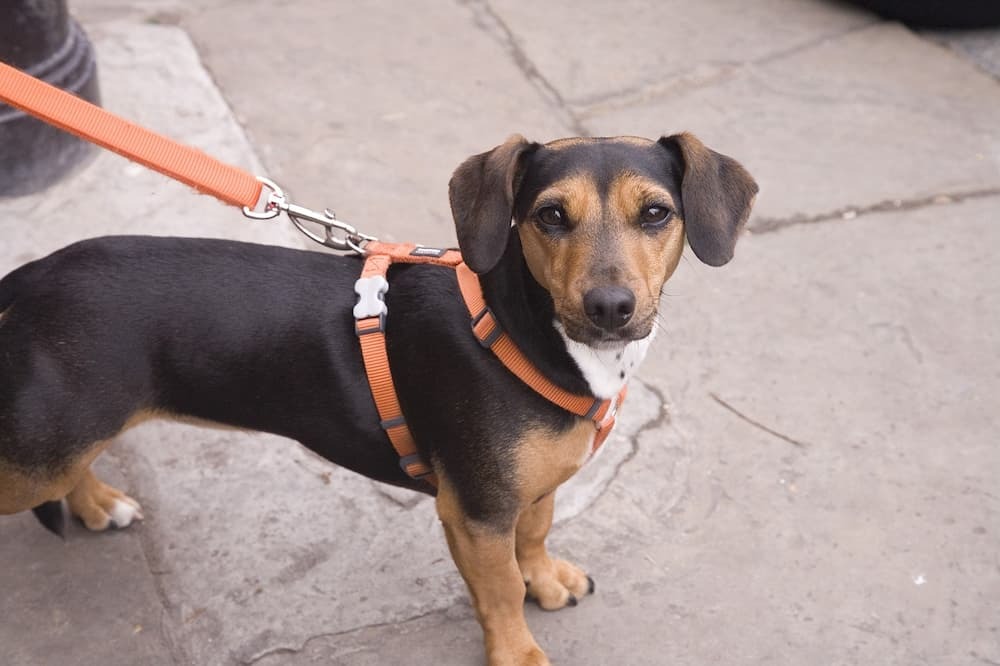
Canine anxiety and fear are critical issues that can significantly impact a dog’s overall well-being. Understanding these emotions is the first step in providing effective care and support. Anxiety in dogs can manifest in various ways, often requiring attention to modify behavior and improve their quality of life.Anxiety and fear in dogs can arise from several sources, including genetic predisposition, environmental factors, and past traumatic experiences.
Common causes include lack of socialization, loud noises such as thunderstorms or fireworks, changes in routine, or even perceived threats from unfamiliar people or animals. Identifying these triggers is essential in managing anxiety effectively, as it allows for the implementation of targeted interventions.
Common Causes of Anxiety and Fear
Several factors contribute to the development of anxiety and fear in dogs. Understanding these causes can facilitate better management strategies. The following list highlights key causes:
- Genetics: Certain breeds are more prone to anxiety due to inherited traits.
- Traumatic Experiences: Past abuse or negative encounters can lead to long-lasting fear.
- Insufficient Socialization: Lack of exposure to various environments and situations can foster anxiety.
- Separation Anxiety: Dogs that are overly dependent on their owners may exhibit distress when left alone.
- Environmental Factors: Loud noises, unfamiliar surroundings, or sudden changes in the household can trigger fear responses.
Recognizing the behavioral signs of anxiety and fear in dogs is crucial for early intervention. Common indicators include:
Behavioral Signs of Anxiety and Fear
Identifying the behavioral manifestations of anxiety is essential in understanding a dog’s emotional state. These signs can vary from mild to severe and may include:
- Pacing: Dogs may walk in circles or back and forth when anxious.
- Whining or Barking: Vocalizations can indicate distress or fear.
- Avoidance Behaviors: Dogs may hide or retreat when confronted with a fearful stimulus.
- Excessive Grooming: Some dogs engage in compulsive behaviors such as licking or chewing at their own fur.
- Destructive Behavior: Anxiety may lead to chewing furniture or other items as a coping mechanism.
Understanding a dog’s triggers is vital to effectively managing their anxiety and fear. Triggers can vary widely from one dog to another, making it crucial for owners to observe their pets meticulously.
Importance of Recognizing Triggers
Recognizing the specific triggers that induce anxiety or fear in dogs allows for the development of tailored strategies to mitigate these responses. By understanding what causes distress, owners can:
- Implement Gradual Exposure: Slowly introducing dogs to their triggers can help desensitize them.
- Create a Safe Space: Providing a secure environment where a dog can retreat during stressful situations can alleviate anxiety.
- Monitor Body Language: Observing changes in behavior can help in recognizing when a dog is becoming anxious.
- Utilize Positive Reinforcement: Rewarding calm behavior in the presence of triggers can reinforce confidence.
“Recognizing and understanding the triggers of anxiety and fear in dogs is pivotal in fostering a supportive environment that promotes their well-being.”
This awareness not only aids in effective training but also enhances the bond between the dog and its owner, leading to a more harmonious living situation.
Preparing for Grooming an Anxious Dog
Grooming an anxious dog requires thoughtful preparation to ensure a positive experience for both the pet and the groomer. By equipping yourself with the right tools and creating a calming environment, you can significantly reduce your dog’s anxiety during the grooming process. This section Artikels essential preparations that facilitate a smoother grooming experience.
Necessary Tools and Equipment for Grooming an Anxious Dog
Equipping yourself with the appropriate grooming tools is crucial in managing an anxious dog. The right tools not only ease the grooming process but also enhance the comfort of the dog. The following list details essential grooming tools designed to cater to the needs of anxious dogs:
- Gentle Brushes: Choose brushes with soft bristles, such as slicker brushes or rubber curry brushes, that minimize discomfort and help ease anxiety.
- Quiet Clippers: Invest in low-noise clippers to prevent startling the dog. Some brands offer clippers specifically designed for noise-sensitive animals.
- Deshedding Tools: Use deshedding tools specifically designed for sensitive dogs, which can help reduce the amount of hair removed while keeping the dog comfortable.
- Non-slip Mat: A non-slip mat on the grooming surface can provide stability, preventing slips that may increase anxiety.
- Calming Sprays or Oils: Consider using dog-safe calming sprays or essential oils that can help create a soothing atmosphere during grooming.
- Treats and Rewards: Keep high-value treats on hand to reward your dog for calm behavior throughout the grooming process.
Designing a Calming Environment for the Grooming Process
Creating a serene environment is essential for reducing anxiety in dogs during grooming. The environment should promote relaxation and comfort, helping the dog feel secure. Key elements to consider when designing this space include the following:
- Quiet Space: Choose a quiet area away from loud noises and distractions. A calm space helps minimize external stressors that can agitate the dog.
- Comfortable Temperature: Ensure the room is at a comfortable temperature, neither too hot nor too cold, to keep the dog relaxed.
- Consistent Routine: Establish a regular grooming schedule that allows the dog to anticipate and prepare for grooming sessions, promoting a sense of security.
- Soft Lighting: Use soft lighting to create a soothing ambiance. Harsh lighting can increase anxiety; consider using natural light or dimmable lamps.
- Calm Music: Playing soft, calming music can help create a peaceful atmosphere, reducing the dog’s stress levels during grooming.
Techniques to Desensitize the Dog to Grooming Tools
Desensitizing an anxious dog to grooming tools is a crucial step in preparing for a successful grooming session. Gradual exposure to the tools can help the dog associate them with positive experiences. Use the following techniques to achieve this:
- Familiarization: Introduce grooming tools gradually, allowing the dog to sniff and explore them without pressure. This can create a sense of familiarity.
- Positive Reinforcement: Pair the introduction of each tool with treats and praise, reinforcing positive associations with the grooming items.
- Mock Grooming Sessions: Conduct short practice sessions using the grooming tools without completing the actual grooming. This helps reduce anxiety associated with the process.
- Grooming Tool Sounds: Acclimate the dog to the sounds of clippers or dryers by playing recordings at a low volume while providing treats. Gradually increase the volume as the dog becomes more comfortable.
- Frequent Breaks: During grooming sessions, take frequent breaks to allow the dog to relax and prevent overwhelming them.
Grooming Techniques for Anxious Dogs
Grooming an anxious dog requires a thoughtful and patient approach to ensure both the dog’s comfort and safety during the process. Understanding the techniques that work best for sensitive dogs is essential to foster a positive grooming experience. By employing gentle handling methods and positive reinforcement, groomers can help alleviate anxiety and make grooming a more enjoyable activity for the dog.Gentle handling is crucial when addressing sensitive areas of a dog’s body, such as the ears, paws, and tail.
An anxious dog may be particularly reactive to touch in these areas, necessitating a calm and careful approach. To effectively groom these parts of the dog, handlers should prioritize a soft, reassuring touch and proceed slowly to avoid startling the dog.
Gentle Handling Methods for Sensitive Areas
When grooming sensitive areas, the following gentle handling methods can be employed:
- Desensitization: Gradually introduce the dog to the grooming tools. Allow the dog to sniff brushes or clippers before using them.
- Calm Touch: Use slow, gentle strokes with your hand or the grooming tool, taking care to avoid sudden movements that may startle the dog.
- Supportive Positioning: Provide physical support by holding the dog’s body in a stable position without applying pressure that may induce anxiety.
- Focus on Comfort: Create a comfortable environment, using soft bedding and avoiding slippery surfaces to help the dog feel secure.
The use of positive reinforcement is paramount in creating a positive association with grooming. By rewarding the dog for calm behavior, you can help reduce their anxiety over time. Positive reinforcement can include treats, praise, or playtime, reinforcing the idea that grooming is a rewarding experience.
Importance of Positive Reinforcement
Implementing positive reinforcement during grooming activities can significantly improve an anxious dog’s experience. Here’s how to effectively use this technique:
- Immediate Rewards: Offer treats or praise immediately after the dog remains calm during a grooming action, such as brushing or trimming nails.
- Gradual Increase in Grooming Duration: Start with short grooming sessions and gradually increase the duration as the dog becomes more accustomed and relaxed.
- Use of a Calm Voice: Speak softly and reassuringly throughout the grooming process to help maintain the dog’s calm demeanor.
- Monitor Stress Signals: Be attuned to signs of anxiety, such as panting or attempting to escape, and adjust your approach accordingly.
A structured approach to introducing grooming activities will help create a routine that the dog can anticipate, thereby reducing anxiety associated with grooming.
Step-by-Step Guide for Introducing Grooming Activities
The following step-by-step guide Artikels how to gradually introduce grooming to an anxious dog:
- Step 1: Familiarization: Allow the dog to explore grooming tools without using them. This can help reduce fear of the unknown.
- Step 2: Short Sessions: Begin with very short grooming sessions, focusing on just one area, such as brushing the back for a few seconds.
- Step 3: Positive Reinforcement: After each session, reward the dog with a treat or praise, reinforcing positive associations with grooming.
- Step 4: Gradual Expansion: Gradually introduce new tools and areas, such as the paws or ears, while maintaining short sessions to prevent overwhelming the dog.
- Step 5: Consistent Routine: Establish a consistent grooming schedule, allowing the dog to acclimate to regular grooming while associating it with positive experiences.
By following this structured guide, caregivers can help anxious dogs adjust to grooming, reducing their fear and building trust in the process.
Bathing and Drying Tips
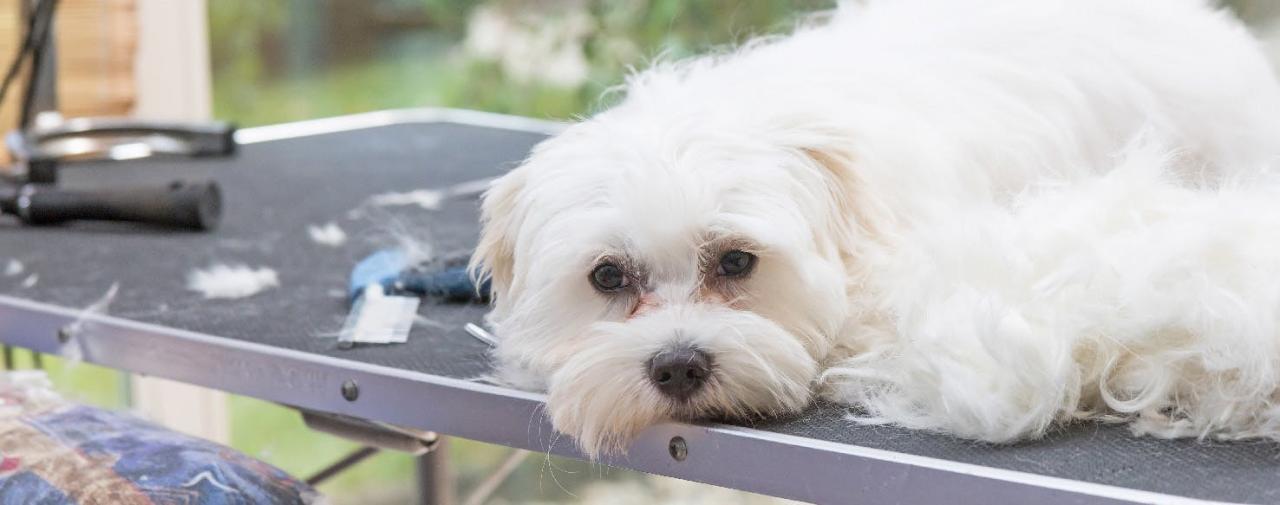
Bathing and drying an anxious dog requires a thoughtful approach to minimize stress and create a positive experience. Understanding the dog’s behavior during these processes can significantly enhance their comfort and cooperation. The following tips Artikel methods to effectively bathe and dry an anxious dog, emphasizing techniques and products that can promote calmness.
Making Bathing Less Stressful
To create a soothing bathing experience for an anxious dog, consider the following strategies:
- Use a Non-Slip Mat: Placing a non-slip mat in the bathing area provides stability for your dog, helping them feel secure and reducing the risk of slipping.
- Warm Water: Ensure the water temperature is comfortable—neither too hot nor too cold. A warm bath can be calming for your pet.
- Gentle Handling: Move slowly and speak softly, allowing your dog to adjust to the water without sudden movements that might startle them.
- Positive Reinforcement: Use treats and praise throughout the bathing process. This helps your dog associate the experience with positive outcomes.
- Calming Music: Playing soft, calming music can create a serene atmosphere that helps soothe your dog’s nerves.
Methods for Drying an Anxious Dog
Drying an anxious dog can be just as challenging as bathing. Implementing gentle techniques can make this process smoother:
- Soft Towels: Use soft, absorbent towels to gently pat your dog dry rather than rubbing, which can be more comforting.
- Air Drying: If possible, allow your dog to air dry in a warm, safe area. This can be less stressful than using a blow dryer.
- Low-Noise Dryers: If a dryer is necessary, opt for a low-noise pet dryer designed to minimize sound and vibrations, which can be distressing for sensitive dogs.
- Calm Environment: Maintain a calm atmosphere during drying, free from loud noises or distractions that might heighten anxiety.
- Interactive Distractions: Engage your dog with toys or treats during the drying process to keep their focus away from the discomfort.
Calming Products for Bathing and Drying
Using calming products can enhance the bathing and drying experience for anxious dogs. Consider the following options:
- Calming Sprays: Natural calming sprays containing ingredients like lavender or chamomile can be used to help reduce anxiety before and during bathing.
- Anxiety Wraps: These wraps apply gentle pressure, similar to swaddling, which can provide comfort and reduce anxiety during grooming.
- Aromatherapy: Essential oils, when used appropriately and safely, can create a calming environment. Always ensure they are pet-safe and diluted properly.
- Calming Chews: Providing calming chews prior to bathing may help relax your dog, making the experience more manageable.
- Thundershirts: A Thundershirt or similar garment can help soothe anxious dogs by providing a snug, comforting fit during grooming sessions.
Post-Grooming Care
Post-grooming care is a crucial aspect of the grooming process, especially for anxious or fearful dogs. It serves to reinforce the positive experiences associated with grooming, helping to build trust and reduce anxiety for future sessions. Proper aftercare not only soothes your dog but also aids in the recovery of any stress experienced during the grooming process.Recognizing signs of stress or discomfort after grooming is vital in ensuring your dog’s well-being.
Common signs may include excessive panting, hiding, or reluctance to engage in normal activities. It is essential to address these symptoms promptly to prevent long-term anxiety regarding grooming. Positive reinforcement through treats and gentle encouragement can be highly effective in alleviating any distress.
Recognizing Signs of Stress or Discomfort
Identifying the signs of stress in your dog after grooming is essential for their comfort. These signs may include:
- Excessive panting or drooling
- Shaking or trembling
- Hiding or seeking isolation
- Refusal to eat or drink
- Excessive barking or whining
- Destructive behavior or hyperactivity
If you notice any of these signs, it is important to take immediate steps to comfort your dog. Providing a quiet and safe space can help your dog feel more secure. Additionally, engaging in calming activities, such as gentle petting or soft-spoken praise, can significantly reduce their anxiety.
Maintaining a Calm Demeanor
Your demeanor during and after the grooming process significantly influences your dog’s emotional state. By maintaining a calm and composed attitude, you can help reinforce a sense of security for your dog. Here are some strategies to consider:
- Stay relaxed and speak in a soothing tone while handling your dog.
- Avoid sudden movements or loud noises that could startle your dog.
- Provide treats or favorite toys immediately after grooming as a reward.
- Engage in gentle play or cuddling to create positive associations with the grooming experience.
- Implement a consistent routine for grooming sessions to foster familiarity and comfort.
“Reinforcing positive experiences after grooming helps to diminish anxiety and creates a more relaxed dog for future grooming sessions.”
Seeking Professional Help
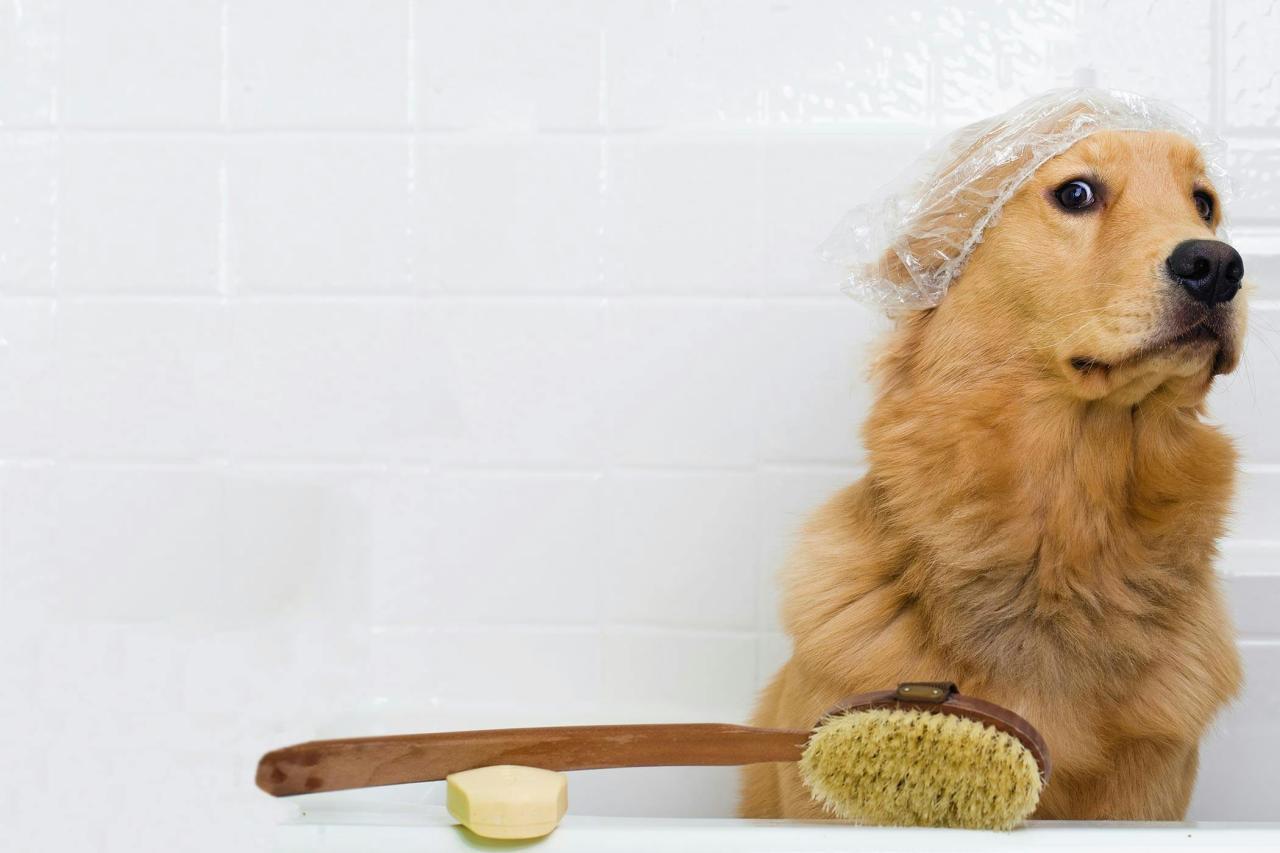
For many pet owners, grooming an anxious or fearful dog can be a daunting task. In some cases, seeking the assistance of a professional groomer may be not only beneficial but necessary for the well-being of both the dog and the owner. Professional groomers can provide specialized care, making grooming a more positive experience for anxious dogs. Understanding when to turn to a professional and how to find the right one is crucial for ensuring a successful grooming session.There are specific scenarios in which seeking a professional groomer becomes essential.
For instance, if an owner’s attempts at grooming lead to increased anxiety or aggression in the dog, it may be time to consider professional help. Additionally, breeds that require intricate grooming or handling techniques, such as poodles or terriers, may benefit significantly from a skilled groomer who understands how to manage their specific needs.
Qualities of a Groomer Experienced with Anxious Dogs
When searching for a professional groomer, it is important to identify specific qualities that indicate their experience and suitability for handling anxious dogs. Look for the following characteristics:
- Experience with Anxious Breeds: A groomer should have a background in working with various breeds, particularly those known for anxiety. Their experience will help them identify behavioral cues and respond appropriately.
- Calm Demeanor: A groomer who remains calm and composed can help soothe a nervous dog. Their ability to maintain a relaxed environment is critical for reducing fear and anxiety.
- Positive Reinforcement Techniques: Groomers who utilize positive reinforcement methods, such as treats or praise, will help create a more positive association with grooming sessions for the dog.
- Open Communication: A good groomer will encourage communication regarding your dog’s specific needs and anxieties. They should be receptive to feedback and suggestions from the owner.
- Flexible Approaches: Every dog is unique. A groomer should be willing to adjust their techniques and approach based on the individual dog’s temperament and anxiety level.
Communicating Your Dog’s Needs to a Professional Groomer
Effectively communicating your dog’s specific needs and anxieties to a professional groomer is vital for ensuring a successful grooming experience. Providing detailed information about your dog’s behavior, triggers, and past grooming experiences can significantly enhance the grooming process. Consider the following points while communicating your dog’s needs:
- Behavioral Patterns: Describe how your dog typically reacts to grooming, including any signs of stress or fear. For instance, if your dog growls or attempts to escape, sharing this information can help the groomer prepare accordingly.
- Triggers: Identify specific triggers that cause anxiety in your dog, such as loud noises or unfamiliar environments. Informing the groomer about these triggers allows them to create a more comfortable atmosphere.
- Preferred Techniques: If your dog has specific preferences or dislikes, such as a preference for hand-drying over using a blow dryer, relay this information to the groomer to accommodate your dog’s comfort.
- Medical History: Share any relevant medical history that may impact grooming, such as previous injuries or sensitivities. This ensures the groomer is aware of any special considerations needed during the grooming process.
- Desired Outcomes: Clearly state what the owner hopes to achieve from the grooming session, whether it’s a simple wash or a full groom. This helps the groomer understand expectations and work towards them effectively.
Additional Resources
When navigating the challenges of grooming an anxious or fearful dog, having access to reliable resources can make a significant difference in the experience for both the dog and the owner. The following curated list of books, articles, and contact information for professionals can provide valuable insights and support in managing canine anxiety and fear during grooming.
Recommended Books and Articles on Grooming Anxious Dogs
A wealth of literature exists that addresses the nuances of grooming anxious dogs, providing techniques, strategies, and understanding that can be beneficial to owners. Here are a few noteworthy recommendations:
- The Dog Behavior Answer Book by John Ciribassi, PhD, DVM: This book covers a range of behavioral issues, including anxiety, with practical solutions.
- Calming Your Anxious Dog: The Complete Guide to a Calm, Happy Pet by Dr. Amy W. J. Weller: A comprehensive resource focusing on techniques to ease anxiety in dogs.
- The Perfect Puppy: How to Raise a Well-Behaved Dog by Gwen Bailey: While it focuses on puppy training, it includes valuable sections on socialization that can help reduce anxiety.
- Articles from the American Kennel Club (AKC): The AKC website offers various articles on understanding dog anxiety and effective grooming techniques.
Contact Information for Professional Dog Trainers and Behaviorists
For cases where additional support is needed, contacting a professional dog trainer or behaviorist who specializes in anxiety can be beneficial. Below is a list of resources where you can find qualified professionals:
- Certified Professional Dog Trainer (CPDT): Visit the Association of Professional Dog Trainers (APDT) to locate a certified trainer in your area.
- International Association of Animal Behavior Consultants (IAABC): This organization provides a directory of certified animal behavior consultants and trainers.
- Pet Professional Guild (PPG): Access a list of trainers who use force-free methods to assist dogs with anxiety.
Local Support Groups and Online Communities
Connecting with other dog owners facing similar challenges can provide emotional support and practical advice. There are various local and online communities dedicated to helping owners with anxious pets. Consider the following options:
- Meetup Groups: Search for local dog owner meetups that focus on training and support for anxious dogs. These gatherings can provide a platform for sharing experiences and strategies.
- Facebook Groups: There are numerous groups such as “Anxiety in Dogs Support Group” that offer a community for sharing tips and experiences.
- Reddit Communities: Subreddits like r/dogs and r/AnxietyInDogs provide a space for discussions and support among dog owners.
Epilogue
In conclusion, how you handle the grooming process can greatly influence your anxious dog’s behavior and overall well-being. By utilizing the strategies discussed, you can ensure that grooming becomes a more pleasant experience, reinforcing the bond between you and your pet. Remember, patience and understanding are key, and seeking professional help when needed can also contribute to a more positive grooming journey for both you and your beloved companion.