Grooming is an essential aspect of a puppy’s early development, influencing not only their physical appearance but also their emotional well-being. Understanding the significance of grooming can foster a positive relationship between the puppy and their owner, helping the puppy to build confidence and reduce anxiety. In this guide, we will explore the importance of grooming, the tools involved, and effective techniques that ensure a pleasant grooming experience for both the puppy and the owner.
From establishing a consistent grooming routine to addressing potential challenges, this comprehensive overview provides valuable insights into how grooming practices can lay the groundwork for a confident and secure puppy. By implementing these strategies, owners can create a nurturing environment that promotes healthy habits and strengthens the bond between them and their furry companions.
Understanding Puppy Grooming
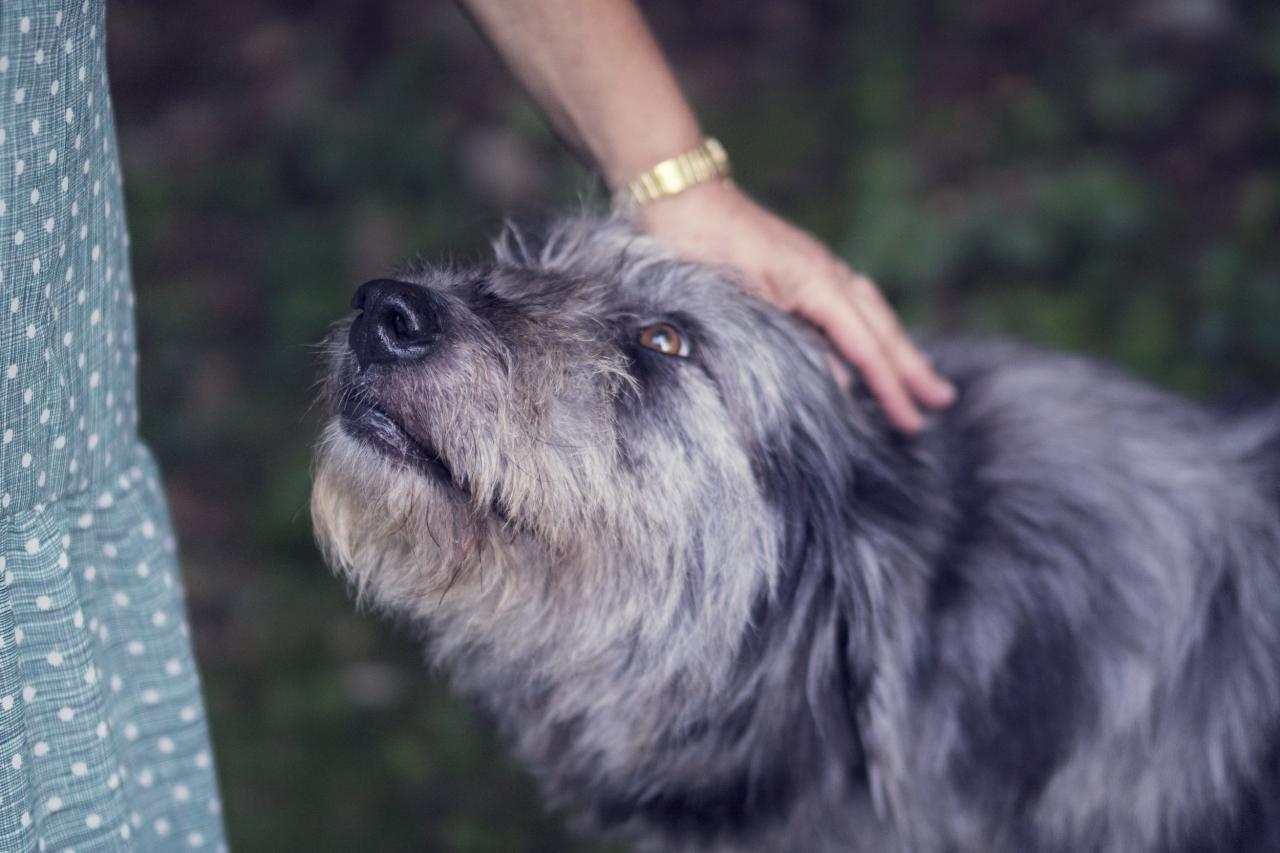
Grooming is a vital aspect of a puppy’s early life that extends beyond mere aesthetics. It plays an integral role in their overall development, contributing significantly to their health, comfort, and well-being. Proper grooming fosters a positive relationship between the puppy and its owner, setting the foundation for a confident and well-adjusted adult dog.
Regular grooming impacts a puppy’s confidence and behavior in various ways. Through consistent grooming practices, puppies learn to trust their owners and become accustomed to handling, which can reduce anxiety during veterinary visits or other stressful situations. Grooming also helps in exposing the puppy to different sensations, sounds, and environments, further enhancing its adaptability and social behavior. For instance, a puppy that is accustomed to grooming is less likely to exhibit fear or aggression when being handled.
Types of Grooming Tools and Their Purposes
Utilizing the appropriate grooming tools is essential for effectively maintaining a puppy’s coat and hygiene. Each tool has a specific purpose and contributes uniquely to the grooming process. Understanding the functions of these tools can significantly improve the grooming experience for both the puppy and the owner.
The following are common grooming tools along with their respective purposes:
- Brush: A key tool for removing loose fur and preventing matting. Different brushes serve specific coat types, such as slicker brushes for long-haired breeds and bristle brushes for short-haired breeds.
- Comb: Essential for detangling and checking for parasites. A fine-toothed comb is useful for areas prone to matting, such as behind the ears and under the legs.
- Nail Clippers: Important for maintaining nail health and preventing discomfort. Regular nail trimming avoids overgrown nails, which can lead to painful walking conditions.
- Shampoo: Specially formulated puppy shampoo is crucial for cleaning the coat without irritating the skin. It is advisable to use gentle, hypoallergenic products suited for young dogs.
- Towels: Necessary for drying the puppy after baths. Soft, absorbent towels help keep the puppy comfortable and warm while minimizing stress during the drying process.
- Ear Cleaner: Helps in maintaining ear hygiene. Regular cleaning can prevent infections and discomfort caused by moisture buildup or wax accumulation.
- Toothbrush and Toothpaste: Dental care tools that promote oral health. Regular brushing helps prevent plaque buildup and maintains fresh breath.
Regular grooming nurtures not only a puppy’s appearance but also its emotional well-being, promoting a bond of trust between the pet and its owner.
Establishing a Grooming Routine
Creating a consistent grooming routine for your puppy is crucial for their well-being and development. Regular grooming not only helps maintain your puppy’s coat and hygiene but also builds their confidence and trust in you. A well-structured grooming schedule allows you to monitor your puppy’s health and helps them become accustomed to the grooming process, ultimately making it a positive experience for both of you.
Establishing a grooming routine involves several key factors, including the breed of the puppy, coat type, and individual temperament. Understanding these components will help you determine the appropriate frequency and type of grooming necessary to keep your puppy looking and feeling their best. Below is a step-by-step guide for setting up a grooming schedule tailored to your puppy’s needs.
Step-by-Step Guide to Setting Up a Grooming Schedule
To create an effective grooming routine, begin by evaluating your puppy’s specific needs. The following steps Artikel how you can develop a comprehensive grooming schedule:
- Assess the breed and coat type: Different breeds have varying grooming requirements. For instance, long-haired breeds like Shih Tzus or Yorkshire Terriers need more frequent grooming than short-haired breeds like Beagles or Bulldogs.
- Consider your puppy’s age: Puppies may require more frequent grooming as they adapt to the process. Young puppies can typically handle shorter grooming sessions to build their comfort level.
- Determine grooming frequency: Based on breed and coat type, establish how often your puppy needs to be groomed. This could range from daily brushing for long-haired breeds to weekly or bi-weekly grooming for shorter coats.
- Develop a grooming schedule: Create a calendar that Artikels daily, weekly, and monthly grooming tasks. Include time for brushing, bathing, nail trimming, and ear cleaning.
- Incorporate positive reinforcement: Use treats and praise during grooming sessions to ensure your puppy associates grooming with a positive experience.
Factors Influencing Grooming Frequency
When determining how often to groom your puppy, consider the following factors:
- Coat Length: Long-haired dogs require more frequent grooming to prevent matting and tangles, while short-haired dogs may only require occasional brushing.
- Activity Level: Active puppies may accumulate dirt and debris in their coats more quickly, necessitating more frequent grooming.
- Health Conditions: Certain health issues, such as skin allergies or parasites, may require more diligent grooming to manage symptoms and maintain hygiene.
- Seasonal Changes: During shedding seasons, more frequent grooming may be needed to manage loose fur.
Examples of Grooming Tasks
It is essential to differentiate between daily, weekly, and monthly grooming tasks to maintain your puppy’s overall health and well-being. Below are examples of typical grooming tasks categorized by frequency:
- Daily Tasks:
- Brushing the coat to remove tangles and debris.
- Wiping the eyes and ears to prevent buildup.
- Weekly Tasks:
- Bathing the puppy with a gentle puppy shampoo.
- Trimming the nails to prevent overgrowth and discomfort.
- Monthly Tasks:
- Taking the puppy to a professional groomer for a full groom, especially for breeds requiring specialized cuts.
- Checking for signs of parasites and scheduling any necessary veterinary treatments.
By establishing a consistent grooming routine, you will foster a trusting relationship with your puppy while ensuring they remain healthy and confident throughout their lives.
Techniques for Gentle Grooming
Grooming a puppy is not only essential for maintaining their hygiene but also plays a crucial role in building their confidence and comfort with handling. Employing gentle grooming techniques ensures a positive experience for both the puppy and the owner. Familiarizing your puppy with these techniques from an early age can make grooming sessions a bonding time filled with trust and relaxation.
Below are several key techniques for effective and gentle grooming.
Brushing a Puppy’s Coat
Brushing is a fundamental part of grooming that helps to remove loose fur, dirt, and debris while distributing natural oils for a healthy coat. To ensure that this process is comfortable for your puppy, it is vital to use the right tools and techniques. The following steps Artikel the proper method for brushing your puppy’s coat:
- Choose an appropriate brush based on your puppy’s coat type: For short-haired breeds, use a bristle brush; for long-haired breeds, opt for a slicker brush.
- Begin brushing in a calm and quiet environment to avoid startling your puppy. Allow them to sniff the brush first.
- Start at the head and move towards the back, using gentle, long strokes. Avoid pulling on any tangles; instead, work through them slowly.
- Reward your puppy with treats or praise throughout the process to reinforce positive behavior and help them associate grooming with pleasant experiences.
Bathing a Puppy
Bathing can often be a stressful experience for puppies if not introduced properly. To create a stress-free bathing environment, follow these guidelines for a soothing bathing experience:
- Use lukewarm water to ensure comfort; cold or hot water can be distressing.
- Before bathing, brush your puppy’s coat to remove any loose hair and mats. This pre-bath grooming can make the bathing process easier.
- Introduce the bath gradually, allowing your puppy to explore the bathing area without pressure.
- Apply a gentle, puppy-safe shampoo. Lather and rinse thoroughly, taking care to avoid getting shampoo in their eyes or ears.
- After rinsing, wrap your puppy in a soft towel and gently pat them dry, avoiding vigorous rubbing that may cause anxiety.
Nail Trimming
Regular nail trimming is essential for your puppy’s health and comfort, preventing issues such as pain or injury from overgrown nails. This process should be approached with care and precision to keep it a positive experience. The following steps will guide you through safe nail trimming:
- Gather the necessary tools, such as a pair of dog nail clippers or a nail grinder, and ensure they are sharp and clean.
- Get your puppy accustomed to having their paws handled by gently massaging them and rewarding calm behavior.
- Identify the quick, which is the pink area inside the nail that contains blood vessels. Avoid cutting into the quick, as it can be painful and may lead to bleeding.
- Trim only the tips of the nails, taking small bits at a time. If you’re uncertain, it is advisable to consult a veterinarian or a professional groomer for guidance.
- After trimming, reward your puppy with praise or treats to create a positive association with the process.
Preparing Your Puppy for Grooming
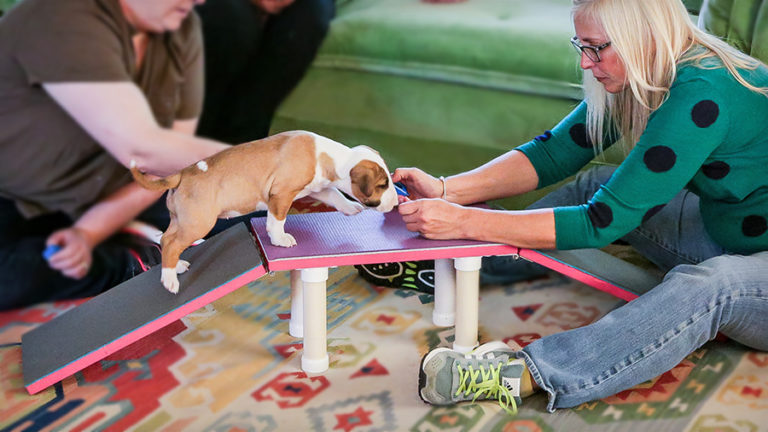
Establishing a positive grooming experience begins with properly preparing your puppy. This phase is essential in ensuring that the grooming process is not only efficient but also enjoyable for your furry friend. By introducing grooming tools and sounds gradually, you can help your puppy build confidence and reduce anxiety.To effectively prepare your puppy for grooming, it is crucial to familiarize them with the various tools and sounds associated with the process.
This can be achieved through gradual exposure and positive reinforcement.
Acclimating Your Puppy to Grooming Tools and Sounds
Introducing grooming tools should be done in a gentle and non-threatening manner. This helps to demystify the objects that may seem intimidating to a young puppy.
- Start by allowing your puppy to sniff and explore the grooming tools, such as brushes and clippers, while they are turned off. This exploration can help them associate the tools with curiosity rather than fear.
- Gradually turn on the clippers or blow dryer at a distance, allowing your puppy to hear the sounds without feeling overwhelmed. Always observe their reaction and reduce the volume or distance if they appear anxious.
- Combine the exposure to sounds with playtime or treats. This positive association will help your puppy feel more relaxed when these tools are later used during grooming sessions.
Creating a Calm Environment for Grooming Sessions
The environment where grooming takes place significantly impacts your puppy’s comfort level. A calm and inviting atmosphere can enhance relaxation and cooperation during grooming.
- Choose a quiet, well-lit space free from distractions. A dedicated grooming area can help your puppy recognize this environment as a safe space for their grooming routine.
- Utilize calming music or white noise to drown out any startling sounds from outside. This can help create a soothing backdrop that minimizes anxiety.
- Consider using non-slip mats or blankets to provide traction and comfort, making the grooming area feel more secure for your puppy.
Rewarding and Reinforcing Positive Behavior During Grooming
Rewarding your puppy for good behavior during grooming is vital for creating a positive experience. This reinforcement encourages them to remain calm and cooperative.
- Utilize treats or praise whenever your puppy remains still or allows you to use grooming tools. This helps to build a positive association with grooming.
- Incorporate short grooming sessions, gradually increasing their length as your puppy becomes more accustomed to the process. This prevents overwhelming them and allows for frequent rewards.
- Be patient and maintain a gentle tone. If your puppy exhibits signs of stress, take a step back and allow them to regain composure before continuing.
Addressing Grooming Challenges
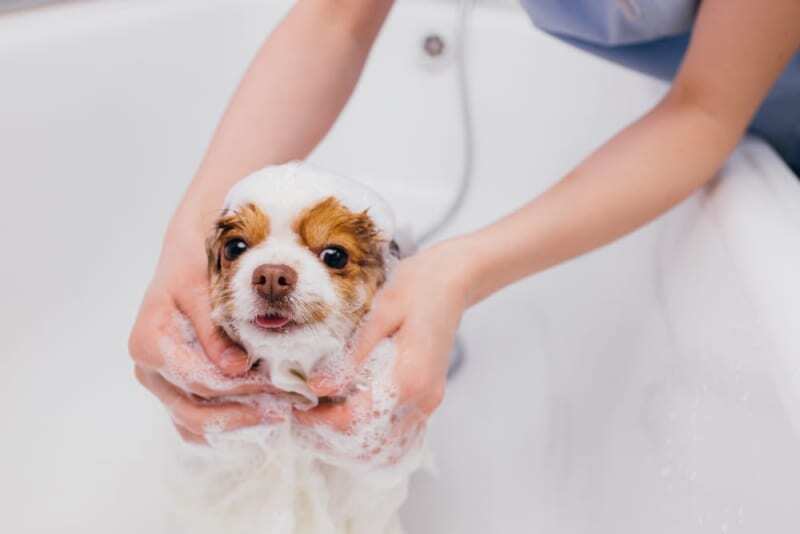
Grooming a puppy can be a rewarding experience, but it can also present various challenges. Identifying these common issues and implementing effective strategies will ensure a positive grooming experience for both the puppy and the owner. Addressing these challenges is crucial in building the puppy’s confidence and ensuring their comfort throughout the grooming process.One prevalent challenge during puppy grooming is fear or anxiety.
Many puppies may display signs of distress due to unfamiliar sounds, sensations, or being restrained. Recognizing these signs and having a plan in place can significantly ease the grooming process.
Common Grooming Issues and Solutions
It is essential to acknowledge that certain grooming issues can arise, and having effective solutions can make a substantial difference. Here are some common grooming challenges along with strategies to tackle them:
- Fear of grooming tools: Many puppies are initially afraid of clippers, scissors, or brushes. Gradually desensitizing them by allowing them to explore these tools without immediate grooming can help ease their fears.
- Resistance to being handled: Some puppies may resist being touched or restrained during grooming. Utilizing positive reinforcement techniques, such as treats and praise, can encourage them to accept handling.
- Matting and tangling in fur: This can be a common issue, particularly in long-haired breeds. Regular brushing, even short sessions, can help prevent mats and tangles from forming.
Solutions for Fearful or Anxious Puppies
When working with fearful or anxious puppies, it is vital to create a calm and supportive environment. Here are several solutions to assist in managing their anxiety during grooming:
- Introduce grooming tools slowly and positively. Allow the puppy to sniff and become accustomed to their presence before using them.
- Utilize gentle, calming voices and soothing touch while grooming, which can help the puppy feel more secure.
- Incorporate breaks during grooming sessions. This helps prevent overwhelming the puppy and allows them to relax.
Signs Indicating a Puppy May Need a Break
Recognizing when a puppy needs a break during grooming is critical for their well-being. Being attuned to their needs can lead to a more pleasant grooming experience. Here are some signs that a puppy may require a pause:
- Excessive whining or barking indicates distress or discomfort.
- Attempting to escape or squirming excessively can signal that the puppy is overwhelmed.
- Changes in body posture, such as tensing up or cowering, suggest fear or anxiety.
Utilizing these strategies and being observant of your puppy’s behavior can significantly improve the grooming experience. By addressing common challenges and providing a supportive environment, you can help your puppy build confidence and trust during grooming sessions.
Health and Safety Considerations
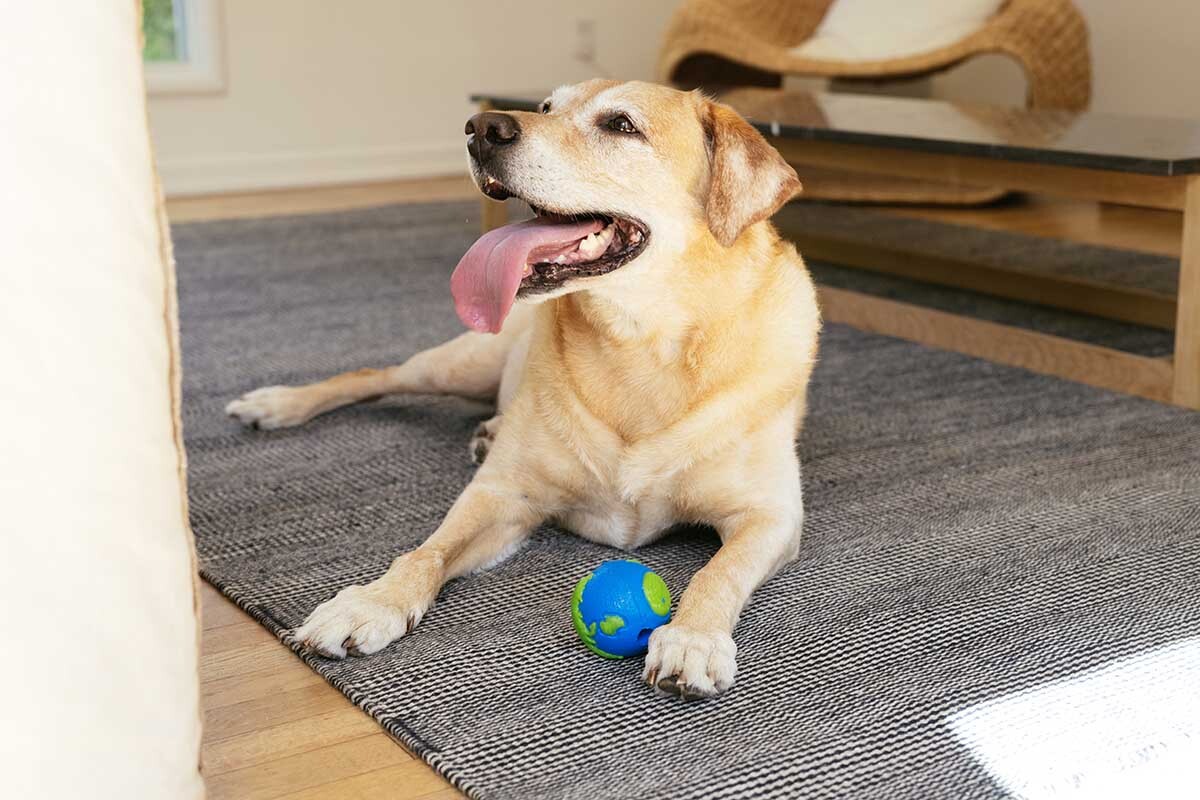
Grooming your puppy is not only about aesthetics; it also plays a vital role in their overall health and well-being. Regular grooming sessions provide an excellent opportunity to monitor your puppy’s skin condition and detect any potential health issues early on. It is essential to prioritize health and safety during these grooming sessions to ensure a positive experience for both you and your puppy.Checking for skin issues or parasites while grooming is paramount.
Puppies may develop various skin conditions, including allergies, infections, or irritations. Additionally, they are susceptible to parasites such as fleas, ticks, and mites, which can cause discomfort and lead to more severe health problems if left untreated. Regular checks during grooming can help you catch these issues early.
Monitoring for Skin Issues and Parasites
During each grooming session, it is crucial to conduct a thorough inspection of your puppy’s skin and coat. This enables you to identify any abnormalities early. Consider the following steps:
- Examine the skin for redness, swelling, or lesions.
- Check for excessive scratching or biting, which may indicate irritation or infestations.
- Look for signs of fleas or ticks, such as tiny black specks or the presence of the parasites themselves.
- Feel for any unusual lumps or bumps that may require further attention.
Being aware of safety precautions during grooming is equally important, especially when addressing sensitive areas. Puppies often have delicate skin, and certain areas, such as the ears, paws, and tail, require extra care. When grooming these sensitive areas, adhere to the following safety measures:
- Use grooming tools specifically designed for puppies with soft bristles and rounded edges.
- Be gentle while handling sensitive areas to avoid causing pain or discomfort.
- Introduce grooming tools slowly to prevent fear or anxiety in your puppy.
- Reward your puppy with treats and praise to create a positive association with the grooming process.
There are instances when consulting a professional groomer or veterinarian is advisable. Recognizing the signs that indicate a need for professional help can prevent potential complications and ensure your puppy receives the appropriate care. The following scenarios warrant consultation with a professional:
- If you observe persistent skin issues or unusual behavior during grooming.
- In case of severe matted fur that you cannot handle safely at home.
- When your puppy shows signs of extreme anxiety or fear during grooming sessions.
- If you identify any lumps or health concerns that require veterinary evaluation.
It is essential to prioritize your puppy’s health and safety during grooming, creating a routine that fosters confidence and well-being. By regularly monitoring for skin issues, taking safety precautions, and knowing when to seek professional assistance, you can ensure that grooming is a positive experience for your puppy.
Conclusion
In conclusion, grooming a puppy is not merely a task but a vital process that contributes to their overall development and self-assurance. Through the use of appropriate techniques and tools, and by fostering a calm and supportive atmosphere, owners can significantly enhance their puppy’s grooming experience. Ultimately, the consistent practice of grooming leads to a trusting relationship, ensuring that the puppy grows into a confident and well-adjusted adult dog.