How to Blend Different Coat Lengths with Clippers is a crucial skill in the world of grooming that not only enhances the aesthetic appeal of a pet’s coat but also ensures their comfort and health. Understanding the various coat lengths and the significance of blending them can markedly improve the quality of grooming services provided. This guide delves into the essential tools, techniques, and common pitfalls associated with blending, offering both novice and experienced groomers valuable insights to achieve professional results.
The systematic approach to blending, including the right tools and techniques, highlights the importance of a seamless transition between different coat lengths. By mastering these skills, groomers can create a polished look that caters to the individual needs of each pet and their owners.
Understanding Coat Lengths
In the realm of pet grooming, understanding coat lengths is essential for achieving a polished and aesthetically pleasing appearance. Different coat lengths refer to the varied lengths of hair found on different parts of an animal’s body. Mastering these concepts not only enhances the groomer’s skill set but also contributes to the overall health and well-being of the animal.The significance of blending different coat lengths lies in creating a seamless transition that flatters the pet’s physique while ensuring comfort.
Proper blending techniques help avoid harsh lines that can detract from the animal’s natural beauty. Furthermore, effective management of coat lengths can prevent issues such as matting and discomfort, thus promoting better hygiene and ease of maintenance for the pet owner.
Definitions of Coat Lengths
Coat lengths are categorized using specific grooming terminology that assists in identifying and addressing each type effectively. The following definitions provide clarity on various coat lengths:
- Short Coat: This type typically measures less than one inch in length. Breeds with short coats, such as Beagles and Doberman Pinschers, require minimal maintenance and often shed less.
- Medium Coat: Ranging from one to two inches, medium coats include breeds like Labrador Retrievers. These coats require regular grooming to prevent tangles and mats.
- Long Coat: Long coats measure over two inches and can be found in breeds like Golden Retrievers and Afghan Hounds. They need frequent grooming to maintain their appearance and prevent matting.
- Double Coat: This consists of two distinct layers—a soft undercoat and a tougher outer coat. Breeds such as Siberian Huskies possess double coats, which require specialized attention during grooming.
Significance of Blending Techniques
Blending techniques are crucial in grooming as they ensure a smooth transition between different coat lengths. Performing this correctly allows for a more natural look, enhancing the pet’s overall appearance. The following points highlight the importance of proper blending:
- Aesthetic Appeal: Well-blended coats enhance the visual appeal of the pet, making them look groomed and cared for.
- Health Benefits: Proper blending reduces the risk of matting, which can lead to skin irritations and discomfort for the pet.
- Ease of Maintenance: Blended coats are easier for pet owners to maintain, as they require less intensive grooming and reduce the frequency of trips to the groomer.
Common Mistakes in Managing Coat Lengths
In the process of grooming, certain mistakes can occur when managing different coat lengths. Recognizing these pitfalls can help groomers improve their techniques. Key mistakes include:
- Inconsistent Blending: Failing to blend properly can lead to harsh lines, which detracts from the overall look.
- Neglecting Undercoats: Ignoring the undercoat of double-coated breeds can create discomfort for the animal and lead to matting.
- Using Incorrect Tools: Utilizing the wrong clippers or blades for specific coat lengths can result in uneven cuts and potential harm to the pet’s skin.
“The key to great grooming is understanding the unique needs of each coat type and applying the appropriate techniques for blending.”
Tools for Blending Coat Lengths
To achieve a seamless blend of different coat lengths during grooming, the selection of appropriate tools is paramount. The right equipment not only enhances the overall appearance of the coat but also ensures a comfortable experience for the animal. This section Artikels the essential tools required for effective coat blending, focusing on clipper types, guard sizes, and supplementary grooming tools.
Clipper Types and Their Uses
Selecting the right type of clipper is essential for blending various coat lengths effectively. Different clippers serve different purposes, making it necessary to understand their functionalities. The main types of clippers include:
- Standard Clipper: Ideal for general grooming, these clippers are versatile and can handle both short and long coats.
- Trimmer: Perfect for precision work, trimmers are used for detailing around sensitive areas such as the face, paws, and tail.
- Heavy-Duty Clipper: Designed for thick and matted coats, these clippers provide the power needed for tougher jobs.
Clipper Guard Sizes and Corresponding Coat Lengths
Utilizing clipper guards is essential for achieving the desired coat length while blending. Each guard size corresponds to a specific coat length, allowing for a more controlled grooming process. Below is a list of common clipper guard sizes alongside their respective coat lengths:
| Clipper Guard Size | Coat Length (inches) |
|---|---|
| Size 0 | 0.5 inches |
| Size 1 | 3/8 inches |
| Size 2 | 1/4 inches |
| Size 3 | 1/8 inches |
Additional Grooming Tools for Blending
In addition to clippers, various grooming tools can aid in blending coat lengths, ensuring a polished and professional finish. These tools enhance the grooming process and allow for precision and control. Important additional tools include:
- Grooming Scissors: Used for blending and finishing the coat, scissors help achieve a smooth transition between different lengths.
- Combs: Essential for detangling and sectioning the coat, combs allow for better visibility and access during the grooming process.
- Thinning Shears: These specialized scissors help reduce bulk and create a natural blend by removing bulk from specific areas without altering the overall length.
Techniques for Blending Coat Lengths
Blending different coat lengths effectively is essential for achieving a polished and professional look in grooming. Proper techniques not only enhance the appearance of the pet but also ensure a smooth transition between various lengths. This section delves into the techniques that can be employed to master the art of blending coat lengths using clippers.Starting the blending process involves a systematic approach where the longest coat length is used as a foundation.
This method ensures that the transition between lengths is gradual and aesthetically pleasing. It is crucial to remember that going from longer to shorter lengths helps set a base for the overall look, preventing abrupt changes that can be harsh on the eye and can result in a jarring appearance.
Flicking Motion with Clippers for Seamless Blending
To achieve a seamless blend, the flicking motion with clippers is a highly effective technique. This motion allows for a soft transition between lengths, softening the lines that can often appear when cutting hair to different lengths. The flicking technique involves tilting the clipper blade slightly and using the tip of the blade to gently flick out the hair. This method is particularly useful in areas where coat lengths transition, such as around the neck and tail.The importance of mastering this technique cannot be overstated, as it significantly impacts the final look.
Practicing the flicking motion will help groomers feel more comfortable controlling the clippers and create a softer finish.
Step-by-Step Guide for Blending with Clippers
Before starting the blending process, preparation is key to ensure the best results. The following steps Artikel a comprehensive approach to blending coat lengths with clippers.First, gather all necessary tools: clippers, different blade lengths, combs, scissors, and a spray bottle with water. Ensure that the clippers are clean, well-oiled, and functioning properly.
1. Preparation of the Coat
Begin by thoroughly brushing the pet’s coat to remove any tangles and dirt, ensuring that the hair is clean and manageable. A clean coat allows for a smoother cut and better blending.
2. Setting the Initial Length
Use the longest blade suitable for the pet’s coat type to start the blending. This establishes the base length from which you will work.
3. Starting with the Longest Coat
Begin clipping the longest sections of the coat, moving in the direction of hair growth. This will create a uniform base layer.
4. Transitioning to Shorter Lengths
Gradually change to shorter blades as you work your way down the coat. Always ensure that you transition slowly to avoid harsh lines.
5. Implementing the Flicking Technique
Utilize the flicking motion by tilting the clipper and gently flicking the blade outwards at the areas where different lengths meet. This technique softens the edges and creates a more natural blend.
6. Final Touches
After completing the blending process, inspect the coat for any uneven areas. Use scissors or a smaller clipper blade to refine the edges and ensure a smooth finish.Implementing these steps with patience and practice will lead to well-blended coat lengths that enhance the overall grooming experience. A well-executed blend not only showcases the groomer’s skill but also contributes positively to the pet’s appearance and comfort.
Common Blending Techniques
Blending techniques are essential for achieving a seamless transition between different coat lengths in grooming. Understanding the nuances between various methods can significantly enhance the overall aesthetic of a groomed pet. This section will delve into the common blending techniques used by professional groomers, highlighting the distinctions between blending and fading, contrasting straight and curved blending methods, and examining the role of thinning shears in blending.
Difference Between Blending and Fading
Blending and fading are terms often used interchangeably in grooming; however, they refer to distinct techniques. Blending involves smooth transitions between different lengths of hair, creating a harmonious and natural appearance. This technique ensures that the coat maintains volume and texture without abrupt changes. In contrast, fading is characterized by a gradual reduction in hair length, often used to create a softer appearance at specific points, such as around the ears or neck.
Fading is typically more apparent and may not maintain the same volume throughout the coat.
Blending aims for a seamless look, while fading creates a softer, more tapered effect.
Straight Blending Method
The straight blending method is primarily utilized when the desired coat length is relatively uniform. This technique involves using clippers in a consistent manner, following the natural direction of the hair growth. This approach is most effective when working with breeds that have a straight coat, as it allows the groomer to maintain the coat’s natural texture while achieving a precise blend.
The straight blending method is also ideal for creating a clean look, especially around ears and legs.
Curved Blending Method
Curved blending is employed to handle more complex coat structures, particularly for breeds with rounder body shapes or those with flowing, wavy coats. This method involves using clippers or scissors in a curved motion, following the contour of the animal’s body. Utilizing the curved blending technique helps to create a more dynamic appearance, allowing for volume and movement. It is particularly effective when transitioning between a longer body coat and shorter areas, such as the belly or underarms.
Curved blending enhances the natural flow of the coat, contributing to a more aesthetically pleasing look.
Use of Thinning Shears
Thinning shears are a valuable tool in the blending process, allowing for precise adjustments and a softer finish. These shears are designed to remove bulk from the coat without significantly shortening the length. When used correctly, thinning shears can create a more natural transition between differing coat lengths. They are particularly beneficial for breeds with thick or double coats, where blending can be challenging.
The shears help to break up the bulk, creating a smoother appearance.In practice, groomers often use thinning shears on areas where a seamless blend is desired, such as around the face and legs. This method allows for a more refined look, ensuring that the transitions between lengths are subtle and aesthetically pleasing.
Thinning shears provide the finesse needed for creating delicate blends in a groomed coat.
Tips for Achieving a Natural Look
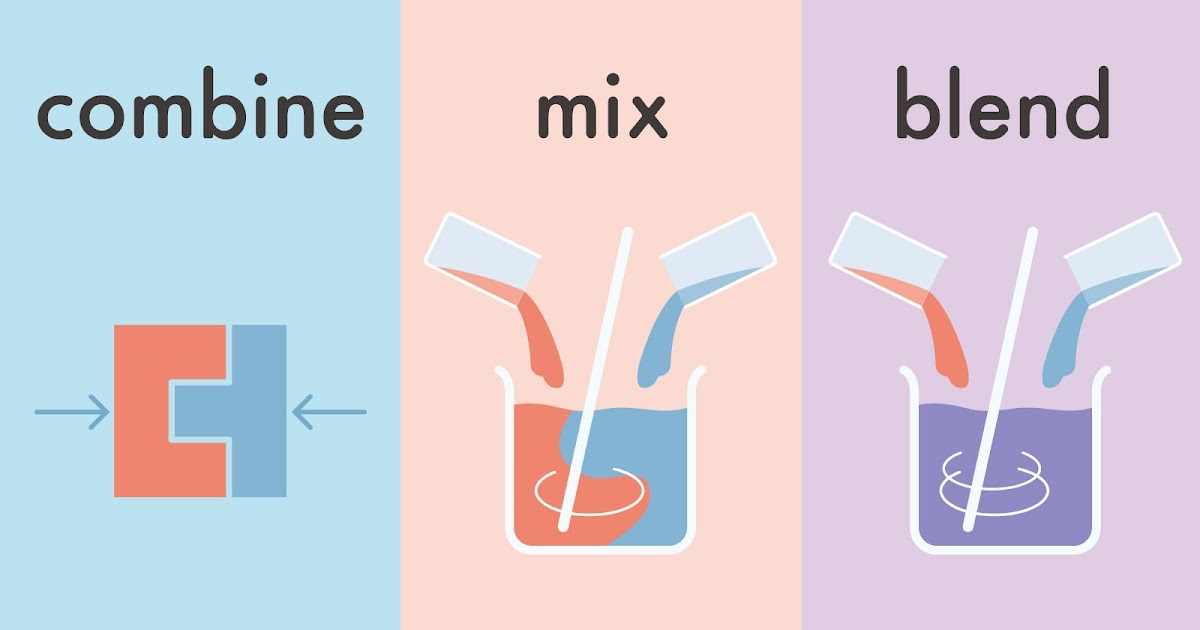
Achieving a natural look when blending different coat lengths is essential for enhancing the overall appearance of a pet’s grooming. This process hinges on maintaining the texture of the coat while ensuring smooth transitions between lengths. A well-blended coat not only looks aesthetically pleasing but also contributes to the comfort and health of the animal.Maintaining coat texture during blending is crucial to achieving a natural look.
Textured coats have layers that add depth and character, thus it is important to avoid creating a flat appearance. One effective method to maintain this texture is to use blending tools, such as texturizing shears or specific clipper guards that allow for gradual length changes. By carefully selecting the right guard for different sections of the coat, groomers can achieve a seamless blend that preserves the natural movement of the fur.
Role of Regular Grooming in Maintaining Natural Blends
Regular grooming serves as a foundational practice for keeping blends looking fresh and natural. Frequent brushing prevents matting and tangling, which can disrupt the blended appearance. Additionally, grooming helps to distribute natural oils throughout the coat, enhancing shine and texture. Establishing a consistent grooming schedule is vital. Here are some effective strategies to ensure optimal grooming results:
- Brush the coat regularly to remove loose hair and prevent tangles.
- Bath the pet periodically with a suitable shampoo that maintains coat health.
- Use conditioning products to enhance texture and shine after baths, ensuring a healthy finish.
- Inspect the coat during grooming to identify any uneven areas that may need additional attention.
Inspecting the Blend Post-Grooming
After completing a grooming session, thorough inspection of the blended areas is important to ensure a natural look. This step allows the groomer to evaluate the effectiveness of the blending techniques used. Key aspects to consider during the inspection include:
- Run your fingers through the coat to feel for any uneven lengths or harsh lines.
- Examine the coat from multiple angles to catch any inconsistencies that may not be visible from one viewpoint.
- Use a fine-tooth comb to check for any clumps or tangled sections that may disrupt the blend.
- Assess the overall appearance and texture; if any areas appear too harsh, further blending may be required.
“A well-groomed pet reflects care and enhances the bond between pet and owner.”
Troubleshooting Blending Issues

Achieving a seamless blend with different coat lengths can be a challenge, particularly when dealing with uneven blending or patchy areas. Identifying these issues early on and applying the correct techniques can greatly enhance the final result. This section will provide insights into addressing common blending problems, including strategies for coat types that resist blending and a comprehensive troubleshooting checklist.
Fixing Uneven Blending and Patchy Areas
Uneven blending often results from inconsistent clipper movement, inappropriate guard lengths, or inadequate blending techniques. To remedy this, it’s essential to assess the areas needing attention and implement corrective measures. First, utilize a blending comb or scissor-over-comb technique to gradually blend the lines between different lengths.
- Blending combs have adjustable lengths that allow for precision when transitioning between shorter and longer lengths.
- Scissor-over-comb involves using scissors to cut the longer hair while using a comb as a guide to achieve an even finish.
If patchy areas persist, re-evaluate the clipper attachments used. It may be necessary to switch to a shorter guard to even out the length before blending again.
Handling Coat Types that Resist Blending
Certain coat types, such as curly and straight, present unique challenges in blending. Curly coats, for example, can appear uneven due to the natural bounce and curl pattern, while straight coats may show distinct lines of demarcation if not blended properly.For curly coats, it is recommended to:
- Use a thinning shear to reduce bulk in thicker areas and create a more uniform appearance.
- Ensure the clippers are appropriately adjusted to avoid pulling on the curls, which can lead to uneven cuts.
Straight coats require a different approach:
- Use consistent clipper strokes with a slight flick of the wrist at the ends to create a natural transition.
- Employing the clipper-over-fingers technique can also assist in maintaining control and achieving smooth blends.
Troubleshooting Checklist for Common Blending Problems
Having a proactive checklist can help in diagnosing and fixing blending issues effectively. The following points address typical concerns:
Check Clipper Maintenance
Ensure blades are sharp and clean to avoid snagging and pulling.
Assess Guard Lengths
Verify that the correct guard lengths are used for the desired blend.
Evaluate Technique
Reflect on the blending technique employed; adjust as needed for smooth transitions.
Monitor Speed and Pressure
Too much speed or pressure can create uneven cuts; moderate your approach.
Review Coat Type Differences
Be aware of how different coat textures may require customized techniques for optimal blending.
“A well-maintained clipper and a thoughtful approach to blending can save time and enhance the quality of your grooming work.”
By employing these troubleshooting techniques and recognizing the unique characteristics of various coat types, groomers can proficiently address blending issues for a polished and professional finish.
Client Communication for Blending Services
Effective client communication is essential for achieving successful blending services in grooming. Establishing a clear understanding of a client’s desires regarding coat lengths helps to ensure satisfaction with the final result. This segment discusses the importance of assessing client preferences, discussing realistic outcomes, and educating clients on aftercare for blended cuts.
Assessment of Client Desires Regarding Coat Lengths
Understanding a client’s specific desires is crucial for providing a tailored grooming experience. Begin by engaging the client in a conversation about their preferred styles and expectations. It’s beneficial to ask open-ended questions that encourage them to share their vision for their pet’s coat. Additionally, visual aids, such as style books or images of previous works, can help clients articulate their preferences more clearly.
- Encourage clients to describe their ideal look using terms such as “shorter,” “longer,” or “layered,” to help define the desired outcome.
- Inquire about any previous experiences with blended cuts that they liked or disliked, as this can provide insight into their preferences.
- Consider conducting a physical assessment of the pet’s coat before the grooming session, allowing the client to observe the natural coat variations and discussing how these factors influence the blending process.
Discussion of Realistic Outcomes with Clients
Communicating realistic expectations is key to client satisfaction and trust-building. Clients may have idealized visions of their pet’s coat that are not feasible due to factors such as coat type, texture, or condition. It is important to provide guidance on what is achievable through blending techniques.
- Clearly explain the limitations of specific blending techniques, such as the impact of a dog’s coat type on the final appearance. For instance, a curly coat may require different blending methods than a straight coat.
- Discuss the expected maintenance and how coat length will influence the grooming frequency in the future, helping clients understand the practicality of their desired styles.
- Utilize the opportunity to provide examples of similar past grooming experiences, showcasing outcomes that align with the client’s vision while maintaining realistic expectations.
Client Education on Aftercare for Blended Cuts
Educating clients on aftercare is vital to the longevity of blended cuts and ensuring that they maintain the desired look at home. Proper aftercare will contribute to the overall health of the coat as well as the client’s satisfaction with the grooming service.
- Discuss the importance of regular brushing to avoid matting and maintain the shape of the blended cut, emphasizing the specific tools recommended for their pet’s coat type.
- Provide information on appropriate shampoos and conditioners that will preserve the coat’s texture and enhance the blending effect.
- Encourage clients to schedule follow-up grooming appointments to maintain the blended look, outlining the typical time frame based on their pet’s coat growth rate.
Last Recap

In conclusion, mastering the art of blending different coat lengths with clippers is essential for any groomer aiming to provide exceptional service. By understanding the techniques, tools, and client communication strategies discussed, you can ensure a natural look that meets your clients’ expectations while avoiding common mistakes. This expertise not only enhances the grooming experience but also builds trust and satisfaction among pet owners, making it a valuable addition to your grooming repertoire.