Trimming the hair around your dog’s eyes is a vital grooming task that significantly contributes to their overall health and well-being. Not only does it enhance their appearance, but it also helps prevent potential health issues such as infections or irritations caused by obstructed vision. Many breeds, particularly those with long or thick fur, require more frequent grooming in this area to ensure comfort and hygiene.
In this guide, we will explore the importance of this grooming practice, the essential tools required, and provide a step-by-step procedure to carry out the task safely. Moreover, we will highlight common mistakes to avoid and aftercare tips to ensure your dog’s eye health remains optimal.
Importance of Trimming Hair Around Dog’s Eyes

Trimming the hair around a dog’s eyes is an essential grooming practice that significantly contributes to the overall health and hygiene of your pet. This area is particularly sensitive and can be easily affected by excessive hair growth, leading to possible complications if not properly maintained. Regular grooming not only enhances your dog’s appearance but also prevents discomfort and health issues that may arise from overgrown fur.The necessity of trimming the hair surrounding a dog’s eyes is closely linked to both health and hygiene concerns.
Long hair can obstruct a dog’s vision, causing frustration and anxiety. Furthermore, excessive hair can trap moisture and dirt, creating a breeding ground for bacteria and infections. Dogs with long hair around their eyes may also experience tear staining, which can be unsightly and, in some cases, indicative of underlying health problems.
Consequences of Neglecting Eye Hair Grooming
Failing to trim the hair around a dog’s eyes can lead to several potential risks, which emphasizes the importance of this grooming routine. Below are some consequences of neglecting this grooming need:
-
Obstructed Vision:
Overgrown hair may block a dog’s line of sight, affecting their ability to navigate their environment safely.
-
Increased Risk of Infection:
Moisture and debris caught in the fur can lead to skin infections or irritations around the eye area.
-
Tear Staining:
Dogs with long hair around their eyes are more susceptible to unsightly tear stains, which can be persistent and difficult to clean.
-
Behavioral Changes:
Discomfort due to vision obstruction or irritation may lead to changes in behavior, such as increased anxiety or aggression.
Certain dog breeds are particularly prone to requiring more frequent grooming in the eye area due to their facial structure and fur type. Breeds such as the Shih Tzu, Poodle, and Maltese often have long, flowing hair that necessitates regular trimming to maintain their health and comfort. Additionally, breeds like the Bichon Frise and Cocker Spaniel tend to develop excessive hair around their eyes and may face similar grooming challenges.
Regular eye grooming not only enhances their appearance but also plays a crucial role in their overall well-being.
Tools Needed for the Task
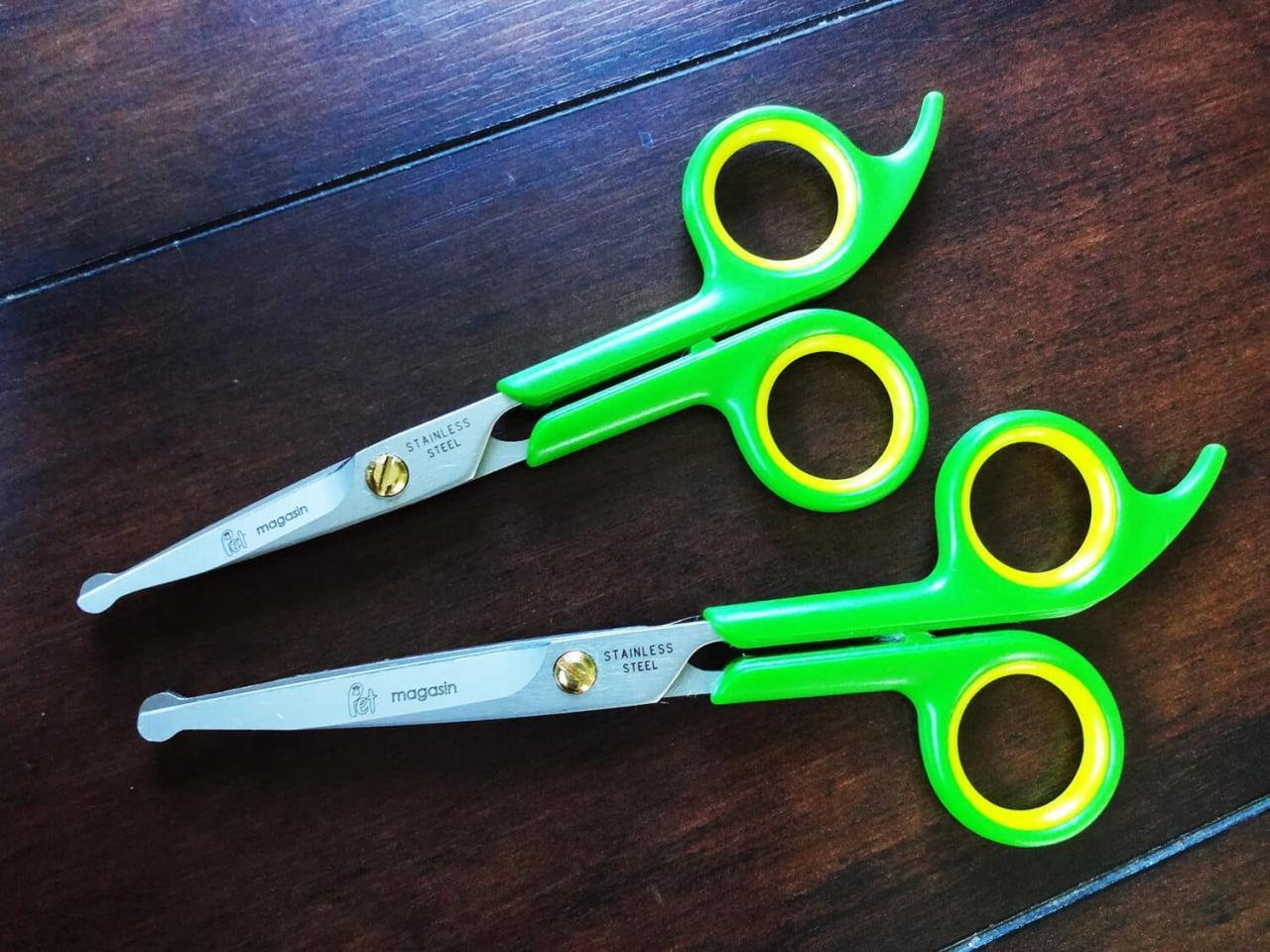
Trimming the hair around your dog’s eyes requires specific grooming tools designed to ensure safety and precision. The right tools will not only make the task easier but also enhance the comfort of your dog during the grooming process. It is essential to choose tools that are suitable for the delicate area around the eyes, minimizing the risk of injury while achieving a clean and professional look.The following tools are commonly recommended for grooming the area around your dog’s eyes, each with specific features that make them effective for this purpose.
Grooming Tools for Eye Area Trimming
When trimming hair around your dog’s eyes, it is important to utilize the following grooming tools to ensure a safe and efficient grooming experience.
- Curved Scissors: These scissors have a rounded blade that minimizes the risk of accidental cuts, making them ideal for trimming around sensitive areas. Look for scissors with a comfortable grip to enhance control.
- Safety Scissors: Designed specifically for pet grooming, these scissors often feature rounded tips and are made from stainless steel to prevent rust. They provide a secure means to trim hair near the eyes without causing harm.
- Electric Clippers: Cordless clippers equipped with a specific guard or attachment for facial hair can effectively trim the hair around the eyes without requiring much manual effort. They should be lightweight with low noise to reduce anxiety in pets.
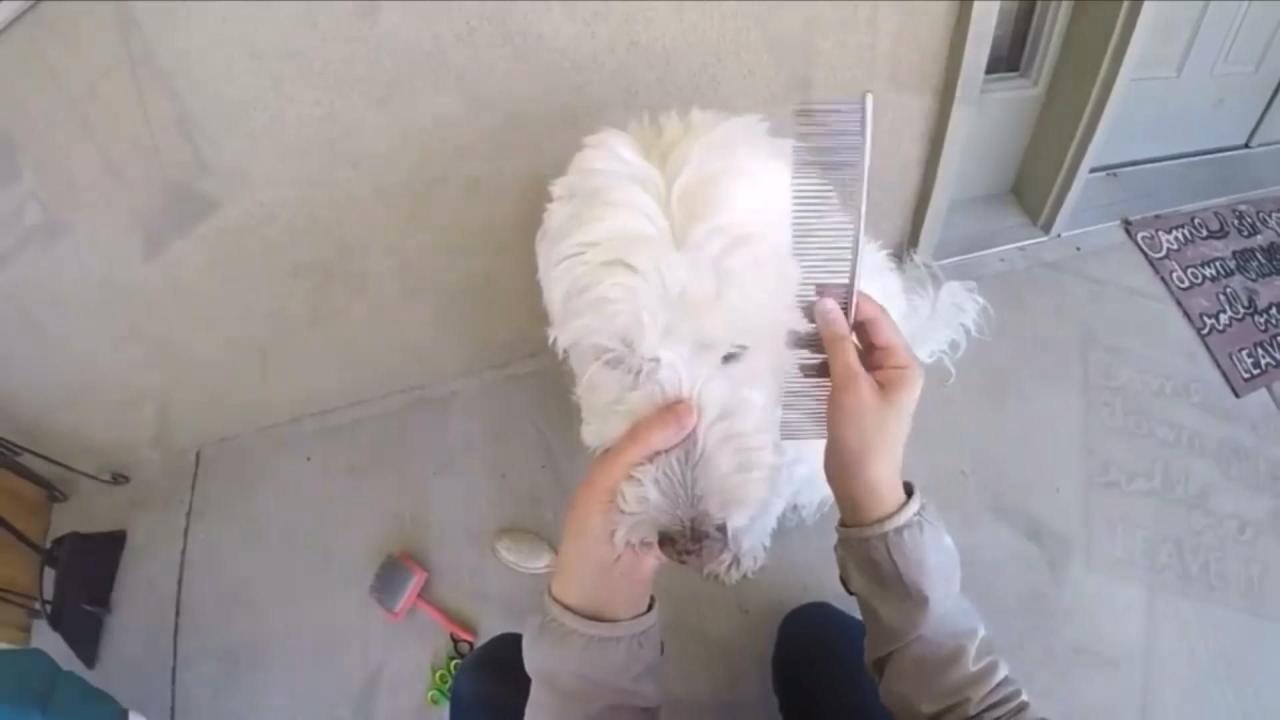
- Grooming Comb: A comb is essential for detangling hair and ensuring a neat trim. Look for a comb with widely spaced teeth to avoid pulling on your dog’s fur.
- Pet-Safe Eye Wipes: Though not a trimming tool, these wipes can help clean the area around the eyes before starting the grooming process, ensuring that any debris is removed for a clearer view of the hair to be trimmed.
Utilizing quality tools will ensure a positive grooming experience for both you and your dog. Each of these tools has unique features that cater to the needs of grooming near the eyes while maintaining safety and comfort.
Preparing Your Dog for Grooming
Creating a calm and positive environment for your dog before a grooming session is essential for both the pet and the groomer. Proper preparation can significantly reduce anxiety and ensure that the grooming process goes smoothly. By implementing specific strategies, you can make the experience enjoyable and less stressful for your dog, paving the way for regular grooming routines.Before proceeding to trim the hair around your dog’s eyes, it is crucial to position and secure your dog properly.
This not only ensures safety but also creates a conducive atmosphere for trimming. Here are some effective tips to calm your dog and prepare them for grooming:
Calming Techniques for Dogs
Establishing a calm demeanor is foundational for successful grooming. Here are a few techniques that can help soothe your dog prior to the grooming session:
- Use a Calm Voice: Speak softly and reassuringly to your dog. Your tone can convey a sense of safety and security.
- Provide Comfort Items: Allow your dog to have a favorite toy or blanket nearby. Familiar items can provide comfort and reduce anxiety.
- Gentle Petting: Engage in gentle petting and soothing strokes before starting the grooming process. This can help relax your dog.
- Play Soft Music: Background music can create a tranquil environment. Choose calming music specifically designed for dogs.
Proper Positioning and Securing of the Dog
Positioning your dog correctly during grooming is paramount for their safety and comfort. Here are important considerations for effective positioning:
- Use a Non-Slip Surface: Place your dog on a non-slip grooming table or mat to prevent slipping and discomfort.
- Secure with a Leash: Use a grooming loop or a leash to keep your dog secure in place, ensuring they do not jump or move unexpectedly during the trimming process.
- Choose a Comfortable Height: Make sure the grooming surface is at a comfortable height for you to work on, to avoid strain on your back and to maintain control over your dog.
- Positioning for Visibility: Ensure your dog is positioned so that you have clear visibility of their face, making it easier to trim the hair around their eyes accurately.
Associating Grooming with Positive Experiences
Helping your dog associate grooming with positive experiences can significantly improve their cooperation and comfort. Consider implementing the following strategies:
- Reward System: Use treats and positive reinforcement during and after grooming. This encourages good behavior and a positive association with the process.
- Short Sessions: Start with short grooming sessions, gradually increasing the duration as your dog becomes more comfortable with the experience.
- Include Playtime: Incorporate playtime with your dog after grooming sessions, reinforcing the idea that grooming leads to fun and enjoyable activities.
- Familiarization: Allow your dog to explore grooming tools when they are not in use. This helps them become familiar with the tools and reduces fear during grooming.
Step-by-Step Trimming Procedure
Trimming the hair around your dog’s eyes is an essential grooming task that helps maintain their vision and overall health. This process requires careful attention to detail and a gentle hand to ensure the safety and comfort of your pet. Follow the steps Artikeld below to effectively trim the hair around your dog’s eyes while minimizing the risk of injury.Before beginning the trimming process, it is critical to prepare both yourself and your dog.
This includes having the right tools on hand and creating a calm environment. The following steps offer a structured approach to safely trim the hair around your dog’s eyes.
Preparation and Trimming Steps
Before proceeding with the actual trimming, ensure you have all necessary tools ready. Having the right equipment not only makes the process smoother but also enhances safety for both you and your dog.
- Gather Your Tools: You will need safety scissors (preferably rounded at the tips), a comb or brush, and treats for positive reinforcement.
- Choose a Comfortable Location: Select a quiet, comfortable space where your dog feels at ease. This could be a grooming table or a familiar spot at home.
- Secure Your Dog: Have someone assist you in gently holding your dog, or use a grooming restraint if necessary. This helps prevent sudden movements during the trimming.
Once you have prepared everything, follow these steps to carefully trim the hair around your dog’s eyes:
- Brush the Fur: Start by gently brushing the hair around your dog’s eyes to remove any tangles and ensure a smooth trimming process.
- Examine the Area: Assess the length of the hair around the eyes. Look for any mats or excessive length that obstructs the vision.
- Position the Scissors: Hold the safety scissors at a slight angle, ensuring the rounded tips are directed away from the skin. This reduces the risk of accidental cuts.
- Trim Small Sections: Carefully trim small amounts of hair, working from the corner of the eye outward. Aim for about a quarter of an inch above the eye to avoid cutting too close.
- Take Breaks as Needed: If your dog seems restless or anxious, take short breaks. Offer treats and praise to reinforce calm behavior.
- Check for Symmetry: Periodically step back to assess the symmetry of the trim. Make any necessary adjustments to create an even appearance.
- Finishing Touches: Once satisfied, brush the area one last time to remove any loose hairs and ensure a neat finish.
Throughout the trimming process, prioritize safety and comfort. Keep the following precautions in mind:
Always maintain a steady grip on the scissors and avoid sudden movements to prevent accidents.
Be aware of your dog’s body language, and stop if they show signs of distress.
By following these detailed steps and safety precautions, you can successfully trim the hair around your dog’s eyes, enhancing their comfort and well-being.
Common Mistakes to Avoid
Trimming the hair around your dog’s eyes is a delicate task that requires attention and care. While the process is essential for the comfort and health of your pet, many pet owners can make mistakes that may lead to negative consequences. Recognizing these common errors can help improve the grooming experience for both you and your dog, ensuring a more positive outcome.One frequent error pet owners make is using incorrect tools for the job.
Employing scissors that are too sharp or not specifically designed for pet grooming can result in accidental cuts or injuries. Additionally, using clippers that are not suited for sensitive areas can lead to discomfort for your dog. The consequences of these mistakes can include stress for your pet, potential injuries, and a reluctance to be groomed in the future.
Strategies to Prevent Common Mistakes
To ensure a safe and effective grooming session, it is important to implement certain strategies that can help prevent common pitfalls. The following guidelines can greatly enhance the grooming experience:
- Always use grooming scissors designed for pets, which feature rounded tips to minimize the risk of injury.
- Keep your grooming area well-lit and free of distractions to help maintain focus while trimming.
- Familiarize your dog with the tools before starting the grooming process, allowing them to sniff and inspect them.
- Take your time during the trimming process; rushing can lead to mistakes and stress for both you and your dog.
- Regularly check the blades and scissors for any dullness or wear; sharp, well-maintained tools ensure a cleaner cut.
By adhering to these strategies, you can significantly reduce the risk of mishaps during grooming. Keeping your dog’s comfort and safety in mind will not only enhance their grooming experience but also strengthen the bond between you and your pet.
Aftercare Following Grooming
Ensuring proper aftercare following the grooming of your dog’s eye area is crucial for their overall health and comfort. This step is often overlooked but plays a significant role in preventing irritation and infection, which can arise from improper grooming practices. By maintaining a clean and healthy eye area, you can promote your dog’s wellbeing and comfort.Cleaning the eye area after trimming is vital, as it helps remove any loose hair, debris, or products that may have come into contact with your dog’s eyes.
This practice minimizes the risk of irritation and contributes to better eye health. Additionally, regular aftercare routines can help in identifying any potential issues early on, ensuring that timely action can be taken.
Post-Grooming Care Tips for Eye Health
To maintain your dog’s eye health after grooming, consider the following care tips. These practices can help ensure that your dog’s eyes remain clear and healthy:
1. Wipe the Eye Area
Use a damp, clean cloth to gently wipe around the eyes. This helps remove any hair or products that may have been left behind during the grooming process.
2. Monitor for Excess Tear Stains
Check for any unusual tear staining, which can indicate underlying health issues or irritations.
3. Apply Tear Stain Remover
If necessary, use a vet-recommended tear stain remover to keep the area clean and free from discoloration.
4. Inspect for Redness or Swelling
Regularly check the eye area for any signs of redness, swelling, or discharge, as these could signify irritation or infection.
5. Keep Hair Short
Maintain a routine trimming schedule to prevent the hair around the eyes from becoming too long, which can irritate them.
6. Consult Your Veterinarian
If you notice any persistent issues, or if your dog appears uncomfortable, consult your veterinarian for professional advice.The following table Artikels signs of irritation or infection to watch for after grooming. By being observant and proactive, you can help ensure your dog’s eye area remains healthy.
| Signs to Watch For | Description |
|---|---|
| Redness | Inflammation or redness around the eye area indicating potential irritation. |
| Swelling | Noticeable swelling that may accompany redness, suggesting an allergic reaction or infection. |
| Discharge | Any unusual discharge from the eyes, which can indicate an infection or tear duct issue. |
| Excessive Squinting | Frequent squinting or pawing at the eyes, often a sign of discomfort or irritation. |
| Changes in Behavior | Altered behavior such as increased aggression or withdrawal, which may indicate discomfort. |
By adhering to these aftercare guidelines and remaining vigilant for any signs of trouble, you can enhance your dog’s eye health and ensure a more pleasant grooming experience.
When to Seek Professional Help
Trimming the hair around your dog’s eyes is an essential aspect of grooming, but there are instances where professional assistance is advisable. Understanding when to seek help can ensure your dog’s safety and well-being, as some situations may require expert handling.Certain circumstances warrant professional grooming services. These include:
- Severe matting or tangling of fur around the eyes, which may require specialized tools and techniques to avoid causing discomfort or injury.
- Behavioral issues, where your dog may be anxious or uncooperative during grooming, making it difficult for you to handle the task safely.
- Underlying health concerns that require a more thorough examination, such as eye infections or irritations, which necessitate a veterinarian’s expertise.
Consulting a Veterinarian for Eye-Related Concerns
If you notice any abnormalities in your dog’s eyes, such as excessive tearing, redness, or discharge, it is crucial to consult a veterinarian. These symptoms may indicate underlying health issues that require medical attention. Regular veterinary check-ups can help detect problems early, preventing potential complications. Benefits of consulting a veterinarian include:
- Accurate diagnosis of eye conditions, allowing for timely treatment and management.
- Professional recommendations for grooming techniques tailored to your dog’s specific needs, especially if there are health considerations.
- Guidance on appropriate grooming products that are safe and effective for your dog’s eye area.
Choosing a qualified groomer for delicate tasks is vital. A well-trained groomer understands the unique needs of various breeds and can perform grooming safely and effectively. Here are some key considerations:
- Look for groomers with certifications from recognized grooming schools, ensuring they have received formal training.
- Seek recommendations from pet owners or veterinarians who can provide insights on reliable groomers in your area.
- Inquire about the groomer’s experience with dogs that have similar grooming requirements, particularly in areas around the eyes.
When seeking professional help, prioritizing your dog’s comfort and safety is essential. Ensuring that the groomer is experienced and aware of your dog’s specific needs will contribute significantly to a positive grooming experience.
Final Summary
In conclusion, mastering the technique of trimming the hair around your dog’s eyes is an essential skill for any pet owner. By following the detailed steps provided and being aware of the common pitfalls, you can create a positive grooming experience for your dog while safeguarding their eye health. Remember, if you encounter any challenges or have concerns about your dog’s eyes, consulting a professional groomer or veterinarian can provide valuable assistance.