How to Safely Trim the Hair on Your Dog’s Paws is a vital skill for any dog owner dedicated to their pet’s well-being. Grooming your dog’s paws is not just about aesthetics; it’s essential for their health, preventing issues like matting, discomfort, and even infections. By understanding the importance of regular paw grooming, you not only enhance your dog’s comfort but also contribute to their overall happiness and quality of life.
In this guide, we will explore the necessary tools, techniques, and safety precautions to help you trim your dog’s paw hair effectively. Whether you are a first-time groomer or looking to refine your skills, you will find valuable insights that will make the grooming process smoother and more enjoyable for both you and your furry friend.
Understanding the Importance of Paw Grooming
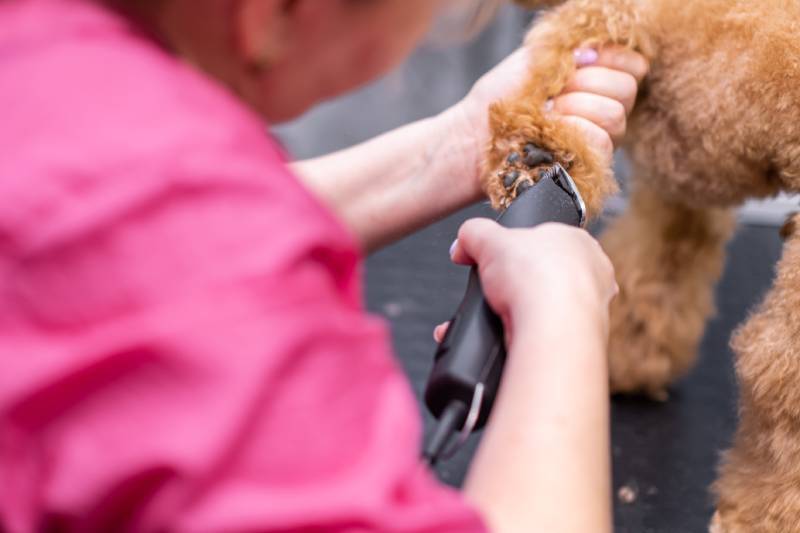
Paw grooming is a critical aspect of canine care that significantly impacts a dog’s health and overall well-being. While many pet owners may prioritize regular grooming of their dog’s coat, the paws often receive less attention. However, neglecting this area can lead to various health complications, making it imperative to understand the importance of maintaining well-groomed paws.The health of a dog’s paws can have far-reaching consequences on their physical condition.
Poorly groomed paws can result in discomfort and a range of issues, including infections, painful matting, and difficulty walking. Furthermore, excess hair can trap dirt and moisture, leading to skin irritations and fungal infections. Regular trimming of paw hair helps prevent these issues, ensuring that your dog remains comfortable and active.
Common Issues from Neglecting Paw Hair Trimming
Failing to trim the hair on your dog’s paws can lead to several significant problems that affect their overall health. It is essential to recognize these issues to maintain your dog’s quality of life. Among the most pressing concerns are:
- Infections: Long hair can trap moisture, creating a breeding ground for bacteria and fungi, resulting in painful infections.
- Matting: Neglected paw hair can become matted, leading to skin irritation and restricting movement.
- Injury Risks: Long hairs can catch on objects or become damaged, leading to painful pulls or injuries.
- Dirt Accumulation: Excessive hair can trap debris and dirt, which may lead to skin issues due to prolonged contact with irritants.
Benefits of Maintaining Well-Groomed Paws
Regular paw grooming provides numerous benefits that extend beyond mere aesthetics. Maintaining well-groomed paws is crucial for your dog’s comfort and overall health.The advantages include:
- Enhanced Mobility: Groomed paws help ensure that your dog can walk and run comfortably without obstruction or pain.
- Infection Prevention: Keeping the hair trimmed reduces the risk of moisture retention, thereby lowering the chances of infections.
- Improved Hygiene: Regular grooming keeps the paws clean and free from harmful bacteria and debris.
- Early Detection of Issues: Grooming sessions allow for the identification of any abnormalities, such as cuts or swellings, promoting early veterinary intervention.
Tools Required for Safe Hair Trimming
Grooming your dog’s paws is an essential part of pet care, and having the right tools significantly enhances the process. Selecting appropriate grooming tools not only ensures your dog’s comfort but also helps you achieve a clean and neat appearance. In this section, we will explore the essential tools needed for trimming the hair on your dog’s paws, their specific functions, and tips for choosing the right ones based on your dog’s breed and fur type.
Essential Grooming Tools for Paw Hair Trimming
To effectively trim the hair on your dog’s paws, certain grooming tools are imperative. These tools aid in achieving precise cuts while minimizing stress and discomfort for your pet.
- Dog Grooming Scissors: These are specially designed scissors with rounded tips to prevent accidental injuries. The long blades help in reaching and trimming the hair between the toes and around the pads efficiently.
- Fur Clippers: Electric or battery-operated clippers make the job quicker and can be used to trim longer hair. They often come with various blade sizes to suit different fur types, making them versatile for various breeds.
- Comb: A comb is essential for detangling the fur before trimming. It helps separate matted fur and ensures that the scissors or clippers cut evenly.
- Brush: A soft-bristle brush is useful for smoothing down the fur and removing any dirt or debris. Regular brushing before trimming can help reduce the amount of hair that goes flying during the trim.
- Styptic Powder: In case of accidental cuts, this powder helps stop bleeding quickly. Having it on hand provides peace of mind during the grooming process.
- Dog Nail Clippers: While not directly used for trimming hair, grooming the nails is often part of paw care. Keeping nails short helps maintain the health of the paws and complements a neat appearance.
Choosing the right tools depends on your dog’s breed and fur type. For example, dogs with thick or curly fur may benefit from professional-grade clippers that can handle more resistance. In contrast, breeds with fine or silky hair may require more delicate scissors to avoid damaging the fur. It’s essential to assess your dog’s grooming needs and select tools that cater specifically to their coat type to ensure effective and stress-free grooming sessions.
Using the right tools not only ensures a neat finish but also makes the grooming process more enjoyable for both you and your dog.
Preparing Your Dog for the Grooming Process
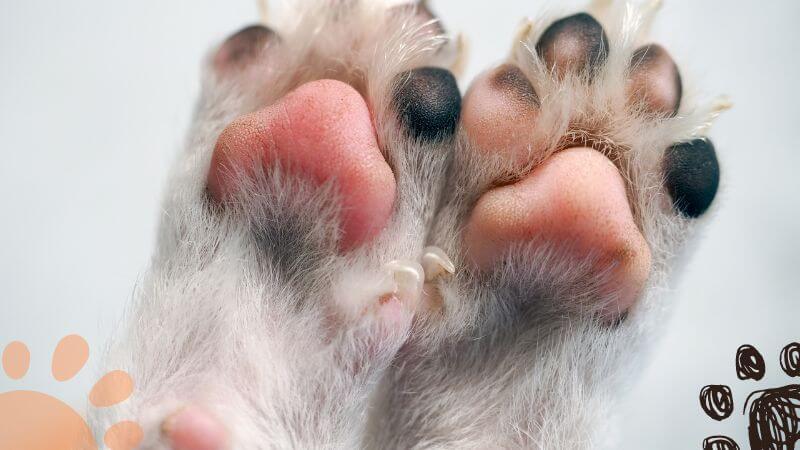
Creating a calm and welcoming environment is essential before embarking on the grooming process. Dogs can be sensitive to changes in their surroundings, and preparing them adequately can lead to a more peaceful experience for both you and your pet. Establishing a routine and using positive reinforcement can significantly enhance your dog’s comfort level during grooming.Establishing a calm environment is vital to ensure your dog feels secure and relaxed.
Noise, distractions, and anxiety can lead to a stressful grooming session, making it harder to trim the hair effectively. By creating a familiar space that is free of sudden disruptions, your dog will be more at ease, which contributes positively to the overall grooming process.
Strategies for Ensuring Comfort
It is crucial to implement various strategies that contribute to your dog’s comfort before grooming. These strategies can help reduce anxiety and create a safer experience.
- Choose a Quiet Space: Selecting a tranquil area for grooming can help minimize distractions. A quiet room, free from the hustle and bustle of daily life, can be beneficial for your dog’s state of mind.
- Introduce Familiar Items: Surrounding your dog with familiar toys or blankets can provide comfort. These items carry their scent and create a sense of security, making them feel at home during grooming.
- Utilize Positive Reinforcement: Rewarding your dog with treats or praise when they behave calmly can create a positive association with the grooming process. This encourages them to stay relaxed and cooperative throughout.
- Practice Regularly: Regular handling of your dog’s paws and body can help them acclimatize to the grooming process. Gentle touch and short, positive sessions can build confidence over time.
Positioning Techniques for Safe Trimming
Correct positioning of your dog is essential for safe and effective hair trimming. Ensuring that your dog is secured and comfortable can prevent sudden movements that may lead to injury during the grooming process.
- Use a Non-Slip Surface: Placing your dog on a non-slip mat or surface can help them maintain stability, reducing anxiety and the likelihood of slipping during grooming.
- Restraining Gently: A harness or leash can provide control while still allowing your dog to feel comfortable. Ensure that the restraint is not too tight, as this can cause discomfort.
- Support Their Body: For larger dogs, consider having someone assist in holding them steady, while smaller dogs can be cradled securely in your lap. Keeping their body supported can help them feel more at ease.
- Maintain Eye Contact: Staying at eye level with your dog and talking to them soothingly can help build trust. This interaction reassures them during the grooming process.
Step-by-Step Procedure for Trimming Hair on Dog’s Paws
Trimming the hair on your dog’s paws is an essential part of their grooming routine. It not only helps keep their paws clean and healthy but also ensures your dog is comfortable and free from debris buildup. The following comprehensive guide provides a step-by-step approach to safely trim the hair on your dog’s paws, focusing on different techniques for both front and back paws.
Trimming Front Paws
Before beginning the grooming process on your dog’s front paws, ensure that your dog is calm and comfortable. Creating a positive environment can ease any anxiety your dog may feel. The following steps will guide you through the trimming process for the front paws:
1. Positioning
Place your dog in a secure area where they feel safe. You may consider having them sit or lie down. Ensure that you have easy access to their front paws.
2. Inspect the Paws
Carefully examine your dog’s front paws for any signs of injury or infection. Look between the toes for mats or debris before you start trimming.
3. Use the Right Tools
Utilize the grooming scissors or clippers to trim the hair. For more precise control, use curved scissors to navigate around the paw shape, especially when working around the pads.
4. Trim the Hair
Start trimming the fur that grows around the pads and between the toes. Be gentle and make short, careful cuts to avoid accidentally injuring your dog.
5. Check for Matting
If you encounter any mats or tangles, use a dematting comb to gently detangle the hair before trimming.
6. Finish Up
Once satisfied with the trimming, give your dog a treat and praise them for their patience. This positive reinforcement helps them associate grooming with a pleasant experience.
Trimming Back Paws
The back paws may require a slightly different approach due to their positioning and fur density. Follow these steps to ensure effective trimming of the back paws:
1. Secure the Position
Similar to the front paws, positioning is crucial. You may need someone to help hold your dog still, especially if they are restless.
2. Examine the Back Paws
Inspect the back paws for any foreign objects or matting before starting the trim. Pay special attention to the area around the pads.
3. Select Appropriate Tools
Use grooming scissors or clippers, ensuring they are sharp and clean. If your dog is nervous, you might want to use quiet clippers designed for pets to minimize noise.
4. Trim Carefully
Begin by trimming the hair that grows between the toes and around the paw pads, paying close attention to keep your dog’s skin safe from cuts.
5. Handle Difficult Areas
Areas between the toes can be tricky. Employ a gentle technique, lifting each toe carefully and trimming the hair slowly to avoid any nicks.
6. Final Inspection
After trimming, inspect the back paws for a neat appearance and remove any remaining debris or loose hair.
7. Reinforce Good Behavior
Offer your dog a treat and plenty of praise to reinforce a positive association with paw grooming.
Regular grooming of your dog’s paws not only improves hygiene but also enhances their comfort and mobility.
Safety Precautions During the Grooming Process
When trimming the hair on your dog’s paws, maintaining a safe environment is crucial not only for the well-being of your dog but also for your own safety. Proper precautions can help to prevent accidents, reduce stress, and ensure a positive grooming experience. This section Artikels the potential hazards associated with paw hair trimming and offers guidelines to mitigate these risks effectively.
Potential Hazards and How to Avoid Them
Identifying hazards during the grooming process can help prevent injuries to both you and your dog. Awareness of the following potential risks is essential for a safe grooming session:
- Sharp Tools: The use of scissors or clippers poses a risk of cuts or nicks. Always use rounded-tip scissors or safety clippers designed specifically for pets.
- Dog’s Movement: An uncooperative dog can lead to accidental injuries. Secure your dog with a leash or harness, and consider using a calming approach to keep them still.
- Noise Sensitivity: Clippers can be noisy and frightening for some dogs. To avoid distress, introduce the sound gradually, using a quieter clipper option if necessary.
Importance of Using Appropriate Techniques
Employing the right techniques during grooming is vital to prevent injury to both you and your dog. Proper handling and grooming methods minimize the risk of accidents and enhance the overall experience.
- Gentle Handling: Always handle your dog with care, avoiding sudden movements or rough handling that could startle them.
- Correct Angle: Position the clippers or scissors at the correct angle to avoid cutting into the dog’s skin. Maintain a steady hand to guide the tool precisely.
- Short Sessions: Keep grooming sessions brief to prevent fatigue and anxiety in your dog. Taking breaks allows both you and your dog to relax.
Recognizing Signs of Distress in Your Dog
Understanding your dog’s body language and vocalizations is crucial during grooming. Recognizing signs of distress can help you respond appropriately and adjust your approach.
- Whining or Barking: Vocalizations can indicate discomfort or fear. If your dog is vocalizing, pause to assess the situation.
- Tensing or Struggling: If your dog tenses up or tries to escape, it may be feeling anxious. Reassess your approach and provide comfort.
- Excessive Salivation or Panting: Signs of excessive stress can include drooling or heavy panting. Take a break and allow your dog to calm down.
By staying vigilant and responsive to your dog’s needs, you can ensure a safe and positive grooming experience.
Post-Grooming Care for Your Dog’s Paws
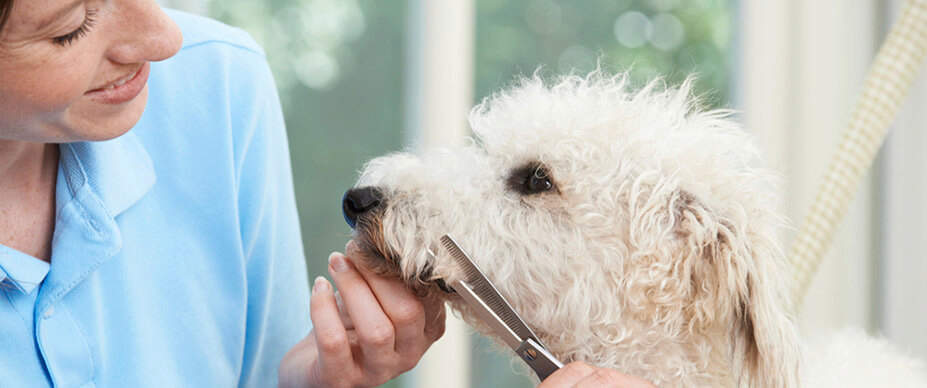
After completing the grooming process of your dog’s paws, it is essential to engage in proper post-grooming care to ensure the health and comfort of your pet. Post-grooming care not only enhances the aesthetic appearance of your dog’s paws but also helps in preventing potential irritations, infections, and discomfort that may arise from grooming.Taking care of your dog’s paws following grooming is crucial for maintaining their overall health.
Proper aftercare minimizes the risk of skin irritations and can enhance the moisturization of the paw pads, which is particularly important in dry or harsh weather conditions. Furthermore, regular inspection after grooming can help in early detection of any cuts or irritations that may have occurred during the process.
Recommended Post-Grooming Treatments
To ensure your dog’s paws remain healthy and comfortable after grooming, the following treatments are recommended:
- Moisturizing Cream or Balm: Applying a specialized paw balm or moisturizer can help prevent drying and cracking of the paw pads. Look for products that are natural and safe for pets, such as those containing shea butter or beeswax.
- Antiseptic Treatment: If you notice any cuts or minor abrasions, applying a pet-safe antiseptic ointment can help prevent infections.
- Paw Cleaning: Gently wiping the paws with a damp cloth can remove any residual hair or debris, helping to maintain cleanliness.
- Regular Inspection: Taking the time to check for any signs of redness, swelling, or cuts is vital. This proactive approach ensures any issues are addressed promptly.
- Comfortable Paw Wear: In extreme temperatures, consider using protective booties to shield your dog’s paws from harsh surfaces, such as hot pavement or cold snow.
Checking for Cuts or Irritations
After trimming your dog’s paw hair, it is important to perform a thorough check for any cuts, irritations, or signs of discomfort. A careful inspection can help identify any issues that may need immediate attention.Begin by gently examining the paw pads and the areas between the toes. Look for any signs of redness, swelling, or abnormal behavior from your dog, such as limping or excessive licking of the paws.
If you observe any cuts or abrasions, clean the area with a mild antiseptic solution and apply an appropriate ointment to prevent infection. In case you notice persistent signs of discomfort or if the cuts seem severe, do not hesitate to consult a veterinarian for professional advice and treatment. Being vigilant about your dog’s paw health will ensure that they remain happy and comfortable after grooming.
Frequency of Paw Hair Trimming
Proper grooming of a dog’s paws is essential to their overall health and comfort. The frequency of trimming paw hair varies significantly among different breeds and is influenced by several factors, including the dog’s activity level and environment. Establishing a consistent grooming schedule not only helps maintain aesthetics but also promotes cleanliness and prevents potential injuries.There are several considerations for determining how often to trim the hair on your dog’s paws.
Each breed has unique grooming needs, and understanding these requirements is vital for ensuring your dog’s well-being. Additionally, the dog’s activity level and the environment in which they spend most of their time can have a considerable impact on the grooming schedule.
Factors Influencing Paw Hair Trimming Frequency
Several factors play a crucial role in how often you should trim your dog’s paw hair. Below are some key aspects to consider:
- Breed-Specific Needs: Breeds like Poodles or Shih Tzus, which have continuously growing hair, often require more frequent grooming compared to short-haired breeds like Beagles or Boxers.
- Activity Level: Dogs that are highly active and spend time outdoors may require more regular trimming to remove debris and prevent matting.
- Environmental Conditions: Dogs living in wet or muddy conditions may need more frequent grooming to maintain paw health and hygiene.
- Personal Skin and Coat Condition: Dogs with sensitive skin or certain coat types may require tailored grooming schedules based on their specific needs.
Establishing a grooming schedule is beneficial for both the dog and the owner. Here is a sample schedule template that can be adapted according to individual needs:
| Dog Breed | Trimming Frequency | Additional Notes |
|---|---|---|
| Poodle | Every 4-6 weeks | Requires regular grooming to prevent matting. |
| Beagle | Every 8-12 weeks | Less frequent grooming needed due to shorter hair. |
| Shih Tzu | Every 4-6 weeks | Needs consistent grooming due to long coat. |
| Boxer | Every 8-12 weeks | Minimal grooming required; occasional trimming needed. |
By considering these factors and adhering to a structured grooming schedule, pet owners can ensure that their dogs’ paws remain healthy and comfortable throughout their lives.
Common Mistakes to Avoid When Trimming Dog Paws
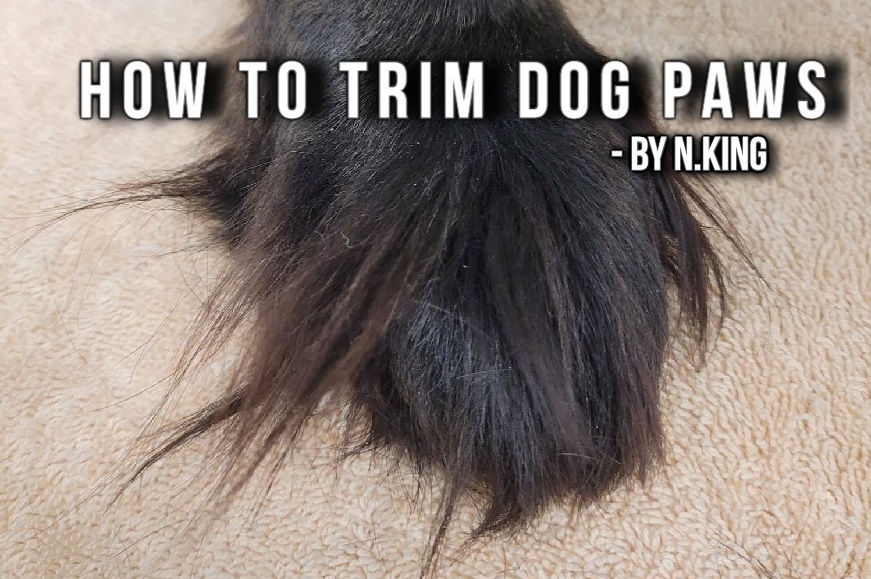
Trimming your dog’s paw hair is an essential part of grooming that can enhance their comfort and health. However, many pet owners inadvertently make mistakes during this process, which can lead to discomfort or injury for their canine companions. Understanding these common pitfalls can help ensure a safe and effective grooming experience.One prevalent mistake is rushing the trimming process. Pet owners might feel pressured to complete the grooming quickly, often leading to careless cutting or accidents.
This haste can result in uneven trimming, which may cause discomfort when the dog walks or runs. Additionally, not thoroughly checking for debris, such as small stones or dirt lodged in the fur, can exacerbate issues, as trapped particles can cause irritation or infection.
Frequent Errors in Paw Hair Trimming
Identifying specific mistakes can help improve the grooming process. Here are some common errors to avoid:
- Using Dull Blades: Dull scissors or clippers can tug at the hair instead of cutting it cleanly, leading to pain and potential injury.
- Neglecting to Secure the Dog: Failing to ensure that the dog is properly restrained during trimming can lead to sudden movements, causing accidents.
- Ignoring the Dog’s Anxiety: Not recognizing signs of stress in your dog can result in a negative grooming experience, making future grooming sessions more difficult.
- Trimming Too Close: Cutting the hair too short can expose sensitive skin to irritants, increasing the risk of cuts or infections.
- Overlooking the Nails: Focusing solely on the hair without considering nail trimming can lead to discomfort and mobility issues.
The impact of these mistakes can extend beyond immediate discomfort; they can also influence the dog’s overall health. For instance, consistently using dull tools may lead to skin infections due to small cuts or abrasions. Furthermore, ignoring anxiety signals can create a lasting fear of grooming, making future sessions increasingly challenging.To rectify these common trimming mistakes, consider the following solutions:
- Regularly Maintenance of Tools: Keep scissors and clippers sharp and in good condition for a smooth cutting experience.
- Establish a Calm Environment: Prepare a quiet and familiar space to help your dog feel at ease during grooming.
- Use Proper Restraints: Employ a comfortable yet secure harness or hold them gently but firmly to prevent sudden movements.
- Take Your Time: Allow yourself plenty of time to complete the grooming process, aiming for a stress-free experience for both you and your dog.
- Incorporate Nail Trimming: Make nail trimming a part of the grooming routine to avoid overlooking this crucial aspect of paw care.
By being aware of these common mistakes and actively working to avoid them, pet owners can enhance not only the grooming experience but also their dog’s comfort and health.
Seeking Professional Help
In some situations, it may be best to enlist the services of a professional groomer when it comes to maintaining your dog’s paw hair. While many pet owners can handle basic grooming tasks, certain circumstances may warrant additional expertise and care. Knowing when to seek this help can make a significant difference in your dog’s comfort and hygiene.Hiring a professional groomer can be beneficial for several reasons.
Professional groomers possess specialized training and experience, allowing them to handle various dog breeds and temperaments effectively. They are well-equipped with the proper tools and techniques to ensure not only the safety of your pet but also the quality of the grooming process. Moreover, groomers can identify potential skin issues or other health concerns that may go unnoticed during a home grooming session.
Benefits of Professional Grooming Services
Engaging the services of a professional groomer offers numerous advantages. Understanding these benefits can assist dog owners in making informed decisions regarding their grooming needs.
- Expertise and Experience: Professional groomers have extensive training and practical experience, ensuring that they can handle the grooming process with skill and ease.
- Proper Equipment: Groomers use high-quality tools specifically designed for various grooming tasks, which can lead to better results than typical household items.
- Behavior Management: Groomers are trained to work with dogs of different temperaments, which can help minimize stress for the pet during the grooming process.
- Health Monitoring: Regular visits to a groomer allow for the early detection of skin problems, parasites, and other health issues.
- Time Efficiency: Professional grooming services save pet owners time, which can be especially valuable for those with busy schedules.
Choosing a Reputable Grooming Service
Selecting a trustworthy grooming service is crucial for ensuring your dog’s safety and comfort. Considering a few key factors can help guide your decision-making process.When searching for a reputable grooming service, pet owners should pay attention to the following points:
- Referrals and Reviews: Seek recommendations from friends, family, or veterinarians. Online reviews can also provide insight into the experiences of other pet owners.
- Facility Cleanliness: A clean and well-maintained grooming facility indicates the groomer’s commitment to hygiene and animal welfare.
- Staff Qualifications: Inquire about the groomers’ training, certifications, and experience to ensure that they are qualified to care for your dog.
- Trial Grooming Session: Consider scheduling a trial grooming session to assess how your dog responds to the groomer and the overall environment.
- Communication: A good groomer will be open to discussing your concerns, providing advice, and addressing any specific grooming needs your dog may have.
By understanding when to seek professional help, recognizing the benefits of professional grooming services, and knowing how to choose a reputable service, dog owners can ensure the best possible care for their pets’ grooming needs.
Final Conclusion
In conclusion, mastering the art of trimming your dog’s paw hair safely is an invaluable aspect of responsible pet ownership. By following the Artikeld steps and precautions, you can foster a positive grooming experience that not only keeps your dog’s paws healthy but also strengthens your bond with them. Should you ever feel uncertain, remember that professional groomers are always there to assist and provide expert care.