How to Give Your Dog a Simple Summer Haircut is an essential guide for pet owners looking to keep their furry friends comfortable and stylish during the warmer months. Summer haircuts not only enhance your dog’s appearance but also play a crucial role in regulating their body temperature and maintaining healthy skin. This comprehensive overview will walk you through the importance of summer grooming, the necessary tools, and practical steps to ensure a stress-free experience for both you and your dog.
By understanding the benefits of regular grooming and the specific needs of your dog’s breed, you can create a positive atmosphere for your pet while ensuring that their summer haircut is not just simple, but also enjoyable. This guide will help you navigate the process with confidence and care.
Importance of Summer Haircuts for Dogs
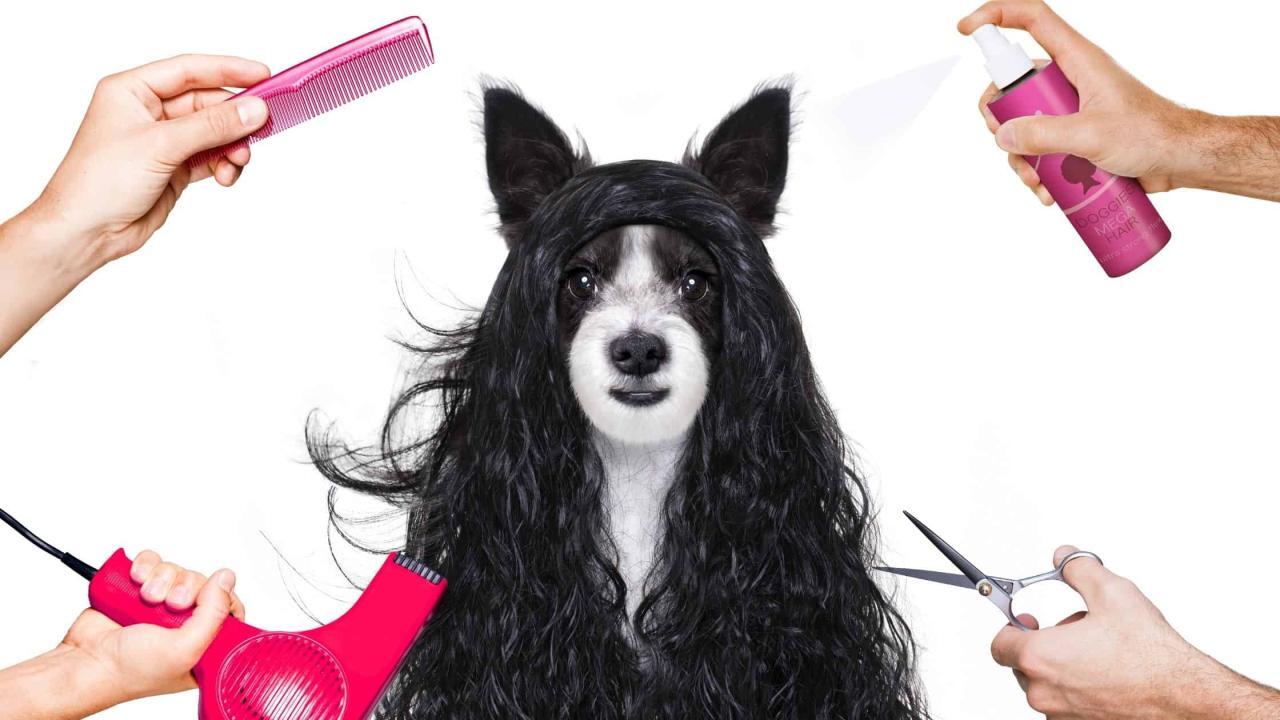
During the summer months, temperatures rise significantly, creating an environment that can be uncomfortable for our furry companions. A well-timed haircut not only enhances your dog’s appearance but also plays a crucial role in their overall health and comfort. By providing a summer haircut, you can help your dog stay cool and promote better skin health during this warm season.A summer haircut is essential for several reasons, primarily related to temperature regulation and skin health.
Dogs, particularly those with long or thick coats, can experience overheating in high temperatures, which may lead to heat exhaustion or heat stroke. A shorter coat allows for better air circulation against the skin, enabling dogs to regulate their body temperature more effectively. Additionally, summer haircuts can prevent matting and tangling, which can trap heat and moisture against the skin, leading to skin irritations or infections.
Benefits of Temperature Regulation
The ability of dogs to manage their body heat is influenced by their coat. A summer haircut can significantly enhance this ability, offering various advantages:
- Enhanced Airflow: A shorter coat increases airflow around the dog’s skin, allowing them to feel cooler and more comfortable.
- Reduced Heat Retention: Long fur can trap heat, making it challenging for dogs to cool down. Shorter hair allows excess heat to dissipate more effectively.
- Minimized Risk of Heat Stroke: With improved temperature regulation, the likelihood of heat-related illnesses decreases, promoting a safer summer for your pet.
Impact on Skin Health
Proper grooming, especially during the summer, is vital for maintaining your dog’s skin health. Regular haircuts can help in various ways:
- Prevention of Matting: Mats can form in long hair, especially in humid conditions, which can irritate the skin and lead to infections.
- Improved Hygiene: Haircuts facilitate easier cleaning of the skin, reducing the accumulation of dirt, debris, and parasites.
- Promotion of Healthy Skin: Trimming allows for better access to moisture and air, keeping the skin hydrated and healthy.
“A well-groomed dog is not only more comfortable but also healthier and happier during the sweltering summer months.”
In summary, summer haircuts for dogs are essential for effective temperature regulation and promoting good skin health. The benefits extend beyond aesthetics; they are vital for the overall well-being of your beloved pet during the warm season.
Tools Needed for a Summer Haircut
A successful summer haircut for your dog requires the right grooming tools. Having the appropriate equipment not only facilitates the grooming process but also ensures the comfort and safety of your pet. Below is a detailed list of the essential tools you will need, categorized for clarity.
Grooming Tools for Dog Haircuts
Understanding the purpose and usage of each grooming tool is crucial for achieving a neat and safe haircut for your dog. The following categories cover the primary tools you will require:
Clippers
Clippers are essential for quickly and efficiently shortening your dog’s fur. They can save you time and effort compared to using scissors alone. A good pair of clippers will have adjustable blade lengths to accommodate different coat types.
- Dog Clippers: These are designed specifically for animal fur, providing a smoother cut without pulling the hair. They often come with various attachment combs to adjust the length of the cut, enabling precise grooming.
Scissors
Scissors are vital for detailed finishing work, especially around sensitive areas such as the face, paws, and ears. They allow for more intricate cuts that clippers may not achieve.
- Grooming Scissors: These are typically blunt-tipped and designed for safety. They are perfect for cutting stray hairs and achieving a polished look.
- Thinning Shears: These unique scissors help blend thicker fur, reducing bulk while maintaining a natural appearance. They’re particularly useful for breeds with dense undercoats.
Combs and Brushes
Combing and brushing are essential steps in preparing your dog’s coat for a haircut. These tools help detangle the fur and distribute natural oils, promoting a healthier coat.
- Pin Brush: Ideal for long-haired breeds, this brush helps remove tangles and mats while also working through the undercoat.
- Rake Comb: This tool excels at removing dead hair from the undercoat, making it a must-have for double-coated breeds.
Other Essential Tools
In addition to clippers, scissors, and brushes, other tools can enhance the grooming experience for both you and your dog.
- Dog Grooming Table: A sturdy grooming table can elevate your dog and provide stability during grooming. This tool is especially useful for larger breeds, enabling easier access to your dog’s coat.
- Coat Conditioner: Using a conditioning spray can help detangle fur, making it easier to cut and style while also promoting a healthy shine.
- Nail Clippers: While not directly related to haircuts, maintaining your dog’s nails is crucial during grooming sessions. Properly trimmed nails prevent injury and ensure your dog’s comfort.
“Using the right tools not only enhances the quality of the haircut but also ensures a positive grooming experience for your dog.”
Preparing Your Dog for a Haircut
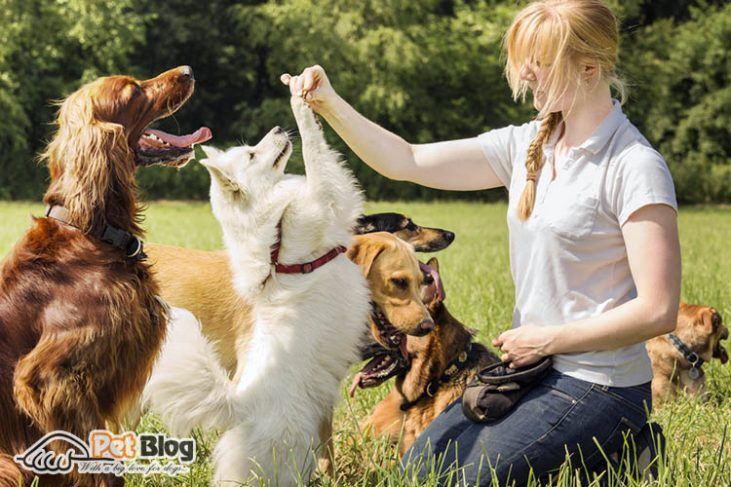
Acclimating your dog to grooming tools and the haircutting process is crucial for a smooth experience. A well-prepared dog is less likely to feel anxious or frightened, ensuring the grooming session is efficient and safe for both the pet and the groomer. Understanding how to prepare your dog will not only enhance their comfort but also improve the quality of the haircut.
Acclimating Your Dog to Grooming Tools
Introducing grooming tools to your dog gradually is essential. Start by allowing your dog to explore the tools in a relaxed environment. This process can help them associate the tools with positive experiences. Here are some effective techniques:
- Let your dog sniff and investigate the grooming tools while providing treats and praise.
- Turn on the clippers or scissors without cutting hair, demonstrating the sounds and sensations they produce.
- Use a gentle brush on your dog’s body to create familiarity with the motion of grooming.
The goal is to create a positive association with these tools, which will help eliminate fear during the actual haircut.
Calming Techniques for Anxious Dogs
A calm dog is essential for a successful grooming session. Anxiety can lead to defensive behaviors, making the process difficult. Here are several techniques to help soothe an anxious dog prior to a haircut:
- Establish a routine: Consistent grooming schedules help your dog understand what to expect, reducing anxiety.
- Create a relaxing environment: Play soft music or use a pheromone diffuser to create a calming atmosphere.
- Utilize positive reinforcement: Reward your dog with treats and affection for calm behavior during the grooming process.
Implementing these calming strategies can significantly reduce stress for both the dog and the groomer, fostering a more positive grooming experience.
Choosing a Suitable Location for Grooming
The location where you perform the haircut plays a pivotal role in how your dog reacts to the grooming process. A suitable environment can enhance comfort and minimize distractions. Consider the following factors when selecting a grooming area:
- Quiet space: Choose an area away from heavy foot traffic and loud noises to help your dog feel secure.
- Familiar surroundings: Conduct the grooming in a place your dog knows well, such as their favorite room or outdoor area.
- Non-slip surface: Ensure the flooring provides good traction to prevent slips, which can startle your dog.
A well-considered grooming location, combined with proper preparation, can lead to a more successful and enjoyable haircut for your dog.
Step-by-Step Guide to Giving a Haircut
Giving your dog a summer haircut can be a rewarding experience that not only enhances your pet’s appearance but also contributes to their comfort during the hot months. This guide will walk you through a straightforward process to achieve a neat and stylish trim while ensuring your dog’s safety and well-being.To give a successful summer haircut, breaking down the procedure into clear, manageable steps is essential.
This guide will not only describe the steps involved but also highlight important safety precautions to consider during the grooming process.
Gathering the Necessary Equipment
Before starting the haircut, it is imperative to have all the required tools readily available. This ensures a smooth and efficient grooming session. The essential tools include:
- Dog clippers: Choose a clipper specifically designed for pets, with adjustable blades for different lengths.
- Scissors: Use sharp grooming scissors for detailed trimming around sensitive areas.
- Comb and brush: A slicker brush and a wide-toothed comb help detangle fur before clipping.
- Dog shampoo and towels: Bathing your dog before grooming helps to remove dirt and makes the hair easier to cut.
- Styptic powder: This is useful for quickly stopping any bleeding if you accidentally cut the skin.
Preparing Your Dog for Grooming
To ensure a calm and comfortable grooming experience, preparing your dog is essential. This involves creating a conducive environment and familiarizing your pet with the grooming tools. Follow these steps:
- Choose a quiet, well-lit area free from distractions for grooming.
- Brush your dog’s coat thoroughly to remove any tangles or mats, making the cutting process smoother.
- Introduce your dog to the clippers by allowing them to sniff and explore the tool while it is turned off.
Performing the Haircut
The actual haircut can be performed in a systematic manner to ensure an even and safe trim. Follow these step-by-step instructions:
- Start with the body: Begin clipping from the back, moving towards the front. Maintain even pressure and glide the clippers in the direction of hair growth.
- Trim the legs: Use scissors for precise cutting around the legs and paws to avoid accidental nicks. Hold your dog’s leg gently and trim while ensuring they are comfortable.
- Focus on the face: Use scissors to trim the hair around the eyes and ears carefully. Be cautious and make small cuts to prevent injury.
- Check for any missed spots: After the main haircut, take a moment to comb through the fur and touch up any areas that may need extra attention.
Safety Precautions During Grooming
While grooming, it’s vital to take specific safety precautions to ensure both you and your dog remain safe. Consider the following measures:
- Always use grooming tools designed specifically for dogs to minimize the risk of injury.
- Maintain a calm demeanor, speaking softly to reassure your dog throughout the process.
- If your dog becomes anxious or restless, take a break to allow them to relax before continuing.
- Keep the grooming area clean and free from any items that could pose a hazard.
“Safety first! Always prioritize your dog’s well-being during grooming sessions.”
Common Mistakes to Avoid
When grooming your dog for summer, it’s essential to be aware of common mistakes that can affect both their comfort and appearance. Understanding these pitfalls can enhance the grooming experience and ensure your dog looks great and feels good throughout the warmer months.Neglecting certain aspects of the grooming process can lead to stress for your dog and unsatisfactory results. Below are frequent errors made during dog grooming, along with their consequences and tips for rectification.
Inadequate Preparation
Proper preparation is crucial before starting any grooming session. Many pet owners rush into the haircut without ensuring their dog is comfortable or without the necessary tools at hand. This oversight can lead to a stressful experience for both the dog and the groomer.
- Not brushing the dog’s coat thoroughly can result in tangles and mats, making the haircut more difficult and uncomfortable. Always ensure your dog’s fur is free from knots before using clippers or scissors.
- Skipping a bath prior to the haircut can lead to an uneven cut. Clean fur is easier to work with and provides a clearer view of the dog’s natural coat pattern.
- Failing to acclimate your dog to the grooming environment can cause anxiety. Introduce your dog to the grooming area gradually, allowing them to explore and feel safe.
Using Improper Tools
The choice of grooming tools greatly affects the outcome of the haircut. Using inappropriate or dull tools can result in discomfort and a poor haircut.
- Using scissors that are not specifically designed for pet grooming can lead to uneven cuts and potential injury. Invest in quality grooming scissors that are sharp and suited to your dog’s coat type.
- Using clippers that are not suitable for your dog’s breed or coat length can cause overheating or pulling of the hair. Always select clippers designed for your dog’s specific needs.
- Not having a comb or brush on hand can lead to missed tangles during the grooming process. Always keep a comb nearby to check for any snags after cutting.
Being Too Aggressive
Grooming should be a gentle and patient process. Many owners may inadvertently rush through the grooming session, causing stress to their dog.
- Applying too much pressure while holding the dog can lead to anxiety and fear. Use a gentle grip and ensure the dog feels secure without feeling trapped.
- Rushing through the haircut can lead to mistakes, such as uneven cuts or accidentally cutting the skin. Take your time and focus on one area at a time.
- Not taking breaks during longer grooming sessions can also result in stress and discomfort. Allow your dog to rest periodically to maintain their comfort level.
Ignoring Post-Grooming Care
After a haircut, some owners overlook the importance of post-grooming care, which can lead to discomfort and skin issues.
- Failing to check the dog’s skin for irritations or cuts post-grooming can lead to unnoticed problems. Always inspect your dog’s skin after trimming to ensure there are no injuries.
- Not providing adequate hydration post-grooming can also affect your dog’s comfort. Ensure your dog has access to fresh water after the grooming session.
- Neglecting to reward your dog for good behavior during grooming can lead to negative associations with grooming. Always offer praise and treats to reinforce positive experiences.
“Proper grooming is not just about aesthetics; it’s about ensuring your dog’s comfort and happiness during hot summer months.”
Aftercare Following a Summer Haircut
After giving your dog a summer haircut, it is essential to implement proper aftercare to ensure their comfort and health. This phase not only enhances the overall appearance but also supports the dog’s skin and coat health. Post-grooming practices help in maintaining the freshness of the haircut and can ward off potential irritations or issues that arise after trimming.Monitoring your dog’s skin for irritations is a critical component of aftercare.
Grooming may expose the skin, making it more susceptible to irritations or infections. Regular checks can help in identifying any discomfort or abnormality early on, ensuring prompt intervention if necessary. It’s advisable to gently run your hands over your dog’s skin, paying attention to common areas where irritations might occur, such as the neck, underarms, and groin.
Grooming Practices to Maintain After the Haircut
To ensure that your dog’s coat remains healthy and looks great after a summer haircut, specific grooming practices should be followed consistently. These practices enhance the longevity of the haircut while keeping your dog comfortable.
- Regular Brushing: Frequent brushing helps to remove loose hair and prevent matting. Depending on your dog’s coat type, aim for at least 2-3 times a week. A slicker brush or a comb may be particularly effective for various coat types.
- Bathing: Bathe your dog as needed but be cautious not to overdo it, as frequent bathing can strip natural oils. Use a gentle, dog-specific shampoo that won’t irritate the skin.
- Skin Moisturization: Applying a light, dog-safe moisturizer can help keep the skin hydrated, especially in summer heat. Look for products that are free from harsh chemicals.
- Protect from Sunburn: Just like humans, dogs can get sunburned. If your dog has a short coat or sensitive skin, consider using dog-specific sunblock on exposed areas, especially during peak sun hours.
Methods for Checking the Dog’s Skin for Irritations
To ensure your dog’s skin remains healthy after a haircut, regularly check for signs of irritation such as redness, rashes, or excessive scratching. Here’s how to conduct a thorough skin check:
- Visual Inspection: Look for any unusual redness, bumps, or scabs. Pay particular attention to sensitive areas like the belly, paws, and around the ears.
- Touch Test: Gently feel your dog’s skin. Look for areas that may feel warmer than others, indicating potential irritation or inflammation.
- Behavioral Observation: Observe your dog’s behavior for signs of discomfort, such as excessive scratching, licking, or biting at the coat or skin.
- Consult a Veterinarian: If you notice persistent irritation or any signs of distress, it is advisable to seek veterinary attention promptly.
Recommended Products for Post-Haircut Care
Using the right products can significantly enhance your dog’s post-haircut care routine. The following list includes essential items to consider:
- Dog Shampoo: Opt for a gentle, hypoallergenic shampoo to maintain coat cleanliness without causing skin irritation.
- Dog Conditioner: A leave-in conditioner can help in detangling the coat and providing moisture.
- Moisturizing Balm: A skin-safe balm can relieve dryness and soothe any irritation on the skin.
- Sunscreen: Specialized dog sunscreen helps protect against UV rays, especially for short-haired breeds or those with exposed skin.
- Flea and Tick Preventative: Regular use of flea and tick preventatives is essential, especially during summer months to protect against infestations.
Grooming Different Dog Breeds
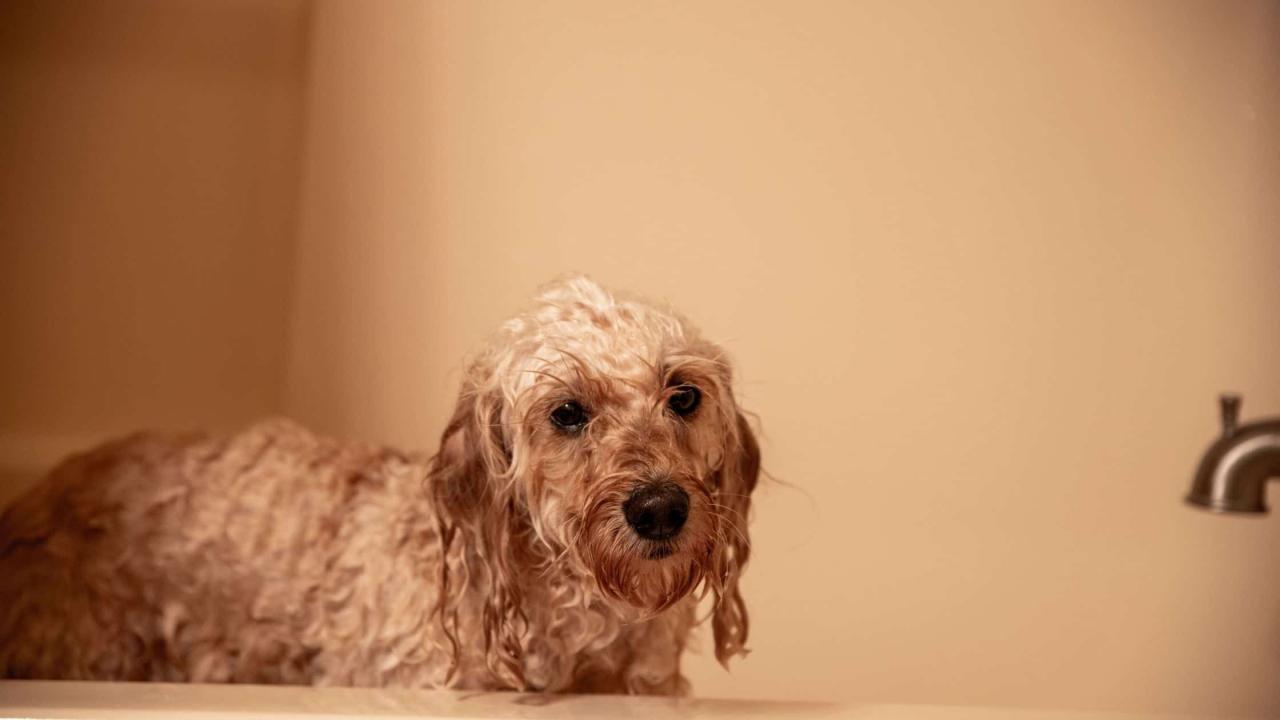
Grooming techniques and requirements can vary significantly across different dog breeds, making it essential for pet owners to understand the specific needs of their furry companions. Each breed has unique coat characteristics, temperaments, and health considerations that influence the appropriate haircut styles and grooming methods suitable for summer. A tailored approach not only enhances the dog’s comfort during warmer months but also promotes their overall well-being.When considering grooming practices, it is crucial to recognize the diversity among breeds, which may necessitate various grooming tools and techniques.
For example, breeds with heavy undercoats may require de-shedding tools, while those with fine, silky hair might need different clippers or scissors. Understanding these distinctions ensures a successful grooming experience for both the dog and the owner.
Grooming Techniques for Popular Breeds
Each breed has specific grooming requirements and recommended styles that cater to their coat types. Here are some popular breeds along with their grooming considerations:
- Poodle: The Poodle’s curly coat requires regular clipping to prevent matting. A summer haircut often includes a “puppy cut,” where the coat is trimmed to about an inch in length for ease of maintenance while still showcasing their distinctive curls.
- Golden Retriever: This breed has a dense double coat that sheds significantly. During summer, owners may opt for a “Bermuda cut,” trimming the outer coat while leaving some length in the undercoat to protect the skin from sun exposure.
- Shih Tzu: Known for their luxurious long hair, Shih Tzus benefit from a “puppy cut” in summer, which reduces the length to about one to two inches. This cut helps keep them cool and is easier to manage in hot weather.
- Beagle: Beagles have a short coat that requires minimal grooming. A straightforward trim around the ears and paws can help maintain cleanliness without a full haircut, allowing for easier handling in the summer heat.
- Yorkshire Terrier: Their long, silky hair can become cumbersome during the hotter months. A “Teddy Bear cut,” which shortens their coat to about one inch, can be an ideal choice, providing relief from heat while maintaining a stylish appearance.
With proper grooming techniques tailored to each breed, dog owners can ensure that their pets remain comfortable, healthy, and happy throughout the summer months. Taking the time to understand each breed’s specific needs will facilitate a smoother grooming process and contribute positively to the dog’s overall quality of life.
Professional vs. DIY Grooming
The choice between professional grooming services and DIY grooming for your dog is an important consideration for pet owners, especially during the warm summer months. Each option possesses unique benefits and drawbacks that can influence your decision based on your dog’s specific needs, your budget, and your grooming skills.When evaluating the merits of professional grooming versus DIY grooming, several factors come into play, including expertise, cost, and the comfort level of your dog during the grooming process.
Understanding these aspects can help guide you in making an informed decision.
Benefits and Drawbacks of Professional Grooming
Professional grooming services offer several advantages. They are conducted by trained groomers who possess extensive experience and knowledge of various breeds and their specific grooming needs. This expertise can lead to a more polished and aesthetically pleasing outcome. Additionally, professional groomers have access to high-quality tools and products that can enhance your dog’s grooming experience.However, there are drawbacks to consider.
Professional grooming can be quite costly, with prices varying based on location, dog size, and the complexity of the desired cut. Furthermore, some dogs may feel anxious in unfamiliar settings, which could complicate the grooming process.
Benefits and Drawbacks of DIY Grooming
DIY grooming allows pet owners to save money while having complete control over the grooming process. It can be a bonding experience, enabling you to spend quality time with your dog. Additionally, grooming at home allows you to tailor the grooming experience to your dog’s preferences, creating a comfortable environment.Nevertheless, DIY grooming comes with challenges, particularly for those with limited experience.
Inadequate knowledge of grooming techniques can lead to mistakes or accidents. Moreover, purchasing high-quality grooming tools can result in a significant initial investment.
Factors to Consider
When deciding between professional and DIY grooming, consider the following factors:
- Dog’s Temperament: A calm dog may respond well to home grooming, while a nervous dog may fare better with a professional.
- Budget: Assess your financial situation, as professional grooming typically incurs ongoing costs.
- Time Commitment: DIY grooming requires a time investment for both the grooming itself and the learning curve involved.
- Skill Level: Consider your own comfort and skill in handling grooming tools and techniques.
Cost and Outcome Comparison
To streamline the decision-making process, here is a comparison of costs and potential outcomes associated with both grooming methods:
| Grooming Method | Average Cost | Typical Outcomes |
|---|---|---|
| Professional Grooming | $50 – $100 per session | Expert finish, breed-specific styles, access to premium products |
| DIY Grooming | $30 – $100 initial investment for tools | Variable results, learning experience, customization to dog’s needs |
Choosing between professional and DIY grooming ultimately depends on your dog’s needs, your budget, and your confidence in your grooming abilities.
Outcome Summary
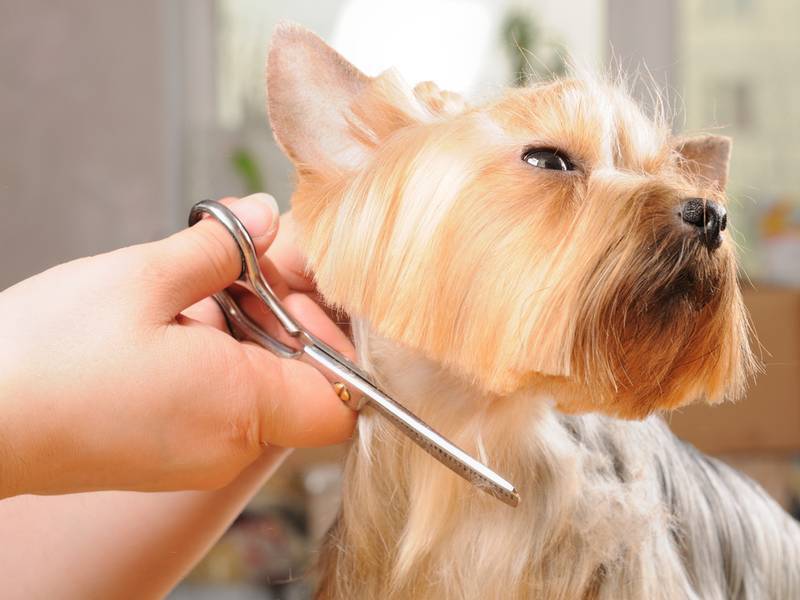
In conclusion, How to Give Your Dog a Simple Summer Haircut highlights the significance of proper grooming techniques tailored to your dog’s needs, ensuring that they remain comfortable and healthy throughout the summer months. By following the Artikeld steps and avoiding common mistakes, you can achieve a stylish look while enhancing your dog’s well-being. Remember that whether you choose to groom your dog yourself or seek professional assistance, the goal is to keep your furry companion happy and looking their best.