How to Shave a Matted Dog Without Injury sets the stage for this enthralling narrative, offering readers a glimpse into a story that is rich in detail and brimming with originality from the outset.
Matted fur in dogs can be a significant concern for both pet owners and their furry companions. Understanding the causes of matting, the types of coats prone to it, and the potential health effects on dogs is crucial. This guide aims to provide comprehensive insights and practical techniques for safely shaving a matted dog, ensuring the process is as comfortable and injury-free as possible for your beloved pet.
Understanding Matted Fur
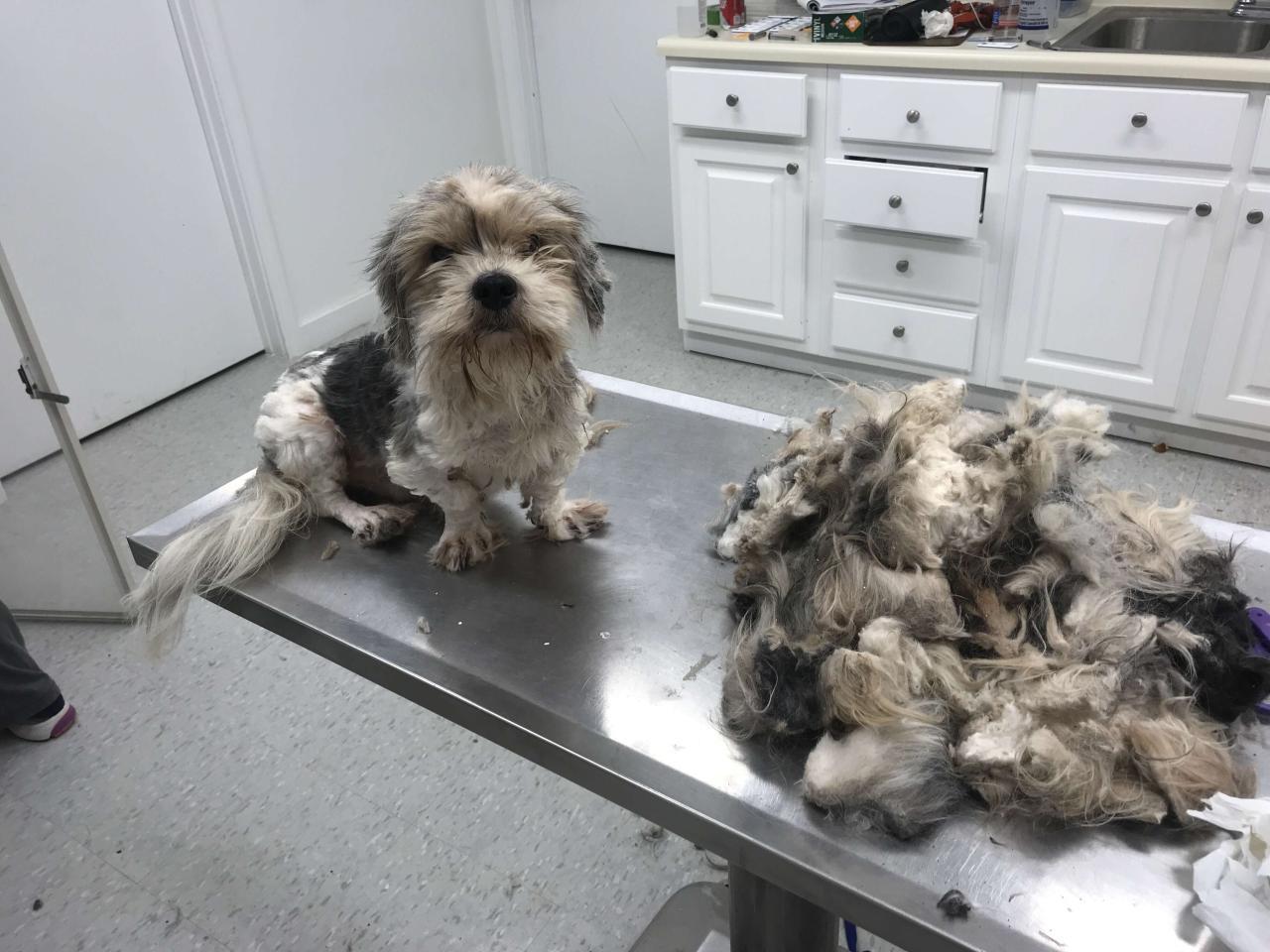
Matted fur is a common issue for many dog owners, resulting from various factors that impact a dog’s coat. Understanding the underlying causes, the types of coats that are particularly susceptible, and the potential effects on a dog’s skin and health is crucial for effective grooming and maintaining the overall well-being of your pet.
One of the primary causes of matting in dogs is inadequate grooming. When a dog’s coat is not brushed regularly, loose hair, dirt, and debris accumulate, leading to tangles and knots. Additionally, moisture can exacerbate this issue; for example, dogs that frequently swim or are exposed to rain can develop mats as moisture makes fur more prone to tangling. Certain health conditions, such as skin infections or allergies, can also lead to excessive scratching or grooming, contributing to matting.
Moreover, dogs that are kept in environments where they are exposed to extreme weather conditions may also suffer from matted fur due to the drying effect on their coats or the buildup of debris.
Coat Types Prone to Matting
Some dog breeds are more susceptible to matting due to the nature of their coats. Identifying these breeds can help owners take proactive measures in grooming. The following coat types are particularly prone to matting:
- Long-haired breeds: Breeds such as the Shih Tzu, Yorkshire Terrier, and Maltese have long fur that can easily tangle and mat if not regularly brushed.
- Curling or wavy coats: Dogs like the Poodle or Bichon Frise have curly fur that can trap dirt and debris, leading to matting if not groomed frequently.
- Undercoat-heavy breeds: Breeds with a dense undercoat, such as the Siberian Husky or Golden Retriever, can develop mats as loose undercoat hair mixes with the topcoat.
The effects of matting on a dog’s skin and overall health can be profound. When mats form, they can pull tightly against the skin, leading to discomfort, pain, and even skin infections if bacteria becomes trapped. Furthermore, mats can restrict a dog’s movement, potentially resulting in behavioral changes due to stress or pain. In severe cases, untreated mats can lead to hot spots or skin irritations that require veterinary intervention.
Regular grooming is essential to maintain a healthy coat and ensure your dog’s skin remains free from irritation and infection.
Preparing for the Shaving Process
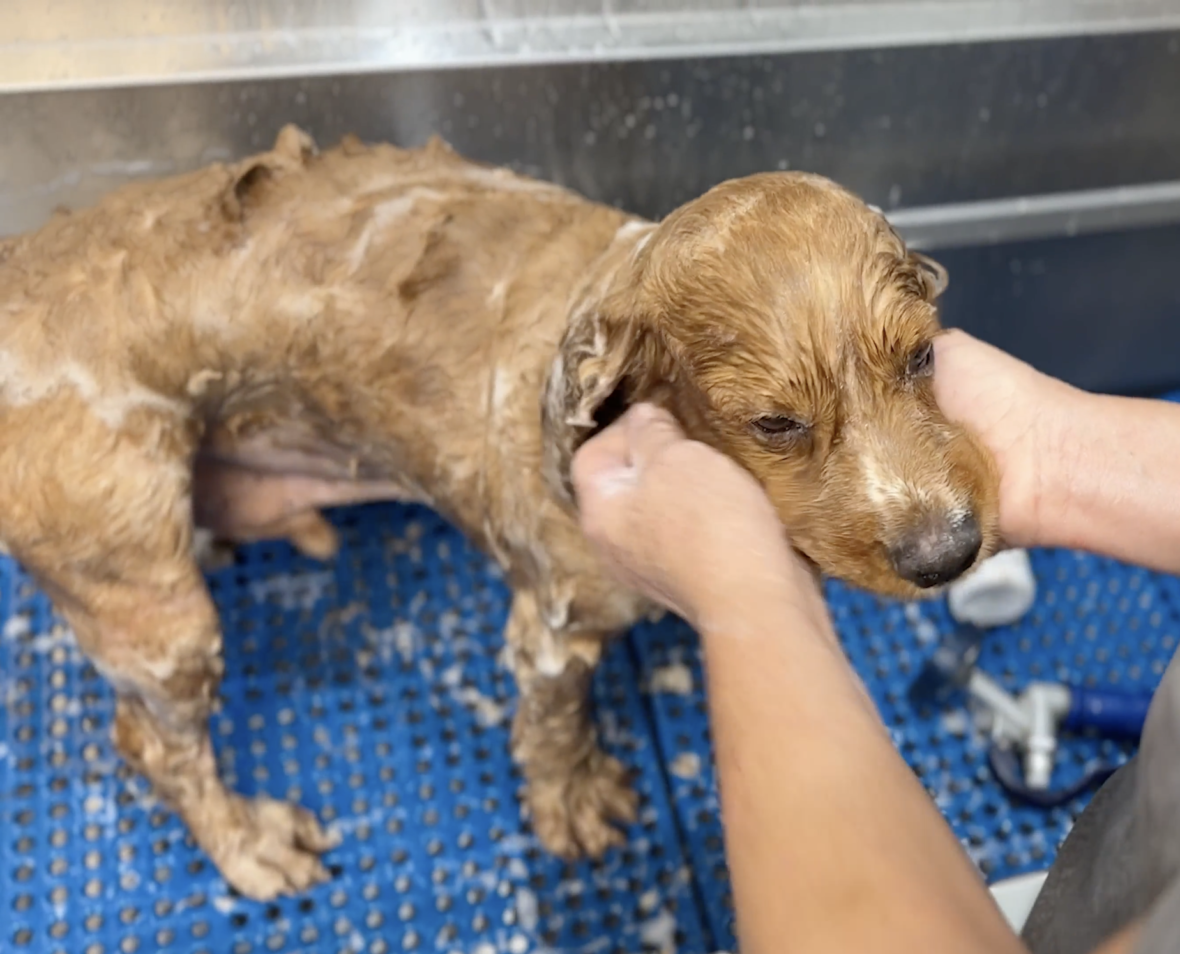
Before commencing the shaving process for a matted dog, it is essential to gather the appropriate tools and create a conducive environment for the dog. This phase is crucial as it sets the tone for a safe and effective grooming session. Proper preparation can significantly reduce stress for both the dog and the groomer.Assessing the dog’s needs and selecting the required tools will ensure a smoother experience.
Below are the essential tools necessary for safely shaving a matted dog:
Required Tools for Shaving a Matted Dog
Having the right tools at hand is imperative to facilitate a safe and efficient shaving process. The following tools are recommended:
- Clippers: Use high-quality clippers designed for dog grooming, which can handle matted fur without causing injury.
- Blades: Select the appropriate blade size to suit the dog’s coat type and length.
- Brushes and Combs: A slicker brush or metal comb can help detangle the fur before shaving.
- Scissors: Safety scissors are useful for cutting away particularly stubborn mats before using clippers.
- Styptic Powder: This is essential in case of accidental nicks during the shaving process.
- Treats: Have some treats available to reward the dog and create a positive association with grooming.
Creating a calm and relaxed environment is equally important to ease the dog’s anxiety before grooming. By considering the following tips, groomers can make the experience less stressful:
Creating a Calm Environment
Establishing a tranquil setting can significantly affect the dog’s comfort level during the grooming process. Here are some strategies to enhance the dog’s calmness:
- Choose a Quiet Room: Select a space that is free from distractions and loud noises, allowing the dog to feel secure.
- Use Soft Lighting: Soft lighting can help create a soothing atmosphere, reducing the dog’s apprehensiveness.
- Play Soft Music: Gentle, calming music can help relax the dog and create a pleasant ambiance.
- Maintain a Slow Pace: Take your time and approach the dog slowly, allowing them to acclimate to your presence.
- Incorporate Familiar Scents: Using familiar scents, such as the dog’s favorite blanket or toys, can provide comfort.
Understanding the dog’s temperament is essential before starting the shaving process, as it can influence the grooming approach.
Assessing the Dog’s Temperament
Recognizing the dog’s temperament will assist in tailoring the grooming process to suit their unique personality and comfort level. Consider the following aspects:
- Behavioral Signs: Look for signs of anxiety or aggression, such as growling, snapping, or attempts to escape.
- Previous Grooming Experiences: Take note of how the dog has reacted to grooming in the past; this can provide insights into their behavior.
- Duration of Mats: The length of time the dog has been matted can influence their sensitivity and discomfort level during grooming.
- Familiarity with Tools: Assess the dog’s familiarity with grooming tools, as some may react negatively to sounds or vibrations.
- Physical Health: Consider any physical conditions that may make the dog more sensitive to being groomed.
Techniques for Safely Shaving Matted Fur
Shaving a matted dog’s fur requires careful techniques to ensure the safety and comfort of your pet. The goal is to remove the mats without causing injury to the skin underneath. By employing the right methods and tools, you can effectively manage even the most challenging mats while maintaining a gentle approach that respects your dog’s needs.When shaving matted areas, it is crucial to have a systematic approach.
This includes preparing both your tools and your dog, ensuring a calm environment, and utilizing specific techniques tailored to the situation. Following proper techniques, along with a steady hand, can make all the difference in achieving a successful grooming session.
Step-by-step Guide for Shaving Matted Areas
The following steps Artikel an effective approach to shaving matted fur safely:
1. Assess the Mats
Begin by inspecting the matted areas carefully. Identify the severity of the tangles and any regions that may be particularly sensitive.
2. Prepare Your Tools
Ensure you have the right tools ready, including clippers with the appropriate blade size, a comb, and scissors. Clippers should be clean and well-oiled for optimal performance.
3. Calm Your Dog
Establish a calm and reassuring environment. Use treats or gentle petting to keep your dog relaxed during the process.
4. Hold the Clippers Properly
Grasp the clippers firmly but gently. Maintain a steady angle, ensuring the blades are parallel to the skin. Apply gentle pressure with the clippers to avoid pulling on the matted fur.
5. Start Slowly
Begin shaving from the edge of the mat, moving in the direction of hair growth. This technique minimizes discomfort and allows you to see how close the skin is to the surface.
6. Use a Comb for Support
As you work through the mats, use a comb to lift the fur away from the skin. This will prevent the clippers from snagging and help in maintaining a safe distance from the skin.
“Always prioritize your dog’s comfort and safety during the grooming process.”
Working through Difficult Mats
Handling particularly challenging mats requires additional techniques to avoid injuring the skin. Here are some recommended methods:
Use Scissors for Larger Mats
For larger mats, consider using scissors to carefully cut through the bulk of the mat before using clippers. Hold the scissors parallel to the skin and cut only the matted hair without getting too close to the skin.
Clip in Sections
Divide the matted fur into smaller sections and work through them one at a time. This approach allows for better control and reduces the risk of cutting the skin.
Gentle Tugging
If the mat is resistant, gently tug at the edges using your fingers or a comb to break the mat apart. This can make it easier to shave down the rest of the matted area without pulling on the skin.
Stay Attentive to Skin Sensitivity
Be observant of your dog’s reactions. If the dog appears uncomfortable or distressed, take a break and provide reassurance. Adjust your approach based on your dog’s comfort level.By utilizing these techniques and maintaining a calm environment, you can effectively manage matted fur while ensuring your dog’s safety and well-being.
Aftercare Following Shaving
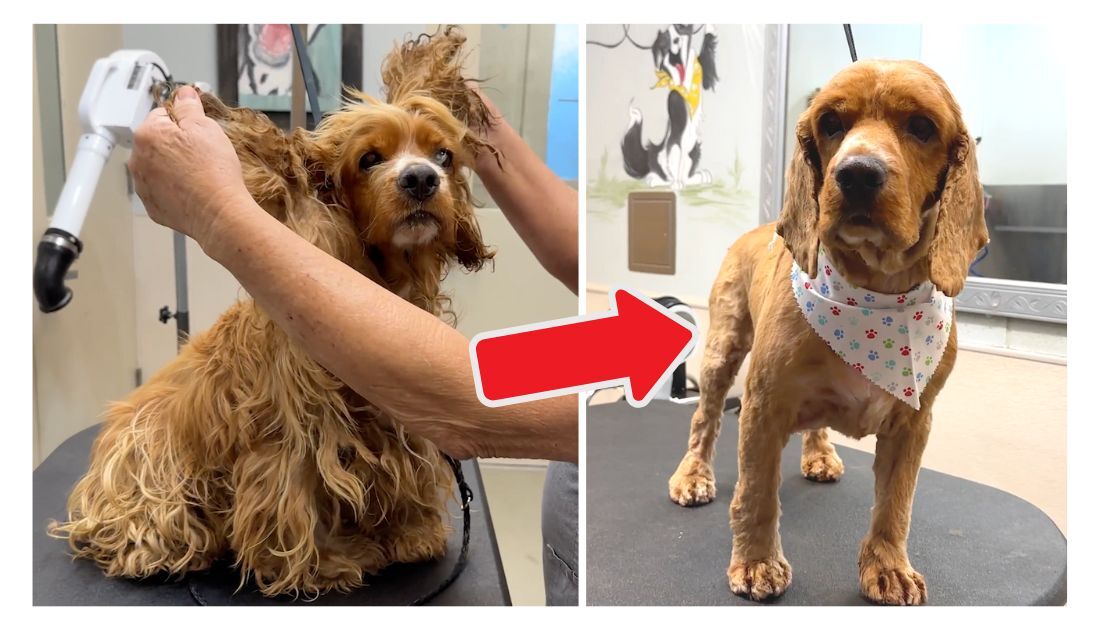
After shaving a matted dog, it is essential to focus on proper aftercare to ensure the dog’s skin remains healthy and free from irritation. The shaving process can be taxing on a dog’s skin, which may be sensitive or exposed to varying degrees of irritation. Implementing aftercare techniques not only aids recovery but also promotes overall skin health.Bathing and moisturizing the dog post-shave are critical steps in this care process.
A gentle bath using a mild, dog-specific shampoo can help remove any loose hair and debris that may have accumulated during shaving. Additionally, moisturizing the skin can provide relief from any dryness or irritation that may occur.
Bathing and Moisturizing
Bathing your dog after shaving serves multiple purposes, including cleansing the skin and promoting hydration. It is important to choose the right products for your dog’s skin type.
- Use a Mild Shampoo: Select a gentle, hypoallergenic shampoo specifically formulated for dogs. Avoid human shampoos, as they may contain ingredients that can irritate a dog’s skin.
- Warm Water Rinse: Use warm water to bathe your dog, as it is more soothing than cold water. Ensure that the water is not too hot, as this can further irritate the skin.
- Thorough Rinsing: Ensure all shampoo is thoroughly rinsed off to prevent residue buildup, which can lead to irritation.
- Drying Techniques: After bathing, gently pat your dog dry with a soft towel. Avoid vigorous rubbing, which can irritate the skin. If using a blow dryer, use the lowest setting and keep it at a safe distance.
After bathing, applying a moisturizer can be extremely beneficial. Look for products that are specifically designed for dogs and contain soothing ingredients like aloe vera or oatmeal. These ingredients help to calm the skin and reduce any potential irritation.
Signs of Skin Irritation
Observing your dog for any signs of skin irritation following the shaving process is vital for ensuring their comfort. While some mild redness or sensitivity may be typical, more severe reactions can indicate a need for further attention.
- Redness or Inflammation: Watch for any areas of the skin that appear red or swollen, which can indicate irritation or an allergic reaction.
- Excessive Scratching or Licking: If your dog is persistently scratching or licking their skin, this may be a sign of discomfort or irritation.
- Rash or Bumps: Look for any unusual rashes or bumps that may develop, as these could indicate an adverse reaction to the shaving process or products used afterward.
- Changes in Behavior: If your dog seems unusually lethargic, irritable, or in pain, these changes in behavior can indicate skin issues that warrant a visit to the veterinarian.
Monitoring your dog’s skin closely after shaving will help to ensure they remain comfortable and healthy. If any of these signs develop, it is advisable to consult with a veterinarian for appropriate management. Proper aftercare is essential in promoting a healthy recovery, ensuring that your dog feels their best after grooming.
Preventing Future Matting
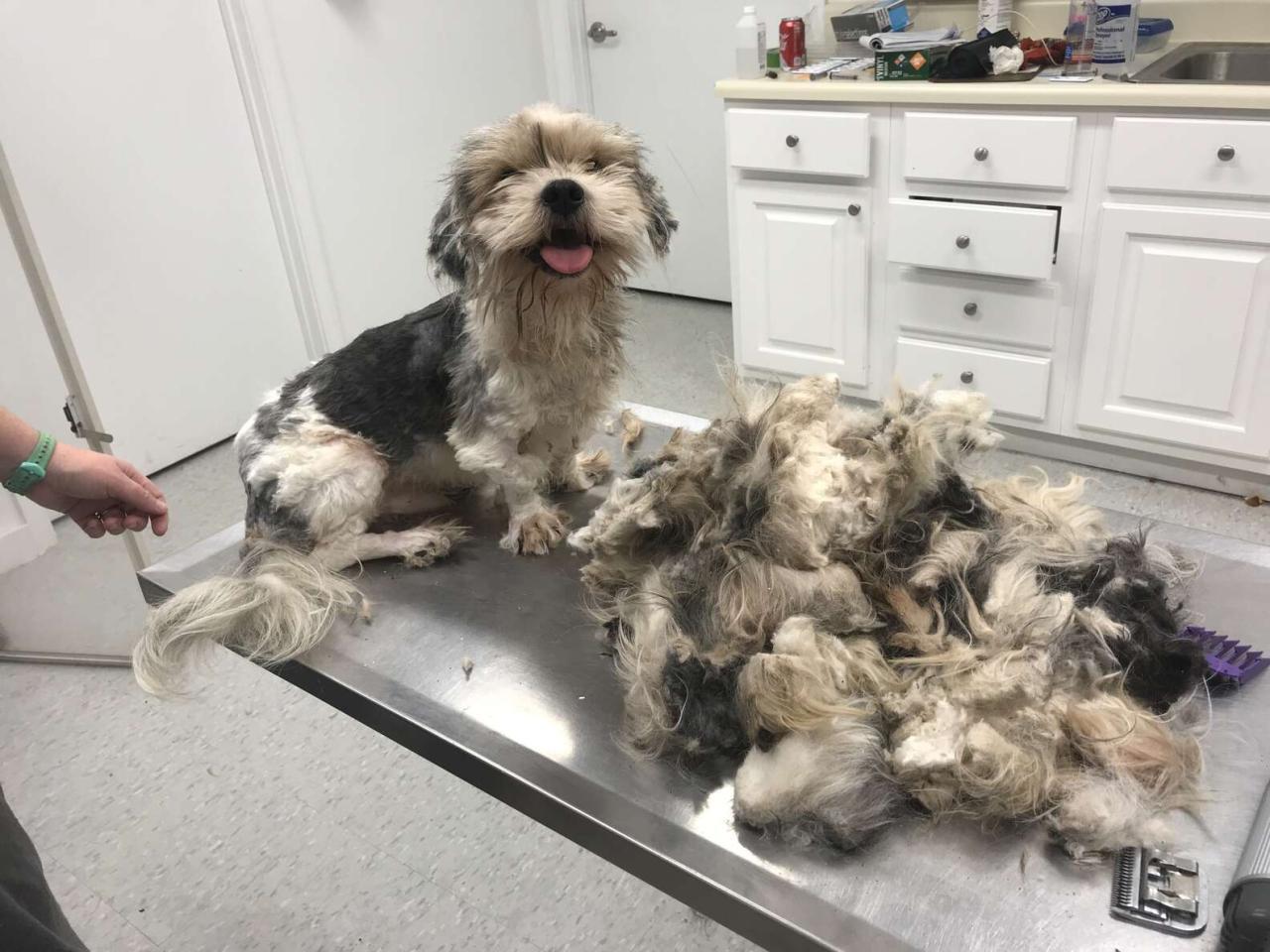
Maintaining a dog’s coat in a healthy and mat-free condition is essential for their overall well-being. Regular grooming not only enhances the appearance of your pet but also prevents discomfort caused by matting. Understanding the grooming needs of different coat types can significantly reduce the chances of future mats forming. Effective grooming routines tailored to your dog’s specific coat type can make a considerable difference.
Regular brushing helps to remove loose hair and prevent tangles from forming. Here are essential tips for establishing a successful grooming routine:
Regular Grooming Routines
Consistency is key when it comes to grooming. A regular schedule will keep your dog’s coat healthy and free of mats. The following practices are recommended:
- Brush your dog at least once a week, or more frequently for long-haired breeds.
- Establish a specific time for grooming, making it a pleasant routine for your pet.
- Incorporate grooming into your dog’s play activities to create a positive association.
Choosing Suitable Brushes and Combs
Selecting the right grooming tools based on your dog’s coat type is crucial for effective grooming. Different coats require different types of brushes and combs to achieve optimal results. The following guide highlights suitable tools for various coat types:
- Short-haired coats: Use a rubber curry brush or bristle brush to remove loose hair and dirt.
- Medium-haired coats: A slicker brush works well to eliminate tangles and undercoat.
- Long-haired coats: Utilize a wide-tooth comb for detangling, followed by a pin brush for smoothing.
Benefits of Professional Grooming
For certain breeds, regular professional grooming can be highly beneficial. Professional groomers possess the expertise and tools necessary to manage specific grooming needs effectively. The advantages of seeking professional grooming include:
- Access to specialized grooming techniques tailored to your dog’s breed and coat type.
- Proper use of grooming tools that may not be available for home use, reducing the risk of injury.
- Expertise in identifying skin conditions or health issues that may require veterinary attention.
Regular grooming not only prevents matting but also promotes a healthy bond between you and your pet.
Implementing these proactive grooming strategies will significantly reduce the risk of matting in your dog’s fur, ensuring they remain comfortable and happy.
Alternatives to Shaving
When faced with matted fur, many dog owners consider shaving as a solution. However, there are various alternatives that can effectively address matting without resorting to clippers. Understanding these options can help maintain your dog’s coat while ensuring their comfort and well-being.Detangling products are a popular alternative to shaving. These specially formulated sprays or gels can loosen mats and tangles, making it easier to comb through the fur.
Utilizing a detangler can be particularly beneficial for dogs with long or curly coats. However, it is essential to choose a product that is safe for pets and free from harsh chemicals.
Dematting versus Shaving
Choosing between dematting and shaving requires careful consideration of several factors, including the severity of the mats and the dog’s temperament. Dematting involves using specialized tools, such as dematting combs or slicker brushes, to gently remove mats without cutting the fur. This method preserves the length of the coat but can be time-consuming and may cause discomfort to the dog if the mats are severe.
Pros of dematting include:
- Preservation of the dog’s coat length and style.
- Reduced risk of skin irritation caused by shaving.
Cons of dematting include:
- Potential for causing pain or stress if mats are tightly bound.
- Time-consuming, particularly for extensive matting.
In contrast, shaving is a quicker solution but can alter the dog’s appearance and may lead to skin issues if not done carefully.
Seeking Professional Help
There are circumstances when attempting to groom a matted dog at home may not be advisable. Recognizing these instances is crucial for ensuring the dog’s safety and comfort. Professional groomers possess the expertise, tools, and experience to handle severe matting effectively. In cases where the mats are extensive, near the skin, or the dog exhibits signs of distress, it is wise to seek professional assistance.
Additionally, dogs with sensitive skin or health issues may require the careful touch of a trained groomer to prevent injury.Consulting a veterinarian or professional groomer can provide valuable insight into the best grooming approach for your dog’s specific needs. Their experience can save you time and ensure your pet receives the best care possible throughout the grooming process.
Closure
In conclusion, successfully shaving a matted dog requires patience, the right tools, and an understanding of your pet’s temperament. By following the recommended techniques and aftercare advice, you can maintain your dog’s coat health and prevent future matting. Remember, professional grooming can be a valuable option for particularly challenging situations, ensuring your furry friend remains comfortable and well-groomed.