How to Use Dog Grooming Clippers for the First Time is an essential guide for pet owners seeking to ensure their furry friends look their best while also maintaining their comfort throughout the grooming process. Understanding the fundamentals of grooming with clippers not only enhances the overall appearance of your dog but also fosters a trusting relationship between you and your pet.
This comprehensive approach covers everything from selecting the right tools to creating a soothing grooming environment, ensuring you are well-prepared to tackle this new endeavor. With the right knowledge and techniques, you can transform what might seem like a daunting task into a rewarding experience for both you and your dog.
Preparing for Dog Grooming
Before embarking on the journey of grooming your dog, it is crucial to prepare adequately. Proper preparation not only eases the grooming process but also ensures the comfort and safety of your pet. Gathering the necessary tools is a pivotal step that can significantly impact the outcome of your grooming session.Having the right equipment at your disposal allows for a more efficient and effective grooming experience.
Below are essential items needed for grooming your dog, which will help you achieve a professional-looking result at home.
Essential Grooming Tools
A variety of tools can aid in achieving the best grooming results. Here is a list of essential items to include in your grooming toolkit:
- Dog Grooming Clippers: These are crucial for cutting and styling your dog’s coat. Choose clippers that are suited for the thickness and length of your dog’s fur.
- Brushes: Depending on your dog’s coat type, different brushes may be needed (e.g., slicker brushes for long-haired dogs and bristle brushes for short-haired breeds).
- Combs: A fine-toothed comb is ideal for detangling knots and ensuring a smooth finish.
- Scissors: Special grooming scissors can help in trimming around sensitive areas, such as the face and paws.
- Dog Shampoo: Using a pet-specific shampoo can help maintain the health of your dog’s skin and coat.
- Towels: Having several towels on hand can assist with drying your dog after a bath.
- Clippers’ Blade Guards: These will protect the blades and ensure safety during grooming.
When selecting clippers, it is essential to consider your dog’s specific coat type to ensure you choose the most effective tool.
“Using the right clippers for your dog’s coat type can prevent discomfort and ensure a clean, even cut.”
For example, dogs with thick, curly coats, such as Poodles, often require clippers with a higher power and specific blade types that can handle dense hair. Conversely, dogs with short fur, like Beagles, can often be groomed with standard clippers. It is advisable to consult a professional groomer for recommendations based on your dog’s unique grooming needs, ensuring both an optimal grooming experience and the well-being of your pet.
Understanding Dog Grooming Clippers
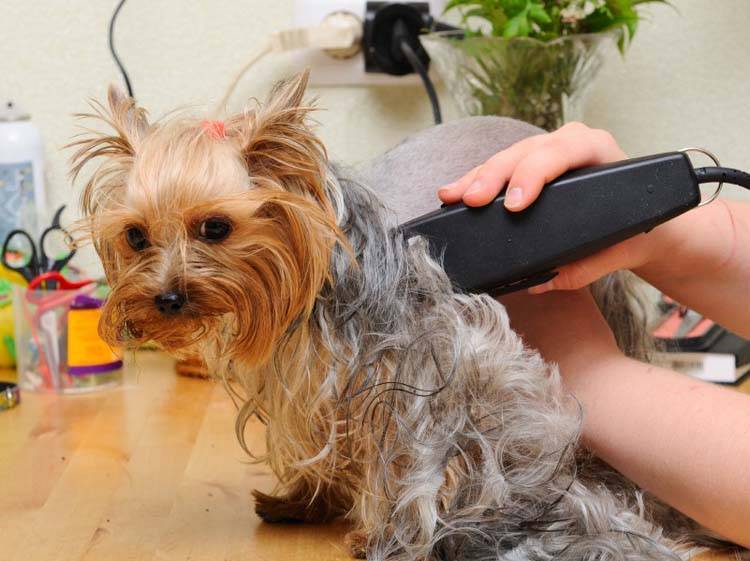
When it comes to maintaining the health and appearance of your dog, grooming clippers play a crucial role. Understanding the types of clippers available, their features, and the appropriate blade sizes can significantly enhance the grooming experience for both you and your pet.There are several types of dog grooming clippers available in the market, each designed to address different grooming needs.
Selecting the right clipper is essential for achieving a professional look and ensuring the comfort of your dog during the grooming process.
Types of Dog Grooming Clippers
Dog grooming clippers can be categorized into three main types, each serving different purposes and functionalities:
- Clipper Kits: These kits typically include a clipper along with various attachments and blades, making them suitable for both beginners and experienced groomers. They often feature adjustable blade lengths and are versatile for different coat types.
- Silent Clippers: Designed to minimize noise, these clippers are ideal for anxious dogs. Their quiet operation helps to reduce stress and fear during grooming, making the experience more comfortable for sensitive pets.
- Heavy-Duty Clippers: Suitable for professional groomers, these clippers are robust and designed for extensive use. They can handle thick and coarse coats with ease, making them a reliable choice for larger breeds or dogs with challenging fur.
Features to Consider When Selecting Grooming Clippers
When choosing dog grooming clippers, several features should be taken into account to ensure they meet your specific requirements:
- Motor Power: A powerful motor is essential for effectively cutting through various coat types, especially for dogs with thick or curly fur.
- Blade Quality: High-quality blades made from stainless steel or ceramic are preferable as they provide a smoother cut and reduce the risk of pulling the hair.
- Weight and Ergonomics: Lightweight and ergonomically designed clippers are easier to handle and reduce stress on your hands during extended grooming sessions.
- Battery Life: For cordless models, a long-lasting battery is critical to avoid interruptions during grooming. Look for clippers with quick recharge capabilities as well.
Common Blade Sizes and Their Purposes
Understanding the common blade sizes is vital for achieving the desired grooming results based on your dog’s coat length. Each blade size corresponds to a specific cut length:
- #10 Blade: This blade size is often used for close cutting, such as on the face, ears, and paws. It is ideal for short-haired breeds.
- #7 Blade: This blade provides a slightly longer cut, suitable for medium-length fur and body grooming on various breeds.
- #4 Blade: Often used for summer cuts, this blade leaves a length of about 1/2 inch, suitable for dogs with medium to long hair.
- #3 Blade: This blade is used for a longer cut, leaving approximately 3/4 inch of fur. It is suitable for breeds with long, flowing coats.
Choosing the right blade size not only enhances the appearance of your dog but also promotes their comfort and well-being during grooming.
By familiarizing yourself with the different types of clippers, their features, and the appropriate blade sizes, you can confidently approach your dog grooming tasks, ensuring a stress-free experience for both you and your furry friend.
Getting Your Dog Comfortable
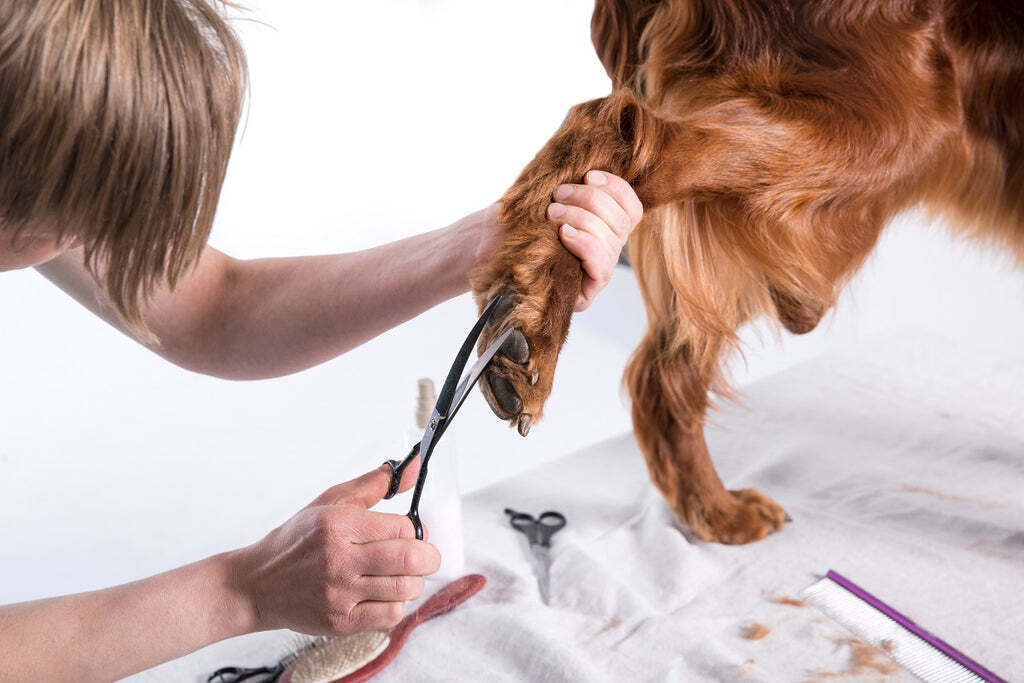
Acclimating your dog to the grooming process is essential for a successful experience when using clippers. A well-prepared dog is more likely to remain calm and cooperative, allowing you to achieve the desired grooming results without stress for both you and your pet. Establishing a sense of comfort and reassurance will set the tone for a positive grooming session.Creating a calm grooming environment is pivotal in helping your dog feel at ease.
Start by choosing a quiet area free from distractions, where your dog feels safe and secure. This space should be well-lit and spacious enough to accommodate your grooming needs. Additionally, familiarize your dog with the clippers gradually, ensuring that they can associate the sound and sensation with positive experiences.
Familiarization with Clippers
To help your dog get used to the sound and feel of clippers, it is beneficial to follow a systematic approach. Gradual exposure can significantly reduce anxiety. Consider the following techniques:
- Introduce the clippers while they are turned off. Allow your dog to sniff and investigate them, fostering curiosity rather than fear.
- Turn on the clippers nearby without touching your dog to allow them to hear the sound. Observe their reaction and remain calm, providing gentle reassurance.
- Once your dog appears comfortable, place the clippers on your pet’s body without cutting, to help them get used to the sensation.
- Use treats or their favorite toy during this process, creating a positive association with the clippers. Gradually increase the duration as your dog becomes more relaxed.
Creating a Calm Grooming Environment
A serene grooming environment is vital for a stress-free experience. Factors to consider include:
- Limit noise distractions by turning off the television and avoiding loud conversations. Soft background music may serve to soothe your pet.
- Ensure your dog is in a comfortable position, using non-slip mats to help them feel stable and secure during grooming.
- Keep grooming tools organized and within reach, minimizing movement and potential disruptions during the process.
- Incorporate calming scents, such as lavender or chamomile, to create a tranquil atmosphere that encourages relaxation.
Rewarding and Reassuring Your Dog
Positive reinforcement is crucial throughout the grooming process. Here are effective methods to reward and reassure your dog:
- Offer treats frequently, especially after successful completion of each grooming step, such as clipping a small section of fur.
- Utilize praise and gentle petting to reassure your dog that they are doing well. Your calm demeanor will help them feel more secure.
- Incorporate short breaks during grooming to prevent overwhelming your dog. This will allow them to relax and recharge.
- Utilize interactive toys or chew items to distract your dog if they become anxious, redirecting their focus during the grooming process.
By creating a positive association with grooming, you set the foundation for future sessions, making them easier for both you and your pet.
Step-by-Step Grooming Process
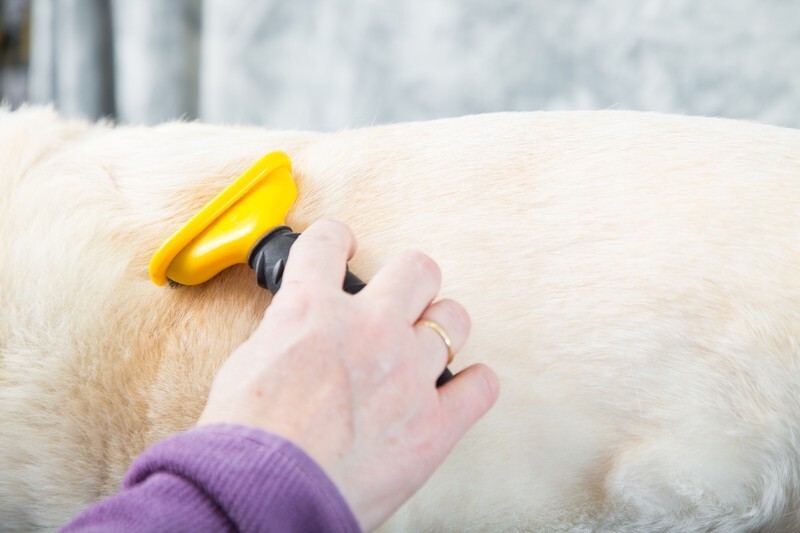
Using dog grooming clippers for the first time can be a rewarding experience, both for you and your furry friend. Understanding the grooming process ensures that you achieve a professional look while keeping your dog comfortable and safe. This guide Artikels the essential steps to take when using clippers, providing you with a structured approach to grooming.The following sections detail the step-by-step grooming process, ensuring that you have a clear plan to follow.
A checklist is also provided to enhance efficiency and safety during the grooming session. Additionally, a comparative table of grooming styles and the appropriate clipper settings is included to help you choose the best option for your dog’s coat type.
Step-by-Step Clipper Usage
The grooming process involves several critical steps to ensure both the dog’s comfort and the efficacy of the grooming session. Below are the steps to follow:
- Prepare the Environment: Create a calm atmosphere with minimal distractions. Ensure good lighting and a clean, non-slip surface for your dog to stand on.
- Gather Supplies: Assemble all necessary tools, including clippers, combs, brushes, and treats for positive reinforcement.
- Check Clipper Settings: Select the appropriate blade length based on the desired grooming style and your dog’s coat type.
- Introduce the Clippers: Allow your dog to become familiar with the sound and feel of the clippers by turning them on without using them initially. Reward your dog with treats to create positive associations.
- Start Grooming: Begin with a small section of hair, using smooth, even strokes. Always clip in the direction of hair growth to prevent discomfort.
- Monitor the Dog’s Reaction: Keep an eye on your dog’s body language. If your dog shows signs of stress, pause and provide reassurance.
- Finish and Clean Up: Once grooming is complete, reward your dog with praise and treats. Clean the clippers and store all tools appropriately.
Grooming Checklist
To enhance the efficiency and safety of the grooming session, consider following this checklist before you begin:
- Clippers charged and functioning properly
- Correct blade size selected
- Dog’s coat brushed and free of tangles
- Calm and distraction-free environment
- Treats ready for positive reinforcement
- Emergency contact information for a vet
Comparison of Grooming Styles and Clipper Settings
Understanding different grooming styles and their respective clipper settings is essential for achieving optimal results. The table below illustrates various grooming styles along with recommended clipper settings:
| Grooming Style | Description | Recommended Clipper Setting |
|---|---|---|
| Summer Cut | A short, manageable cut ideal for warmer months. | #5 or #7 blade |
| Standard Cut | A medium-length cut that retains some coat length while being easy to maintain. | #4 or #5 blade |
| Show Cut | A detailed cut used for show dogs that requires precision and longer hair. | #10 blade and scissors for finishing touches |
| Hand-Stripped | A technique used for certain breeds to maintain a natural look. | Not applicable (requires hand-stripping tools) |
“A well-groomed dog not only looks good but also feels good.”
Safety Precautions
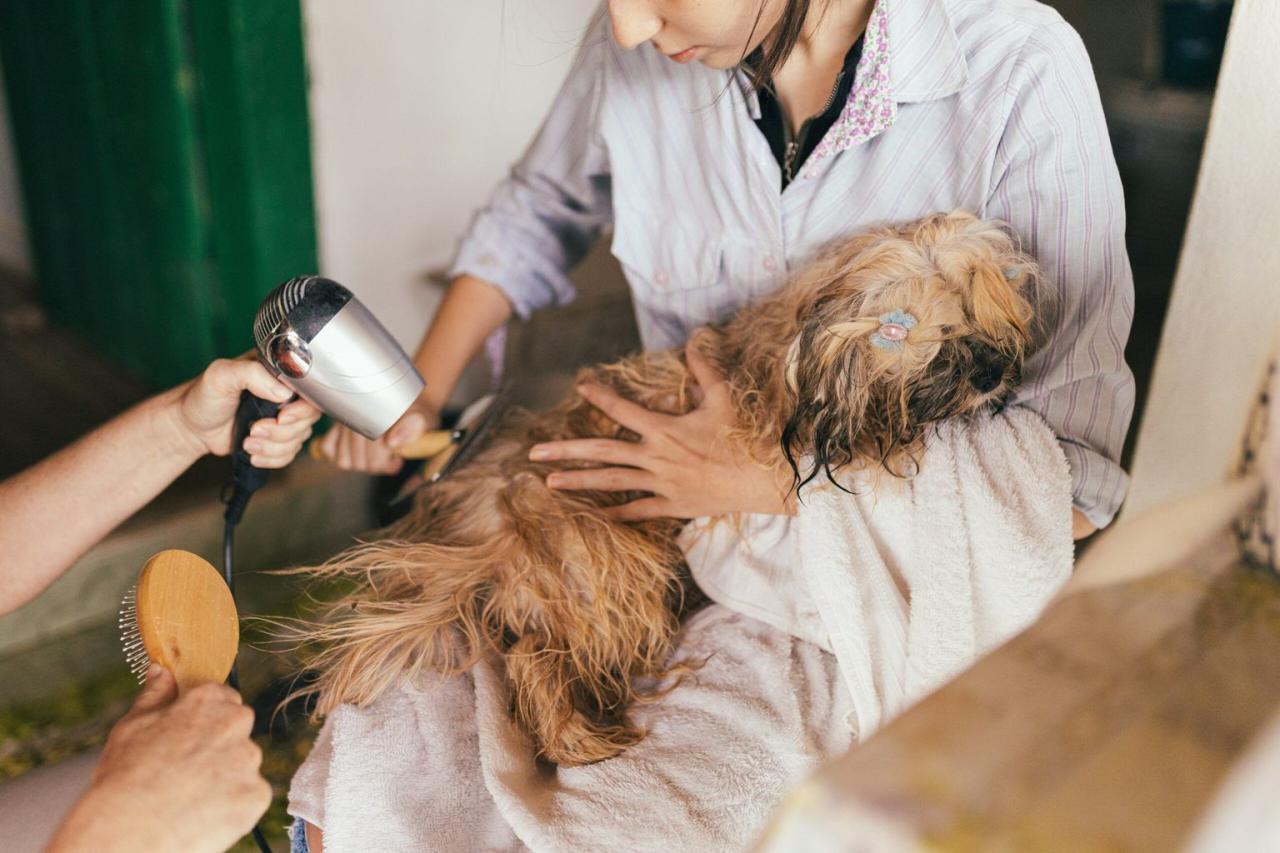
When it comes to grooming your dog at home, ensuring safety for both you and your pet is paramount. Dog grooming clippers can be sharp and powerful, making it essential to take specific precautions to prevent accidents and injuries. Adopting a conscientious approach during grooming sessions not only protects your furry friend but also enhances the overall experience, making it more enjoyable for both parties.Several safety measures should be observed while using grooming clippers.
First and foremost, always ensure that your dog is securely positioned, whether on a grooming table or a stable surface, to prevent sudden movements that could lead to accidents. Additionally, familiarize yourself with the clippers’ features and operating instructions before use. Understanding how to handle the equipment can significantly reduce the risk of mishaps.
Avoiding Sensitive Areas
It is crucial to exercise caution around sensitive areas during grooming. Certain parts of the dog’s body, such as the ears, face, and paws, are more vulnerable and require special attention. To avoid injury in these sensitive areas, consider the following guidelines:
- Use guard attachments for the clippers to provide a buffer against accidental nicks in delicate regions.
- Groom slowly and steadily, allowing your dog to get accustomed to the vibrations and sounds of the clippers.
- Maintain a clear view of what you are doing, ensuring that you can see the clippers in relation to your dog’s skin.
- Hold the clippers at an angle that avoids direct contact with sensitive areas, especially when trimming around the face and eyes.
Taking these precautions can help mitigate the risks associated with grooming, keeping your dog safe and comfortable throughout the process.
Handling Potential Accidents or Injuries
Despite meticulous planning, accidents can occasionally happen. Knowing how to respond to injuries during grooming can make a significant difference. In the event of a minor injury, follow these steps:
- Remain calm to avoid stressing your dog further.
- Assess the injury carefully, checking for bleeding or cuts.
- If there is bleeding, apply gentle pressure with a clean cloth or gauze to stop the flow.
- For any serious injuries or if you are uncertain about the extent of the damage, consult a veterinarian immediately.
An emergency first aid kit specifically for your pet can be invaluable during grooming sessions, allowing you to manage minor issues promptly and efficiently. Being prepared ensures that you can handle unexpected situations calmly and competently.
Prioritize safety during dog grooming to create a positive experience for both you and your pet.
Post-Grooming Care
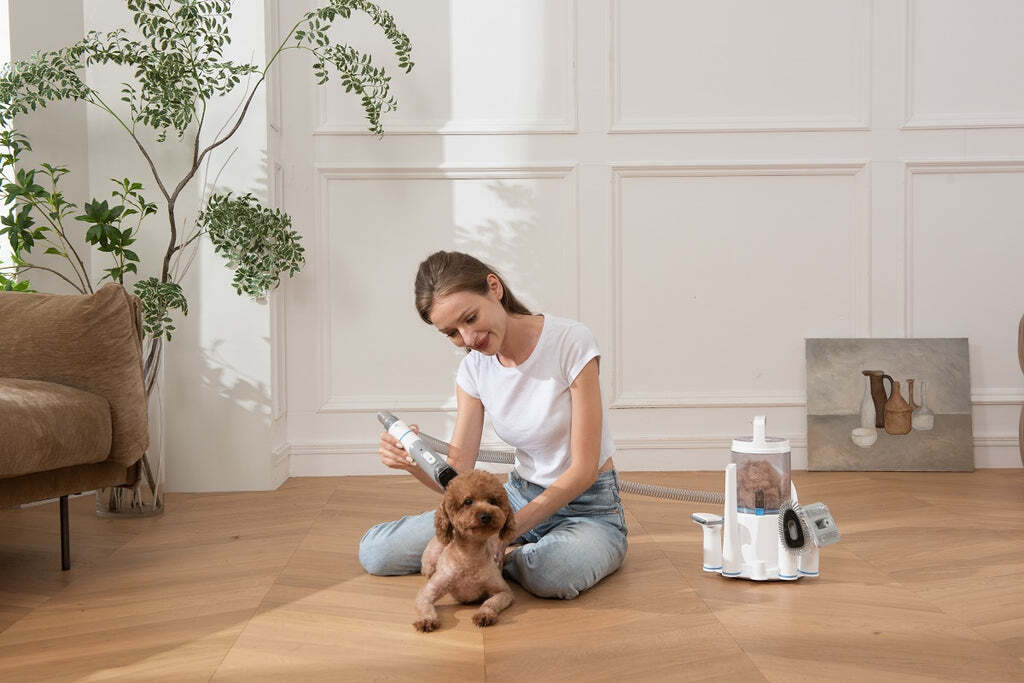
Ensuring proper post-grooming care is essential to maintain your dog’s comfort and well-being after grooming. It involves a series of steps designed to keep your dog’s coat healthy, check for any skin issues, and maintain your grooming tools in optimal condition. This attention to detail will help in reinforcing a positive grooming experience for both you and your pet.It is crucial to implement a systematic approach to aftercare once grooming is complete.
Taking care of your dog’s coat and skin, as well as maintaining the grooming tools, ensures long-term health and safety. Attention to these details will also enhance the grooming process for future sessions.
Post-Grooming Steps for Your Dog
After grooming, certain steps should be taken to ensure your dog is comfortable and to enhance the health of their coat and skin. The following are essential aftercare practices:
- Provide Fresh Water: Offer your dog fresh water immediately after grooming to keep them hydrated.
- Reward and Comfort: Use treats or gentle praise to reward your dog for their patience during grooming, reinforcing positive behavior.
- Check for Skin Irritations: Inspect your dog’s skin for any redness, bumps, or irritation that may have developed during the grooming process.
- Brush Their Coat: Lightly brush your dog’s coat to remove any loose hairs and ensure that it is free of tangles.
- Shower with Care: If you used a shampoo, ensure that you have thoroughly rinsed it out to avoid residual irritants.
Cleaning and Maintaining Grooming Tools
Proper maintenance of grooming tools is vital for both hygiene and longevity. Clean tools help prevent infections or irritations that could affect your pet. Follow these steps to maintain your grooming tools effectively:
- Disinfect After Each Use: Use a suitable disinfectant spray to clean clippers, scissors, and brushes after each grooming session.
- Oil Clipper Blades: Regularly oil the blades of clippers to keep them sharp and functioning efficiently, preventing tugging on your dog’s coat.
- Store Properly: Ensure all tools are stored in a dry, clean environment to avoid rust and damage.
- Check for Wear and Tear: Regularly inspect your tools for any signs of wear. Replace or repair tools as necessary to maintain grooming quality.
Addressing Skin Irritations
Post-grooming skin irritations may occur due to various factors, including improper washing or clipping techniques. It is essential to recognize and address these issues promptly.
Regular inspection post-grooming can help identify skin irritations early, preventing further complications.
If you notice any signs of irritation, consider the following actions:
- Clean the Area: Gently clean the affected area with a mild antiseptic solution to prevent infection.
- Use a Soothing Cream: Applying a veterinarian-recommended soothing cream can help alleviate discomfort and promote healing.
- Consult the Veterinarian: If the irritation persists or worsens, seek veterinary advice to determine the appropriate course of action.
Troubleshooting Common Issues
Grooming your dog for the first time can be a rewarding experience, but it may also come with its set of challenges. Understanding and troubleshooting common issues will help ensure a smoother grooming process and promote a positive environment for both you and your pet. This section addresses typical problems that first-time groomers might encounter, along with practical solutions to overcome these obstacles.
Identifying Typical Problems Faced
When using dog grooming clippers for the first time, various issues can arise. Common problems include your dog’s anxiety, clipper overheating, and dull blades. Recognizing these challenges early can make a significant difference in your grooming session.
- Anxious or Difficult Dogs: Many dogs may feel nervous during grooming due to unfamiliar sounds or sensations. Signs of anxiety can include panting, shaking, or trying to escape.
- Overheating Clippers: Grooming sessions can get lengthy, and clippers may overheat if not monitored. This can cause discomfort for your dog and result in uneven cutting.
- Dull Blades: If the clippers are not cutting smoothly or are tugging at the dog’s fur, it may indicate that the blades have dulled, making the grooming process more stressful for both you and your pet.
Solutions for Anxious Dogs
Addressing anxiety in dogs during grooming requires patience and positive reinforcement. It is crucial to create a calm environment to help alleviate your dog’s stress.
- Desensitization: Gradually introduce the clippers to your dog by allowing them to sniff and explore the device in a relaxed setting.
- Positive Reinforcement: Offer treats and praise when your dog remains calm during grooming activities. This positive association can help reduce fear over time.
- Short Sessions: Start with short grooming sessions to help your dog acclimate. Gradually extend the duration as they become more comfortable.
Handling Overheating Clippers
Clippers that overheat can not only hinder the grooming process but also cause discomfort to your dog. It is essential to monitor the clippers closely during use.
- Regular Breaks: Take short breaks every 10-15 minutes to allow the clippers to cool down and to give your dog a chance to relax.
- Proper Maintenance: Ensure that the clippers are well-oiled and cleaned regularly. This can help prevent overheating and ensure optimal performance.
- Choosing the Right Clipper: Invest in high-quality clippers designed for prolonged use, as they tend to have better heat dissipation mechanisms.
Dealing with Dull Blades
Dull blades can greatly affect the grooming experience, leading to discomfort for your dog and frustration for the groomer. Addressing this issue promptly is essential for effective grooming.
- Regular Blade Maintenance: Keep blades sharpened and well-maintained to ensure a smooth cutting experience. Regularly check for wear and tear.
- Using Quality Blades: Opt for high-quality blades that are designed to last longer, reducing the frequency of dullness.
- Replacement and Backup: Having spare blades on hand allows for quick replacement if you notice any tugging or pulling during grooming.
Final Conclusion
In conclusion, mastering the use of dog grooming clippers for the first time opens the door to a new level of care for your pet, allowing you to maintain their hygiene and appearance with ease. By following the Artikeld steps and recommendations, you can confidently groom your dog while ensuring their safety and comfort. Remember, practice makes perfect, and the bond formed during this process will only deepen your connection with your furry companion.