How to Use a Dog Nail Grinder Safely is an essential guide for pet owners seeking to maintain their dog’s nail health while ensuring a stress-free experience. As grooming is a crucial aspect of responsible pet ownership, mastering the use of a nail grinder can greatly enhance your dog’s comfort and well-being.
This article will explore vital safety precautions, the correct techniques for effective use, and the importance of choosing the right grinder. By following these guidelines, you can create a positive environment for your dog, making nail grooming a simple and enjoyable task.
Safety Precautions Before Using a Dog Nail Grinder
Using a dog nail grinder safely involves several critical safety precautions that must be adhered to before operation. Ensuring the safety of both the dog and the handler is paramount. This section will cover essential safety gear, preparations for a calm environment, and techniques to familiarize the dog with the grinder.
Essential Safety Gear for Operation
Before using a dog nail grinder, it is crucial to equip oneself with the right safety gear. This gear protects both the dog and the handler from potential harm. The following items are recommended:
- Protective Eyewear: Safety goggles can prevent dust and debris from entering the eyes during the grinding process.
- Hearing Protection: Earplugs or noise-canceling headphones should be considered if the grinder produces loud noise that could startle the dog or cause hearing damage.
- Comfortable Clothing: Wear clothes that allow free movement and protect against accidental scratches from the dog.
Preparation Checklist for a Calm Environment
Creating a calm environment is essential for a successful nail grinding session. A pre-session checklist will help ensure that both the dog and handler are prepared. Consider the following preparations:
- Choose a quiet location away from distractions, such as loud noises or other pets.
- Ensure the dog has had a chance to exercise beforehand to expend excess energy.
- Have treats available to reward the dog for calm behavior throughout the process.
- Use a non-slip mat to prevent the dog from slipping during the grinding.
- Consider using a muzzle if the dog has a history of biting or if they tend to be anxious.
Techniques to Familiarize the Dog with the Grinder Sound and Vibration
Familiarizing the dog with the grinder is a vital step to ensure they are comfortable and less anxious during the actual grinding. The following techniques can be employed:
- Introduce the Grinder: Allow the dog to sniff and examine the grinder while it is turned off. This helps them become accustomed to the object.
- Gradual Sound Exposure: Turn on the grinder at a distance, progressively moving closer as the dog becomes more relaxed with the sound.
- Simulated Vibration: Place the grinder on a surface while it is on to allow the dog to feel the vibrations without it being near their paws initially.
- Positive Reinforcement: Reward the dog with treats and praise for calm behavior during each exposure to the grinder’s sound and vibration.
“A well-prepared environment and gradual familiarization with the grinder can significantly reduce a dog’s anxiety, leading to a safer and more effective nail grinding process.”
Proper Technique for Using a Dog Nail Grinder
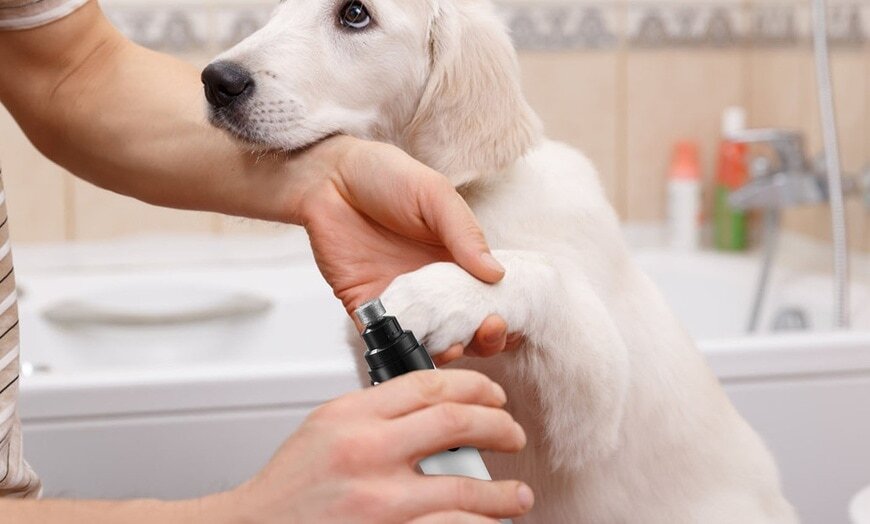
Using a dog nail grinder effectively requires not only the right tools but also the proper technique. Ensuring that both the dog and the handler are comfortable during the process is essential for a positive experience. This section Artikels the correct grip, positioning, and steps to introduce the grinder to your dog’s nails safely and effectively.The correct grip and positioning of the grinder are crucial for achieving the best results while minimizing the risk of injury.
Hold the grinder firmly yet gently, ensuring that your grip is relaxed to avoid any unnecessary pressure that might scare your dog or cause you to lose control. Position yourself comfortably beside your dog, allowing easy access to their paws without straining.
Steps for Introducing the Grinder to Your Dog’s Nails
Before starting, it is important to familiarize your dog with the grinder. Gradually introducing the tool will help your dog feel more comfortable. The following steps Artikel this process:
1. Familiarization
Turn on the grinder in your dog’s presence without applying it to their nails. Allow them to get used to the sound and vibration.
2. Positive Reinforcement
Reward your dog with treats and praise when they remain calm during the noise, creating a positive association with the grinder.
3. Initial Contact
Once your dog is comfortable, gently hold one paw and touch the grinder lightly to their nails without grinding. Reward them for calm behavior.
4. Short Grinding Sessions
Begin grinding the tips of the nails for a few seconds. Limit each session to a few nails at a time, gradually increasing the duration as they become more accustomed to the process.
5. Take Breaks
If your dog shows signs of stress or discomfort, take a break and try again later. Always ensure the experience remains positive.The angle at which you hold the grinder is important for effectively grinding nails of different sizes. For larger nails, a more upright angle may be necessary to ensure contact with the nail’s surface. Conversely, for smaller nails, holding the grinder at a flatter angle provides better control and precision.
“Proper positioning and angle not only enhance efficiency but also ensure a safer experience for both you and your dog.”
In conclusion, using a dog nail grinder effectively involves a combination of proper technique, familiarization, and maintaining a calm environment. By following these steps, you will create a positive grooming experience that promotes good nail health for your dog.
Choosing the Right Dog Nail Grinder
Selecting the appropriate dog nail grinder is crucial for ensuring a safe and effective grooming experience for your pet. With various options available on the market, it can be daunting to determine which grinder suits your dog’s specific needs. This section will compare different types of grinders and highlight the essential features to look for when making your choice.
Comparison of Types of Grinders
There are primarily two types of dog nail grinders: electric and manual. Each comes with its advantages and drawbacks, which can impact your choice depending on your dog’s temperament and size.
- Electric Grinders: These are powered tools that use a rotating grinding stone to file down nails. They are often quicker and more efficient, making them suitable for dogs that may be anxious during grooming. However, they require charged batteries or a power source. Electric grinders can be more noise-sensitive, which may affect nervous dogs.
- Manual Grinders: These are hand-operated tools that require physical effort to grind the nails. They are generally quieter and less intimidating for some dogs. However, manual grinders demand more time and patience, which might not be ideal for larger breeds or those with thicker nails.
Key Features to Consider
When selecting a nail grinder, it is essential to consider specific features that cater to your dog’s breed, size, and temperament. Here are some key features to keep in mind:
- Speed Settings: Adjustable speed settings allow you to customize the grinding experience based on your dog’s comfort level and nail hardness.
- Noise Level: A quieter grinder is less likely to startle or stress your pet, especially if they are not accustomed to nail trimming.
- Portability: A lightweight, cordless option can make it easier to manage during grooming sessions, especially with active dogs.
- Safety Features: Look for models with safety guards that prevent over-grinding or accidental injuries to your dog.
- Battery Life: For electric grinders, a longer battery life ensures uninterrupted grooming sessions, especially for larger breeds with multiple nails to grind.
Pros and Cons of Electric vs. Manual Grinders
Choosing between electric and manual grinders involves weighing their respective advantages and disadvantages. Below is a comparative table to help clarify these aspects.
| Type of Grinder | Pros | Cons |
|---|---|---|
| Electric Grinder |
|
|
| Manual Grinder |
|
|
Steps to Grind Dog Nails Safely and Effectively
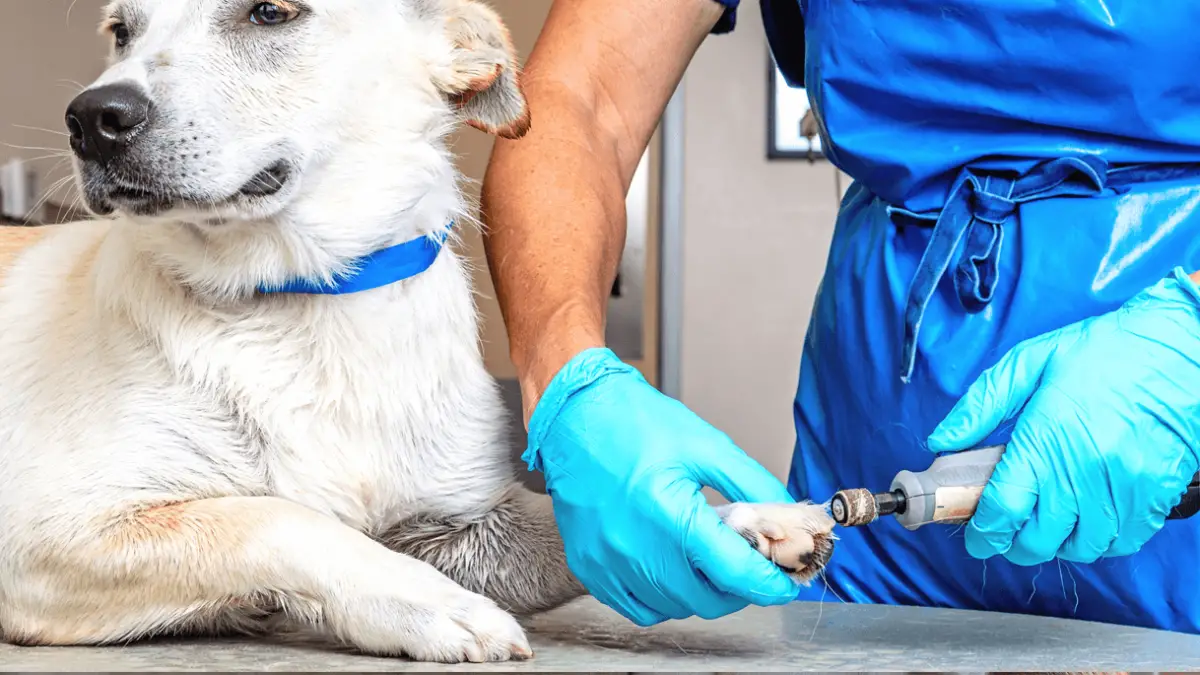
Grind dog nails safely and effectively requires a thoughtful approach to ensure both the dog’s comfort and the precision of the task. By following systematic procedures and utilizing appropriate techniques, pet owners can make nail grinding a stress-free experience for their dogs while achieving well-groomed nails.Begin by preparing the environment and the tools necessary for the task at hand. A quiet space with minimal distractions is ideal for both the dog and the person performing the nail grinding.
The dog should be calm and secured in a comfortable position, either sitting or lying down, which can help in alleviating anxiety during the process.
Preparing for Nail Grinding
Before commencing with the grinding, ensure that both the dog and the grinder are ready. The following steps are essential for effective preparation:
1. Select the Right Time
Choose a time when your dog is naturally relaxed, such as after a walk or play session.
2. Gather Necessary Tools
Have the nail grinder, treats, and possibly a towel nearby to help stabilize the dog if needed.
3. Familiarization
Allow the dog to sniff and observe the nail grinder to reduce any fear or anxiety associated with the tool.
4. Practice Handling
Gently hold the dog’s paw and touch the nail grinder to the nail without grinding to help the dog get used to the sensation.
5. Stay Calm
Your demeanor can influence the dog’s reaction. Stay calm and confident to convey a sense of reassurance.
Techniques for Grinding Nails
Utilizing proper techniques during the grinding process is crucial to ensure safety and effectiveness. The following methods can help manage the grinding efficiently:
Gradual Approach
Begin by grinding just a small portion of the nail tip, gradually working your way back toward the quick (the sensitive pink area of the nail) to avoid over-grinding.
Short Sessions
Keep grinding sessions brief, around 5 to 10 minutes, to prevent the dog from becoming agitated or tired.
Positive Reinforcement
Use treats and soothing words to reward the dog after grinding each nail. This reinforces a positive association with the process.
Monitor Reactions
Pay close attention to your dog’s body language. If they show signs of stress or discomfort, take a break and reassure them.
Managing a Resistant Dog
It is common for some dogs to resist nail grinding. Employing specific techniques can help in managing their behavior effectively:
Use of Restraint
For small dogs, holding them securely in your lap or on a non-slip surface can provide stability. Large or more active dogs may benefit from being placed on a grooming table with a non-slip mat.
Partner Assistance
If possible, have a second person hold and comfort the dog while you perform the grinding.
Desensitization Training
Gradually introduce the nail grinder to your dog over several sessions without actually grinding their nails. This helps in reducing fear.
Distraction Techniques
Use toys or treats to distract the dog while you grind their nails, diverting their attention from the grinding process.
Monitoring Nail Length and Preventing Over-Grinding
To maintain the health of your dog’s nails, it is important to monitor their length and prevent over-grinding. The following tips can assist in achieving this:
Regular Checks
Routinely assess the nail length. Ideally, nails should be short enough that they do not touch the ground when the dog is standing.
Set a Schedule
Establish a regular nail grinding schedule, typically every 3-4 weeks, to keep nails manageable and prevent excessive length.
Visual Cues
Notice changes in your dog’s walking behavior. If they seem hesitant or are favoring a paw, it may indicate that their nails need attention.
Avoiding the Quick
Always be cautious not to grind too close to the quick. A safe guideline is to grind only the tip of the nail, checking for a change in color or texture as you approach the quick.
Maintaining proper nail length not only enhances your dog’s comfort but prevents potential injuries caused by overgrown nails.
Post-Grinding Care for Dogs
After grinding your dog’s nails, proper aftercare is essential to ensure their comfort and health. This stage not only soothes the dog’s paws but also helps in preventing any complications resulting from the nail grinding process. By providing adequate care, pet owners can enhance their dog’s overall well-being and promote positive experiences during future grooming sessions.The aftercare process involves observing your dog’s paws for any signs of discomfort or injury, as well as actively soothing them to prevent any potential stress or irritation.
The following sections detail important aftercare procedures and signs to watch for, ensuring your dog remains happy and comfortable after their nail grinding session.
Aftercare Procedures to Soothe the Dog’s Paws
Implementing soothing procedures post-grinding can significantly ease any discomfort your dog may experience. These steps focus on minimizing pain and promoting healing:
1. Inspect the Paws
Carefully examine the paw pads and nails for any signs of injury or excessive bleeding.
2. Clean the Paws
Use a damp cloth to gently wipe the paws, removing any debris or dust that may irritate the skin.
3. Apply a Moisturizing Balm
Utilize pet-safe balms to hydrate the paw pads and nails, preventing dryness and cracking.
4. Provide a Comfortable Space
Allow your dog to rest in a quiet, comfortable area, offering blankets or soft bedding to aid relaxation.
5. Monitor Activity Levels
Keep an eye on your dog’s activity, ensuring they do not engage in overly vigorous exercise immediately after grinding.
Signs of Potential Nail Injury and How to Address Them
Awareness of potential nail injuries is crucial for prompt intervention. Symptoms of injury may include:
Bleeding
Blood at the nail tip or around the nail bed indicates a possible nail injury.
Swelling
Noticeable swelling around the paw or nail suggests inflammation.
Limping
If the dog is favoring a specific paw, it may indicate pain or discomfort.
Excessive Licking
Continuous licking of a paw can signal irritation or discomfort.In cases of bleeding, applying a styptic powder can help stop the bleeding quickly. If swelling or pain persists, consulting with a veterinarian is advisable. They may recommend anti-inflammatory medicine or further treatments to alleviate the issue.
Importance of Regular Nail Grinding and Its Effects on Dog Health
Regular nail grinding plays a vital role in maintaining your dog’s overall health. Frequent grooming contributes to several aspects of well-being, including:
Prevention of Overgrown Nails
Regular grinding prevents nails from becoming overgrown, which can lead to painful splitting or breakage.
Improved Mobility
Properly maintained nails support better walking and running, reducing the risk of injuries.
Enhanced Paw Health
Keeping nails trimmed minimizes the risk of nail bed infections and other complications.
Behavioral Benefits
Regular grooming sessions can reduce anxiety associated with nail trimming, leading to a more relaxed dog during grooming.Incorporating nail grinding into your dog’s grooming routine not only promotes physical health, but also fosters a strong bond between the pet and owner, transforming a potentially stressful experience into a pleasant and beneficial one.
Common Mistakes to Avoid When Using a Dog Nail Grinder
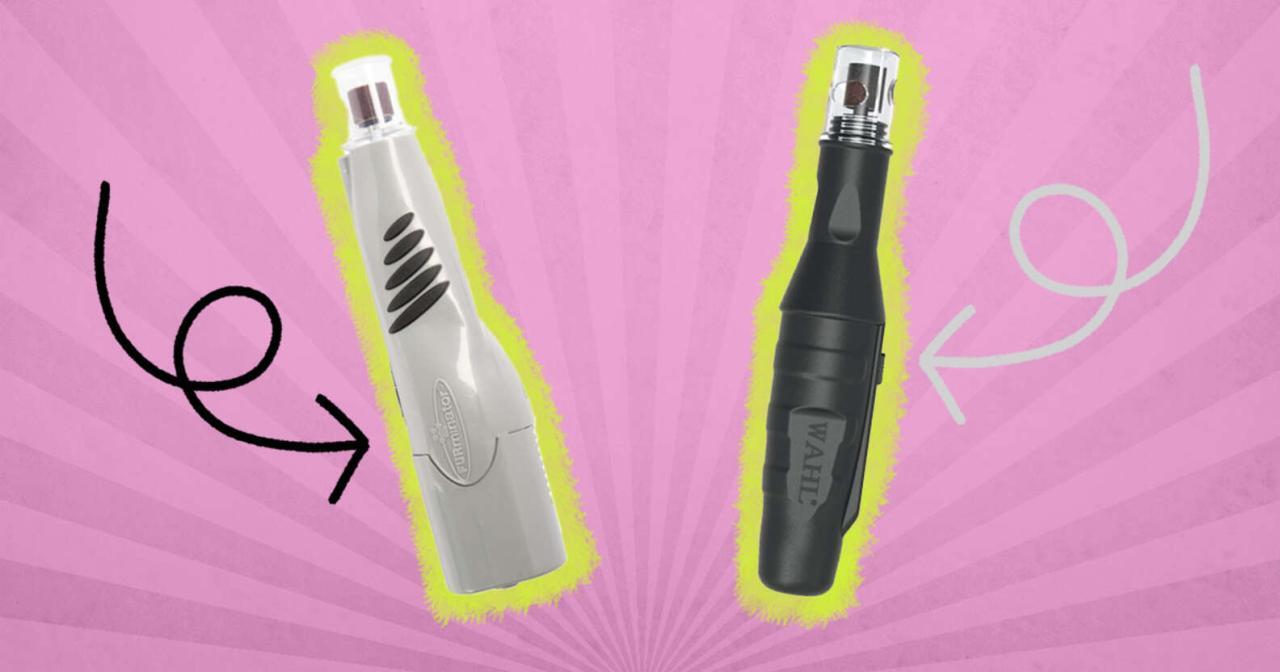
Using a dog nail grinder can be an effective way to maintain a dog’s nail health, but several common mistakes can hinder the process and even cause distress to your pet. Understanding these pitfalls and how to avoid them is crucial for a safe and successful experience. Neglecting proper techniques when using a dog nail grinder can lead to various complications, such as injury to the dog’s nail bed or excessive anxiety for the pet.
Additionally, improper handling can result in uneven nail lengths or damage to the grinder itself, causing inefficient performance. Below are frequent errors that should be avoided during the nail grinding process.
Frequent Errors in Nail Grinding
Being aware of common mistakes helps ensure a positive grooming session. The following mistakes are often made by pet owners when using a dog nail grinder:
- Not Introducing the Grinder Gradually: Failing to acclimate your dog to the grinder’s sound and vibration can lead to fear or anxiety during the grooming process.
- Holding the Grinder Incorrectly: Using an improper grip can result in a loss of control, making it challenging to grind nails accurately.
- Grinding Too Quickly: Rushing through the process can cause overheating of the nail, leading to pain or injury.
- Ignoring the Dog’s Body Language: Not paying attention to signs of discomfort can escalate stress for the animal, leading to a negative experience.
- Neglecting Regular Breaks: Continuous grinding without breaks can tire both the owner and the dog, affecting performance and patience.
- Using a Dull or Inappropriate Grinder: An ineffective tool can cause more harm than good, leading to uneven nail lengths and increased anxiety.
It is important to recognize that overlooking these mistakes can have serious repercussions. For instance, failing to introduce the grinder gradually may result in your dog developing a lasting fear of grooming devices. Likewise, not monitoring your dog’s reaction can lead to physical injuries or emotional distress. By adhering to recommended practices, you can significantly enhance safety and effectiveness during the nail grinding process.
It is essential to take the time to ensure that both you and your dog are prepared for grooming sessions, creating a calm and positive environment conducive to effective nail care.
Proper techniques and patience are key to a safe and successful dog nail grinding experience.
Alternatives to Nail Grinders
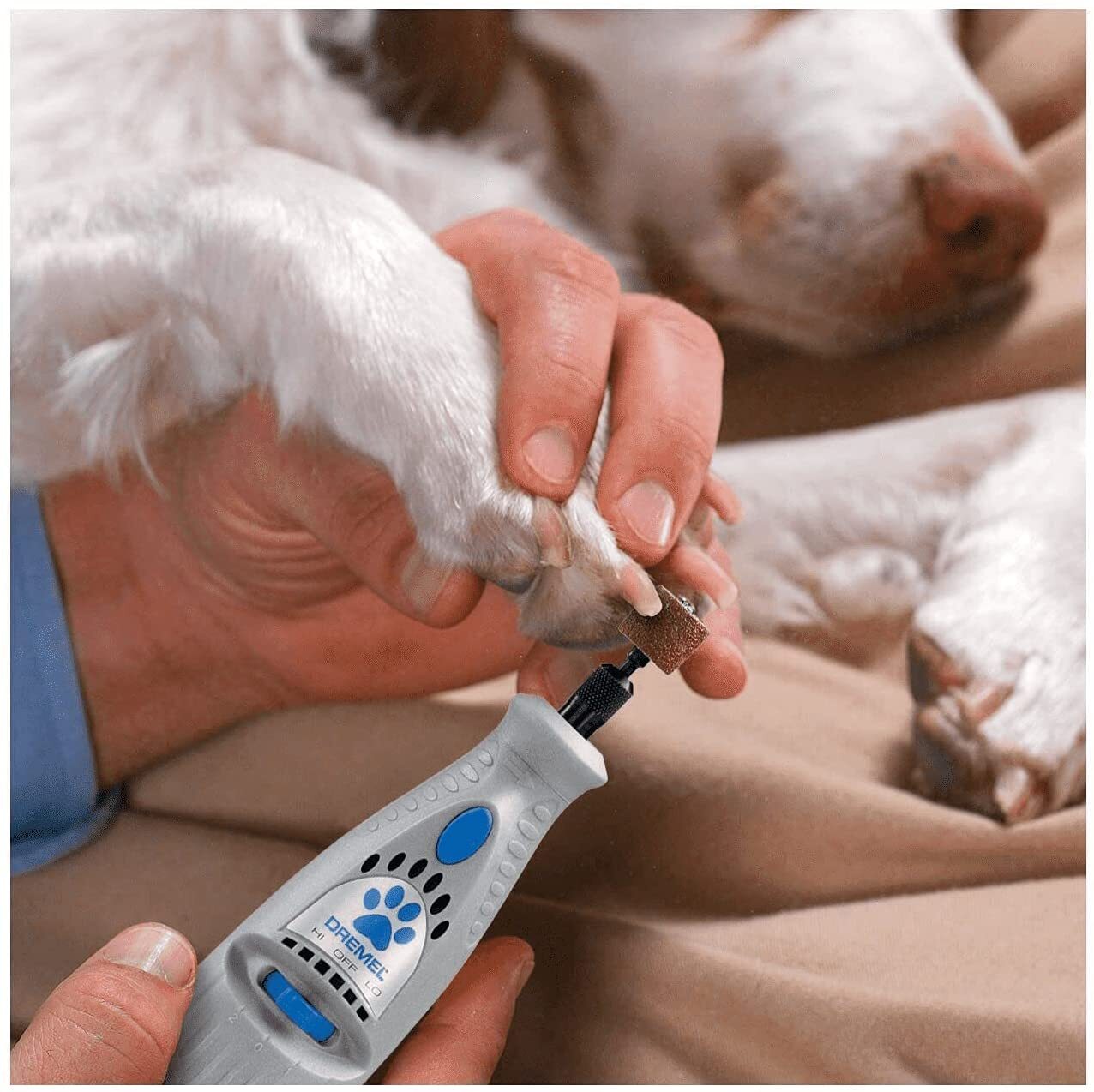
When it comes to maintaining your dog’s nails, there are several alternatives to dog nail grinders that can be effective, depending on your dog’s temperament, nail thickness, and your personal preferences as a pet owner. Each method has its advantages and disadvantages, which are essential to consider before deciding on the best option for your pet’s grooming routine.Comparing nail clippers and other methods reveals distinct characteristics that can influence your choice.
Nail clippers are perhaps the most common tool, providing a straightforward and efficient way to trim nails quickly. However, they may not be suitable for every dog, particularly those with thick nails or those that are anxious during grooming sessions. Other alternatives such as manual files, electric clippers, and even professional grooming services offer different benefits.
Nail Clippers
Nail clippers are a widely used method for trimming dog nails. They come in various styles, including guillotine-style and scissors-style clippers. The use of nail clippers can be effective when performed correctly, but there are also potential drawbacks to consider. Benefits:
- Quick and efficient for simple trims
- Less noise compared to grinders, which can be less intimidating for some dogs
- Affordable and widely available in pet supply stores
Drawbacks:
- Potential for causing pain if the quick is accidentally cut
- Not suitable for dogs with very thick or large nails, which may require more specialized tools
- May require more physical strength and precision from the handler
Manual Files
Manual files offer a gentler option for nail maintenance, suitable for dogs that may be anxious or fearful of clippers or grinders. Benefits:
- Provides more control over the filing process, allowing for gradual nail reduction
- Less risk of cutting the quick, as it is a non-invasive method
- Can be used as a finishing touch after clipping to smooth edges
Drawbacks:
- Takes longer to achieve desired nail length compared to clippers or grinders
- Requires consistent pressure to be effective, which may not be convenient for all pet owners
Electric Clippers
Electric clippers are another alternative that can be used, particularly for breeds with thicker nails. They operate similarly to grinders but have the added benefit of being specifically designed for cutting. Benefits:
- Can handle thicker nails more easily than traditional clippers
- Some models come with multiple speed settings for customization based on your dog’s comfort level
Drawbacks:
- Can be noisy, potentially startling some dogs
- Higher initial cost compared to basic nail clippers
Professional Grooming Services
For owners who may not feel comfortable trimming their dog’s nails themselves, professional grooming services can be an excellent option. Benefits:
- Handled by trained professionals who have experience with various dog temperaments and nail types
- Reduces the stress for both the dog and the owner, as it is often a routine part of grooming
Drawbacks:
- Ongoing costs for regular grooming appointments
- Scheduling and transportation may be inconvenient for some pet owners
In summary, while nail grinders offer a modern solution for nail maintenance, other methods such as nail clippers, manual files, electric clippers, and professional grooming services provide viable alternatives that cater to different needs and preferences. Understanding the advantages and disadvantages of each tool can help pet owners make informed decisions about their dog’s grooming routine.
Ultimate Conclusion
![How To Use A Dog Nail Grinder [5 Steps To Hassle-Free Nail Trim]](https://racahan.web.id/wp-content/uploads/2025/09/grinding_nails.jpg "How To Use A Dog Nail Grinder [5 Steps To Hassle-Free Nail Trim]")
In summary, understanding How to Use a Dog Nail Grinder Safely involves not only proper technique and equipment but also a commitment to your dog’s comfort and safety. By avoiding common mistakes and providing post-grinding care, you can ensure that your dog’s nails are maintained without distress. Regular nail grinding contributes to your dog’s overall health, making this grooming practice a vital part of their routine.