How to Brush a Dog That Hates Being Brushed is a challenging yet rewarding endeavor for dog owners. Understanding the emotional and psychological barriers that may cause a dog to resist grooming is essential for creating a positive experience. By exploring effective techniques and tools, owners can transform grooming from a dreaded task into a bonding opportunity.
This guide delves into the intricacies of canine behavior, the selection of appropriate grooming tools, and the importance of establishing a calm environment. Additionally, it highlights the use of positive reinforcement and alternative grooming methods, ensuring that every dog, regardless of temperament, can enjoy a more pleasant brushing experience.
Understanding Dog Behavior
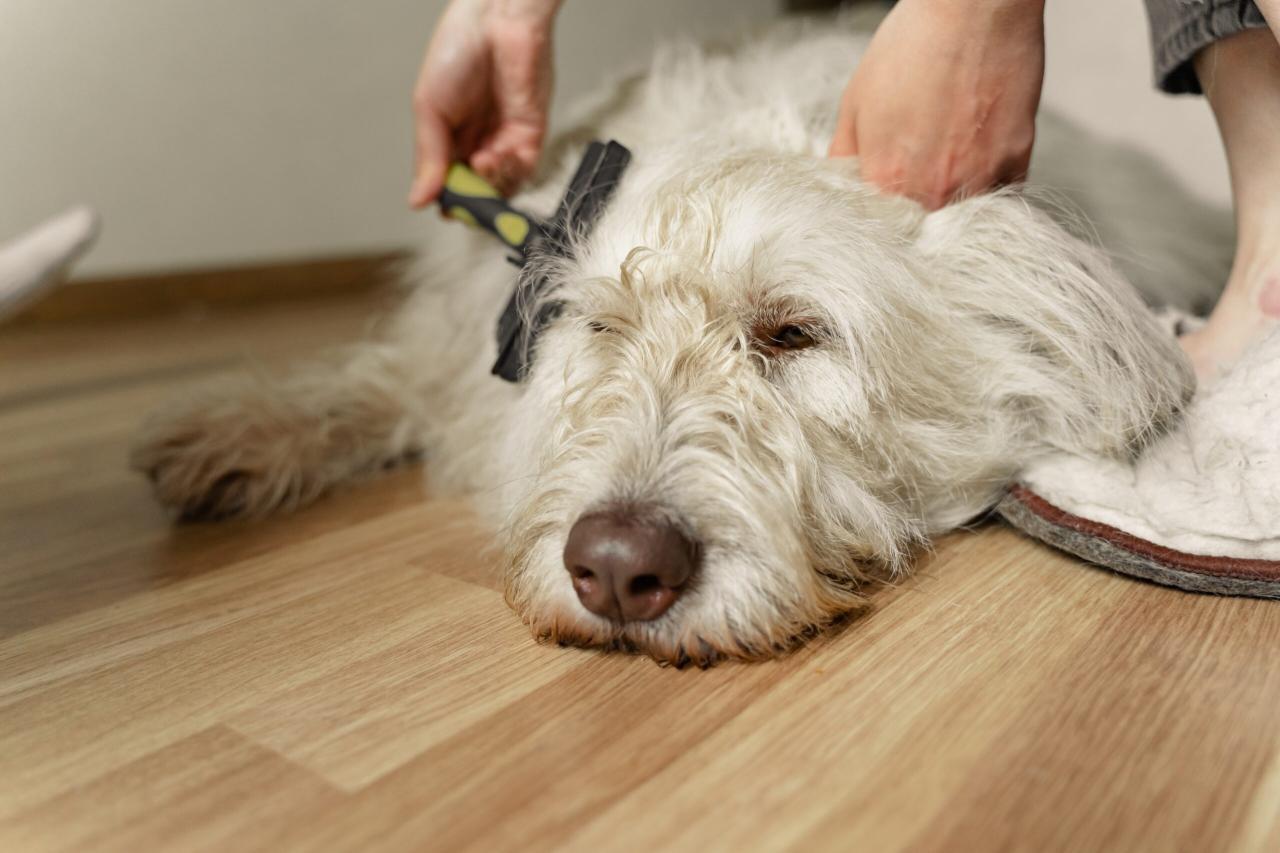
Understanding the behavior of dogs is crucial for effective grooming, especially when dealing with dogs that exhibit a dislike for brushing. Various factors can contribute to a dog’s aversion to grooming, and recognizing these elements is essential for creating a more pleasant experience. A dog’s temperament, past experiences, and inherent traits all play significant roles in shaping its reactions to grooming.Certain dogs may exhibit a dislike for being brushed due to a combination of fear, discomfort, or previous traumatic experiences.
Factors such as sensitivity to touch, negative associations with grooming tools, or even a lack of socialization can manifest as anxiety during brushing. Recognizing these behaviors is vital for pet owners to address issues proactively and foster a trusting environment.
Signs of Fear or Anxiety During Grooming
Understanding the signs of fear or anxiety in dogs during grooming can help owners take appropriate measures to alleviate stress. Dogs may express their discomfort in various ways, and being able to identify these signs is crucial. Some common indicators include:
- Tensing up or holding still: A dog may become rigid, indicating apprehension about the brushing process.
- Growling or barking: Vocalizations can signify discomfort or a desire to stop the grooming session.
- Attempting to escape: Dogs may try to jump off the grooming table or move away from the brushing tool.
- Licking lips or yawning: These are stress-relieving behaviors that may occur when a dog feels anxious.
- Flat ears and lowered tail: Body language can be telling; ears pinned back and a tucked tail often indicate fear.
Recognizing these behaviors allows for timely intervention, helping to ease the dog’s anxiety and establish a more positive grooming routine.
Impact of Past Grooming Experiences
Previous grooming experiences can significantly influence a dog’s attitude towards brushing. If a dog has had a traumatic grooming session, it may associate the grooming process with fear or pain. Factors contributing to a negative grooming experience include harsh handling, loud noises from grooming equipment, or even the presence of other stressed animals in a grooming environment. Many dogs that have experienced painful grooming may show signs of anxiety or fear during subsequent grooming sessions.
Building a positive association through gradual desensitization techniques is essential. Effective strategies may include:
- Short and positive sessions: Keeping grooming sessions brief and rewarding can help create a more positive experience.
- Utilizing gentle tools: Choosing soft brushes and tools designed for sensitive dogs can alleviate discomfort.
- Incorporating treats: Offering treats during and after grooming can help associate the experience with positive outcomes.
Establishing a trusting relationship through understanding and care is vital for transforming a dog’s perception of grooming into a more favorable experience.
Choosing the Right Tools
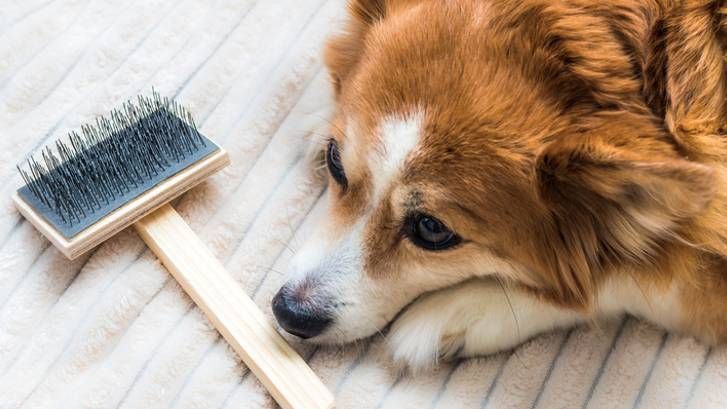
Selecting the appropriate brushing tools for your dog is crucial, especially when dealing with a dog that exhibits a dislike for brushing. The right tools not only enhance the grooming experience but also minimize discomfort. By understanding the needs of different dog breeds and the features of various brushes, dog owners can make informed decisions that facilitate a more positive grooming routine.Different dog breeds have varied coat types, necessitating specific grooming tools to ensure effective brushing.
Here are several types of brushes suitable for various breeds:
Types of Brushes for Different Dog Breeds
Understanding the types of brushes available helps in selecting the right one for your dog’s unique needs. Below is a detailed list of brushes along with their ideal applications:
- Slicker Brush: Ideal for long-haired breeds such as Golden Retrievers and Shih Tzus, it features fine, short wires close together to remove mats and tangles effectively.
- Pin Brush: Best for dogs with medium to long hair, such as Collies and Afghan Hounds, this brush has widely spaced pins that detangle and fluff up the coat without damaging it.
- Bristle Brush: Suitable for short-haired breeds like Beagles and Boxers, it helps remove surface debris and distributes natural oils, promoting a healthy shine.
- Undercoat Rake: This tool is perfect for breeds with thick undercoats, such as Siberian Huskies and German Shepherds, as it effectively removes dead hair while being gentle on the skin.
- Rubber Brush: Ideal for sensitive dogs, this brush is gentle and can be used on short-haired breeds to reduce shedding and stimulate skin circulation.
Selecting tools that ease brushing discomfort is essential, especially when working with dogs that are sensitive to the grooming process. Features such as ergonomic handles, flexible bristles, and gentle combs can significantly improve the brushing experience.
Features of Tools to Ease Brushing Discomfort
When choosing brushes, it’s crucial to identify features that can make the brushing process more comfortable for your dog. Here are some key features to look for:
- Ergonomic Handles: These provide a better grip and reduce strain on the groomer, allowing for a more controlled brushing experience.
- Flexible Bristles: Brushes with flexible bristles adapt to the contours of the dog’s body, preventing painful pulling and tugging on sensitive areas.
- Soft Tips: Brushes with rounded or soft tips minimize skin irritation and make the grooming process more tolerable for sensitive dogs.
- Adjustable Settings: Some grooming tools come with settings that allow you to adjust the intensity of brushing, which can be particularly useful for nervous dogs.
To further assist dog owners in choosing the right brush for their pets, a comparison table highlights the differences between brushes designed for sensitive dogs versus regular dogs.
Comparison of Brushes for Sensitive Dogs and Regular Dogs
The following table illustrates the key differences between brushes tailored for sensitive dogs and those suitable for regular dogs.
| Feature | Sensitive Dogs | Regular Dogs |
|---|---|---|
| Brush Type | Rubber Brush, Soft Bristle Brush | Slicker Brush, Pin Brush |
| Brushing Force | Gentle, Low Force | Moderate to Strong Force |
| Handle Type | Ergonomic, Non-Slip | Standard Grip |
| Effect on Coat | Minimizes Shedding, Gentle Detangling | Effective for Tangles and Mats |
| Price Range | Moderate to High | Varies, Generally Lower |
The right grooming tools are essential for creating a positive brushing experience, particularly for dogs that are sensitive to the process. By carefully selecting brushes based on the specific needs of their dog, owners can help alleviate discomfort and foster a more enjoyable grooming routine.
Preparing Your Dog for Brushing
Before engaging in the grooming process, it is essential to prepare your dog adequately. This preparation not only helps to reduce anxiety but also fosters a more positive experience for both you and your pet. By acclimating your dog to grooming tools gradually and creating a soothing environment, you can transform brushing from a dreaded task into a pleasant bonding activity.To ensure that your dog is comfortable with brushing, a systematic approach is beneficial.
This involves familiarizing your dog with grooming tools progressively and establishing a calming routine to ease any apprehension. The objective is to create an atmosphere that promotes relaxation, allowing your dog to view grooming as a rewarding experience rather than a chore.
Gradual Acclimation to Grooming Tools
Introducing your dog to grooming tools should be a thoughtful, gradual process. Start by allowing your dog to explore the brushes and combs without any pressure to engage. This can help demystify the tools. Use the following steps to facilitate a smooth acclimation:
- Familiarization: Place the grooming tools in a space where your dog frequently relaxes. Let them sniff and investigate at their own pace.
- Positive Reinforcement: Whenever your dog shows curiosity towards the tools, reward them with treats or praise. This builds a positive association with the items.
- Touching the Tools: Once your dog is comfortable, gently touch their body with the brush or comb without any brushing motion. This familiarization can help reduce fear.
- Short Sessions: Gradually increase the time spent with the tools on your dog, starting from just a few seconds and slowly extending to longer periods, ensuring to reward them each time.
Calming Techniques Before Brushing
A calm dog is more likely to accept grooming. Employing calming techniques can significantly improve the brushing experience. Here are some methods to soothe your dog before brushing:
- Create a Relaxing Environment: Choose a quiet, comfortable spot for grooming, free from distractions. Soft lighting and a cozy mat can enhance relaxation.
- Gentle Massage: Before brushing, give your dog a gentle massage to ease any tension. Focus on areas they enjoy being touched, which can help calm them.
- Breathing Exercises: Engage in deep, slow breathing yourself. Dogs often mirror their owner’s emotions, so remaining calm can transmit a sense of tranquility to your pet.
- Calming Aids: Consider using calming sprays or pheromone diffusers designed for dogs. These can create a soothing scent in the environment, making your dog feel more at ease.
Establishing a Positive Grooming Environment
Creating a positive environment for grooming is critical to the success of the brushing process. The following points Artikel how to establish such an atmosphere:
- Consistent Routine: Set a regular grooming schedule so your dog knows what to expect. Consistency can reduce anxiety and create familiarity.
- Incorporate Treats: Offer treats throughout the grooming session to reinforce positive behavior. This encourages your dog to associate brushing with something enjoyable.
- Use Gentle Touch: Always brush gently, especially in sensitive areas. A soft approach can help alleviate discomfort and anxiety.
- Invite Participation: Allow your dog to choose whether to engage with the grooming tools. If they want to walk away, let them. Forcing interaction can lead to negative associations.
“Creating a positive grooming environment is essential in transforming an unpleasant task into a rewarding experience for your dog.”
Techniques for Brushing a Reluctant Dog
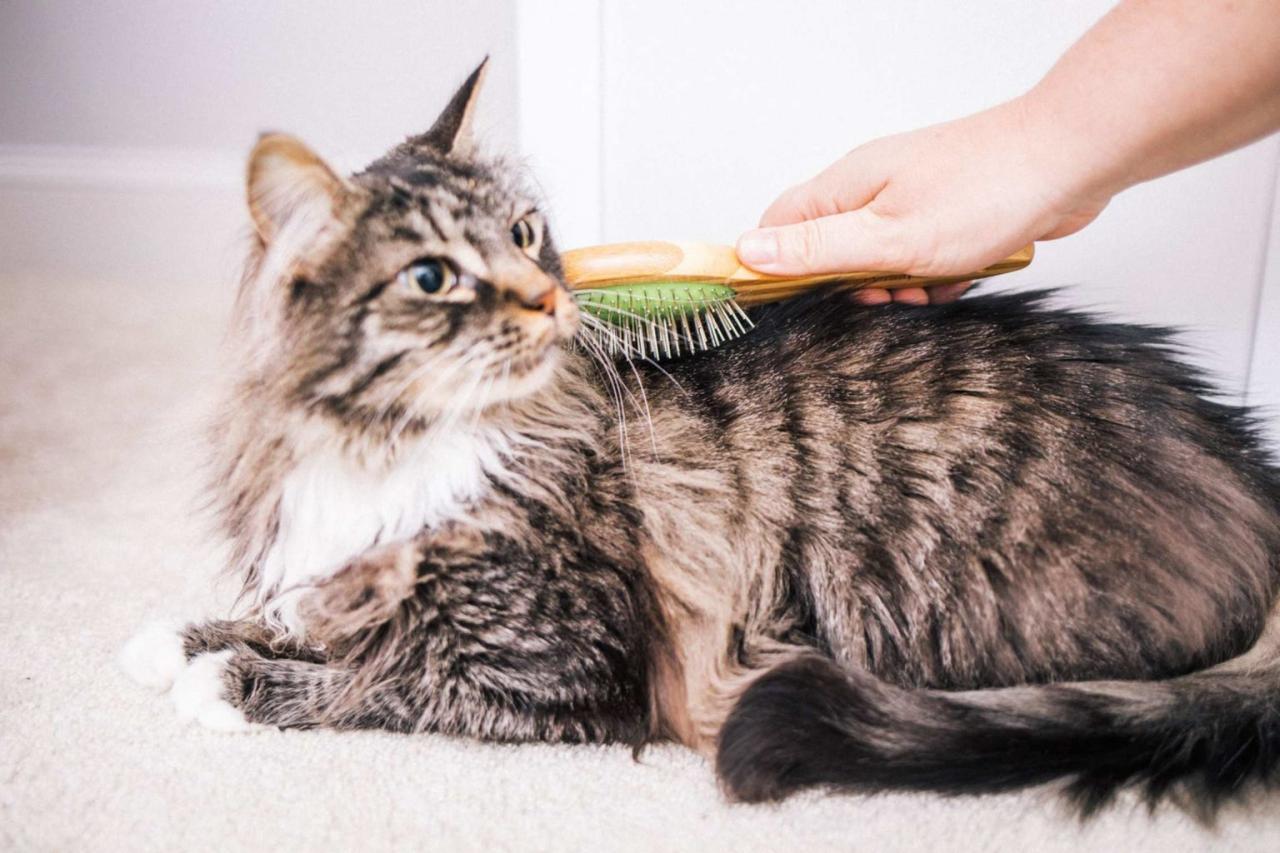
Brushing a dog that is reluctant to cooperate can be a challenging task, but with the right techniques, it can become a more pleasant experience for both the owner and the pet. Understanding the dog’s comfort level and employing gentle methods can significantly reduce anxiety and resistance during grooming sessions.Gentle brushing techniques are essential to minimize discomfort and build trust with a hesitant dog.
Start with a soft bristle brush or a grooming glove designed for sensitive skin. The objective is to create a positive association with the brushing experience. Begin by allowing the dog to sniff the brush before starting. Gradually introduce brushing by gently stroking the dog in areas where it feels most comfortable, such as the back or sides. This gradual introduction helps the dog acclimate to the sensation of the brush without feeling overwhelmed.
Gentle Brushing Techniques
Using techniques that prioritize the dog’s comfort is crucial. Here are effective methods for brushing a reluctant dog:
- Start Slowly: Begin with just a few strokes and increase gradually as the dog becomes more comfortable.
- Short Sessions: Keep brushing sessions brief initially, about 5-10 minutes, to avoid overwhelming the dog.
- Use Positive Reinforcement: Reward the dog with treats or praise during and after brushing to create positive associations.
- Choose the Right Time: Brush the dog when it is calm, such as after a walk or playtime, to ensure it is more receptive.
To keep a reluctant dog engaged during grooming, distractions can be incredibly helpful. Providing various stimuli can redirect the dog’s focus from the brushing process to more enjoyable activities. It is essential to create an environment that not only makes grooming bearable but also enjoyable.
Distractions to Keep the Dog Engaged
Incorporating distractions can significantly improve a dog’s grooming experience. Consider the following options:
- Treat-Dispensing Toys: Interactive toys that dispense treats can keep the dog occupied while you brush.
- Puzzle Games: Engaging the dog with brain games can divert its attention away from the brushing sensation.
- Soothing Background Music: Playing calming music can create a relaxing atmosphere during grooming.
- Talk to Your Dog: Speaking softly and reassuringly can help soothe the dog and keep it calm during the process.
Breaking brushing sessions into manageable time frames is another effective technique. Longer sessions can increase anxiety and resistance, making it essential to manage both time and expectations during the grooming routine.
Breaking Brushing Sessions into Manageable Time Frames
Setting a structure for grooming sessions can help the dog acclimate to the process more easily. Here are tips for effectively managing time during brushing:
- Establish a Routine: Consistent grooming sessions help the dog anticipate and accept the process more readily.
- Use a Timer: Setting a timer for 5-10 minute intervals can help maintain focus and prevent the dog from becoming overwhelmed.
- Intermittent Breaks: Take short breaks during the brushing session to allow the dog to relax and adjust, fostering a sense of control.
- Gradual Increase: As the dog becomes more comfortable, gradually extend the duration of each session.
Positive Reinforcement Strategies
Utilizing positive reinforcement is a powerful way to encourage cooperation from a dog that is reluctant to be brushed. This method emphasizes rewarding desired behaviors, which can transform a negative brushing experience into a positive one for both the dog and the owner. By incorporating treats, praise, and playtime, owners can foster a trusting relationship, making the grooming process less stressful.Establishing a routine that includes positive reinforcement can significantly improve a dog’s attitude towards brushing.
The key is to associate the act of brushing with pleasant experiences. This can be achieved through various strategies that reward the dog during and after brushing sessions.
Methods for Rewarding During and After Brushing
Implementing a structured reward system during the brushing process can make a substantial difference. It is essential to choose the right moments for reinforcement, ensuring that the dog feels encouraged throughout the session. To facilitate this, consider the following checklist of treats and praise techniques:
- Treats: Use high-value treats that your dog loves, such as small pieces of chicken, cheese, or commercial dog treats that are specifically designed for training.
- Praise: Verbal affirmations like “Good boy!” or “Well done!” can reinforce positive behavior. Using a happy tone of voice enhances the effect of the praise.
- Petting: Gentle petting and affection during brushing can serve as a comforting reward, making the experience more enjoyable.
- Playtime: After a successful brushing session, engage your dog in a favorite game or activity, reinforcing their good behavior with fun.
- Clicker Training: If you use a clicker, click and reward immediately when your dog remains calm or allows brushing, reinforcing the behavior effectively.
Real-life success stories illustrate how positive reinforcement can change a dog’s behavior. For instance, a Golden Retriever named Bella was initially fearful of brushing. Her owner began to incorporate treats and gentle praise during the brushing sessions. Over time, Bella learned to associate brushing with positive experiences, leading to a dramatic reduction in her anxiety. Another example involves a Dachshund named Max, who would hide whenever the brush appeared.
His owner gradually introduced the brush while simultaneously offering his favorite toy as a reward. Within weeks, Max not only tolerated brushing but looked forward to it as part of his routine, demonstrating the effectiveness of positive reinforcement strategies in overcoming brushing aversion.
Alternatives to Traditional Brushing
Many dog owners encounter challenges when their pets display aversion to traditional brushing techniques. In such cases, exploring alternatives can help maintain the dog’s coat health while minimizing stress for both the owner and the dog. These alternatives not only address the grooming needs of a reluctant dog but also promote a positive grooming experience.Professional grooming and desensitization sessions present viable options for dogs that resist brushing.
Professional groomers are trained in various techniques to handle difficult dogs, utilizing calming environments and specialized tools to ensure a safe and comfortable experience. Desensitization sessions can gradually acclimate a dog to grooming activities, fostering a sense of trust and reducing anxiety over time.
Grooming Alternatives Overview
Several alternatives to traditional brushing can be effectively employed for dogs that resist this activity. Below is an overview of each method, including a detailed comparison of their benefits and drawbacks.
| Method | Pros | Cons |
|---|---|---|
| Bathing |
|
|
| Vacuum Grooming |
|
|
| Professional Grooming |
|
|
“Exploring various grooming methods is essential for maintaining a dog’s comfort and coat health, accommodating their unique preferences.”
In conclusion, while traditional brushing may not be suitable for every dog, numerous alternatives exist that can effectively cater to a dog’s grooming needs. Professional assistance and innovative grooming methods can foster a more enjoyable experience for both the dog and the owner.
Maintaining a Regular Grooming Routine
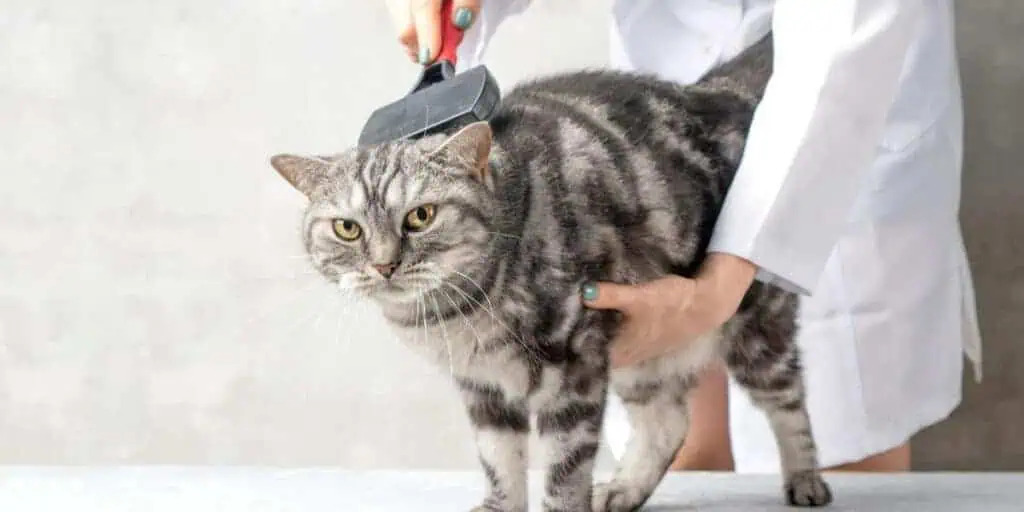
Establishing a consistent grooming routine is essential for both the well-being of your dog and the enjoyment of the grooming process. Regular grooming not only helps to keep your dog’s coat healthy and free from mats but also strengthens the bond between you and your pet. By incorporating grooming into your regular schedule, you can transform it from a stressful chore into a valued part of your relationship with your dog.Consistency in grooming habits benefits both the dog and the owner.
It creates a predictable environment that can reduce anxiety in dogs that may be reluctant to be brushed. Regular brushing helps to maintain a healthy coat, reduces shedding, and allows for early detection of skin issues or parasites. Scheduling regular brushing sessions can be made enjoyable through a few simple strategies.
Scheduling Regular Brushing Sessions
Creating a routine for brushing sessions can significantly enhance the experience for both you and your dog. Here are some strategies to ensure that grooming remains a positive experience:
- Choose a specific day and time each week for brushing to create a predictable routine, such as every Saturday morning.
- Set a time limit for each session, starting with shorter durations (5-10 minutes) and gradually increasing as your dog becomes more comfortable.
- Incorporate brushing into your daily activities; for example, brush your dog while watching television or during a relaxed moment at home.
- Keep a grooming schedule visible, such as a calendar or planner, to remind you of upcoming sessions and track progress.
Making grooming sessions enjoyable is crucial. Create a calm environment, use soothing tones, and provide treats or toys as rewards. This not only eases your dog into the process but also makes it a positive experience they may come to anticipate.
Common Mistakes in Maintaining a Grooming Routine
Maintaining a grooming routine can be challenging, and there are common pitfalls that owners should avoid to ensure effectiveness. Recognizing and mitigating these mistakes will support a smoother grooming experience.
- Neglecting regular grooming: Skipping sessions can lead to mats and tangles, making future grooming more difficult and stressful for your dog.
- Overbrushing: Too much brushing in one session can lead to discomfort or irritation, especially if your dog has a sensitive coat or skin.
- Using inappropriate tools: Using the wrong brush type can cause discomfort; ensure that the tools you choose are suitable for your dog’s specific coat type.
- Rushing the process: Taking your time helps your dog feel more relaxed and receptive to grooming, reducing anxiety and making the experience more enjoyable.
“A consistent grooming routine not only enhances your dog’s physical health but also nurtures your emotional connection with them.”
End of Discussion
In summary, mastering the art of grooming a reluctant dog requires patience, understanding, and a strategic approach. By implementing the techniques Artikeld, including creating a positive environment and using engaging distractions, owners can foster a more enjoyable grooming routine. Ultimately, with commitment and care, brushing can become a time for connection rather than conflict.