How to Groom a Double-Coated Dog Properly is essential knowledge for any dedicated dog owner. Double-coated breeds, known for their beautiful and insulating fur, require specialized grooming techniques to maintain their health and appearance. Understanding their unique coat characteristics and grooming needs is the first step towards ensuring that your furry friend remains happy and healthy.
In this guide, we will delve into the essential grooming tools, techniques, and seasonal considerations necessary for the proper care of double-coated dogs. We aim to equip you with the knowledge to recognize grooming mistakes, as well as tips for both at-home and professional grooming services.
Understanding Double-Coated Dogs
Double-coated dogs possess a distinctive coat structure that consists of two layers: a soft, insulating undercoat and a coarser, protective outer coat. This unique arrangement provides various benefits, including temperature regulation and protection against environmental factors. Proper understanding of these dogs is essential for effective grooming, health maintenance, and overall well-being.The primary purpose of the double coat is to offer insulation and protection.
The undercoat traps air, providing warmth during cold weather, while the outer coat repels water and shields the dog from UV rays, dirt, and other debris. This natural barrier allows double-coated breeds to thrive in diverse climates, making them well-suited for outdoor activities. However, the dual layers also require specific grooming practices to prevent matting and to ensure the dog’s comfort throughout all seasons.
Characteristics of Common Double-Coated Breeds
Several popular dog breeds are recognized for their double coats, each with unique grooming needs and characteristics. Understanding these breeds is crucial for pet owners looking to provide the best care for their furry companions. The following breeds are notable examples of double-coated dogs:
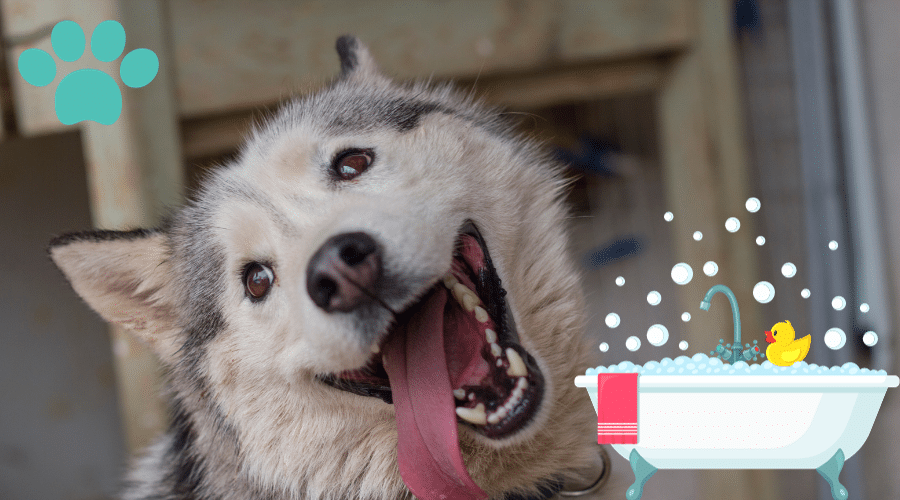
- Siberian Husky: Known for their striking blue or multicolored eyes and thick fur, Huskies are energetic dogs that shed heavily during seasonal changes. Regular brushing helps manage their shedding and maintain coat health.
- Golden Retriever: This breed features a dense undercoat with a wavy outer coat. They require frequent grooming to minimize shedding and prevent matting, especially in their feathered areas.
- Alaskan Malamute: Malamutes are strong and powerful dogs with a thick coat designed for cold environments. Their grooming routine involves regular brushing to remove loose fur and prevent tangles.
- German Shepherd: With a medium-length coat, German Shepherds have a dense undercoat that sheds throughout the year. Consistent grooming is necessary to keep their coat healthy and to control shedding.
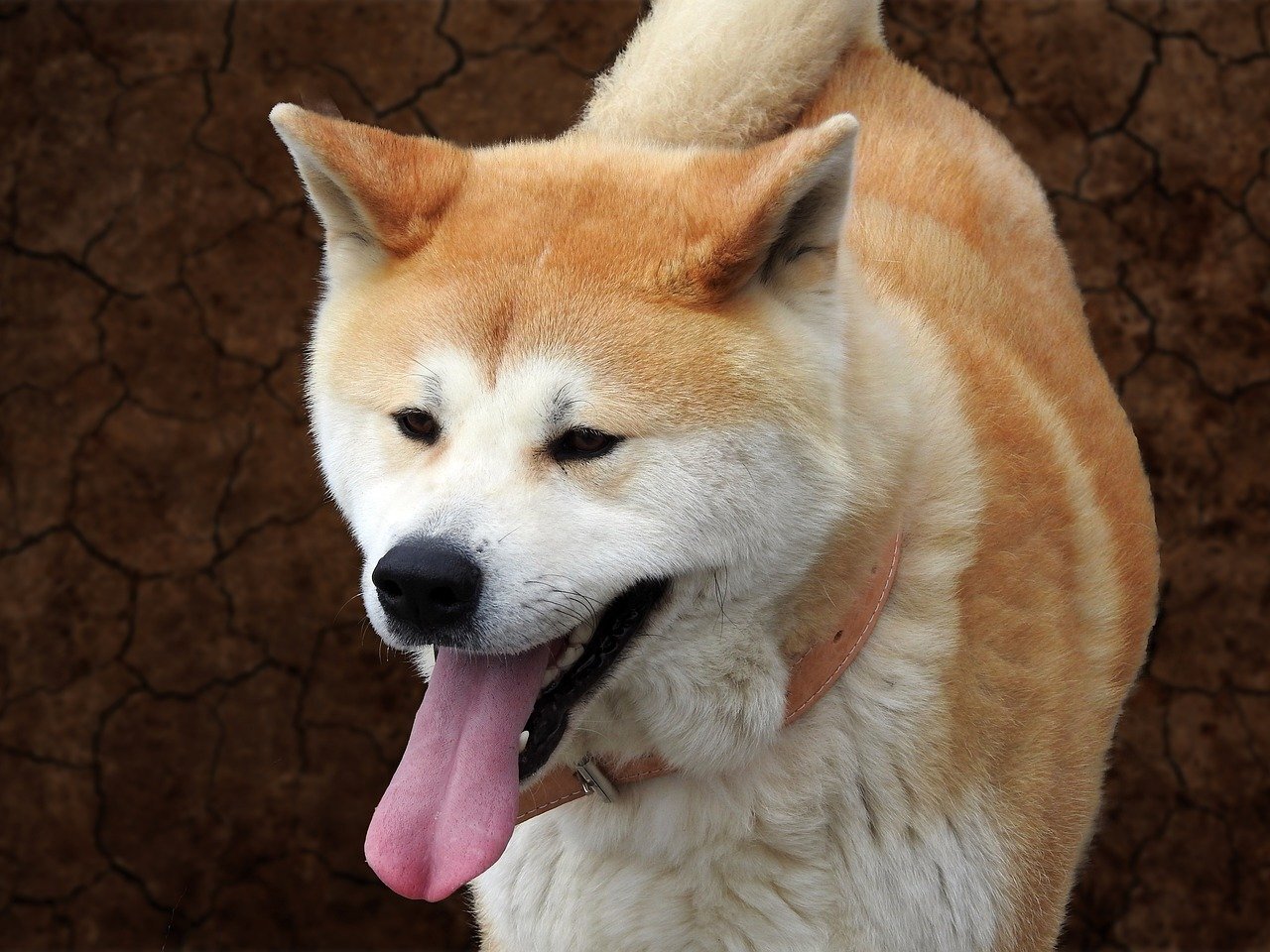
- Shiba Inu: This breed has a double coat that consists of a soft undercoat and a stiff outer coat. Shibas shed seasonally, requiring regular brushing to manage loose hair.
Understanding the characteristics and grooming requirements of these breeds ensures that owners can provide the proper care and grooming routines necessary for maintaining their dogs’ health and well-being.
Essential Grooming Tools
Grooming a double-coated dog requires specific tools to effectively manage their unique coat type. The right grooming tools not only enhance the appearance of your dog’s coat but also contribute to their overall health and well-being. Selecting the appropriate tools is crucial in dealing with the dense undercoat and the longer topcoat typical of double-coated breeds.When evaluating grooming tools for double-coated dogs, it is essential to consider the different coat types and the specific needs of your dog.
Various brushes and combs serve distinct purposes, making it vital to choose tools that cater not only to the outer coat but also to the undercoat. Below is a list of the necessary grooming tools that will aid in the grooming process.
Necessary Grooming Tools for Double-Coated Dogs
The following tools are essential for effectively grooming double-coated dogs:
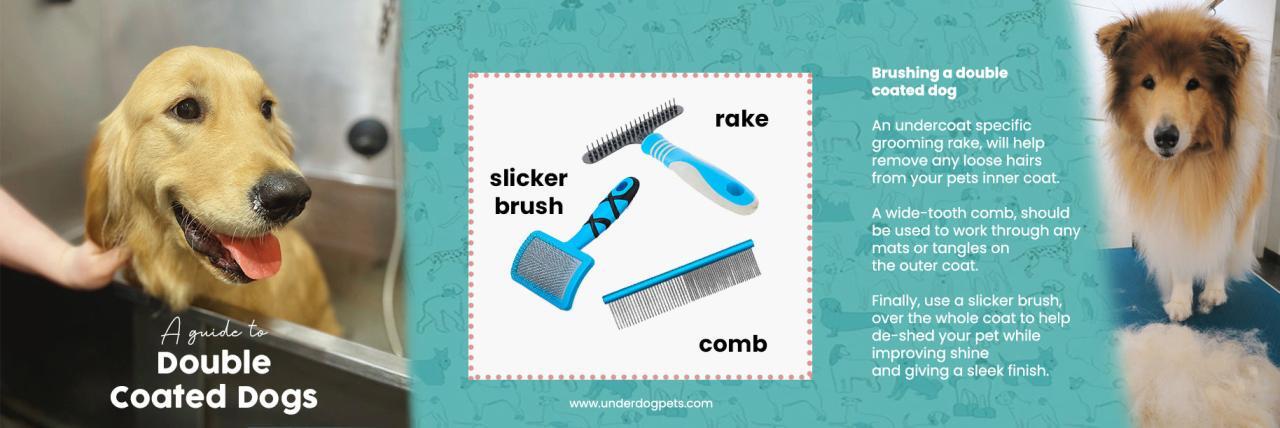
- Undercoat Rake: This tool is designed to remove loose undercoat hair without damaging the topcoat.
- Slicker Brush: Ideal for detangling and removing mats from both the undercoat and topcoat, it features fine, short wires close together.
- Bristle Brush: Perfect for smoothing and adding shine to the topcoat, this brush is gentle on the skin.
- Comb: A metal comb helps to untangle knots and ensures the entire coat is groomed thoroughly.
- De-shedding Tool: Designed specifically for shedding double-coated breeds, these tools effectively remove loose hair from the undercoat.
- Grooming Gloves: These are effective for massaging the coat while collecting loose hair, making grooming a more enjoyable experience for your dog.
Each of these tools has its specific use and importance in grooming. Selecting the right brushes and combs is based on your dog’s individual coat characteristics.
Selecting the Right Brushes and Combs
Choosing the appropriate grooming tools starts with understanding your dog’s coat type and texture. Double-coated dogs may have a variety of coat characteristics; hence, the right selection of brushes and combs is key to effective grooming. Here are some factors to consider:
Always match the tool to the coat type for optimal grooming results.
For Thick and Dense Undercoats
An undercoat rake is ideal as it removes loose hair from the undercoat without damaging the top layer.
For Long Topcoats
A slicker brush is effective for detangling and preventing mats. Use it carefully to avoid causing discomfort.
For Shorter or Silkier Coats
A bristle brush is beneficial for smoothing and maintaining shine, providing a gentle touch that is suitable for softer coats.
Comparison of Grooming Tools
To assist in selecting the most suitable grooming tools, the following table compares the pros and cons of various grooming tools for double-coated dogs.
| Grooming Tool | Pros | Cons |
|---|---|---|
| Undercoat Rake | Effectively removes loose undercoat hair, reduces shedding. | May cause discomfort if used too aggressively. |
| Slicker Brush | Detangles mats, ideal for thick coats. | Can irritate skin if used improperly. |
| Bristle Brush | Gives shine, gentle on the skin. | Less effective for dense undercoats. |
| Comb | Great for detailed grooming and removing small mats. | Not effective for large tangles. |
| De-shedding Tool | Reduces shedding significantly, ideal for seasonal shedding. | Requires proper technique to avoid skin irritation. |
| Grooming Gloves | Makes grooming enjoyable, effective for light shedding. | Less effective for severe tangling. |
Grooming Techniques
Proper grooming techniques are essential for maintaining the health and appearance of double-coated dogs. These techniques ensure that the undercoat is effectively removed, allowing for a healthy coat and skin while minimizing shedding and matting. Understanding the right approaches will make the grooming process more efficient and enjoyable for both the dog and the groomer.
Proper Brushing Technique
Brushing a double-coated dog requires specific techniques to avoid damaging the coat and to achieve optimal results. The following steps Artikel the recommended approach for brushing:
1. Choose the Right Brush
Select a slicker brush or an undercoat rake specifically designed for double-coated breeds. These tools are effective in removing loose hair and preventing matting.
2. Start with the Undercoat
Begin brushing from the back of the dog, working towards the front. Use gentle, slow strokes to remove the undercoat without pulling on the dog’s skin.
3. Section the Coat
Divide the coat into manageable sections, particularly around areas prone to matting, such as behind the ears and under the legs.
4. Follow the Direction of Hair Growth
Always brush in the direction of hair growth to prevent discomfort. This technique also helps to smooth the coat while distributing natural oils.
5. Be Mindful of Sensitive Areas
Take extra care around sensitive areas such as the belly, paws, and face. Use a softer brush or your fingers to detangle any mats gently.
Deshedding a Double-Coated Dog
Deshedding is an essential process for double-coated dogs, especially during seasonal changes. The following step-by-step guide illustrates how to effectively deshed a double-coated dog:
1. Prepare the Space
Select a well-lit area with ample space for the dog to stand comfortably. This will make the deshedding process smoother.
2. Use the Right Tools
Equip yourself with a deshedding tool, such as a FURminator or an undercoat comb, which is specifically designed for removing loose fur.
3. Start on a Dry Coat
Ensure the dog’s coat is dry before beginning. Wet fur can lead to a tangled mess and makes shedding more difficult.
4. Work in Sections
Like brushing, work in sections, starting from the back and moving towards the front. Hold the hair with one hand while using the deshedding tool with the other to minimize discomfort.
5. Apply Gentle Pressure
Use gentle pressure when using the deshedding tool; excessive force can irritate the skin. Focus on areas known for heavy shedding.
6. Clean the Tool Frequently
Periodically remove the collected fur from the deshedding tool during the process to maintain effectiveness and prevent clogging.
7. Finish with a Brush
After deshedding, follow up with a slicker brush to smooth the coat and remove any remaining loose hair.
Bathing a Double-Coated Dog
Bathing a double-coated dog requires careful attention to maintain the quality of the coat while ensuring cleanliness. Here are the steps for bathing without causing damage:
1. Gather Supplies
Assemble all necessary materials, including a dog-specific shampoo, conditioner, towels, and a non-slip mat for the bathing area.
2. Brush Before Bathing
Pre-bath brushing removes tangles and excess loose hair, making the bathing process more effective.
3. Use Lukewarm Water
Fill the tub or shower with lukewarm water. Hot water can dry out the skin and coat, while cold water can be uncomfortable for the dog.
4. Wet Thoroughly
Begin by thoroughly wetting the coat, ensuring that water penetrates the undercoat. Avoid directing water onto the dog’s face and ears to prevent discomfort.
5. Apply Shampoo
Use a gentle, dog-safe shampoo. Lather well, taking care to massage it into the coat and skin, particularly in areas that may be dirtier.
6. Rinse Completely
Rinse thoroughly to remove all shampoo residue, as leftover product can lead to irritation. Ensure all areas, including the undercoat, are rinsed.
7. Condition the Coat
Applying a conditioner specifically designed for double-coated breeds can help maintain coat moisture and prevent tangling. Rinse after allowing it to sit briefly as per product instructions.
8. Dry Carefully
After bathing, use towels to absorb excess water. Avoid vigorous rubbing, as this can cause tangles. If using a blow dryer, set it on a low setting and maintain a safe distance from the skin.
9. Final Brushing
Once the coat is dry, giving it a final brush will help remove any remaining loose hair and ensure the coat is smooth and healthy.
Seasonal Grooming Considerations
Grooming double-coated dogs requires careful attention to the changing seasons, as these changes directly influence shedding patterns and coat health. Understanding how to adapt grooming practices throughout the year can greatly enhance the well-being of your dog and reduce household mess caused by shedding.Double-coated breeds exhibit a distinct shedding pattern that aligns with seasonal changes. During spring, dogs prepare for warmer weather by shedding their dense winter undercoat.
Conversely, in the fall, they grow a thicker undercoat to prepare for the colder months ahead. It is crucial to recognize these phases to manage grooming effectively and support your dog’s comfort.
Strategies for Managing Shedding in Spring and Fall
Effective management of shedding during spring and fall is essential for maintaining a clean environment and ensuring your dog’s coat remains healthy. Implement the following strategies to address seasonal shedding:
Regular Brushing
Increase the frequency of brushing sessions during peak shedding months. Aim for at least two to three times a week in spring and fall to remove loose undercoat hair efficiently. Use a slicker brush or an undercoat rake to penetrate the thick layers.
Bathing Schedule
Regular baths can help loosen and remove excess fur. Use a gentle dog shampoo formulated for double-coated breeds, and consider bathing your dog once a month during shedding peaks to maintain coat health and minimize loose hair.
Diet and Nutrition
Ensure your dog receives a balanced diet rich in omega fatty acids, which promote healthy skin and coat. Nutritional supplements may also help reduce excessive shedding. Consult your veterinarian for tailored recommendations based on your dog’s specific needs.
Hydration
Keep your dog well-hydrated, particularly in warmer months. Proper hydration supports skin health and can help mitigate shedding issues. Fresh water should always be available.
Vacuuming and Cleaning
Implement a regular cleaning schedule to manage the hair that does shed around the house. Invest in a vacuum designed for pet hair to effectively manage loose fur and dander.By organizing grooming schedules based on seasonal changes, pet owners can effectively manage the unique shedding patterns of double-coated dogs and maintain a clean and healthy environment for both the pet and the household.
Health and Grooming
Grooming is an essential aspect of caring for double-coated dogs, directly influencing their overall health and well-being. Regular grooming not only helps maintain a clean and attractive appearance but also promotes good skin health, prevents matting, and allows for early detection of potential health issues.The importance of grooming extends beyond aesthetics; it is vital for the physical health of double-coated breeds.
These dogs possess a dense undercoat and a coarser outer coat, which can trap dirt, debris, and moisture if not regularly maintained. This can lead to skin irritations, infections, or other health complications. During grooming sessions, it is crucial to observe any changes in the skin, coat texture, or behavior that may indicate underlying issues.
Signs of Skin Issues
While grooming, it is important to be vigilant for signs of skin problems, as early detection can lead to prompt treatment. Common indicators to watch for include:
- Redness or Inflammation: Any sign of redness or swollen areas on the skin should be noted, as this signifies irritation or infection.
- Excessive Scratching or Biting: If your dog is scratching or biting at specific areas, this may indicate allergies or discomfort.
- Flaky or Scaly Skin: Dandruff or scaling can be signs of dry skin or other dermatological issues.
- Hot Spots: Localized patches of hair loss and inflammation, often resulting from excessive licking or scratching.
- Unpleasant Odor: A foul smell coming from the skin may indicate a bacterial or fungal infection.
Checklist for Maintaining Overall Health
To ensure the health of a double-coated dog through grooming, consider the following checklist. Regularly addressing these items can help prevent health issues and promote a healthy coat.
- Regular Brushing: Aim to brush your dog at least twice a week to prevent mats and remove loose fur.
- Bathing Frequency: Bathe your dog every 4 to 6 weeks using a mild dog shampoo, unless otherwise advised by a veterinarian.
- Ear Cleaning: Inspect and clean your dog’s ears weekly to avoid wax buildup and infections.
- Nail Trimming: Trim your dog’s nails every 3 to 4 weeks to maintain comfort and prevent injury.
- Routine Veterinary Check-ups: Schedule regular veterinary visits to monitor skin health and overall well-being.
- Hydration: Ensure your dog has constant access to fresh water, as hydration plays a crucial role in skin health.
“Regular grooming is not only about keeping a dog looking good, but it is also a significant factor in ensuring their long-term health and happiness.”
Common Grooming Mistakes
Grooming double-coated dogs can be a rewarding experience, but it is also fraught with potential pitfalls. Understanding the common mistakes made during grooming is essential to maintaining the health and appearance of these beautiful breeds. Proper grooming not only enhances a dog’s coat but also promotes overall well-being and comfort.Many pet owners underestimate the unique needs of double-coated dogs, leading to common grooming errors.
These mistakes can result in mats and tangles, which not only create an unsightly appearance but can also cause discomfort for the dog. Recognizing and avoiding these errors is crucial for effective grooming practices.
Frequent Grooming Errors
It is important to be aware of certain frequent grooming errors that can detrimentally impact the health of a double-coated dog. The following list highlights these mistakes, along with insights on how to avoid them:
- Neglecting Regular Brushing: Failing to brush the coat regularly can lead to the development of mats and tangles. Establishing a consistent brushing schedule is essential for maintaining a healthy coat.
- Using Incorrect Tools: Utilizing inappropriate grooming tools can cause damage to the coat. It is vital to select tools specifically designed for double-coated breeds, such as an undercoat rake or slicker brush.
- Over-bathing: Bathing too frequently can strip the coat of natural oils, leading to dryness and irritation. A bathing routine every 4 to 6 weeks is usually sufficient for maintaining coat health.
- Improper Drying Techniques: Rubbing the coat vigorously with a towel or using a high-heat hair dryer can damage the coat. Instead, gently blot the coat dry and use a low-heat setting if a dryer is necessary.
- Ignoring Seasonal Changes: Grooming needs can vary with the seasons. Failing to adjust grooming routines in response to shedding season can exacerbate matting and tangles.
Avoiding Mats and Tangles
To effectively prevent mats and tangles in a double-coated dog’s coat, owners should adopt specific grooming strategies. Regular, gentle brushing is key to maintaining a smooth and healthy coat. It is advisable to focus on the undercoat when brushing, as this is where mats typically form.Utilizing the correct brushing technique is also essential. Begin by sectioning the coat and working from the skin outwards, rather than pulling at the ends.
This method helps to remove loose fur and debris without causing undue stress to the dog.
“An ounce of prevention is worth a pound of cure.”
Additionally, monitoring the coat for signs of matting is crucial. If mats are detected, it is best to address them immediately before they worsen. Employing a dematting tool can be effective, but care must be taken to avoid pulling on the skin.
Consequences of Improper Grooming Techniques
Improper grooming techniques can lead to a variety of negative outcomes for double-coated dogs. These consequences can significantly affect not only the coat’s appearance but also the dog’s overall health and comfort. Mats and tangles can trap moisture against the skin, creating an environment conducive to fungal and bacterial infections. Additionally, a neglected coat can lead to skin irritations and discomfort for the dog, resulting in behavioral changes such as increased agitation or reluctance to engage in grooming sessions.In extreme cases, severe matting may necessitate veterinary intervention or professional grooming services to remove.
This can cause stress for both the dog and the owner, as well as incur unexpected expenses.Understanding and addressing these common grooming mistakes is vital for ensuring the health and well-being of double-coated dogs. A commitment to proper grooming practices not only enhances the dog’s appearance but also fosters a strong bond between the pet and owner.
Professional Grooming Services
Grooming a double-coated dog can be a fulfilling experience, yet many pet owners face the decision of whether to groom their dog at home or to seek the assistance of a professional groomer. Understanding the benefits of each option can help in making an informed choice for your pet’s grooming needs.Grooming at home allows for a more personal connection between owner and pet.
It can be economical and convenient, enabling you to groom your dog on your own schedule. However, professional grooming services provide specialized expertise, tools, and techniques that may be necessary for maintaining the health and appearance of double-coated breeds. Professional groomers are trained to handle the unique challenges posed by these types of dogs, including undercoat removal and mat management.
Choosing a Reputable Groomer
Selecting the right groomer is crucial for the well-being of your double-coated dog. The following considerations can guide pet owners in their decision-making process:When seeking a professional groomer, it is essential to assess their experience and qualifications, particularly with double-coated breeds. Here are some important factors to consider:
- Look for groomers who have undergone formal training and certifications. This can indicate a level of professionalism and commitment to animal care.
- Seek referrals from other pet owners, veterinarians, or pet supply shops who have experience with reputable grooming services.
- Visit the grooming facility in advance to observe the environment. A clean, organized space with friendly staff can enhance your dog’s grooming experience.
- Inquire about the groomer’s experience specifically with double-coated breeds. Understanding their familiarity with the unique grooming requirements of these dogs can provide peace of mind.
To ensure that you choose a groomer who meets both your standards and the specific needs of your dog, consider asking the following questions:
- What experience do you have with grooming double-coated dog breeds?
- Which grooming techniques do you use to manage undercoats and prevent matting?
- What tools do you typically use for double-coated breeds, and can you explain why they are effective?
- Can you provide references from other clients who own double-coated dogs?
- What procedures do you follow to ensure the safety and comfort of the dogs in your care?
Establishing clear communication with your chosen groomer can lead to a positive grooming experience for your double-coated dog. This relationship is vital not only for the aesthetic results but also for maintaining the overall health and happiness of your pet.
Training Your Dog for Grooming
Acclimating a double-coated dog to grooming is an essential process that enhances the bond between pet and owner while ensuring the dog’s comfort during grooming sessions. A structured approach to this training not only minimizes stress for the dog but also makes the grooming experience more enjoyable for both parties. To effectively train your dog for grooming, it is vital to establish a plan that gradually introduces the dog to various grooming tools and techniques.
This process should emphasize positive reinforcement to create a rewarding environment that encourages good behavior during grooming sessions.
Gradual Acclimation Plan
An acclimation plan is crucial for easing a dog into the grooming routine. The following steps should be incorporated into the training process:
- Start with Familiarization: Introduce your dog to each grooming tool by allowing them to sniff and explore the item in a relaxed environment before usage. This step helps to reduce apprehension.
- Short Sessions: Begin grooming sessions with brief periods of brushing or tool use, gradually increasing the duration as your dog becomes more comfortable.
- Positive Association: Utilize treats and praise during grooming sessions. Reward your dog for calm behavior and allowing you to groom them, reinforcing the notion that grooming is a positive experience.
- Introduce Sounds Gradually: If using electric clippers or other noisy tools, allow your dog to hear the sounds from a distance before introducing the tool closer to them. This progressive exposure helps to mitigate anxiety regarding noises.
- Establish a Routine: Consistency is key. Set a regular grooming schedule that imitates the routine, helping your dog understand what to expect and when.
Creating Positive Experiences
To cultivate a positive grooming experience, it is imperative to use methods that foster comfort and relaxation in your dog. Incorporating the following techniques can enhance the grooming process:
- Use of Treats: During grooming, keep a supply of your dog’s favorite treats on hand. Whenever your dog remains calm or allows you to groom a specific area, offer a treat as a reward to build positive associations.
- Calm Environment: Choose a quiet area for grooming, free from distractions. Background noise can increase anxiety levels in dogs, so a serene atmosphere is beneficial.
- Gentle Handling: Always handle your dog gently during grooming. Be mindful of their body language and adjust your approach if they appear uncomfortable.
- Frequent Breaks: Allow for breaks during longer grooming sessions. Dogs may become anxious or restless, and brief intermissions can help them regain composure.
- Incorporate Play: After grooming sessions, engage your dog in play or a walk. This reinforces that grooming is followed by enjoyable activities, making them more willing to participate in future sessions.
Utilization of Positive Reinforcement
Positive reinforcement plays a vital role in making grooming a pleasant experience. Implementing the following strategies can effectively strengthen your dog’s acceptance of grooming:
- Immediate Rewards: Provide treats immediately after a desired behavior, such as standing still or allowing you to brush them, to reinforce the behavior effectively.
- Vocal Praise: Alongside treats, use a cheerful tone to praise your dog. This verbal affirmation reassures them and can enhance their enthusiasm for grooming.
- Gradual Desensitization: Use positive reinforcement techniques to gradually desensitize your dog to the grooming tools. For instance, start with just showing the brush and rewarding calm behavior before moving on to actual grooming.
- Consistency is Key: Maintain consistency in your training approach. Using the same commands, rewards, and grooming techniques will help your dog understand what is expected and reinforce good behavior.
- Involve Others: If your dog is comfortable, involve family members in the grooming process, allowing them to offer treats and praise. This can help your dog associate grooming with a broader network of positive interactions.
Grooming for Competitions
Grooming for dog competitions is an essential aspect of showcasing double-coated breeds. To excel in dog shows, understanding the grooming standards and practices specific to these breeds is paramount. A well-groomed dog not only adheres to breed standards but also highlights the owner’s commitment to their pet’s health and well-being.The grooming standards for double-coated breeds in competitions emphasize the importance of a healthy, well-maintained coat.
Judges typically look for a coat that is clean, free of mats, and possesses the appropriate texture. Achieving a show-quality coat involves meticulous preparation, including regular brushing, bathing, and conditioning to enhance the coat’s natural beauty and presentation.
Coat Preparation Techniques for Show Quality
To obtain a show-quality coat for double-coated breeds, certain techniques and products must be utilized. These methods include:
1. Regular Brushing
Frequent brushing is crucial to prevent matting and to promote the shedding of dead hair. Use slicker brushes and undercoat rakes to effectively reach the undercoat while maintaining the top coat’s integrity.
2. Bathing Routine
Establish a bathing schedule that aligns with the competition timeline. Use high-quality, breed-specific shampoos and conditioners that enhance the coat’s texture and shine.
3. Drying Techniques
After bathing, thoroughly dry the coat using a high-velocity dryer. This process helps to fluff the coat while removing excess moisture, which is critical for achieving the desired volume and appearance.
4. Trimming and Shaping
Strategic trimming can enhance the overall silhouette of the dog. Focus on areas such as the feet, tail, and ears to achieve a polished look while ensuring the coat remains true to breed standards.
5. Product Application
Consider using grooming sprays or coat enhancers that add shine and texture. However, these should be applied sparingly to avoid buildup.
Preparation Timeline for Grooming Before Competitions
Establishing a thorough preparation timeline is vital for ensuring your double-coated dog is ready for competition day. The following table Artikels a general grooming schedule leading up to the event:
| Days Before Competition | Grooming Tasks |
|---|---|
| 30 Days | Begin regular brushing sessions (3-4 times a week) and establish a consistent bathing routine. |
| 14 Days | Start trimming and shaping the coat based on breed standards. Continue brushing and bathing. |
| 7 Days | Conduct a thorough grooming session with a focus on cleaning and detangling. Apply coat enhancers as needed. |
| 2 Days | Final bathing and drying session. Use high-velocity dryers for fluffing. |
| 1 Day | Last-minute grooming adjustments, final check for mats or tangles, and ensure nails are trimmed. |
The Artikeld timeline and grooming techniques serve to ensure that your double-coated dog is presented in the best possible condition, meeting the standards expected in competitions.
Last Word
In conclusion, mastering the art of grooming a double-coated dog is not only about maintaining their coat but also about enhancing their overall well-being. By following the guidelines presented in this discussion, you can prevent common grooming mistakes and foster a positive grooming experience for your dog. Remember, a well-groomed dog is a happy dog, and your efforts will contribute significantly to their health and happiness.