Grooming your dog is an essential aspect of maintaining their health and happiness, yet many pet owners find themselves overwhelmed by the idea of giving their furry friends a full bath.
In this guide, we will explore effective methods to groom your dog without the need for a complete bath, ensuring that your beloved pet remains clean, comfortable, and well-cared for. By understanding the importance of regular grooming and utilizing specialized tools and techniques, you can enhance your dog’s wellness and strengthen your bond with them.
Importance of Regular Grooming
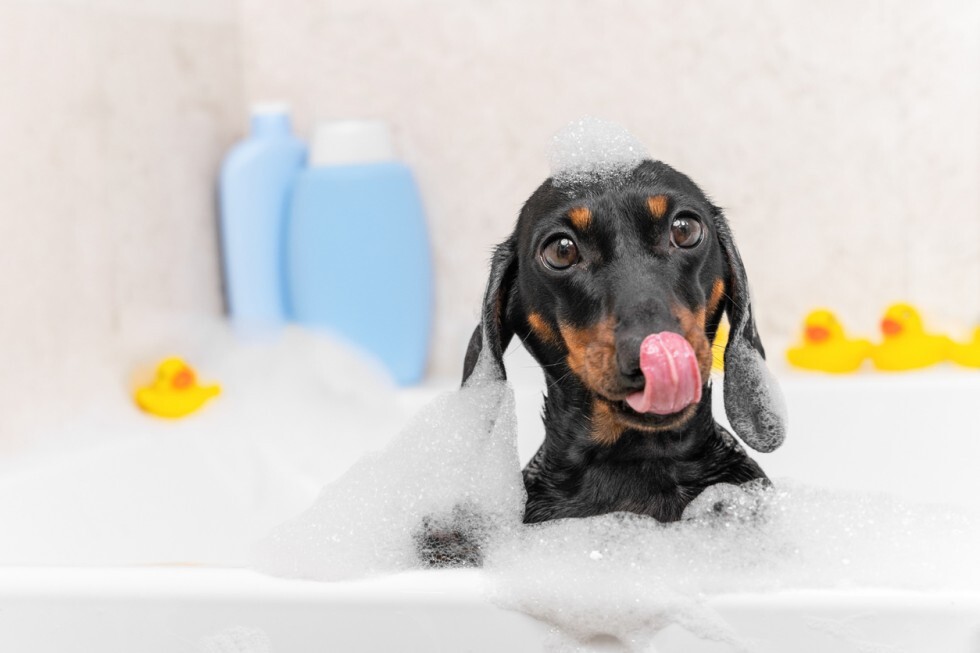
Regular grooming is a fundamental aspect of responsible dog ownership that significantly impacts a dog’s health and overall well-being. It not only promotes a clean and healthy coat but also enhances the bond between the dog and its owner through shared grooming experiences. Establishing a grooming routine is beneficial in maintaining your dog’s physical appearance and contributes to their emotional stability and happiness.Maintaining a regular grooming schedule has several health benefits for dogs.
Routine brushing helps remove dirt, debris, and loose hair, which can reduce the risk of skin irritations and infections. Furthermore, grooming allows for the early detection of any skin issues, parasites, or abnormalities, enabling timely intervention and treatment. According to a study published in the journal “Veterinary Record,” dogs that are groomed regularly are less likely to suffer from skin diseases and have a lower incidence of vet visits related to coat and skin conditions.
Benefits for Health and Wellness
The health and wellness benefits of regular grooming extend beyond aesthetics. Here are key advantages associated with maintaining a grooming routine:
- Improved Circulation: Brushing stimulates blood flow to the skin, promoting a healthy coat and enhancing overall skin health.
- Reduction of Matting: Regular grooming prevents matting, which can cause discomfort or pain and may lead to skin infections.
- Ear and Eye Health: Grooming includes checking and cleaning the ears and eyes, preventing infections and associated health issues.
- Dental Health: Some grooming practices involve dental care, which can prevent periodontal disease and contribute to better overall health.
Impact on Behavior and Bonding
Grooming not only influences physical health but also plays a critical role in shaping a dog’s behavior and enhancing the bond between pet and owner. Engaging in routine grooming helps develop trust and communication, fostering a stronger relationship. Research indicates that dogs who are groomed regularly tend to exhibit lower stress levels and improved behavior. Studies suggest that grooming can help alleviate anxiety and fear, leading to a more relaxed and well-adjusted pet.
A systematic review published in “Applied Animal Behaviour Science” highlighted that dogs that underwent regular grooming demonstrated significantly fewer anxiety-related behaviors compared to those who were not groomed.
Regular grooming is associated with enhanced emotional well-being and behavioral stability in dogs.
Routine grooming also allows for positive reinforcement opportunities, where owners can reward their dogs for good behavior during grooming sessions. This practice not only reinforces positive behaviors but also helps in building a foundation of trust between the dog and the owner.In summary, the importance of regular grooming cannot be overstated. It acts as a preventive measure for various health issues, enhances the emotional bond between the dog and owner, and contributes significantly to the dog’s overall wellness and happiness.
Tools Needed for Grooming Without a Full Bath
Grooming your dog does not always require a full bath, and having the right tools can make a significant difference in the efficiency and effectiveness of your grooming routine. Selecting appropriate grooming tools ensures that your dog remains clean, comfortable, and well-groomed without the need for frequent bathing. Below is a selection of essential grooming tools that facilitate dry cleaning, along with their functions and examples of high-quality products available in the market.
Essential Grooming Tools for Dry Cleaning
To effectively groom your dog without a full bath, a variety of tools are available that can help maintain your pet’s hygiene and appearance. Each tool serves a specific purpose, contributing to a thorough grooming process. The following are fundamental tools to consider:
- Brushes: Brushes are crucial for removing loose fur, dirt, and debris from your dog’s coat. Depending on your dog’s coat type, different brush types may be required. For example, a slicker brush is excellent for removing mats in long-haired breeds, while a bristle brush works well for short-haired breeds. A well-regarded product is the Hertzko Self Cleaning Slicker Brush, which features retractable bristles for easy cleaning.
- Combs: Combs help in detangling hair and ensuring that the coat is free of knots. They can also be useful in checking for parasites and skin issues. A fine-toothed comb is particularly effective for detailed grooming, while a wide-toothed comb can help manage thicker fur. A popular choice is the Pet Magasin Pet Grooming Comb, known for its durability and effectiveness.
- Wipes: Grooming wipes are ideal for quick clean-ups and maintaining your dog’s hygiene between baths. They are specially formulated to clean the paws, face, and body without causing irritation. Products like the Pogi’s Grooming Wipes are biodegradable and infused with aloe vera, ensuring a gentle clean.
- De-shedding Tools: These tools are designed to reduce shedding by removing the undercoat without damaging the topcoat. A de-shedding tool like the FURminator can significantly decrease the amount of loose fur around your home, while also promoting a healthier coat.
- Nail Trimmers: Regular nail trimming is an essential part of grooming that helps prevent discomfort and potential injury to your dog. Electric nail grinders such as the Dremel 7300-PT are efficient and can help smooth the edges after trimming, reducing the risk of splitting or cracking.
- Ear Cleaners: Keeping your dog’s ears clean is vital for preventing infections. Ear cleaning solutions are available in the market, such as Zymox Ear Cleaner, which is gentle and effective for removing wax and debris.
Dry Bathing Techniques
Dry bathing techniques provide a practical solution for maintaining your dog’s cleanliness without the need for a full bath. These methods are particularly beneficial for dogs that may be anxious about water or during cold weather when bathing can be uncomfortable. The right dry bathing approach can help keep your pet fresh, reduce odors, and minimize loose fur while being gentle on their skin.One effective method of dry bathing involves the use of dry shampoos specifically formulated for pets.
These products typically come in powder or spray forms and are designed to absorb excess oil and dirt from your dog’s coat, leaving it clean and refreshed. When applying dry shampoo, it is essential to follow the manufacturer’s instructions for optimal results. Generally, you should start by ensuring your dog’s coat is free of tangles and mats. Part the fur gently, and spray or sprinkle the dry shampoo directly onto the skin.
Allow it to sit for the recommended time to absorb oils before brushing it out thoroughly. This not only lifts dirt but also distributes the natural oils in your dog’s coat.
Use of Natural Alternatives
Using natural alternatives like baking soda or cornstarch as a dry shampoo can be advantageous for pet owners seeking a chemical-free option. These substances are excellent at absorbing odors and oils, making them effective in maintaining a fresh coat. To utilize these natural alternatives, sprinkle a small amount of baking soda or cornstarch directly onto your dog’s coat, focusing on areas that are particularly oily or smelly.Before applying, it is advisable to brush your dog to remove any loose hair and debris.
After sprinkling the chosen product, massage it gently into the coat with your fingers to ensure even distribution. Allow it to sit for a few minutes to absorb excess oil and odors, and then brush your dog again to remove the powder. This method not only cleanses the coat but also promotes the distribution of natural oils, resulting in a healthy sheen.It is important to consider the following tips when using baking soda or cornstarch:
- Always test a small area of your dog’s skin first to ensure there is no adverse reaction.
- Use sparingly to avoid a powdery residue that may irritate your dog’s skin or eyes.
- For dogs with allergies or sensitive skin, consult a veterinarian before using any new products.
Regular dry bathing can contribute to a healthier coat and skin, similar to the effects of a full bath without the hassle.
Brushing and De-shedding
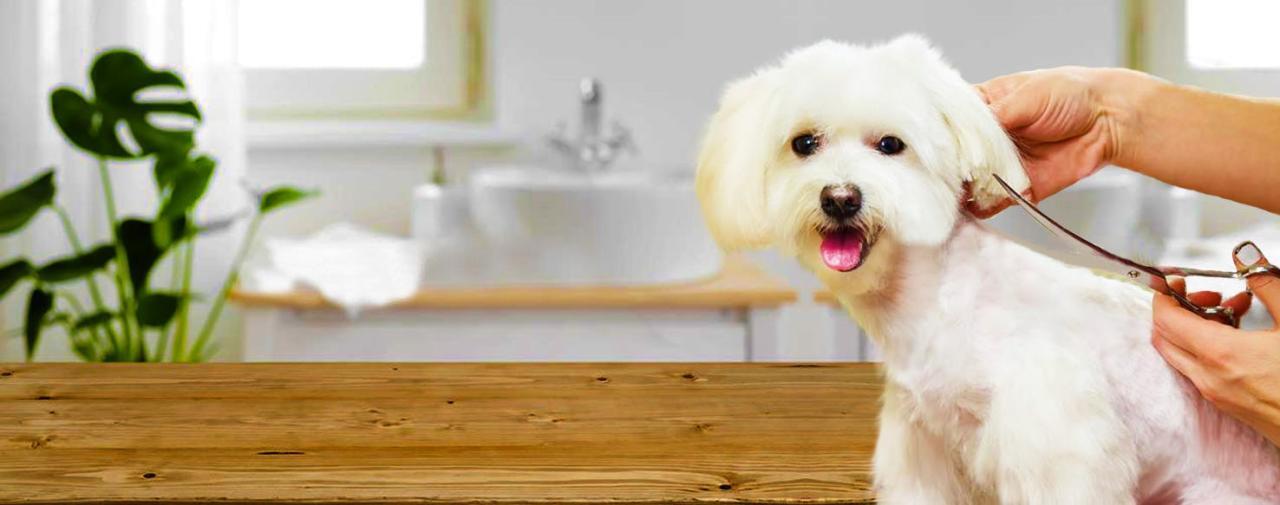
Regular brushing and de-shedding play crucial roles in maintaining your dog’s coat health and minimizing shedding around the home. Different breeds require various grooming techniques, and understanding these needs enhances the grooming experience for both you and your dog. Implementing effective brushing routines not only supports coat health but also strengthens the bond between you and your pet.Selecting the right brush is essential for effective grooming.
The type of brush used can greatly impact the effectiveness of de-shedding and overall coat maintenance. Here is a breakdown of suitable brushes for various dog breeds:
Types of Brushes for Different Dog Breeds
Different dog breeds have unique coat types that require specific grooming tools. The right brush can help remove loose fur and prevent matting. Below are some common brushes suited to various coat types:
- Slicker Brushes: Ideal for long-haired breeds like Golden Retrievers and Afghan Hounds, as they effectively detangle and remove loose fur.
- Pin Brushes: Suitable for breeds with a wavy or curly coat, such as Poodles, to prevent tangles and maintain a fluffy appearance.
- Bristle Brushes: Best for short-haired breeds like Beagles and Boxers, helping to remove dirt and distribute natural oils.
- Rubber Brushes: Excellent for short-haired dogs with sensitive skin, these brushes gently massage the skin while removing loose hair.
- Undercoat Rakes: Effective for double-coated breeds such as Huskies and German Shepherds, they help remove the dense undercoat during shedding seasons.
Implementing a systematic brushing routine aids in achieving the best results. The following step-by-step guide Artikels an effective brushing process for your dog.
Step-by-Step Guide to Brushing
Establishing a consistent brushing routine helps maintain your dog’s coat health. Follow these steps for a thorough grooming experience:
- Choose the Right Time: Opt for a calm, relaxed time, ensuring your dog is comfortable and calm.
- Gather Necessary Tools: Have the appropriate brushes and de-shedding tools ready before starting.
- Start at the Head: Gently brush the top of the head, moving towards the ears and down the neck. Use slow, gentle strokes to avoid startling your dog.
- Brush the Body: Proceed to brush the body in the direction of hair growth, ensuring all areas are covered, especially behind the ears and under the legs.
- Pay Attention to Problem Areas: Focus on areas that tend to mat, such as the armpits and underbelly, using a slicker brush or comb as needed.
- Finish with the Tail and Legs: Brush the tail and legs, ensuring to remove any tangles gently.
- Reward Your Dog: After completing the grooming session, reward your dog with treats or praise to create a positive association with the process.
Understanding the effectiveness of various de-shedding tools can aid in selecting the most suitable option for your dog. The following table presents a comparison of common de-shedding tools based on their effectiveness and coat type suitability.
Comparison of De-shedding Tools
The table below highlights the key features of popular de-shedding tools to assist in making informed grooming choices.
| Tool Type | Best For | Effectiveness | Coat Type |
|---|---|---|---|
| FURminator | Heavy Shedders | Very High | Double-Coated |
| Undercoat Rake | Medium Shedders | High | Long and Double-Coated |
| De-shedding Blade | Light Shedders | Moderate | Short and Medium-Coated |
| Rubber Curry Comb | Sensitive Skin | Low | Short-Coated |
Employing the right tools and techniques in brushing and de-shedding contributes significantly to your dog’s coat health and comfort. Regular grooming not only keeps their coat looking its best but also fosters a healthy relationship between you and your furry friend.
Cleaning the Face, Ears, and Paws
Maintaining cleanliness in sensitive areas such as the face, ears, and paws is essential for your dog’s overall hygiene. While a full bath may not always be feasible, there are effective techniques to ensure these areas remain fresh and clean. This section will explore gentle methods for cleaning without water, focusing on ensuring comfort for your dog during the grooming process.Cleaning sensitive areas requires careful consideration to avoid causing discomfort or anxiety for your dog.
For face cleaning, using a soft, damp cloth or dog-safe wipes can effectively remove dirt and debris while being gentle on their skin. Ears and paws can be particularly prone to dirt accumulation, making regular cleaning even more important. The following techniques will guide you in maintaining these areas while keeping your dog calm and relaxed.
Techniques for Cleaning Sensitive Areas
It is crucial to adopt a methodical approach when cleaning your dog’s face, ears, and paws. Here are some best practices to ensure effective grooming:
1. Face Cleaning
Use dog-safe wipes or a soft, damp cloth. Gently wipe around the eyes, mouth, and muzzle, being careful not to cause irritation. Regular attention to these areas helps prevent tear stains and odors.
2. Ear Cleaning
To clean your dog’s ears, utilize dog-safe ear wipes which are specially formulated to clean and soothe without causing discomfort. Gently wipe the outer ear and avoid inserting anything into the ear canal. This practice helps prevent infections and wax buildup.
3. Paw Care
Dogs’ paws can collect dirt, mud, and debris during walks. Wipe their paws with dog-safe wipes after outdoor excursions to remove any irritants. Pay special attention to the spaces between their toes and pads, as these areas can trap dirt and potentially cause skin issues.
4. Handling Anxious Dogs
Some dogs may feel anxious during face grooming. To ease their anxiety, create a calm environment. Use positive reinforcement throughout the grooming process, such as treats and praise. Gradual exposure to grooming tools and techniques can also help your dog become more comfortable over time.
Regular grooming of sensitive areas not only enhances your dog’s appearance but also promotes their health and wellbeing.
Maintaining Oral Hygiene
:max_bytes(150000):strip_icc()/puppy_wash-584070e63df78c023032f91e.jpg "How to Groom a Puppy")
Proper dental care is an essential component of a dog’s overall grooming routine. Just as humans require regular oral hygiene to maintain health, so do our canine companions. Neglecting your dog’s dental care can lead to various health issues, including periodontal disease, tooth loss, and even systemic infections that can affect vital organs. Incorporating dental care into your dog’s grooming regimen helps ensure their mouth stays healthy and contributes to their overall well-being.Effective methods for maintaining oral hygiene include brushing your dog’s teeth regularly, even without the use of water.
Waterless toothpaste options are widely available and can be a convenient solution for those who want to promote oral health without the hassle of a water-based routine. These products typically contain ingredients that help break down plaque and freshen breath. It’s essential to choose a toothpaste formulated specifically for dogs, as human toothpaste can be harmful to them.
Options for Brushing Teeth Without Water
Brushing your dog’s teeth can be successfully achieved using several techniques that do not require water. Here are some practical methods:
- Waterless Toothpaste: Apply a small amount of enzymatic toothpaste on a soft dog toothbrush or finger brush. This allows for effective plaque removal and breath freshening without rinsing.
- Dental Wipes: These pre-moistened wipes are designed for canine dental care and can be used to wipe your dog’s teeth and gums, helping to reduce plaque buildup.
- Dental Sprays: Spray dental care solutions directly into your dog’s mouth to help neutralize bad breath and reduce plaque without the need for brushing.
- Chew Toys: Some chew toys are designed to promote oral hygiene by encouraging chewing, which helps scrape off plaque and tartar naturally.
Maintaining a regular dental care routine is crucial in promoting your dog’s oral health. In addition to brushing, incorporating dental chews can further support your efforts in keeping their teeth clean and maintaining fresh breath.
Dental Chews That Promote Oral Health
Dental chews are a great addition to your dog’s hygiene routine, as they serve a dual purpose: satisfying your dog’s natural urge to chew while also promoting healthier teeth and gums. Here are some popular dental chews that are beneficial for your dog’s oral health:
- Greenies: These dental treats are designed to reduce plaque and tartar while freshening breath, making them a popular choice among dog owners.
- Whimzees: These vegetarian dental chews are not only tasty but also have unique shapes that help clean teeth as dogs chew on them.
- Bully Sticks: A natural chew option that helps promote dental health while also providing a long-lasting treat for your dog.
- Rawhide Chews: When sourced from reputable brands, rawhide can be effective in helping to scrape off plaque while dogs chew.
Regular dental care is vital to preventing serious health issues in dogs and enhancing their quality of life.
Incorporating these options into your dog’s grooming routine will significantly contribute to maintaining their oral hygiene, promoting long-term health and happiness.
Grooming After Outdoor Activities
Engaging in outdoor activities with your dog is not only enjoyable but also necessary for their physical and mental health. However, such activities can leave your dog exposed to pests, dirt, and other debris that require immediate attention. Regular grooming after outdoor excursions helps to maintain your dog’s hygiene and comfort, preventing potential health issues.After your dog has enjoyed a walk or a play session, it is essential to conduct a thorough check for pests like ticks and fleas, as well as dirt and burrs that might be stuck in their coat.
This step ensures that your dog remains healthy and comfortable. Cleaning their coat and paws will also prevent any external irritants from causing discomfort or skin issues.
Steps for Checking and Cleaning
Begin by carefully inspecting your dog’s coat and paws after outdoor activities. A systematic approach will help ensure no troublesome pests or dirt are overlooked.
- Inspect for Pests: Carefully check your dog’s fur for any signs of ticks, fleas, or other pests. Pay special attention to warm areas like under the collar, behind the ears, and between the toes. If you find any, consult your veterinarian for proper removal methods.
- Remove Dirt and Debris: Use your hands to feel for any dirt or small twigs in the coat. If burrs are present, gently pull them out to avoid causing pain.
- Clean the Coat: Use a damp cloth or grooming wipes to wipe down the dog’s coat, focusing on muddy areas or spots with visible debris.
- Wash the Paws: Rinse your dog’s paws under lukewarm water to remove mud and dirt. You can also use a soft brush to scrub between the toes gently.
- Dry the Coat and Paws: After washing, use a towel to dry your dog’s coat and paws to avoid any moisture-related issues. Make sure to pay attention to the areas between the paw pads.
To streamline the post-activity grooming process, it is beneficial to have a checklist of items readily available. This ensures that you can quickly address any mess and protect your dog’s health.
Post-Activity Grooming Checklist
Keeping specific grooming tools handy can expedite the cleaning process after outdoor activities. Here’s a helpful checklist to organize your grooming routine:
- Flea and Tick Comb: Essential for detecting pests present in your dog’s coat.
- Grooming Wipes or Damp Cloth: Useful for quick clean-ups of the coat and face.
- Soft Brush: Helps to remove dirt and debris from the coat and underbelly.
- Water Bowl: Keeps your dog hydrated after outdoor activities.
- Towels: Essential for drying paws and fur after washing.
- Pet Moisturizing Spray: Can help maintain coat health and add shine.
By following these systematic steps and having the right tools at hand, you can ensure that your dog remains clean, healthy, and comfortable after their time outdoors.
When Not to Avoid a Full Bath
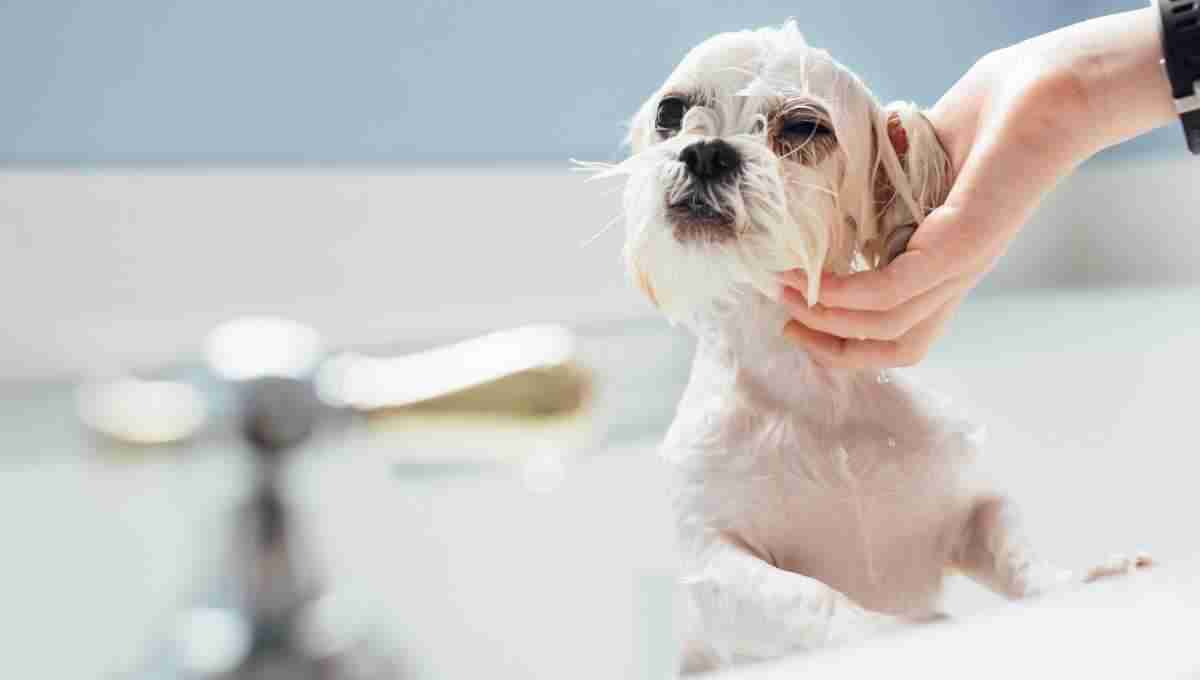
While many grooming tasks can be effectively managed without a full bath, there are specific instances where a complete wash becomes necessary for your dog’s health and well-being. Recognizing these scenarios ensures that your furry friend remains comfortable, clean, and free from potential skin issues or unpleasant odors. By understanding when a full bath is required, you can better maintain your dog’s hygiene and overall quality of life.There are several signs that indicate your dog may need a full wash, despite having utilized alternative grooming methods.
These signs can include, but are not limited to, the following:
Indicators for a Full Bath
It is essential to recognize the indicators that suggest a full bath is necessary. These signs not only relate to the dog’s appearance but also to their comfort and health. The following factors can serve as a guideline:
- Strong Odor: A noticeable smell that persists despite regular grooming methods indicates the need for a full wash.
- Excessive Dirt or Mud: If your dog has rolled in something particularly dirty or muddy, a full bath is the most effective way to clean them thoroughly.
- Skin Irritation: Signs of skin infections, rashes, or irritations often necessitate a full wash, particularly with gentle, therapeutic shampoos.
- Fleas or Ticks: If your dog is infested with fleas or ticks, a full bath with a medicated shampoo is crucial to eliminate these pests.
- Allergies: Dogs suffering from allergies may require regular baths to remove allergens from their coat and skin.
In addition to recognizing the signs that necessitate a full bath, it is also beneficial to take preventive measures to minimize the need for frequent full washes. By implementing good grooming practices and being proactive, you can maintain your dog’s cleanliness and health more effectively.
Preventive Measures for Reducing Full Baths
Taking preventive steps can prolong the time between necessary full baths, ensuring that your dog remains comfortable and clean. Consider the following strategies:
- Regular Brushing: Consistent brushing helps remove loose fur and dirt, preventing buildup that can lead to odor or skin issues.
- Spot Cleaning: Address specific dirty areas, such as paws and underbelly, with wipes or a damp cloth to keep your dog clean without a full bath.
- Quality Grooming Products: Using high-quality grooming products tailored to your dog’s coat type can help maintain cleanliness and reduce odors.
- Control Outdoor Activities: Monitoring your dog’s outdoor activities can help avoid scenarios that lead to excessive dirt or mud exposure.
- Routine Check-ups: Regular veterinary checks can help identify skin conditions early, allowing for timely care before it necessitates a full wash.
By understanding these indicators and implementing preventive measures, you can effectively manage your dog’s grooming needs, ensuring their health and comfort while maintaining proper hygiene.
Outcome Summary
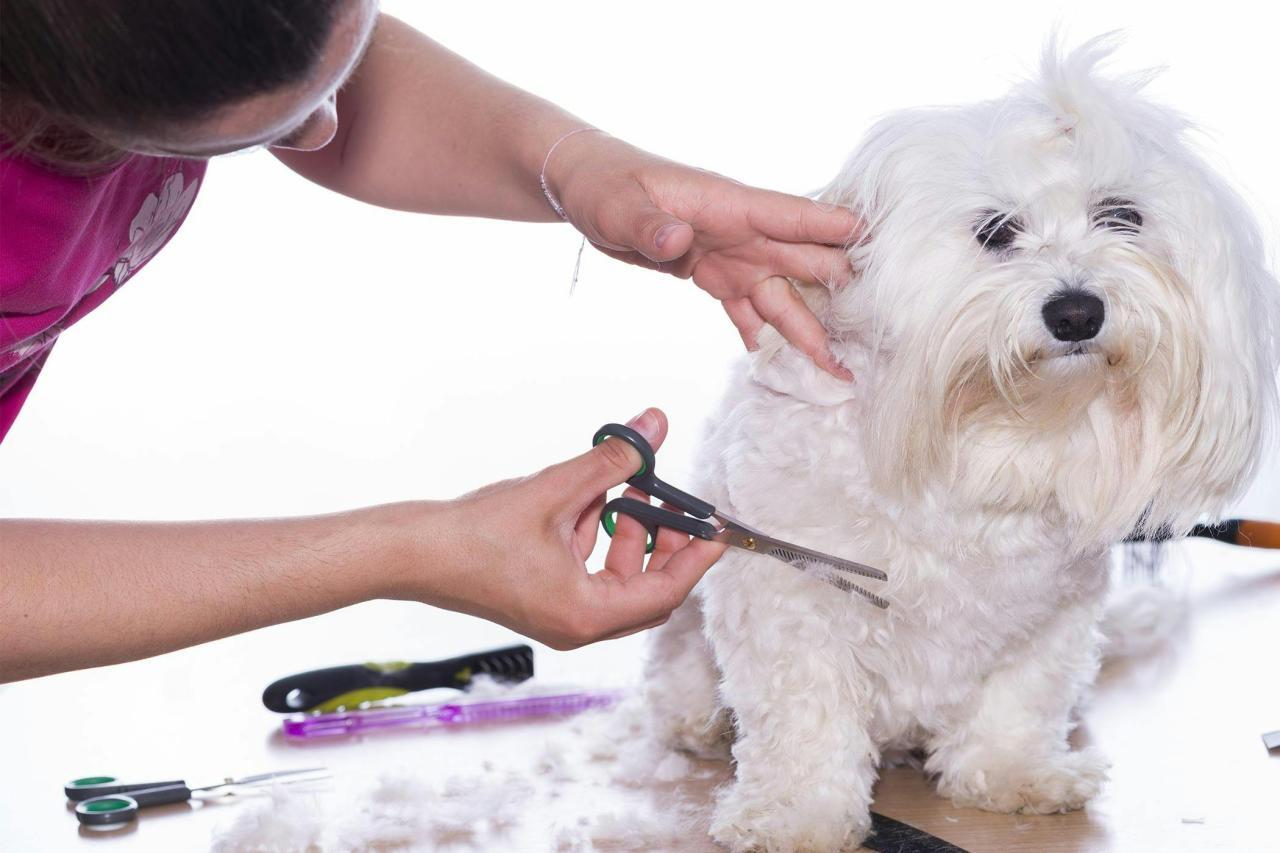
In conclusion, grooming your dog without a full bath is not only feasible but also beneficial for both your pet’s hygiene and your own convenience.
By employing dry bathing techniques, utilizing appropriate grooming tools, and focusing on areas that require special attention, you can keep your dog looking and feeling their best. Remember, regular grooming can significantly impact your dog’s overall well-being, reinforcing the importance of establishing a consistent grooming routine that suits their unique needs.