How to Bathe a Puppy for the First Time is an essential skill for any new puppy owner. This delightful journey not only ensures your furry friend remains clean and healthy but also strengthens the bond between you and your puppy. Understanding the proper techniques and preparation involved can make this experience enjoyable for both you and your pet.
As we explore the necessary supplies, bathing techniques, and post-bath care, you will find valuable insights that will guide you through each step of the process. Preparing a calm environment and knowing how to handle your puppy’s anxiety are crucial elements that will contribute to a positive bathing experience.
Preparing for the First Bath
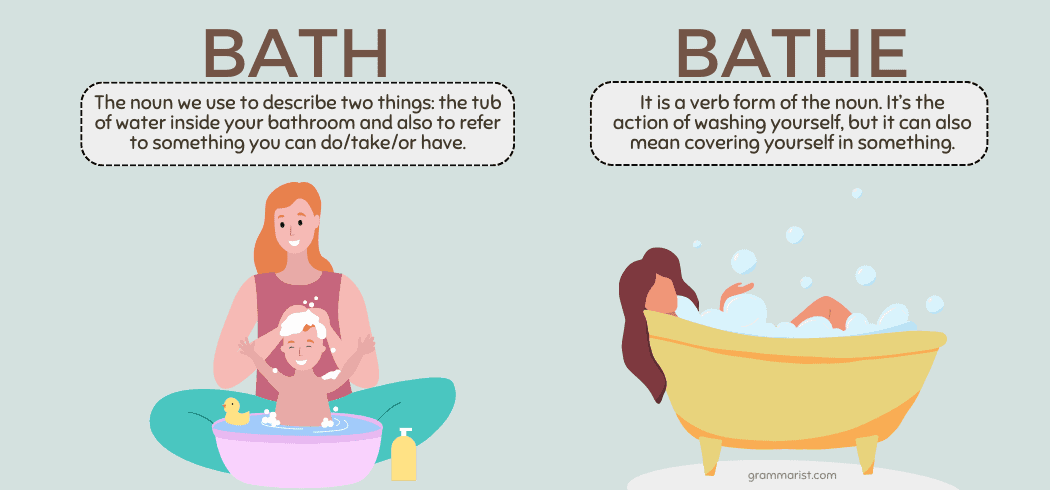
Introducing a puppy to bathing for the first time can be an exciting yet challenging experience. Proper preparation is essential to ensure that the process is smooth and enjoyable for both the puppy and the owner. This section will address the vital steps and considerations involved in preparing for a puppy’s first bath.Choosing the right supplies and location is crucial for creating a positive bathing experience.
The supplies needed will facilitate a gentle and effective wash, while the location will determine the comfort level of the puppy during the bath. Establishing a pleasant environment will help reduce anxiety and make the puppy more receptive to the bathing process.
Necessary Supplies for Bathing a Puppy
Gathering the appropriate supplies is the first step in preparing for a puppy’s bath. The following items are essential for a successful bathing experience:
- Puppy Shampoo: Choose a mild, tear-free shampoo specifically designed for puppies to avoid skin irritation.
- Soft Washcloth or Sponge: A gentle washcloth or sponge can help in cleaning sensitive areas without causing discomfort.
- Towels: Have plenty of soft, absorbent towels on hand for drying the puppy after the bath.
- Non-Slip Mat: Placing a non-slip mat in the bathing area will help prevent the puppy from slipping and feeling unsafe.
- Brush: A brush can be used to remove any tangles or loose fur before the bath, making the process smoother.
- Water Sprayer or Cup: A gentle sprayer or cup can be used for rinsing the shampoo off the puppy’s coat.
Importance of Choosing the Right Location
Selecting an appropriate bathing location is a key factor in ensuring the puppy’s comfort and safety. The chosen space should be both convenient for the owner and conducive to a calm experience for the puppy. A suitable bathing area can be indoors, such as a bathtub or a sink, or outdoors in a warm and safe environment. When choosing the location, consider the following:
- Accessibility: The area should be easy for the puppy to access without fear or hesitation.
- Temperature Control: Ensure the bathing area is comfortably warm to prevent the puppy from becoming chilled during the process.
- Space: There should be enough room for the puppy to move around freely without feeling confined.
- Distraction-Free Environment: Select a quiet location that minimizes distractions, helping the puppy remain calm throughout the bath.
Creating a Comfortable Environment for the Puppy
To make the puppy’s first bath a positive experience, it is essential to create a comfortable and reassuring environment. This can be achieved through various methods that help to ease the puppy’s nervousness and encourage a sense of security.Begin by familiarizing the puppy with the bathing area before the actual bath. Allow the puppy to explore the space and get accustomed to the sounds and smells associated with bathing.
Additionally, consider the following strategies:
- Use Positive Reinforcement: Reward the puppy with treats and praise to create a positive association with the bathing experience.
- Practice Patience: Take your time and allow the puppy to adjust to the water gradually, using a gentle approach to avoid overwhelming them.
- Incorporate Play: Use toys or engage in playful activities near the bathing area to help the puppy feel relaxed and secure.
By preparing adequately and creating a nurturing environment, the experience of bathing a puppy for the first time can be enjoyable and stress-free for both the puppy and the owner.
Bathing Techniques

Bathing a puppy for the first time can be an exciting yet daunting experience. Proper techniques ensure not only the cleanliness of the puppy but also its comfort and safety throughout the process. Below are essential methods for wetting the puppy, applying shampoo, and rinsing effectively.
Wetting the Puppy
Wetting the puppy is a crucial first step in the bathing process. It is important to do this gently to keep the puppy calm and relaxed.
1. Prepare the Area
Choose a bathing location that is safe and comfortable, such as a bathtub or a shower stall. Ensure that the surface is non-slip to prevent accidents.
2. Use Lukewarm Water
Test the water temperature to ensure it is lukewarm. Hot or cold water can distress the puppy.
3. Introduce the Water Gradually
Start by allowing the puppy to sniff and explore the environment. Use a handheld shower nozzle or a cup to gently wet its body. Begin at the back of the neck and move downwards, avoiding the face initially.
4. Use a Soft Spray
If using a showerhead, set it to a gentle spray to avoid startling the puppy. Alternatively, you can pour water gently from the cup to keep the experience calm.
Applying Shampoo Safely
Selecting the right shampoo and applying it properly is essential for the puppy’s skin health. Before applying shampoo, ensure that you are using a product specifically formulated for puppies, as their skin is more sensitive than that of adult dogs.
1. Dilute the Shampoo
If necessary, dilute the shampoo with water to reduce its concentration. This helps in easier application and rinsing.
2. Apply in Sections
Start with a small amount of shampoo and lather it gently into the puppy’s coat, working in sections. Focus on the back, sides, and legs while avoiding the eyes and ears.
3. Massage Gently
Use your fingers to gently massage the shampoo into the coat, which not only cleanses but also helps the puppy become accustomed to the bathing process.
4. Avoid Sensitive Areas
Be cautious around sensitive areas such as the face, ears, and paws. If shampoo accidentally gets into the eyes, rinse immediately with water.
Rinsing the Puppy
Rinsing the puppy thoroughly is just as important as shampooing. An inadequate rinse may lead to skin irritation.
1. Use Warm Water Again
Continue with lukewarm water for rinsing to maintain the puppy’s comfort.
2. Rinse from Head to Tail
Start rinsing from the head and work your way back toward the tail, ensuring all shampoo is removed from the coat.
3. Check for Residue
After rinsing, feel the puppy’s coat to ensure that there is no lingering shampoo. Pay extra attention to the areas that tend to trap suds.
4. Minimize Anxiety
Speak to the puppy in a calm and soothing voice throughout the rinsing process, allowing it to feel secure and less anxious.
“A gentle approach during bathing not only ensures cleanliness but also builds trust between you and your puppy.”
Post-Bath Care

After completing the bathing process, it is crucial to pay attention to your puppy’s post-bath care. Proper drying, brushing, and monitoring for discomfort are essential steps to ensure your puppy’s health and comfort following their first bath experience. This phase not only helps maintain the coat’s cleanliness but also fosters a positive association with bath time in the future.
Drying Techniques for Puppies
Drying your puppy effectively is an important part of post-bath care. A wet coat can lead to chilling and discomfort, so it is essential to dry them properly. There are several methods to consider for drying your puppy after a bath:
- Towel Drying: Use a soft, absorbent towel to gently pat your puppy’s coat, absorbing excess water. Avoid vigorous rubbing, as this can irritate the skin.
- Air Drying: If the weather allows, you may allow your puppy to air dry in a warm, draft-free area. Keep an eye on them to ensure they are comfortable.
- Using a Blow Dryer: If your puppy is accustomed to the noise, a pet-safe blow dryer on a low heat setting can be effective. Maintain a safe distance to prevent overheating and keep the dryer moving to avoid concentrating heat in one area.
Brushing the Puppy’s Coat Post-Bath
Brushing your puppy’s coat after a bath is a vital step that enhances their hygiene and comfort. Bathing can sometimes lead to mats or tangles, which brushing can help prevent. Additionally, this practice helps distribute natural oils throughout the coat, promoting a healthy shine. Consider the following points when brushing your puppy post-bath:
- Choose the Right Tool: Select a brush appropriate for your puppy’s coat type, whether it be a slicker brush, comb, or bristle brush.
- Brush Gently: Begin with gentle strokes, especially along sensitive areas. This helps acclimate your puppy to the brushing process.
- Monitor for Tangles: Pay attention to any knots or tangles that may have formed and take your time in gently detangling them to avoid pulling on the skin.
Identifying Signs of Discomfort
It is essential to observe your puppy closely after their bath to ensure they are comfortable and stress-free. Puppies may exhibit various signs indicating discomfort or distress, including:
- Body Language: Watch for signs such as cowering, hunched posture, or avoidance behavior. These can indicate anxiety or discomfort.
- Excessive Shaking: While some shaking is normal post-bath, excessive or continuous shaking can indicate that your puppy is cold or uncomfortable.
- Vocalizations: Whining or barking during or after a bath may suggest that your puppy is not enjoying the experience, prompting a review of your bathing technique.
Bathing Frequency
Bathing a puppy is an essential part of their grooming routine, but the frequency with which they should be bathed can vary significantly based on various factors, including breed and age. Understanding these nuances is crucial for maintaining your puppy’s health and hygiene while also ensuring their comfort during the bathing process.Different breeds of puppies have unique coat types and oil production levels that can influence how often they need a bath.
Generally, younger puppies require less frequent baths than adult dogs due to their developing skin and coat. Additionally, lifestyle factors, such as the puppy’s level of activity, exposure to dirt, and specific skin conditions, can also affect the bathing schedule.
Recommended Bathing Frequencies for Various Breeds
The following table summarizes the recommended bathing frequencies for different breeds of puppies. This guide can help pet owners establish a bathing routine that aligns with their puppy’s specific needs.
| Breed | Age Group | Recommended Bathing Frequency |
|---|---|---|
| Labrador Retriever | Puppy (up to 6 months) | Every 1-2 months |
| Poodle | Puppy (up to 6 months) | Every 3-4 weeks |
| Bulldog | Puppy (up to 6 months) | Every 1-2 months |
| German Shepherd | Puppy (up to 6 months) | Every 2-3 months |
| Shih Tzu | Puppy (up to 6 months) | Every 2-3 weeks |
| Beagle | Puppy (up to 6 months) | Every 1-2 months |
| Boxer | Puppy (up to 6 months) | Every 1-2 months |
The bathing frequency can vary even within the same breed, depending on individual characteristics and lifestyle factors. For instance, an active puppy that enjoys outdoor play may require more frequent baths compared to a more sedentary one. It is also important to monitor your puppy’s skin condition; if you notice excessive oiliness or odor, it may indicate a need for more regular bathing.
“Maintaining a consistent bathing schedule is beneficial for your puppy’s skin and coat health.”
Handling Puppy Anxiety
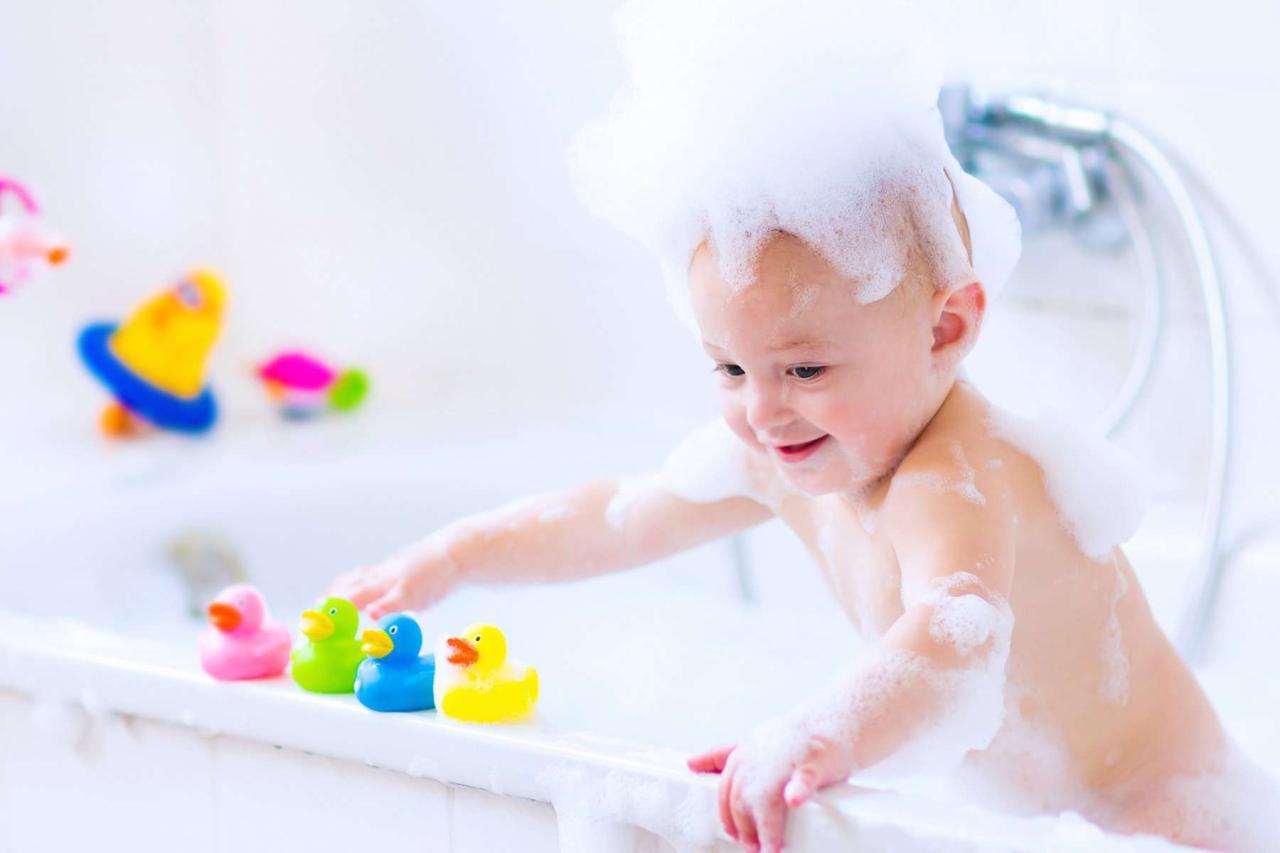
Bath time can be a source of anxiety for many puppies. Addressing this anxiety is crucial to ensure a positive bathing experience for both the puppy and the owner. By implementing calming strategies and understanding the signs of anxiety, owners can help their puppies feel more secure and relaxed during this necessary grooming activity.Recognizing that puppies may feel anxious during bath time is the first step in creating a comforting environment.
Common signs of anxiety include whining, trembling, and trying to escape. To effectively manage this anxiety, several strategies can be employed.
Strategies for Calming a Puppy
Establishing a calm atmosphere is essential for easing a puppy’s anxiety during bath time. Techniques such as creating a designated bath space, using soothing voices, and employing gentle handling can significantly help in this regard. Consider the following approaches:
- Familiarization: Introduce your puppy to the bathing area before the actual bath to reduce fear of the unknown. Allow them to explore the space, sniff around, and become accustomed to the environment.
- Warm Water: Ensure the water temperature is comfortable, as cool or hot water can heighten anxiety. A warm setting promotes relaxation.
- Calm Demeanor: Maintain a relaxed posture and tone of voice, as puppies can pick up on their owner’s emotions. A calm owner can help instill a sense of safety.
- Short Sessions: Initially, keep baths brief. Gradually increase the duration as the puppy becomes more accustomed to the process.
- Distraction Techniques: Use toys or gentle games before and during the bath to divert attention from the bathing process.
The Role of Treats and Positive Reinforcement
Incorporating treats and positive reinforcement during bath time can transform the experience from stressful to enjoyable for the puppy. Positive reinforcement encourages good behavior and helps in building a favorable association with bathing.When introducing treats, consider these guidelines:
- Timing: Offer treats immediately after positive behavior, such as entering the bath or remaining calm. This reinforces the desired behavior.
- High-Value Treats: Use special treats that your puppy loves. The anticipation of a favorite snack can create a positive mindset towards bathing.
- Gradual Introduction: Begin by rewarding your puppy outside the bathing area, gradually working toward rewarding them in the bath itself.
- Consistent Praise: Use verbal praise along with treats to reinforce calm behavior. A simple “good boy/girl” can go a long way in reassuring the puppy.
Signs of Anxiety and Addressing Them
Being able to identify signs of anxiety in puppies is crucial for effective intervention. Puppies may exhibit various behaviors that signal discomfort or fear. Common signs include:
- Whining or Barking: Vocalizations can indicate stress or discomfort.
- Trembling or Shaking: Physical manifestations of anxiety may include shaking or trembling.
- Escaping Behavior: Attempts to flee from the bathing area signify a desire to avoid the situation.
- Panting: Excessive panting, especially if not due to exercise, can indicate anxiety.
- Excessive Licking: Licking their lips or themselves may be a self-soothing behavior.
When observing these signs, it is important to pause and assess the situation. Implementing the calming strategies mentioned earlier, along with increased comfort measures, can help reduce anxiety promptly. Creating a positive experience around bath time will benefit both the puppy’s well-being and the owner’s grooming routine.
Common Mistakes to Avoid
Bathing a puppy for the first time can be a delightful yet challenging experience for new pet owners. However, there are several common mistakes that can hinder the process and create a negative association for the puppy. Understanding these pitfalls is essential for ensuring a positive bathing experience.One frequent error is the use of inappropriate bathing products. Many first-time puppy owners may default to using human shampoos, which can be harmful to a puppy’s sensitive skin.
Puppies have a different pH balance than humans, and products formulated for adult skin can lead to irritation, dryness, or allergic reactions. It is crucial to select shampoos specifically designed for puppies that contain gentle, natural ingredients.
Inappropriate Bathing Products
Choosing the wrong products can have significant consequences. The following points highlight the pitfalls of using unsuitable bathing products:
- Skin Irritation: Human shampoos can strip natural oils from a puppy’s skin, resulting in dryness and discomfort.
- Allergic Reactions: Ingredients that are safe for humans may trigger allergic reactions in puppies, leading to rashes or other skin issues.
- Increased Anxiety: Harsh scents or irritants can make bath time a stressful experience for puppies.
To avoid these risks, always choose a puppy-specific shampoo that is free from sulfates and parabens, ensuring a gentle and safe bathing experience.
Puppy Bath Anxiety
It is also vital to prevent puppies from associating baths with negative experiences. To foster a positive environment, consider the following strategies:
- Positive Reinforcement: Use treats and toys during and after the bath to create a rewarding experience.
- Calm Environment: Keep the atmosphere serene and soothing, avoiding loud noises that may startle the puppy.
- Short Sessions: Limit bath time to a few minutes initially, gradually increasing the duration as the puppy becomes more comfortable.
By implementing these techniques, puppy owners can help their pets view bath time as a routine part of life rather than a source of stress.
“Creating a positive experience during bath time will encourage better behavior and a more enjoyable experience in the future.”
Outcome Summary

In conclusion, learning How to Bathe a Puppy for the First Time is more than just a routine task; it is an opportunity to nurture and care for your new companion. By following the guidelines Artikeld, you can avoid common mistakes and ensure that bath time becomes a pleasant ritual rather than a stressful ordeal. Remember, the key to success lies in patience, preparation, and love.